Understanding Foot Candles: The Foundation of Lighting Measurement
For lighting contractors, mastering the concept of foot candles is essential to delivering quality lighting solutions that meet client expectations and comply with industry standards. Foot candles (fc) are a unit of illuminance that quantify how much light is cast on a surface. Specifically, one foot candle equals one lumen per square foot.
This measurement helps contractors gauge the intensity of light in a given area, ensuring that spaces are neither under-lit nor over-lit. Proper lighting affects not only aesthetics but also safety, productivity, and energy efficiency. For example, commercial office spaces typically require between 30 to 50 foot candles to foster a comfortable working environment, while warehouses might need lower levels around 10 to 20 foot candles depending on the task.
Why Foot Candles Matter to Lighting Contractors
As a lighting contractor, understanding foot candles allows you to design and implement lighting systems tailored to the specific needs of different environments. It ensures compliance with standards such as those set by the Illuminating Engineering Society (IES) and local building codes. Moreover, accurate measurement of foot candles helps optimize fixture placement and selection, avoiding costly mistakes and rework.
Clients increasingly demand energy-efficient lighting solutions that reduce operational costs without compromising illumination quality. Measuring foot candles accurately supports these goals by enabling precise control over light levels and distribution. Furthermore, the ability to demonstrate the benefits of well-planned lighting can enhance your reputation as a knowledgeable contractor, leading to repeat business and referrals. For instance, in retail spaces, the right foot candle levels can significantly influence customer behavior, encouraging longer visits and increased sales. Understanding how to manipulate light intensity and color temperature can create inviting atmospheres that draw customers in and keep them engaged.
Additionally, the advent of smart lighting technology has transformed how foot candles are managed. With the integration of sensors and automated systems, contractors can now provide solutions that dynamically adjust light levels based on occupancy and natural light availability. This not only enhances user experience but also contributes to sustainability efforts by reducing energy consumption during off-peak hours. As the industry evolves, staying informed about the latest advancements in lighting technology and measurement techniques will be crucial for contractors aiming to stay competitive and deliver exceptional results.
Tools and Techniques for Measuring Foot Candles
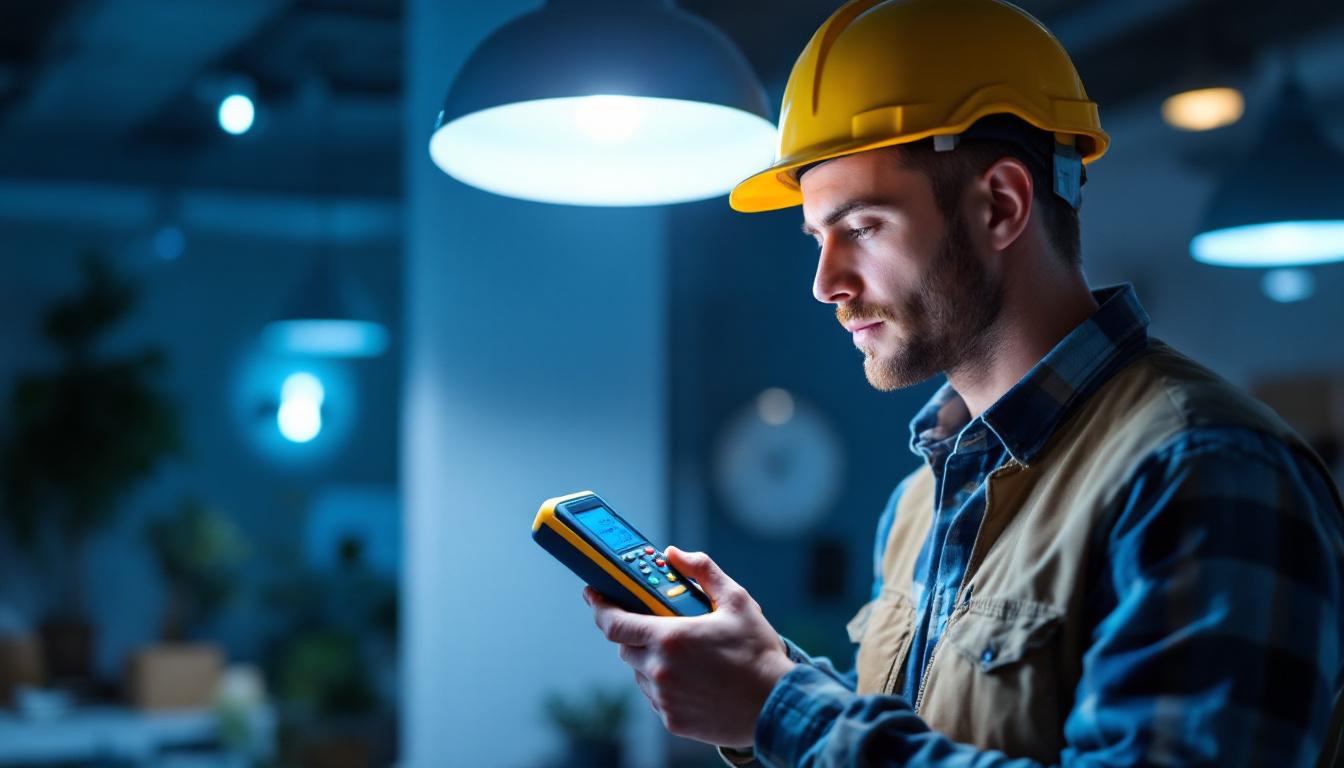
Measuring foot candles requires the right tools and a systematic approach. Lighting contractors typically use a light meter, also known as a lux meter, which measures illuminance in lux. Since one foot candle equals approximately 10.764 lux, many meters can display readings in both units or allow easy conversion. Understanding the nuances of foot candle measurements is essential for ensuring that spaces are adequately illuminated for their intended purposes, whether it be for safety, productivity, or aesthetic appeal.
Choosing the Right Light Meter
When selecting a light meter, consider factors such as accuracy, ease of use, and durability. Professional-grade meters offer features like data logging, multiple measurement modes, and wide measurement ranges that are invaluable on complex projects. Some models also include Bluetooth connectivity for transferring data to mobile devices or computers for further analysis. Additionally, it’s beneficial to choose a meter that can handle a variety of environments, from dimly lit rooms to brightly illuminated outdoor spaces, ensuring versatility in your measurements.
Accuracy is paramount. A meter with a tolerance of ±3% or better ensures reliable readings, which is critical when verifying compliance with lighting standards. Additionally, a cosine-corrected sensor is necessary to measure light intensity accurately from different angles, mimicking human eye perception. This feature becomes particularly important in environments with varying light sources, as it helps to provide a more comprehensive understanding of how light interacts with surfaces and objects within a space.
Step-by-Step Method for Measuring Foot Candles
1. Prepare the Space: Before taking measurements, ensure the lighting system is fully operational and any natural light sources are accounted for or controlled, depending on the test requirements. This preparation might involve closing blinds or adjusting artificial lights to create a consistent testing environment.
2. Position the Meter: Place the light meter’s sensor at the surface where the light level needs to be measured. This could be a work surface, floor, or wall depending on the application. It’s essential to ensure that the sensor is level and unobstructed to capture the most accurate readings possible.
3. Take Multiple Readings: To get an accurate representation of the lighting conditions, take readings at multiple points across the area. This helps identify uneven lighting or shadowed zones. Consider marking the locations of each measurement to track variations and patterns in light distribution, which can be crucial for making informed adjustments to the lighting layout.
4. Record and Analyze: Document the readings carefully. Calculate averages or identify minimum and maximum values as needed to assess compliance with design specifications or standards. Additionally, comparing these measurements against industry benchmarks can provide insights into whether the lighting meets the necessary requirements for specific tasks or activities within the space.
Applying Foot Candle Measurements in Various Lighting Projects
Foot candle measurements are not a one-size-fits-all metric; different environments require tailored lighting levels. Lighting contractors must understand these nuances to deliver effective solutions.
Commercial and Office Spaces
In office environments, adequate lighting is crucial for productivity and comfort. Foot candle levels typically range from 30 to 50 fc on desks and workstations. Measuring foot candles ensures that task lighting is sufficient without causing glare or eye strain.
For example, a contractor installing LED panel lights in a corporate office will measure foot candles at various desk locations to confirm uniformity and compliance with IES recommendations. Adjustments to fixture placement or dimming controls may be necessary based on these measurements.
Industrial and Warehouse Settings
Industrial environments often require varying foot candle levels depending on the tasks performed. General storage areas may only need 10 to 20 fc, while inspection or assembly lines might demand 50 fc or more.
Lighting contractors must measure foot candles to ensure safety and efficiency. Poor lighting in warehouses can lead to accidents or errors in inventory management. Using foot candle measurements, contractors can optimize fixture types and layouts to balance energy consumption with adequate illumination.
Residential Lighting Considerations
Although residential lighting is generally less demanding in terms of strict foot candle requirements, contractors still benefit from measuring light levels to create comfortable and functional spaces. For instance, kitchens and reading areas typically require higher foot candle levels (around 50 to 75 fc) compared to living rooms or bedrooms.
By measuring foot candles, contractors can advise homeowners on fixture placement and bulb selection, enhancing both ambiance and usability.
Advanced Techniques and Best Practices for Lighting Contractors
Beyond basic measurement, lighting contractors can employ advanced techniques to refine their lighting designs and ensure optimal performance.
Using Software and Simulation Tools
Many contractors integrate foot candle measurements with lighting design software that simulates light distribution before installation. These tools allow for virtual testing of fixture types, positions, and light levels, reducing guesswork and minimizing costly changes on-site.
After installation, contractors use light meters to validate the simulated results, ensuring the actual lighting matches the design intent. This combination of digital and physical measurement is becoming standard practice in professional lighting projects.
Accounting for Environmental Factors
Environmental conditions such as wall color, surface reflectivity, and ambient daylight significantly impact measured foot candle levels. Contractors should consider these factors when planning measurements and interpreting results.
For example, a room with dark walls will absorb more light, requiring higher fixture output or additional fixtures to achieve the desired foot candle level. Conversely, highly reflective surfaces can boost illumination but may cause glare if not managed properly.
Regular Maintenance and Re-Measurement
Lighting systems degrade over time due to dust accumulation, lamp aging, and fixture wear. Regularly measuring foot candles during maintenance visits helps contractors identify when lighting levels fall below acceptable thresholds and recommend corrective actions.
This proactive approach extends the life of lighting installations, maintains safety and comfort, and supports energy efficiency goals.
Common Challenges and Solutions in Measuring Foot Candles
While measuring foot candles is straightforward in theory, practical challenges often arise in the field. Recognizing and addressing these issues is crucial for lighting contractors.
Dealing with Variable Natural Light
Natural daylight fluctuates throughout the day and can skew foot candle measurements if not controlled. Contractors should schedule measurements during consistent lighting conditions or use blackout curtains to isolate artificial lighting effects.
Ensuring Sensor Calibration
Light meters require periodic calibration to maintain accuracy. Using an uncalibrated meter can lead to incorrect readings and poor lighting decisions. Contractors should follow manufacturer recommendations and maintain calibration records as part of quality assurance.
Interpreting Measurements in Complex Spaces
Spaces with multiple light sources, varying ceiling heights, or obstructions can produce uneven lighting. Contractors must take multiple measurements and use statistical analysis to understand overall illumination quality rather than relying on single-point readings.
Conclusion: Mastering Foot Candle Measurement for Superior Lighting Outcomes
For lighting contractors, the ability to accurately measure and interpret foot candles is a cornerstone of professional expertise. It enables the design and implementation of lighting systems that meet client needs, comply with standards, and optimize energy use.
By selecting the right tools, applying systematic measurement techniques, and understanding the specific lighting requirements of various environments, contractors can ensure their projects deliver both functional and aesthetic excellence. Continuous learning and adaptation to new technologies and standards will further enhance the value contractors bring to their clients.
Illuminate Your Projects with LumenWholesale
Ready to elevate your lighting projects with the precision of foot candle measurement and the finest lighting products? Look no further than LumenWholesale. Our commitment to quality and affordability ensures that you have access to the best spec-grade lighting products at wholesale prices. With free shipping on bulk orders, you can confidently meet the demands of any project without worrying about hidden costs. Make the smart choice for your lighting needs and explore our collection for Wholesale Lighting at the Best Value today.