Introduction to Modern Yard Flood Lighting
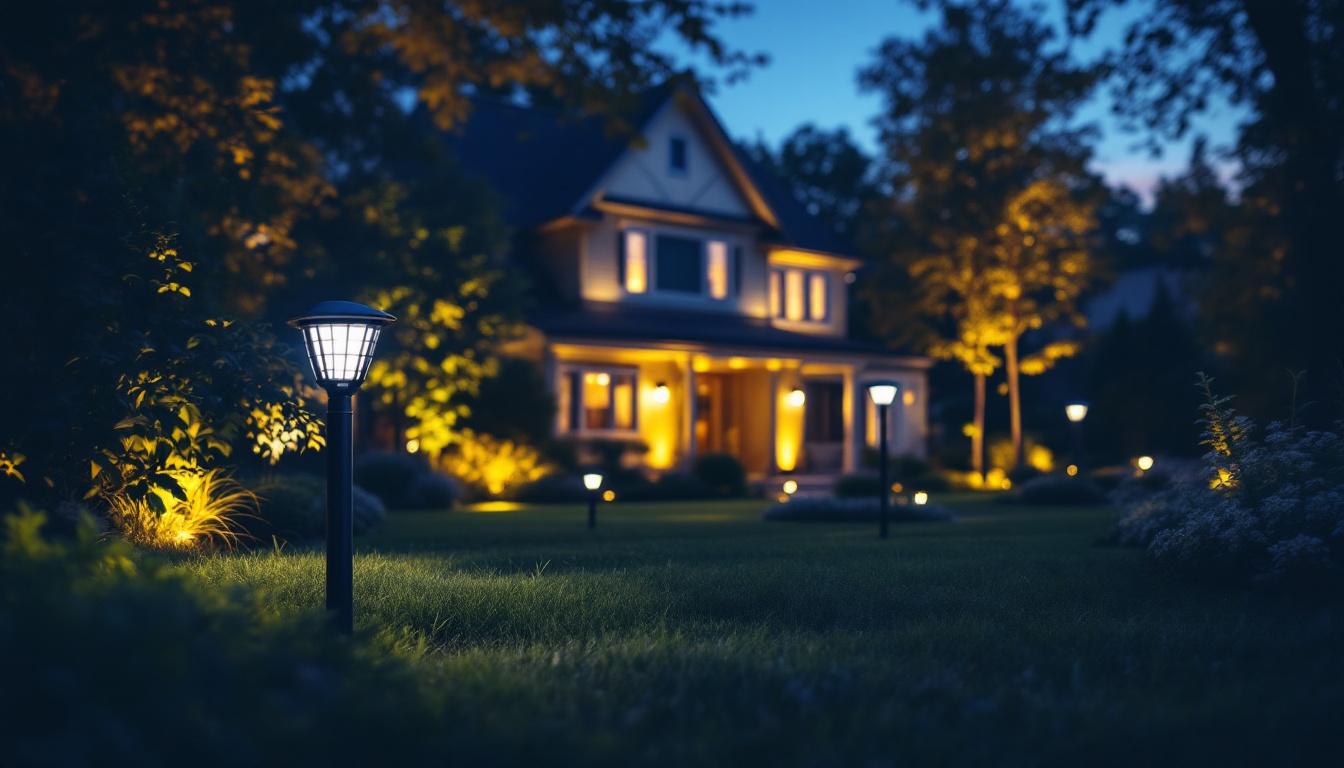
Flood lighting has long been a staple in outdoor illumination, providing safety, security, and aesthetic appeal to residential and commercial properties alike. For lighting contractors, understanding the evolving landscape of flood light technology and design is crucial to delivering solutions that meet client expectations and regulatory standards. The yard, often the first impression of a property, benefits immensely from well-planned flood lighting that balances brightness, energy efficiency, and visual comfort.
Advancements in lighting technology have transformed traditional flood lights into sophisticated tools that offer superior performance, durability, and customization. This article explores the future of flood lighting in yard applications, focusing on design trends, installation best practices, and emerging technologies that lighting contractors should embrace to stay competitive and innovative.
One of the most significant trends in modern flood lighting is the shift towards LED technology. LEDs not only consume less energy compared to their incandescent and halogen counterparts but also boast a longer lifespan, making them a cost-effective solution in the long run. Additionally, the ability to adjust color temperature allows homeowners to create the desired ambiance, whether it’s a warm, inviting glow for gatherings or a bright, daylight-like illumination for security purposes. The versatility of LED flood lights means they can be used to highlight architectural features, illuminate pathways, or even accentuate landscaping, enhancing the overall aesthetic of the yard.
Moreover, smart lighting systems are becoming increasingly popular, allowing homeowners to control their flood lights remotely through smartphones or smart home devices. This technology not only adds convenience but also enhances security by enabling users to schedule lighting or activate it on demand, deterring potential intruders. As the Internet of Things (IoT) continues to evolve, integrating flood lights with other outdoor elements, such as motion sensors and cameras, creates a comprehensive security solution that provides peace of mind. These advancements in technology are not just about illumination; they represent a shift towards smarter, more efficient, and user-friendly outdoor environments.
Emerging Trends in Flood Light Design for Yards
Energy Efficiency and Sustainability
One of the most significant drivers in the evolution of flood lighting is the global emphasis on energy efficiency and sustainability. LED technology has become the dominant force in outdoor lighting due to its low power consumption, long lifespan, and reduced maintenance requirements. Lighting contractors are increasingly specifying LED flood lights that consume up to 80% less energy than traditional halogen or incandescent fixtures, translating into substantial cost savings for property owners.
Moreover, sustainable design principles encourage the use of fixtures with recyclable materials and low environmental impact. Integrating solar-powered flood lights is another growing trend, especially in areas where electrical infrastructure is limited or where clients prioritize green energy solutions. These solar options often include battery storage systems that ensure consistent illumination during nighttime hours. As technology advances, manufacturers are also developing solar lights with enhanced efficiency, allowing them to perform optimally even in less sunny climates, thus broadening their appeal and usability.
Smart Lighting Integration
Smart technology integration is revolutionizing yard flood lighting by enabling remote control, automation, and adaptive lighting. Contractors are now installing flood lights equipped with sensors that adjust brightness based on ambient light or motion detection, enhancing security while conserving energy. These smart systems can be managed via smartphone apps or integrated into broader home automation platforms, offering clients unprecedented convenience and customization.
Additionally, programmable lighting schedules and color temperature adjustments allow for dynamic lighting scenes that can highlight landscaping features or create mood lighting for outdoor gatherings. This level of control not only improves user experience but also opens new avenues for contractors to offer value-added services. With the rise of voice-activated technology, homeowners can now control their outdoor lighting with simple commands, making it easier than ever to set the perfect ambiance for any occasion, whether it’s a cozy family dinner or a festive party with friends.
Design Aesthetics and Customization
Modern flood lights are no longer purely functional fixtures; they have become integral components of landscape design. Lighting contractors are increasingly collaborating with landscape architects and designers to select fixtures that complement architectural styles and natural surroundings. Sleek, low-profile flood lights with adjustable beam angles enable precise targeting of light, reducing glare and light pollution.
Customization options such as color-changing LEDs and programmable effects allow for creative expression and seasonal adaptability. This trend underscores the importance of understanding client preferences and site-specific conditions to tailor lighting solutions that enhance curb appeal and property value. Furthermore, the integration of artistic elements, such as decorative housings or unique mounting options, allows homeowners to express their personal style while ensuring their outdoor spaces are both functional and visually appealing. As the demand for personalized outdoor environments grows, the role of flood lighting in achieving a harmonious balance between form and function becomes increasingly significant.
Technical Considerations for Flood Light Installation
Site Assessment and Planning
Effective flood light installation begins with a thorough site assessment. Lighting contractors must evaluate the yard’s layout, existing electrical infrastructure, and potential obstructions such as trees or structures. Understanding the purpose of the lighting—whether for security, accentuation, or general illumination—guides fixture placement and specification.
Proper planning also involves compliance with local lighting ordinances and regulations to prevent issues related to light trespass and glare. Contractors should use photometric analysis tools to simulate lighting coverage and ensure uniform illumination without over-lighting or creating dark spots.
Fixture Selection and Mounting Techniques
Choosing the right fixtures is critical to achieving optimal performance and longevity. Contractors should prioritize flood lights with high ingress protection (IP) ratings to withstand outdoor conditions such as rain, dust, and temperature fluctuations. Materials like die-cast aluminum housings provide durability and heat dissipation, extending the lifespan of LEDs.
Mounting techniques vary depending on the yard’s features and lighting objectives. Pole mounts, wall mounts, and ground stakes are common options. Adjustable brackets allow for fine-tuning of beam direction, which is essential for minimizing light pollution and focusing illumination where it is needed most.
Wiring and Power Supply Considerations
Electrical wiring for flood lights must adhere to safety standards and be designed for ease of maintenance. Low-voltage systems (12V or 24V) are popular for yard lighting due to their safety benefits and compatibility with solar power systems. However, high-voltage options may be necessary for larger installations requiring higher lumen output.
Contractors should also consider surge protection and waterproof connectors to safeguard the system against electrical faults and environmental damage. Proper grounding and circuit protection devices are essential components of a reliable and code-compliant installation.
Innovations Shaping the Future of Yard Flood Lighting
Adaptive Lighting Systems
Adaptive lighting systems represent a leap forward in outdoor illumination technology. These systems use artificial intelligence and sensor networks to dynamically adjust lighting levels based on real-time conditions such as pedestrian movement, weather, and ambient light. For lighting contractors, installing adaptive flood lights means offering clients a solution that maximizes energy savings while maintaining optimal visibility and safety.
Such systems can also integrate with security cameras and emergency response networks, creating a comprehensive outdoor safety ecosystem. The ability to collect and analyze lighting usage data enables predictive maintenance, reducing downtime and operational costs.
Advanced Materials and Manufacturing Techniques
Emerging materials such as graphene-enhanced LEDs and advanced polymers are improving the efficiency and durability of flood lights. These innovations allow for lighter, more compact fixtures that dissipate heat more effectively, enhancing performance and extending service life.
Manufacturing advances like 3D printing enable customized fixture designs that can be tailored to unique site requirements or aesthetic preferences. This flexibility empowers lighting contractors to deliver bespoke solutions that stand out in a competitive market.
Integration with Renewable Energy Systems
The future of yard flood lighting is closely linked with renewable energy integration. Beyond standalone solar flood lights, contractors are increasingly designing systems that connect with home solar arrays and battery storage solutions. This integration supports off-grid capabilities and resilience during power outages.
Energy management systems that optimize the use of renewable energy sources for outdoor lighting contribute to sustainability goals and reduce reliance on traditional power grids. Lighting contractors who master these integrations position themselves as leaders in green building practices.
Best Practices for Lighting Contractors
Continuous Education and Certification
Staying abreast of technological advancements and industry standards is essential for lighting contractors. Pursuing certifications such as the Certified Lighting Designer (CLD) or credentials from organizations like the Illuminating Engineering Society (IES) enhances professional credibility and technical expertise.
Regular training on new products, installation techniques, and software tools ensures that contractors can offer cutting-edge solutions and maintain high-quality workmanship.
Client Collaboration and Communication
Successful flood light projects hinge on clear communication with clients to understand their needs, preferences, and budget constraints. Providing visual simulations and detailed proposals helps manage expectations and facilitates informed decision-making.
Post-installation support, including maintenance plans and system upgrades, fosters long-term client relationships and generates repeat business opportunities.
Emphasis on Safety and Compliance
Adhering to electrical codes, safety regulations, and environmental guidelines protects contractors and clients alike. Implementing rigorous safety protocols during installation minimizes risks and liability.
Contractors should also advocate for responsible lighting practices that reduce light pollution and preserve nighttime environments, aligning with broader community and environmental objectives.
Conclusion
The future of flood lighting for yards is bright, driven by innovations in energy efficiency, smart technology, and sustainable design. Lighting contractors who embrace these trends and integrate advanced solutions into their projects will deliver superior value and enhance outdoor spaces in meaningful ways.
By combining technical expertise with creative design and a commitment to client satisfaction, contractors can lead the transformation of yard lighting into a dynamic, adaptive, and environmentally responsible feature of modern properties.
Illuminate Your Projects with LumenWholesale
Ready to elevate your lighting installations with the latest in flood light technology? Look no further than LumenWholesale, where we provide lighting contractors with the highest quality, spec-grade lighting products at unbeatable wholesale prices. Our extensive selection is designed to meet the highest industry standards, ensuring that your yard lighting projects shine with reliability and performance. With free shipping on bulk orders, LumenWholesale offers the perfect combination of quality, affordability, and convenience. Don’t let inflated markups dim your project’s potential. Discover wholesale lighting at the best value today and brighten your clients’ outdoor spaces with confidence.