Understanding Exterior Linear Lighting and Its Growing Demand
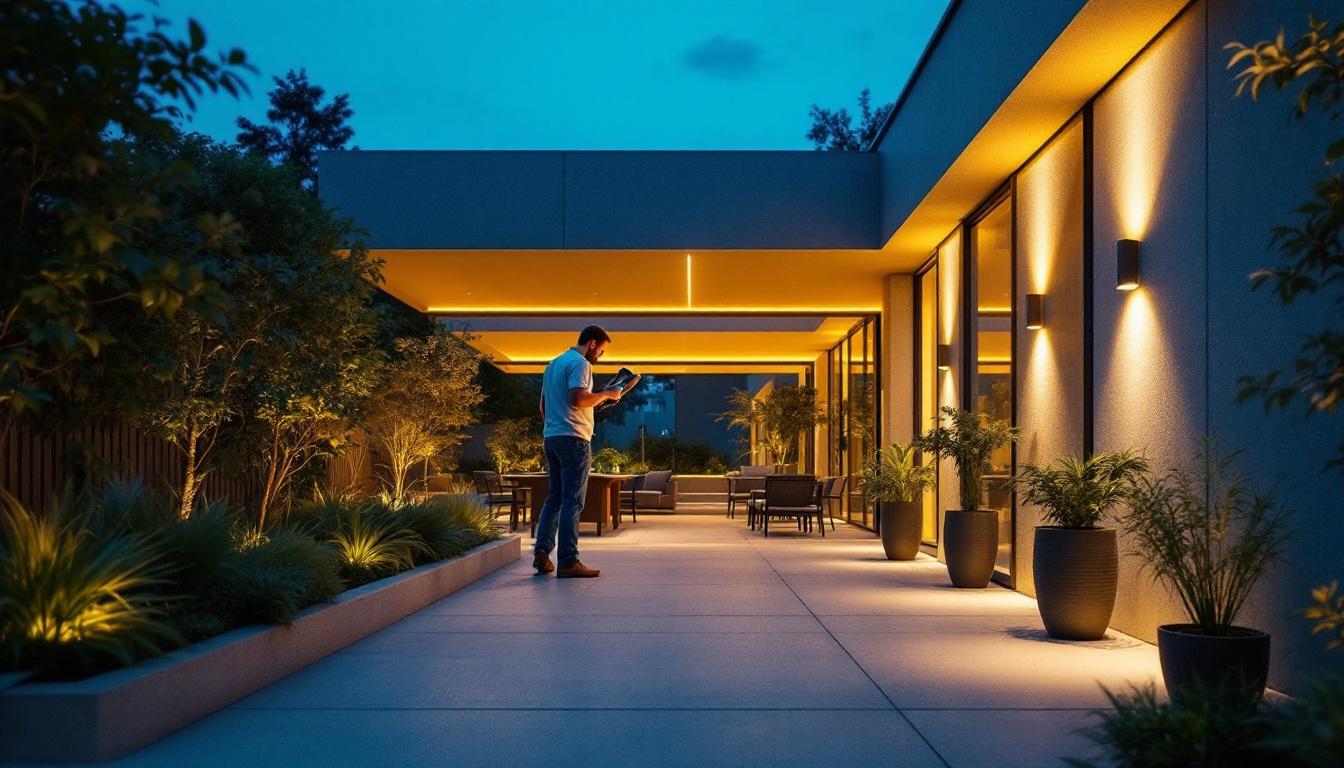
Exterior linear lighting has become a staple in modern architectural and landscape design, offering sleek, continuous illumination that enhances both aesthetics and functionality. For lighting contractors, mastering the installation and specification of these systems is essential, especially as demand grows in commercial, residential, and public spaces. These lighting solutions are prized for their versatility, energy efficiency, and ability to create visually striking effects that highlight building facades, pathways, and outdoor features.
However, with increasing competition and tighter project budgets, contractors must adopt cost-saving strategies without compromising quality or client satisfaction. Understanding the nuances of exterior linear lighting—from product selection and installation techniques to maintenance and energy management—can unlock significant savings and improve project outcomes.
Moreover, the integration of smart technology into exterior linear lighting systems is revolutionizing the way these installations are approached. Smart lighting solutions allow for remote control and automation, enabling users to adjust brightness levels, color temperatures, and even create dynamic lighting scenes that can change with the time of day or special events. This not only enhances the user experience but also contributes to energy savings, as lights can be programmed to dim or turn off when not needed. As more clients seek sustainable and innovative solutions, staying abreast of these technological advancements can give contractors a competitive edge in the marketplace.
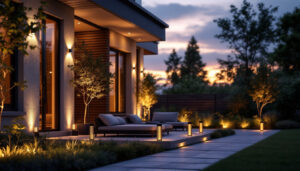
Additionally, the aesthetic impact of exterior linear lighting cannot be overstated. Designers are increasingly using these lighting systems to create dramatic visual narratives that guide visitors through outdoor spaces. For instance, strategically placed linear lights can accentuate architectural details, frame walkways, or even highlight landscaping features, transforming an ordinary environment into an extraordinary experience. This emphasis on design not only elevates the overall ambiance but also plays a crucial role in safety and security, as well-lit areas deter unwanted activity and encourage nighttime use of public spaces. By understanding how to leverage these design principles, contractors can better meet the evolving expectations of their clients.
Key Factors Influencing Costs in Exterior Linear Lighting Projects
Product Selection: Balancing Quality and Affordability
One of the most significant cost drivers in exterior linear lighting projects is the choice of fixtures and components. High-quality LED modules, durable housings, and reliable drivers are essential for longevity and performance, especially in harsh outdoor environments. However, premium products often come with higher upfront costs.
Lighting contractors can reduce expenses by sourcing products that offer the best balance between cost and durability. For example, opting for fixtures with modular designs can simplify replacements and reduce long-term maintenance costs. Additionally, selecting LED strips with high lumen efficacy ensures fewer fixtures are needed to achieve the desired illumination level, which can lower both material and energy costs. Furthermore, considering the environmental impact of materials can also play a role in product selection; choosing sustainable options not only enhances the project’s appeal but may also qualify for green building incentives or rebates.
Installation Complexity and Labor Costs
Labor is another major component of project expenses. Exterior linear lighting installations can be labor-intensive, especially when dealing with uneven surfaces, complex architectural features, or difficult-to-access locations. Efficient project planning and skilled labor can reduce installation time and associated costs.
Contractors should consider prefabricating sections of linear lighting offsite when possible, which can streamline onsite work and minimize errors. Investing in training for installation teams on the latest mounting techniques and tools can also improve efficiency and reduce costly rework. Additionally, utilizing advanced project management software can help track labor hours and material usage, allowing for more accurate budgeting and resource allocation throughout the project lifecycle.
Energy Consumption and Operational Expenses
While LED technology is inherently energy-efficient, the overall operational cost depends on system design and control strategies. Lighting contractors can influence these costs by recommending and installing smart controls such as dimmers, motion sensors, and timers. These technologies reduce energy consumption by adjusting lighting levels based on occupancy or ambient light conditions, translating into substantial savings over the system’s lifespan.
Moreover, integrating renewable energy sources, such as solar panels, can further decrease operational costs and enhance sustainability. By harnessing solar energy, contractors can create self-sustaining lighting systems that significantly reduce reliance on grid electricity. This not only lowers energy bills but also contributes to a greener environment. As municipalities and businesses increasingly prioritize sustainability, showcasing energy-efficient designs with renewable integrations can also enhance the marketability of the project, attracting clients who value eco-friendly solutions.
Cost-Saving Strategies for Lighting Contractors
1. Optimize Design Through Collaboration
Collaborating closely with architects, designers, and clients during the early stages of a project can prevent costly changes later. By understanding the project’s goals and constraints, contractors can propose lighting solutions that meet aesthetic and functional needs while staying within budget.
Using lighting design software to simulate different scenarios helps identify the most efficient fixture placement and brightness levels. This proactive approach reduces material waste and avoids over-specification, which can inflate costs unnecessarily. Moreover, engaging in early discussions about design intent can lead to innovative solutions that enhance the overall ambiance of a space, ensuring that the lighting not only serves its practical purpose but also elevates the design narrative.
Additionally, involving all stakeholders in the design process fosters a sense of ownership and accountability. This collaborative spirit can lead to creative brainstorming sessions where unique ideas are shared, potentially uncovering cost-effective alternatives that might not have been considered in a more siloed approach. The result is a lighting plan that not only meets the budgetary constraints but also exceeds client expectations in terms of design and functionality.
2. Leverage Energy-Efficient Technologies
Advancements in LED technology have led to fixtures that deliver higher brightness with lower power consumption. Lighting contractors should stay informed about the latest product developments and incorporate energy-efficient components whenever possible.
Integrating controls such as daylight harvesting systems, which adjust lighting based on natural light availability, can further reduce energy use. These systems not only save money but also contribute to sustainability goals, which are increasingly important to clients and regulatory bodies. Furthermore, the implementation of smart lighting solutions, like occupancy sensors and programmable timers, can optimize energy usage by ensuring lights are only on when needed, significantly lowering operational costs over time.
Moreover, educating clients about the long-term benefits of energy-efficient technologies can enhance their willingness to invest in these solutions. Presenting case studies or examples of previous projects where energy-efficient lighting led to substantial savings can help in making a compelling argument. This not only positions contractors as knowledgeable experts but also builds trust with clients, reinforcing the value of investing in modern lighting technologies.
3. Standardize Components and Streamline Inventory
Maintaining a standardized inventory of linear lighting components can reduce procurement costs and simplify installation. By selecting a limited range of fixture types and accessories that can be used across multiple projects, contractors benefit from bulk purchasing discounts and reduce the risk of ordering errors.
Standardization also facilitates faster training for installation teams and simplifies maintenance for clients, enhancing overall project value. Furthermore, having a consistent inventory allows contractors to quickly respond to project demands without the delays associated with sourcing various components, ensuring that timelines are met and client satisfaction remains high.
Additionally, this approach can lead to stronger partnerships with suppliers, as contractors can negotiate better terms and pricing for frequently used items. Over time, this not only streamlines operations but also contributes to a more sustainable business model, as reduced variability in inventory can lead to less waste and more efficient resource management.
4. Implement Preventive Maintenance Programs
Exterior lighting systems are exposed to weather, dust, and mechanical stress, which can lead to premature failures if not properly maintained. Contractors can offer preventive maintenance programs that include regular inspections, cleaning, and timely replacement of worn components.
These programs extend the life of the lighting system, reduce emergency repair costs, and improve client satisfaction. They also create recurring revenue opportunities for contractors beyond the initial installation. By establishing a routine maintenance schedule, contractors can proactively address potential issues before they escalate into costly repairs, ensuring that lighting systems remain functional and efficient.
Moreover, offering clients detailed reports after each maintenance visit can reinforce the value of these programs. Highlighting improvements in energy efficiency, system performance, and overall safety can help clients appreciate the benefits of ongoing maintenance. This not only strengthens client relationships but also positions contractors as trusted partners in managing their lighting needs, fostering loyalty and encouraging referrals for future projects.
Practical Examples of Cost-Saving in Exterior Linear Lighting
Case Study: Commercial Building Facade Lighting
A lighting contractor working on a commercial building facade project implemented a modular linear lighting system with integrated smart controls. By collaborating with the design team to optimize fixture placement and brightness, the contractor reduced the number of fixtures by 20%, saving on material and labor costs.
Additionally, the use of occupancy sensors and daylight dimming controls decreased energy consumption by approximately 35%, leading to lower operational expenses for the building owner. The client reported high satisfaction due to the enhanced aesthetic appeal and reduced energy bills.
Case Study: Public Park Pathway Illumination
In a public park lighting project, the contractor standardized on a single type of linear LED fixture with a robust housing rated for wet environments. Prefabricated mounting brackets and pre-wired sections allowed for rapid installation, cutting labor time by nearly 25% compared to previous projects.
The contractor also established a maintenance contract with the municipality, ensuring regular cleaning and inspection. This proactive approach minimized downtime and extended fixture lifespan, resulting in long-term cost savings and improved public safety.
Emerging Trends and Technologies to Watch
Integration with Smart City Infrastructure
Exterior linear lighting is increasingly integrated into smart city initiatives, where lighting systems communicate with other urban infrastructure components. Lighting contractors who embrace these technologies can offer clients enhanced functionality, such as adaptive lighting that responds to traffic patterns or emergency situations.
While initial costs may be higher, these smart systems can reduce energy consumption and maintenance needs, providing compelling value propositions for municipalities and large-scale developments.
Advances in Materials and Durability
New materials and coatings are improving the durability and weather resistance of exterior linear lighting fixtures. Innovations such as corrosion-resistant alloys and UV-stabilized polymers help extend fixture life in harsh environments, reducing replacement frequency and associated costs.
Contractors should stay informed about these advancements to recommend products that offer the best lifecycle value for their clients.
Conclusion: Maximizing Value Through Strategic Planning and Execution
For lighting contractors, exterior linear lighting projects present both opportunities and challenges. By focusing on cost-saving strategies such as optimized design collaboration, energy-efficient technologies, component standardization, and preventive maintenance, contractors can deliver high-quality results while controlling expenses.
Staying abreast of emerging trends and continuously refining installation and maintenance practices will position contractors as trusted partners in the evolving landscape of exterior lighting. Ultimately, these efforts lead to satisfied clients, repeat business, and a stronger competitive edge in the market.
Get Your Spec-Grade Lighting at Unbeatable Prices with LumenWholesale
Ready to take your exterior linear lighting projects to the next level? At LumenWholesale, we provide lighting contractors with the high-quality, specification-grade products you need at prices that can’t be beaten. Say goodbye to local distributor markups and hello to our extensive selection that meets rigorous industry standards. With free shipping on bulk orders, you can trust that you’re getting premium lighting solutions at the best value, without any hidden fees. Elevate your lighting game and enjoy the convenience of shopping with LumenWholesale. Wholesale Lighting at the Best Value is just a click away.