Understanding the Importance of Electrical Outlets in Lighting Installations
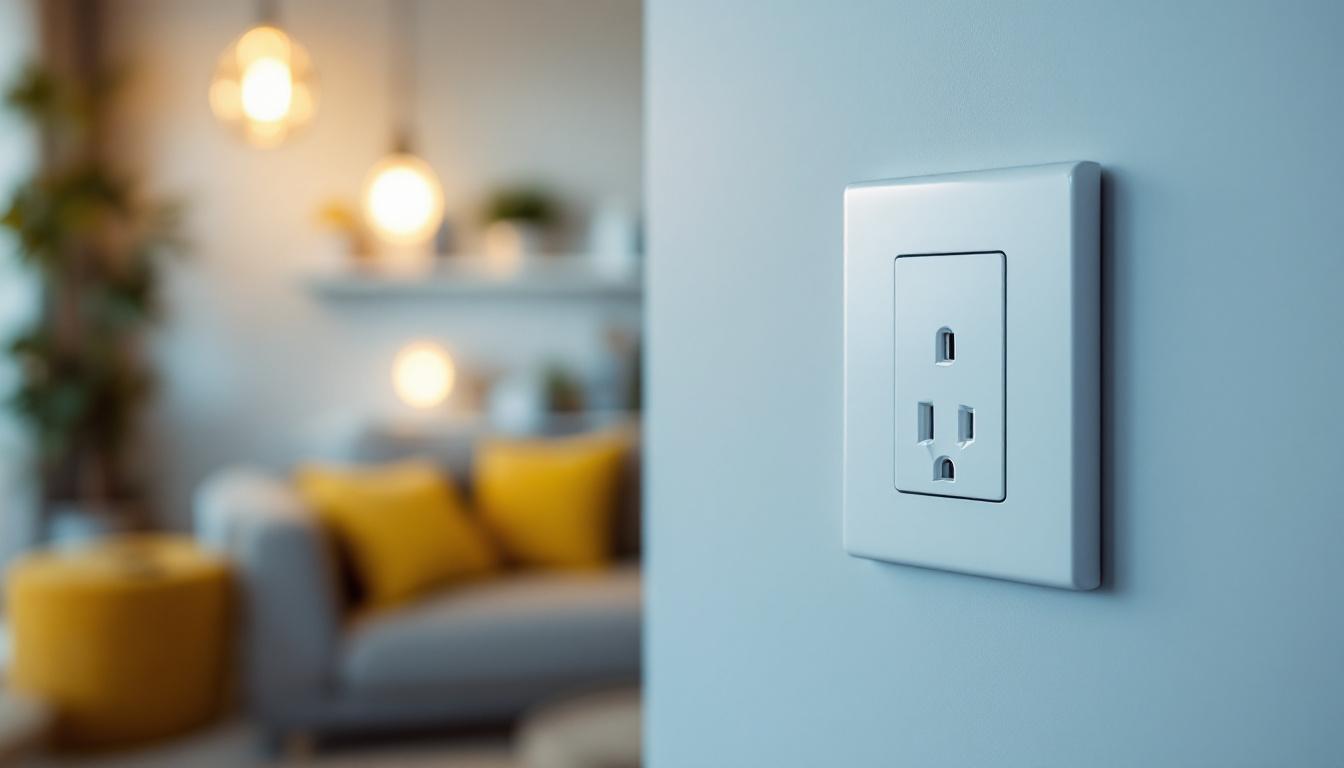
Electrical outlets are fundamental components in any lighting installation. They serve as the interface between the electrical supply and the lighting fixtures, ensuring that power is delivered safely and effectively. For lighting contractors, understanding the various types of outlets and switches is crucial for enhancing safety and functionality in installations.
Inadequate knowledge or improper installation of electrical outlets can lead to a range of issues, including electrical shocks, short circuits, and even fire hazards. Therefore, it is essential to prioritize safety in every aspect of lighting design and installation. Additionally, the placement of outlets can significantly influence the overall aesthetic and functionality of a space. Thoughtful positioning allows for optimal lighting effects, reducing the need for extension cords and minimizing clutter, which can also enhance safety by reducing trip hazards.
Types of Electrical Outlets
There are several types of electrical outlets that can be used in lighting installations, each designed for specific applications. Standard outlets are commonly found in residential settings, while specialized outlets, such as GFCI (Ground Fault Circuit Interrupter) and AFCI (Arc Fault Circuit Interrupter) outlets, are designed to enhance safety in areas prone to moisture or where arc faults may occur.
GFCI outlets are particularly important in bathrooms and kitchens, where water exposure is likely. They work by monitoring the electrical current and shutting off the power if an imbalance is detected, thus preventing electrical shocks. On the other hand, AFCI outlets are designed to prevent fires caused by arcing faults in wiring, making them ideal for living areas and bedrooms. Furthermore, there are also USB outlets available that combine traditional power sources with USB ports, providing convenience for charging devices without the need for bulky adapters. This modern solution is particularly beneficial in spaces where multiple devices are used, such as home offices or entertainment areas.
Switches: The Control Mechanism
Switches play a pivotal role in controlling lighting fixtures. They allow users to turn lights on and off, adjust brightness levels, and even control multiple fixtures from a single point. The type of switch selected can greatly impact the safety and efficiency of a lighting installation.
Smart switches, for example, offer advanced features such as remote control and scheduling, which can enhance safety by allowing users to turn lights on or off from a distance. This is particularly useful for outdoor lighting installations, where homeowners can ensure that lights are activated at dusk and deactivated at dawn, reducing the risk of accidents and enhancing security. Additionally, dimmer switches can be integrated into the system to provide customizable lighting levels, which not only contributes to energy savings but also creates the desired ambiance for different occasions. The ability to adjust lighting can significantly enhance the functionality of a space, making it more versatile for various activities, from entertaining guests to enjoying a quiet evening at home.
Safety Features in Electrical Outlets and Switches
Modern electrical outlets and switches come equipped with several safety features designed to minimize risks associated with electrical installations. Understanding these features is essential for lighting contractors aiming to provide safe and reliable solutions to their clients.
Child Safety Features
Childproof outlets are designed to prevent accidental shocks, making them ideal for homes with young children. These outlets typically include sliding shutters that only open when a plug is inserted, preventing foreign objects from being inserted into the outlet. This feature is particularly important in areas where children may have access to electrical outlets, such as living rooms and playrooms.
In addition to childproof outlets, tamper-resistant receptacles are also gaining popularity. These outlets require simultaneous pressure on both sides of the outlet to accept a plug, further enhancing safety in households with children. Furthermore, many manufacturers are now developing outlets with built-in LED indicators that signal when the outlet is in use or if there is a fault, providing an additional layer of safety for parents who want to monitor their children’s interactions with electrical devices.
Surge Protection
Surge protection is another critical safety feature that should not be overlooked. Power surges can occur due to various reasons, including lightning strikes, power outages, and equipment malfunctions. Outlets with built-in surge protection can help safeguard lighting fixtures and other connected devices from damage caused by these surges.
Incorporating surge protection into lighting installations not only protects the fixtures but also enhances the longevity of the overall electrical system. For lighting contractors, recommending surge-protected outlets can be an effective way to add value to their services. Additionally, it is worth noting that some surge protectors come with advanced features such as data line protection, which safeguards sensitive electronics like computers and home entertainment systems from voltage spikes, making them a versatile choice for modern homes.
Moreover, the integration of smart technology into surge protection systems is becoming increasingly prevalent. Smart surge protectors can send alerts to homeowners via mobile apps, notifying them of any surge events and allowing for real-time monitoring of electrical conditions. This not only empowers homeowners to take proactive measures but also enhances the overall safety and reliability of their electrical systems, ensuring peace of mind in an age where electronic devices are integral to daily life.
Installation Best Practices for Safety
Proper installation of electrical outlets and switches is vital for ensuring safety in lighting installations. Lighting contractors must adhere to best practices to minimize risks associated with electrical work.
Adhering to Local Codes and Regulations
Every region has specific electrical codes and regulations that govern the installation of electrical outlets and switches. Lighting contractors must be familiar with these codes to ensure compliance and safety. Failing to adhere to local regulations can lead to unsafe installations and may result in legal repercussions.
It is advisable for contractors to stay updated with any changes in local codes and to consult with local authorities when necessary. This not only ensures safety but also enhances the credibility of the contractor’s work.
Proper Wiring Techniques
Using proper wiring techniques is essential for the safe operation of electrical outlets and switches. Contractors should ensure that all wiring is correctly rated for the electrical load it will carry and that connections are secure and insulated. Loose or improper connections can lead to overheating and potential fire hazards.
Additionally, using the right gauge of wire for the application is crucial. Using a wire that is too thin for the load can lead to overheating, while using a wire that is too thick can be unnecessarily costly and cumbersome to work with.
Enhancing Safety with Smart Technology
As technology advances, smart electrical outlets and switches are becoming increasingly popular in lighting installations. These devices not only offer convenience but also enhance safety in various ways.
Remote Monitoring and Control
Smart outlets and switches allow homeowners to monitor and control their lighting from anywhere using a smartphone app. This feature can be particularly useful for ensuring that lights are turned off when not in use, reducing the risk of electrical fires caused by forgotten lights.
Moreover, remote control capabilities can enhance security by allowing homeowners to turn lights on and off while away from home, creating the illusion of occupancy and deterring potential intruders.
Automated Scheduling
Automated scheduling features in smart outlets and switches can significantly enhance safety. Homeowners can program their lights to turn on and off at specific times, ensuring that pathways are illuminated during the night and reducing the risk of trips and falls.
This feature is particularly beneficial for outdoor lighting installations, where proper illumination is essential for safety. By automating lighting schedules, contractors can provide clients with a solution that not only enhances safety but also adds convenience to their daily routines.
Common Mistakes to Avoid in Electrical Installations
Even experienced lighting contractors can make mistakes during electrical installations. Being aware of common pitfalls can help ensure that installations are safe and effective.
Overloading Circuits
One of the most common mistakes is overloading circuits by connecting too many devices to a single outlet. This can lead to overheating and potential fire hazards. Contractors should always calculate the total load on a circuit and ensure that it does not exceed the recommended limits.
Educating clients about the importance of not overloading outlets can also be beneficial. Providing clear guidance on how many devices can be safely connected to each outlet can help prevent future issues.
Neglecting Grounding
Proper grounding is essential for the safety of electrical installations. Neglecting to ground outlets and switches can lead to electrical shocks and equipment damage. Contractors must ensure that all installations are properly grounded according to local codes.
Grounding not only protects users from electrical shocks but also helps to stabilize the electrical system, reducing the risk of surges and other electrical issues.
Conclusion: Prioritizing Safety in Lighting Installations
Electrical outlets and switches are integral components of lighting installations, playing a crucial role in safety and functionality. By understanding the various types of outlets and switches, their safety features, and best installation practices, lighting contractors can significantly enhance the safety of their projects.
Incorporating modern technology, adhering to local codes, and avoiding common mistakes are essential steps in ensuring that lighting installations are safe and reliable. As the industry continues to evolve, staying informed about the latest advancements in electrical safety will empower contractors to provide the best possible service to their clients.
Ultimately, prioritizing safety not only protects users but also enhances the reputation and credibility of lighting contractors in a competitive market.
Upgrade Your Lighting Safety and Efficiency with LumenWholesale
Ready to elevate your lighting installations with the highest standard of safety and functionality? Look no further than LumenWholesale for all your lighting needs. Our premium, spec-grade lighting products are designed to meet the rigorous demands of any project, ensuring you deliver excellence to your clients. With unbeatable wholesale prices and the convenience of free shipping on bulk orders, LumenWholesale is your go-to source for quality lighting without the extra costs. Don’t compromise on safety or value—choose LumenWholesale for Wholesale Lighting at the Best Value and make your next project shine.