Introduction to Electric Light Posts
Electric light posts are a fundamental component of modern urban infrastructure, providing essential illumination for streets, highways, parks, and commercial areas. For lighting contractors, a deep understanding of the science behind electric light posts is crucial not only for installation but also for maintenance, troubleshooting, and upgrading projects. This knowledge ensures that lighting solutions are efficient, safe, and compliant with regulatory standards.
Lighting contractors play a pivotal role in shaping the nighttime environment, impacting public safety, energy consumption, and aesthetic appeal. This article explores the technical and scientific principles underlying electric light posts, helping contractors make informed decisions and deliver superior results.
One of the key aspects of electric light posts is the technology used in their illumination. Traditional incandescent bulbs have largely been replaced by more energy-efficient options such as LED (Light Emitting Diode) and CFL (Compact Fluorescent Lamp) bulbs. LEDs, in particular, have gained popularity due to their longevity, reduced energy consumption, and lower heat output. They can last up to 25 times longer than incandescent bulbs, significantly reducing replacement costs and maintenance efforts. Furthermore, the ability to adjust the brightness of LED lights through smart technology allows for dynamic lighting solutions that can adapt to varying conditions, enhancing both safety and energy efficiency.
Moreover, the design and placement of electric light posts are influenced by various factors, including urban planning, pedestrian traffic patterns, and environmental considerations. For instance, light posts in parks may be designed to create a warm, inviting atmosphere while ensuring visibility for safety. In contrast, street lighting in commercial districts often prioritizes bright, uniform illumination to enhance visibility for drivers and pedestrians alike. Additionally, advancements in solar technology have led to the development of solar-powered light posts, which harness renewable energy and can be particularly beneficial in remote areas where traditional electrical infrastructure may be lacking. This shift towards sustainable lighting solutions not only helps reduce carbon footprints but also promotes energy independence within communities.
The Anatomy of an Electric Light Post
Structural Components
The electric light post consists of several key structural elements designed to support the lighting fixture and withstand environmental stressors such as wind, rain, and temperature fluctuations. Typically, the post is made from materials like galvanized steel, aluminum, or fiberglass, chosen for their durability and corrosion resistance. These materials not only provide strength but also contribute to the longevity of the post, ensuring it can endure the elements for many years without significant degradation.
The height of the post varies depending on the application, ranging from 10 to 40 feet or more. Taller posts are often used for highway lighting to cover larger areas, while shorter posts are common in residential or pedestrian zones. The foundation and anchoring system must be engineered to ensure stability, especially in regions prone to high winds or seismic activity. Additionally, many modern light posts are designed with aesthetic considerations in mind, incorporating sleek lines and finishes that complement urban landscapes or natural settings, thus enhancing the overall visual appeal of the environment they illuminate.
Electrical Components
Inside the post, electrical wiring connects the power source to the light fixture. This wiring must comply with national electrical codes and standards to ensure safety and reliability. The wiring typically includes insulated conductors, grounding wires, and connectors designed to withstand outdoor conditions. To further enhance safety, many installations incorporate circuit breakers or fuses that protect against overloads, ensuring that the system operates smoothly without risk of electrical fires or failures.
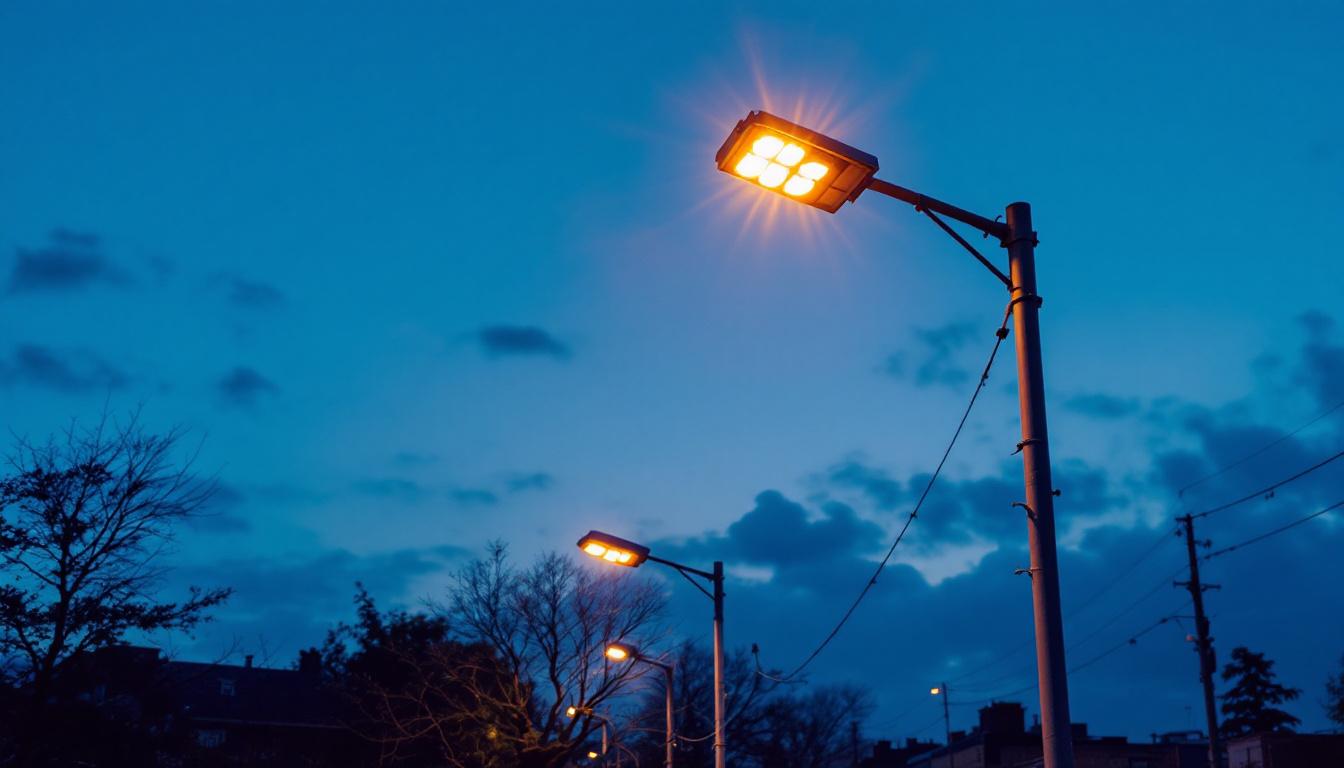
At the top of the post, the luminaire or light fixture houses the light source, optics, and sometimes control electronics. The fixture is mounted securely to the post, often with adjustable brackets to direct light precisely where it is needed. Advances in technology have led to the integration of smart lighting systems, which allow for remote monitoring and control of the lighting. These systems can adjust brightness based on ambient light levels or occupancy, contributing to energy efficiency and reducing operational costs. Furthermore, some fixtures are now equipped with sensors that can detect motion, providing enhanced safety and security in public spaces by illuminating areas only when necessary.
Types of Light Sources Used in Electric Light Posts
Incandescent and Halogen Lamps
Historically, incandescent and halogen lamps were among the first light sources used in street lighting. While these lamps produce a warm light, they are highly inefficient, converting a large portion of energy into heat rather than visible light. Due to their short lifespan and high energy consumption, they have largely been replaced by more advanced technologies.
High-Intensity Discharge (HID) Lamps
HID lamps, including mercury vapor, metal halide, and high-pressure sodium lamps, have been widely used in street lighting for decades. These lamps offer higher efficiency and longer lifespans compared to incandescent lamps. High-pressure sodium lamps, in particular, are known for their distinctive amber glow and excellent energy efficiency, making them popular for roadway lighting.
However, HID lamps have limitations such as long warm-up times and color rendering issues, which have driven the industry toward newer technologies.
Light Emitting Diodes (LEDs)
LED technology has revolutionized electric light posts, offering superior energy efficiency, longevity, and versatility. LEDs consume significantly less power than HID lamps while delivering comparable or better illumination. They also provide instant-on capabilities and excellent color rendering, enhancing visibility and safety.
For lighting contractors, understanding LED specifications—such as lumen output, color temperature, and beam angle—is essential for selecting the right fixtures. LEDs also integrate well with smart lighting controls, enabling adaptive lighting strategies that reduce energy consumption and light pollution.
Electrical Principles Behind Electric Light Posts
Power Supply and Voltage Considerations
Electric light posts typically operate on alternating current (AC) supplied by municipal power grids. The voltage level can vary depending on local infrastructure, commonly ranging from 120 volts in residential areas to 240 volts or higher for commercial and highway lighting.
Lighting contractors must ensure that the wiring and fixtures are rated appropriately for the supplied voltage. Transformers or step-down devices may be necessary to match the voltage requirements of specific light sources.
Current and Power Consumption
Understanding current flow and power consumption is critical for designing efficient lighting systems. Power (measured in watts) is the product of voltage and current. Selecting fixtures with lower wattage but higher lumen output can reduce energy costs and environmental impact.
Contractors should also consider power factor, which affects the efficiency of power usage. Many modern LED drivers include power factor correction to minimize reactive power and improve overall system efficiency.
Wiring and Circuit Protection
Proper wiring practices ensure safe and reliable operation of electric light posts. Conductors must be sized to handle the expected current without overheating, and insulation must be rated for outdoor exposure.
Circuit protection devices such as fuses and circuit breakers safeguard the system against overloads and short circuits. Ground fault protection is also critical to prevent electrical hazards, especially in wet or damp environments.
Optics and Light Distribution
The Role of Optics in Lighting Performance
The optics within a light fixture control how light is distributed over the target area. This includes lenses, reflectors, and diffusers that shape the beam pattern and intensity. Proper optical design ensures uniform illumination, minimizes glare, and reduces light trespass into unwanted areas.
Lighting contractors must select fixtures with optics suited to the application, whether it is broad area lighting for streets or focused lighting for pedestrian pathways.
Photometric Considerations
Photometric data, including candela distribution curves and illuminance levels, guide the placement and aiming of light posts. These measurements help contractors achieve compliance with lighting standards and optimize energy use.
For example, maintaining minimum illuminance levels on roadways enhances driver and pedestrian safety, while controlling light spill helps preserve night sky visibility and reduces disturbance to nearby residents.
Control Systems and Smart Lighting
Basic Control Mechanisms
Traditional electric light posts often use photocells or timers to control operation, turning lights on at dusk and off at dawn. These simple controls help conserve energy but lack flexibility.
Advanced Smart Lighting Technologies
Smart lighting systems incorporate sensors, wireless communication, and adaptive controls to optimize lighting based on real-time conditions. For example, motion sensors can increase brightness when pedestrians or vehicles are detected, then dim the lights during low activity periods.
Lighting contractors involved in smart lighting installations must be familiar with network protocols, sensor integration, and software platforms that enable remote monitoring and management.
Installation Best Practices for Lighting Contractors
Site Assessment and Planning
Successful installation begins with a thorough site assessment, including evaluating existing infrastructure, environmental conditions, and lighting requirements. Contractors should consider factors such as pole spacing, mounting height, and wiring routes to optimize performance and cost-effectiveness.
Safety and Compliance
Adhering to safety standards and electrical codes is paramount. This includes using appropriate personal protective equipment (PPE), following lockout/tagout procedures, and ensuring proper grounding and bonding of electrical components.
Compliance with local regulations, including lighting ordinances and environmental guidelines, helps avoid legal issues and community complaints.
Maintenance and Troubleshooting
Regular maintenance extends the lifespan of electric light posts and maintains optimal lighting quality. Contractors should establish inspection schedules to check for damaged fixtures, corrosion, electrical faults, and lamp performance.
Effective troubleshooting techniques involve testing voltage, current, and continuity, as well as diagnosing control system malfunctions. Keeping detailed records of maintenance activities supports proactive management and client communication.
The Future of Electric Light Posts
Emerging technologies continue to shape the future of electric light posts. Innovations in LED efficiency, energy harvesting, and integrated sensors promise to enhance sustainability and functionality.
For lighting contractors, staying informed about these trends and acquiring new skills in digital lighting systems will be critical for remaining competitive and delivering cutting-edge solutions.
Conclusion
Electric light posts are more than just poles with bulbs; they are complex systems that blend structural engineering, electrical science, optics, and control technologies. For lighting contractors, mastering the science behind these systems is essential for designing, installing, and maintaining lighting that is safe, efficient, and effective.
By understanding the components, electrical principles, light sources, and control mechanisms, contractors can make informed decisions that enhance public safety, reduce energy consumption, and contribute to sustainable urban environments.
Illuminate Your Projects with LumenWholesale
Ready to elevate your lighting installations with the science and expertise you’ve just explored? At LumenWholesale, we provide lighting contractors with the high-quality, specification-grade lighting products you need at unbeatable wholesale prices. Our commitment to cutting out the middleman means you get the best value for your investment, with no inflated markups. With our extensive selection that meets rigorous industry standards, you can ensure every project shines with reliability and high performance. Plus, with the convenience of free shipping on bulk orders, you can stock up on premium lighting solutions without the worry of hidden fees. Make the smart choice for your lighting needs and experience the best in wholesale lighting value with LumenWholesale.