Understanding the Fundamentals of Electric Bulbs
Electric bulbs remain the cornerstone of modern lighting solutions, and for lighting contractors, a deep understanding of their types, functionalities, and applications is essential. Electric bulbs have evolved significantly over the decades, moving from incandescent filaments to advanced LED technologies that offer superior efficiency and longevity.
Lighting contractors must be familiar with the core categories of electric bulbs: incandescent, halogen, fluorescent, compact fluorescent (CFL), and light-emitting diode (LED) bulbs. Each type serves different purposes, and selecting the right bulb depends on factors such as energy consumption, color temperature, lifespan, and the environment in which the bulb will be used.
For example, incandescent bulbs, once the most common, are now largely phased out due to their inefficiency and short lifespan. LEDs, on the other hand, consume up to 80% less energy and last 25 times longer, making them the preferred choice for both residential and commercial projects. Understanding these distinctions helps contractors advise clients accurately and ensures installations meet modern standards.
Key Technical Specifications Lighting Contractors Should Know
When selecting electric bulbs, contractors must pay attention to several technical specifications that influence performance and client satisfaction. Lumens measure the brightness of a bulb, while watts indicate energy consumption. A shift from wattage-based to lumen-based selection ensures energy-efficient lighting without compromising brightness.
Color temperature, measured in Kelvins (K), defines the warmth or coolness of the light emitted. For instance, bulbs with a color temperature around 2700K produce warm, yellowish light ideal for residential spaces, whereas bulbs rated at 5000K or higher emit cooler, bluish light suited for commercial or industrial settings.
Additionally, the Color Rendering Index (CRI) is crucial for environments where color accuracy matters, such as retail or art galleries. A CRI above 80 is generally recommended for most applications, with values above 90 reserved for specialty lighting.
Moreover, the lifespan of a bulb is a significant consideration for contractors and clients alike. While incandescent bulbs may last around 1,000 hours, LED bulbs can provide an impressive lifespan of up to 50,000 hours. This longevity not only reduces replacement frequency but also contributes to lower maintenance costs over time. Contractors should also be aware of the dimming capabilities of various bulbs, as not all LED or CFL bulbs are compatible with dimmer switches. Understanding these nuances can help in designing lighting solutions that are both functional and aesthetically pleasing.
Another important aspect to consider is the environmental impact of different bulb types. For instance, while fluorescent bulbs contain small amounts of mercury, which necessitates careful disposal, LEDs are free from harmful substances and are fully recyclable. This eco-friendliness aligns with the growing trend towards sustainable building practices, making LED bulbs a more attractive option for environmentally conscious clients. By staying informed about these environmental factors, contractors can better guide their clients towards making responsible choices that benefit both their spaces and the planet.
Best Practices for Selecting Electric Bulbs
Choosing the right electric bulb is not merely about brightness or cost; it involves a comprehensive assessment of the project’s requirements, energy efficiency goals, and aesthetic considerations. Lighting contractors should adopt a systematic approach to bulb selection to optimize performance and client satisfaction.
Assessing the Project Environment and Purpose
Before recommending bulbs, contractors should evaluate the environment where lighting will be installed. Factors such as ambient light, room size, ceiling height, and the function of the space guide the choice of bulb type and specifications. For example, retail spaces benefit from high-CRI LEDs to enhance product appearance, while warehouses prioritize durability and energy savings.
Safety and compliance with local electrical codes are also paramount. Certain environments, such as wet or hazardous locations, require bulbs with specific ratings like IP65 or explosion-proof certifications. Contractors must ensure that bulbs meet these standards to avoid safety risks and legal liabilities.
Balancing Energy Efficiency and Cost
Energy efficiency is a critical consideration for both contractors and their clients. LEDs have revolutionized the lighting industry by offering significant energy savings and reduced maintenance costs. However, upfront costs can be higher compared to traditional bulbs, which may deter some clients.
To address this, contractors should present a lifecycle cost analysis that includes initial investment, energy consumption, replacement frequency, and potential rebates or incentives. This approach helps clients understand the long-term financial benefits of energy-efficient bulbs and supports informed decision-making.
Considering Aesthetic and Functional Requirements
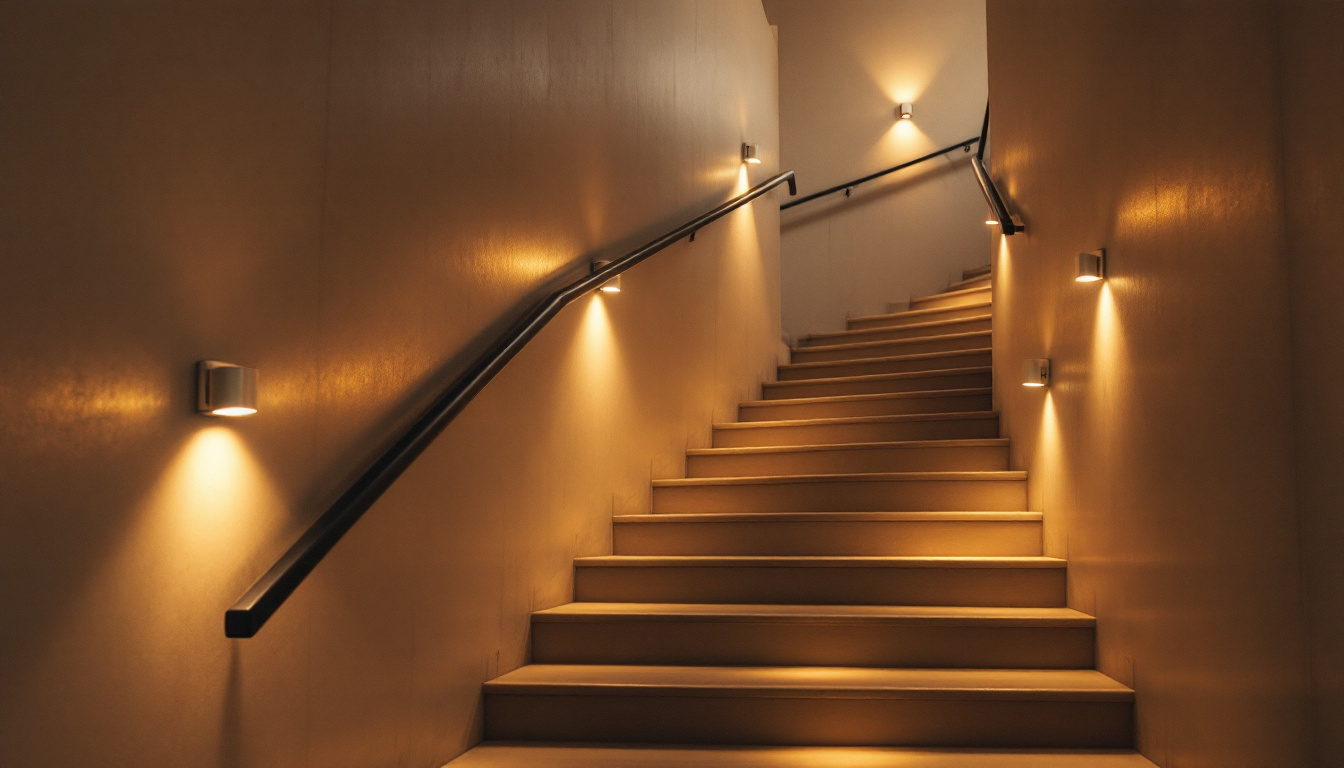
Lighting is not just functional; it also shapes the ambiance and visual appeal of a space. Contractors must consider color temperature, beam angle, and dimming capabilities to meet the aesthetic goals of the project. For instance, adjustable beam angles are valuable in galleries or retail environments where spotlighting is needed.
Dimmable bulbs provide flexibility in lighting control, enhancing comfort and energy savings. However, compatibility with existing dimmer switches must be verified to prevent flickering or damage. Contractors should recommend bulbs that match the client’s lighting control systems or suggest upgrades when necessary.
Installation Best Practices for Electric Bulbs
Proper installation is critical to maximize the performance and safety of electric bulbs. Lighting contractors must adhere to industry standards and manufacturer guidelines to ensure reliable operation and client satisfaction.
Preparing the Installation Site
Before installation, contractors should inspect fixtures, wiring, and sockets for damage or wear. Using bulbs in incompatible or damaged fixtures can lead to premature failure or safety hazards. Cleaning fixtures and ensuring secure connections help maintain optimal bulb performance.
In commercial projects, pre-installation testing of circuits and load capacities prevents overloads and electrical issues. Contractors should also verify that the power supply matches the bulb’s voltage requirements to avoid damage.
Handling and Installing Bulbs Safely
Handling bulbs with care is essential to avoid damage and extend their lifespan. For example, halogen bulbs should not be touched with bare hands, as oils from the skin can cause hot spots and early failure. Using gloves or clean cloths is recommended during installation.
Contractors should ensure bulbs are securely seated in sockets without excessive force. Over-tightening can damage the bulb or fixture, while loose connections may cause flickering or electrical arcing. Following manufacturer torque specifications when available is a best practice.
Testing and Quality Assurance Post-Installation
After installation, thorough testing confirms that bulbs operate correctly and meet project specifications. Contractors should check for consistent brightness, color accuracy, and absence of flickering. In dimmable systems, testing dimming functionality across the full range is essential.
Documenting installation details, including bulb types, locations, and any issues encountered, supports future maintenance and client communication. Providing clients with care instructions and warranty information enhances service quality and trust.
Maintenance and Troubleshooting for Electric Bulbs
Effective maintenance practices extend the life of electric bulbs and ensure consistent lighting quality. Lighting contractors often provide ongoing support, making knowledge of troubleshooting and preventive care invaluable.
Routine Inspection and Cleaning
Regular inspection helps identify bulbs nearing end-of-life or fixtures requiring attention. Dust and debris accumulation can reduce light output and cause overheating, so cleaning fixtures and bulbs periodically is recommended. Using soft, dry cloths or manufacturer-approved cleaning solutions prevents damage.
In environments with high humidity or dust, contractors should recommend sealed fixtures or bulbs with appropriate ingress protection ratings to minimize maintenance needs.
Common Issues and Troubleshooting Techniques
Flickering, dimming issues, or premature bulb failure are common complaints. Flickering may result from loose connections, incompatible dimmers, or voltage fluctuations. Contractors should systematically check wiring, replace incompatible dimmers, and verify power stability.
Premature failures often stem from overheating, vibration, or poor-quality bulbs. Using bulbs rated for the specific fixture and environment mitigates these issues. In cases of frequent failures, contractors should assess fixture compatibility and electrical load to identify underlying problems.
Upgrading and Retrofitting Lighting Systems
As technology advances, upgrading existing lighting systems can improve efficiency and aesthetics. Contractors should evaluate the feasibility of retrofitting older fixtures with LED bulbs or integrated LED modules. Retrofitting often reduces installation time and costs compared to full fixture replacements.
When retrofitting, contractors must ensure that new bulbs are compatible with existing controls and that thermal management is adequate to prevent overheating. Offering clients upgrade options aligned with sustainability goals can enhance business opportunities and client satisfaction.
Staying Current with Industry Trends and Regulations
The lighting industry is dynamic, with continual advancements in technology, evolving energy codes, and growing emphasis on sustainability. Lighting contractors must stay informed to maintain competitive advantage and ensure compliance.
Emerging Technologies and Innovations
Smart lighting systems, incorporating wireless controls and sensors, are becoming increasingly prevalent. These systems enable energy savings through occupancy sensing, daylight harvesting, and remote management. Contractors should familiarize themselves with these technologies to offer integrated solutions that meet modern client expectations.
Advances in LED technology continue to improve color quality, efficiency, and form factors. Organic LEDs (OLEDs) and tunable white lighting are gaining traction for specialized applications, providing new opportunities for innovative lighting designs.
Compliance with Energy Codes and Environmental Standards
Energy codes such as the International Energy Conservation Code (IECC) and standards from organizations like the U.S. Department of Energy influence lighting practices. Contractors must ensure that installations comply with these requirements, which often mandate minimum efficiency levels and control strategies.
Environmental considerations, including proper disposal and recycling of bulbs, are increasingly important. Fluorescent and CFL bulbs contain mercury and require special handling. Contractors should educate clients on responsible disposal and partner with certified recycling programs.
Continuing Education and Professional Development
Ongoing training through workshops, certifications, and industry events helps contractors stay abreast of best practices and emerging trends. Organizations such as the National Association of Electrical Contractors (NECA) and the Illuminating Engineering Society (IES) offer valuable resources and networking opportunities.
Investing in professional development not only enhances technical skills but also builds credibility with clients, fostering long-term business growth.
Conclusion
For lighting contractors, mastery of electric bulb selection, installation, maintenance, and industry knowledge is fundamental to delivering high-quality lighting solutions. By understanding technical specifications, applying best practices, and staying current with innovations and regulations, contractors can optimize lighting performance, enhance client satisfaction, and contribute to sustainable energy use.
Adopting a comprehensive, informed approach to electric bulbs positions lighting contractors as trusted experts in a competitive market, enabling them to meet the evolving demands of residential, commercial, and industrial clients effectively.
Illuminate Your Projects with LumenWholesale
Ready to elevate your lighting game? At LumenWholesale, we provide lighting contractors like you with the highest quality, spec-grade electric bulbs at prices that can’t be beaten. Say goodbye to local distributor markups and hello to our extensive selection that meets rigorous industry standards. With free shipping on bulk orders, you can stock up on premium lighting solutions and enjoy the best value without any hidden costs. Make the smart choice for your lighting needs and experience Wholesale Lighting at the Best Value today.