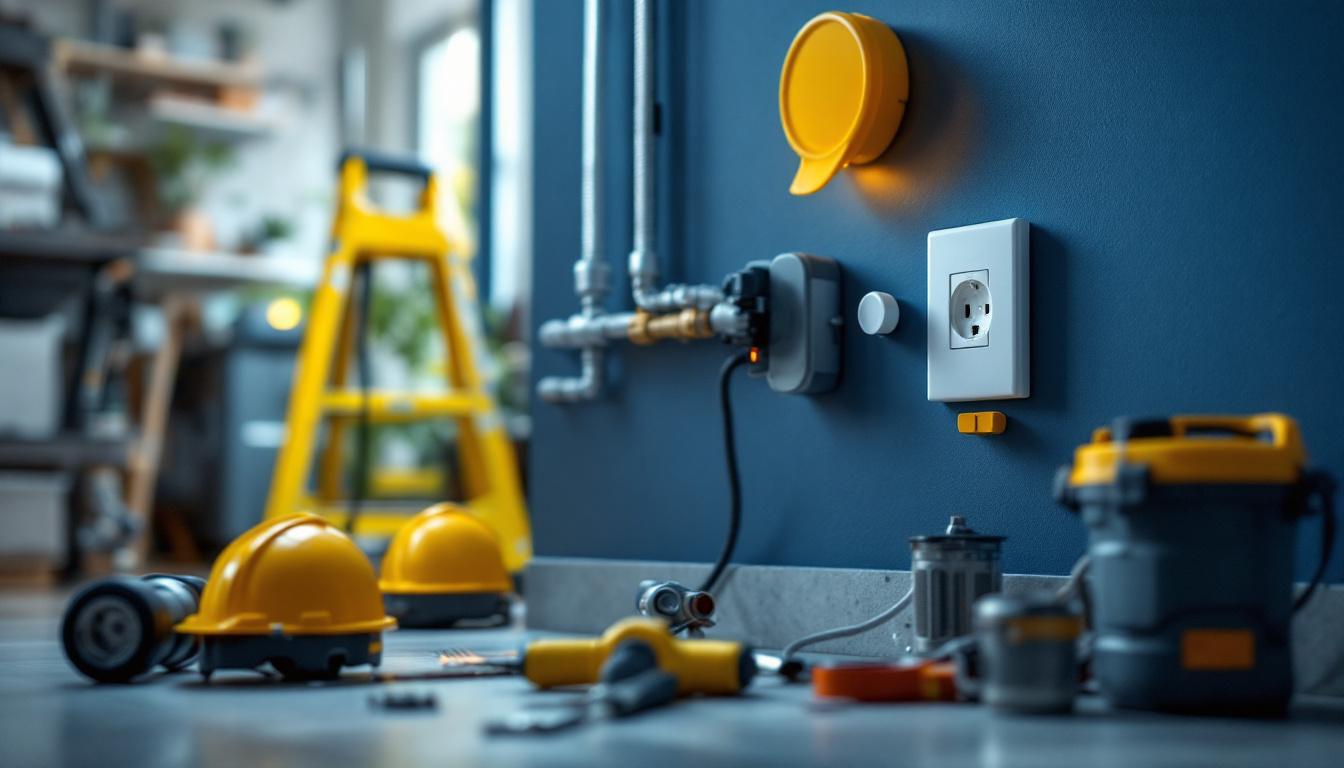
Understanding Dryer Socket Requirements: A Foundation for Lighting Contractors
For lighting contractors, expanding expertise beyond traditional lighting fixtures to include dryer socket installations can enhance service offerings and client satisfaction. However, dryer sockets differ significantly from standard electrical outlets, both in design and regulatory requirements. Comprehending these distinctions is essential to ensure compliance, safety, and functionality.
Dryer sockets are specialized electrical receptacles designed to supply power to electric dryers, which typically require higher voltage and amperage than standard household outlets. Unlike typical 120-volt outlets, dryer sockets often operate at 240 volts and demand dedicated circuits capable of handling substantial electrical loads. This necessitates adherence to specific wiring, grounding, and installation standards outlined in the National Electrical Code (NEC) and local regulations.
Lighting contractors venturing into dryer socket installations must familiarize themselves with these technical specifications and compliance mandates to avoid costly mistakes and potential hazards. Additionally, understanding the different types of dryer sockets, such as NEMA configurations, is crucial. For instance, the NEMA 14-30 configuration is commonly used for residential dryers, while the NEMA 10-30 is found in older installations. Each type has specific pin arrangements and ratings that dictate compatibility with various dryer models, making it imperative for contractors to assess the existing equipment and ensure the correct socket type is installed.
Moreover, contractors should also consider the physical location of the dryer socket. Proper placement is vital not only for functionality but also for safety. The socket should be installed in a location that allows for easy access to the dryer plug while minimizing the risk of tripping hazards or damage from water exposure, particularly in laundry rooms. Furthermore, it’s essential to educate clients about the importance of using the correct gauge wiring and circuit breakers to prevent overheating and potential fire hazards. By addressing these factors, lighting contractors can provide a comprehensive service that prioritizes safety and efficiency, ultimately leading to higher customer satisfaction and trust.
Key Compliance Standards for Dryer Socket Installations
National Electrical Code (NEC) Guidelines
The NEC serves as the primary reference for electrical installations in residential and commercial settings across the United States. For dryer sockets, the NEC mandates dedicated circuits, proper wiring gauge, and specific receptacle types to accommodate the load requirements of electric dryers.
Article 210.11(C)(2) of the NEC requires a dedicated 30-ampere branch circuit for electric clothes dryers. This circuit must be independent of other outlets or lighting circuits to prevent overloads. Additionally, Article 400 outlines the correct use of flexible cords and cables, which is relevant when connecting dryers to sockets.
Adhering to these guidelines ensures that installations meet safety standards, reducing the risk of electrical fires and equipment damage. The NEC also emphasizes the importance of using appropriate wire types, such as THHN or THWN, which are rated for higher temperatures and can withstand the heat generated by electric dryers during operation. This attention to detail not only enhances safety but also improves the longevity of the electrical system.
Local Codes and Amendments
While the NEC provides a national framework, local jurisdictions may impose additional requirements or amendments. Lighting contractors should consult local building departments or electrical inspectors to verify any supplementary rules that could impact dryer socket installations.
For example, some municipalities may require specific grounding techniques or mandate the use of tamper-resistant receptacles in certain residential settings. Staying informed about these local nuances is crucial for full compliance and to avoid inspection failures. Moreover, local codes may also dictate the placement of dryer outlets, ensuring they are accessible and positioned to minimize the risk of tripping hazards. Understanding these local amendments can help contractors deliver safer and more efficient installations that cater to the unique needs of each community.
Technical Considerations for Lighting Contractors
Voltage and Amperage Specifications
Electric dryers typically operate on 240 volts, drawing up to 30 amps. This contrasts with standard lighting circuits, which generally run on 120 volts and lower amperage. Consequently, the wiring and circuit breakers used for dryer sockets must accommodate this higher electrical demand.
Contractors must select appropriately rated circuit breakers—typically double-pole 30-amp breakers—and use wiring such as 10-gauge copper conductors to ensure safe operation. Undersized wiring or breakers can lead to overheating and pose serious safety risks. Additionally, it is crucial to consider the length of the wire run; longer distances may require larger gauge wire to prevent voltage drop, which can affect the efficiency and performance of the dryer.
Socket Types and Configurations
Dryer sockets come in various configurations, primarily distinguished by the number of prongs and grounding methods. The two most common types are the four-prong and three-prong receptacles.
The four-prong socket includes two hot wires, a neutral, and a ground wire, reflecting modern safety standards that separate neutral and ground paths. The three-prong socket combines neutral and ground, an older configuration still found in some existing installations but generally discouraged in new construction. It is essential for contractors to be aware of local electrical codes and regulations, as they may dictate specific requirements for socket types and grounding methods, ensuring installations meet safety standards.
Lighting contractors must identify the correct socket type required for the installation and ensure compatibility with the dryer’s plug. Installing the wrong socket type can lead to improper grounding and increased shock hazards. Furthermore, contractors should educate homeowners on the importance of regular maintenance checks for their dryer connections, as wear and tear can compromise the integrity of the electrical system over time. Regular inspections can help identify potential issues before they escalate into dangerous situations, thereby promoting a safer home environment.
Installation Best Practices for Dryer Sockets
Site Assessment and Planning
Before installation, a thorough assessment of the site’s electrical capacity and layout is essential. Contractors should verify that the electrical panel can accommodate the additional 30-amp circuit without overloading existing circuits. This involves checking the amperage rating of the main service panel and ensuring that there is enough capacity for the new circuit, as well as considering the total load of all appliances connected to the panel.
Planning the route for wiring should consider accessibility, protection from physical damage, and compliance with conduit or cable support requirements. Proper planning minimizes rework and ensures a neat, code-compliant installation. It is also advisable to assess the proximity of the dryer to the electrical panel and the dryer vent to avoid long runs that could complicate installation and reduce efficiency. Furthermore, evaluating the potential for future upgrades or additional appliances can inform the placement of outlets and circuits, allowing for more flexibility down the line.
Grounding and Bonding
Proper grounding is a critical safety measure in dryer socket installations. The NEC requires that the dryer circuit be grounded separately from the neutral conductor to prevent electrical shock and equipment damage. This is particularly important in areas where moisture may be present, such as laundry rooms, as it helps mitigate the risk of electrical hazards.
Contractors should install grounding conductors in accordance with NEC Article 250, ensuring connections are secure and corrosion-resistant. Using grounding clamps and verifying continuity with testing equipment helps confirm a safe installation. Additionally, it is beneficial to educate homeowners on the importance of maintaining these grounding systems, as any corrosion or disconnection over time can lead to increased risks. Regular inspections and maintenance can ensure that the grounding remains effective throughout the lifespan of the dryer.
Testing and Verification
After installation, comprehensive testing is vital to verify correct voltage, polarity, and grounding. Using a receptacle tester designed for 240-volt outlets can quickly identify wiring errors such as reversed hot wires or missing grounds. These tests not only confirm the safety of the installation but also help ensure that the dryer will operate efficiently, reducing the likelihood of future issues.
Additionally, measuring voltage under load conditions and confirming circuit breaker operation ensures the system functions reliably. Documenting test results supports compliance verification and provides valuable records for future maintenance. It is also recommended to perform a load test by running the dryer for a short period to observe its performance and ensure that the circuit can handle the operational demands without tripping the breaker. This proactive approach not only enhances safety but also contributes to the longevity of the appliance and the electrical system as a whole.
Common Challenges and How to Overcome Them
Dealing with Older Electrical Systems
Many residential properties still feature older electrical systems with three-prong dryer outlets or insufficient circuit capacity. Upgrading these systems to meet current standards can present challenges, including limited panel space or outdated wiring.
Lighting contractors should evaluate the feasibility of panel upgrades or subpanel installations to accommodate new dryer circuits safely. In some cases, consulting with a licensed electrician specializing in residential upgrades may be necessary to ensure compliance and safety.
Ensuring Client Awareness and Expectations
Clients may not fully understand the complexities and requirements of dryer socket installations. Lighting contractors play a key role in educating clients about the importance of compliance, potential costs of upgrades, and safety benefits.
Providing clear explanations and written estimates that outline the scope of work helps manage expectations and fosters trust. Additionally, highlighting the risks of non-compliance, such as fire hazards or insurance issues, underscores the value of professional installation.
Enhancing Service Offerings: Integrating Dryer Socket Expertise
For lighting contractors, mastering dryer socket compliance and installation can open new business opportunities. Offering comprehensive electrical services that include dryer socket installations positions contractors as versatile professionals capable of addressing diverse client needs.
Investing in ongoing education, such as NEC code updates and specialized training, ensures contractors remain current with evolving standards. Building partnerships with electrical suppliers and leveraging technology for efficient installations further enhances service quality.
Ultimately, integrating dryer socket expertise not only broadens a contractor’s skill set but also contributes to safer, code-compliant residential environments.
Conclusion: Prioritizing Compliance and Safety in Dryer Socket Installations
Dryer socket installations demand a thorough understanding of electrical codes, technical specifications, and best practices. For lighting contractors, acquiring this knowledge is essential to deliver safe, compliant, and reliable services that meet client expectations and regulatory requirements.
By adhering to NEC guidelines, respecting local amendments, and applying meticulous installation techniques, contractors can mitigate risks and enhance their professional reputation. Embracing these responsibilities ultimately contributes to safer homes and satisfied customers, reinforcing the critical role of lighting contractors in the broader electrical industry.
Upgrade Your Installations with LumenWholesale
Ready to take your dryer socket installations to the next level? At LumenWholesale, we provide lighting contractors with the highest quality, spec-grade lighting products at prices that can’t be beaten. Say goodbye to the middleman and hello to superior products at wholesale rates. Our selection is designed to meet the most rigorous industry standards, ensuring every installation is safe, compliant, and efficient. Plus, with free shipping on bulk orders, you can stock up on everything you need without worrying about extra costs. Elevate your service offerings and delight your clients with the unbeatable value and convenience of Wholesale Lighting at the Best Value from LumenWholesale.