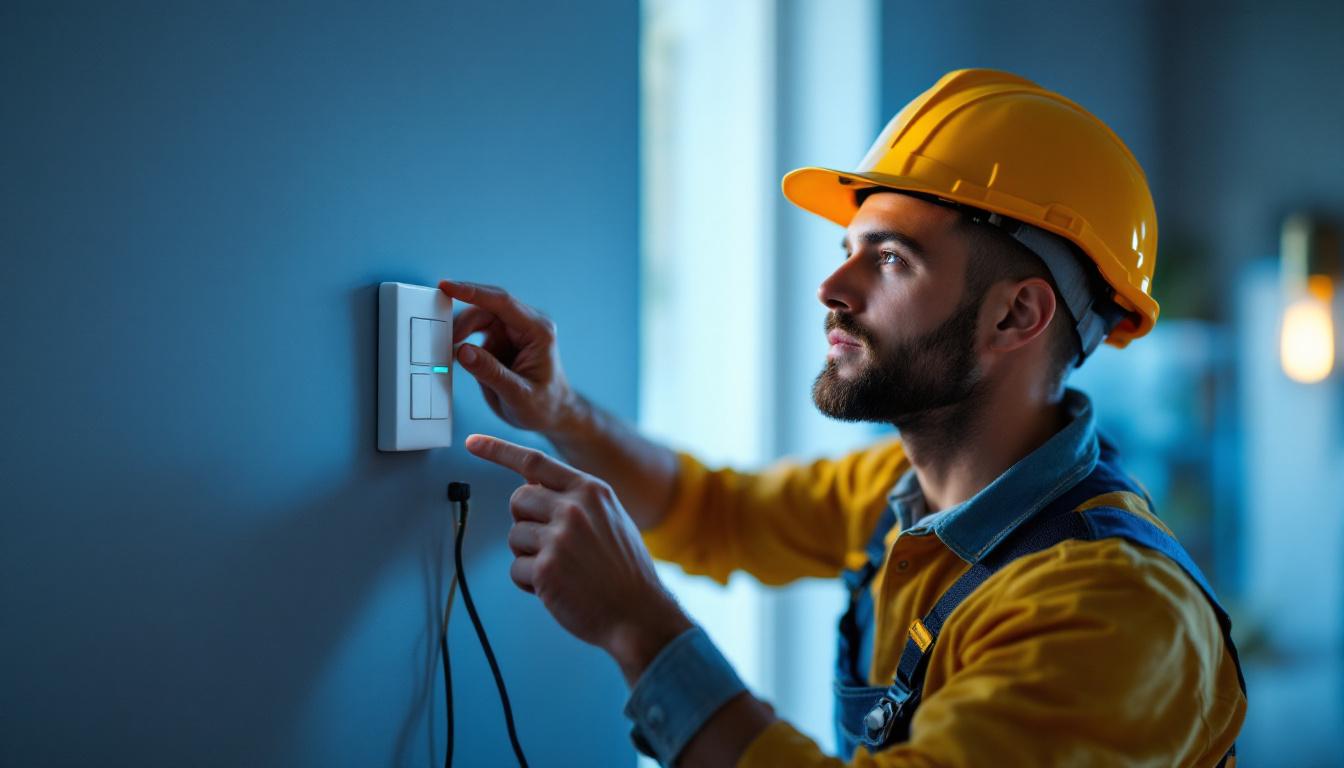
Understanding Digital Light Switch Timers and Their Benefits
Digital light switch timers have revolutionized how lighting systems are controlled in residential, commercial, and industrial settings. For lighting contractors, mastering these devices is essential to delivering efficient, reliable, and user-friendly lighting solutions. Unlike traditional mechanical timers, digital timers offer precision, flexibility, and integration capabilities that meet the demands of modern lighting control.
These timers allow users to program lighting schedules with exact start and stop times, multiple on/off cycles, and even randomization features to simulate occupancy. This level of control not only enhances convenience but also significantly contributes to energy savings and security. For contractors, understanding the technical specifications and installation nuances of these devices can set them apart in a competitive market.
Key Advantages for Lighting Contractors
One of the primary benefits for contractors is the ease of installation and programming that many digital light switch timers offer. This reduces onsite labor time and minimizes the potential for user error during setup. Furthermore, digital timers often come with diagnostic features that help troubleshoot issues quickly, which is invaluable during maintenance visits.
From a client perspective, these timers improve energy efficiency by ensuring lights are only on when needed. This is particularly important in commercial environments where lighting can account for a significant portion of electricity costs. By recommending and installing digital timers, contractors can help clients reduce utility bills and meet sustainability goals.
Moreover, the versatility of digital light switch timers extends beyond simple scheduling. Many models now integrate with smart home systems, allowing users to control their lighting remotely via smartphones or voice-activated assistants. This feature not only enhances user experience but also aligns with the growing trend of smart technology in homes and businesses. As more clients seek to modernize their spaces, contractors who are knowledgeable about these integrations can provide added value and differentiate themselves from competitors.
Additionally, digital timers can be equipped with advanced features such as daylight sensors, which adjust lighting based on natural light availability, further optimizing energy use. This capability is particularly beneficial in environments with varying light conditions throughout the day, ensuring that artificial lighting is only utilized when necessary. By leveraging these advanced functionalities, contractors can offer tailored solutions that meet the specific needs of their clients, fostering long-term relationships and repeat business.
Choosing the Right Digital Light Switch Timer for Your Projects
With a wide variety of digital light switch timers available, selecting the right one requires careful consideration of project requirements, client preferences, and technical compatibility. Lighting contractors should evaluate key features such as programming flexibility, load capacity, compatibility with different lighting types, and integration with smart home or building automation systems.
Assessing Load and Voltage Requirements
It is crucial to verify that the timer can handle the electrical load and voltage of the lighting circuits it will control. Many digital timers support loads ranging from low wattage LED fixtures to high wattage fluorescent or incandescent lamps. Overloading a timer can lead to premature failure or safety hazards, so matching specifications is non-negotiable.
Additionally, some timers are designed specifically for single-phase or three-phase power systems. Understanding the electrical infrastructure of the installation site ensures the correct timer model is selected, preventing costly replacements or rewiring. Furthermore, it is important to consider the environment in which the timer will be installed. For example, timers used in outdoor settings may need to be weather-resistant or designed to operate in extreme temperatures, adding another layer of complexity to the selection process.
Programming Features and User Interface
Contractors should prioritize timers with intuitive programming interfaces. Devices with clear LCD screens, straightforward button layouts, and user-friendly menus reduce the learning curve for both installers and end-users. Some timers offer smartphone app integration, allowing remote programming and monitoring, which can be a significant selling point.
Advanced features such as multiple on/off settings per day, holiday modes, and randomization functions add value by enhancing flexibility and security. When discussing options with clients, contractors can tailor recommendations based on the client’s lifestyle or business hours. Moreover, the ability to schedule lights to mimic occupancy can be particularly beneficial for enhancing security in residential or commercial properties, deterring potential intruders by creating the illusion of activity. Additionally, timers that offer energy monitoring features can provide clients with insights into their energy consumption, helping them make informed decisions about their lighting usage and potentially leading to cost savings on their utility bills.
Installation Best Practices for Digital Light Switch Timers
Proper installation is critical to ensure the longevity and functionality of digital light switch timers. Lighting contractors should follow manufacturer guidelines meticulously while also applying industry best practices to deliver optimal results.
Pre-Installation Planning and Safety Considerations
Before installation, contractors should conduct a thorough site assessment to confirm wiring compatibility and identify any potential issues such as insufficient neutral wires or incompatible switch boxes. Ensuring that the electrical panel and circuit breakers are appropriately rated is also essential for safety and compliance.
Adhering to local electrical codes and standards is mandatory. Contractors should always de-energize circuits before working and use proper personal protective equipment. Documenting the existing wiring setup with photos or diagrams can aid in troubleshooting and future maintenance.
Wiring and Mounting Techniques
When wiring digital timers, it is important to connect the load, line, neutral, and ground wires correctly according to the device’s wiring diagram. Incorrect wiring can cause malfunction or damage. Using wire connectors rated for the specific wire gauge and environment enhances connection reliability.
Mounting the timer securely within the switch box prevents mechanical stress on the wiring and ensures a professional finish. For timers with external sensors or antennas, positioning these components to avoid interference and maximize signal strength is advisable.
Programming and Testing for Optimal Performance
After installation, programming the timer accurately and testing its operation are crucial steps that impact user satisfaction and system efficiency. Lighting contractors should allocate sufficient time to configure settings according to client needs and verify functionality under various conditions.
Step-by-Step Programming Guidance
Begin by setting the current date and time to ensure all scheduled events occur as intended. Next, input the desired on/off cycles, taking into account daily routines or business hours. For clients seeking enhanced security, enabling random or vacation modes can simulate occupancy.
Some digital timers allow for multiple programs or profiles, which can be useful in multi-use spaces or for seasonal adjustments. Contractors should explain these options clearly to clients and provide written instructions or demonstrations to facilitate ease of use.
Testing and Troubleshooting
Once programmed, test the timer by manually advancing the clock or simulating scheduled events to confirm correct operation. Check that the load switches on and off without flicker or delay. If issues arise, verify wiring connections and programming settings before consulting the manufacturer’s troubleshooting guide.
Providing clients with contact information for support and offering follow-up visits can enhance trust and ensure long-term satisfaction with the installation.
Integrating Digital Light Switch Timers with Smart Lighting Systems
As smart home and building automation technologies become more prevalent, lighting contractors have opportunities to expand their service offerings by integrating digital light switch timers with broader control ecosystems. This integration can enhance convenience, energy management, and scalability.
Compatibility and Communication Protocols
Many modern digital timers support communication protocols such as Zigbee, Z-Wave, or Wi-Fi, enabling them to connect with smart hubs and voice assistants. Contractors should verify compatibility with the client’s existing or planned smart systems to ensure seamless integration.
Choosing timers that support firmware updates can future-proof installations, allowing new features and security patches to be applied without hardware replacement.
Benefits of Integrated Systems
Integrated lighting control systems allow centralized management of multiple devices, scene setting, and energy monitoring. For commercial clients, this can translate to operational efficiencies and reduced maintenance costs. Residential clients benefit from enhanced comfort and security.
Lighting contractors who offer expertise in these integrated solutions position themselves as valuable partners in their clients’ technology ecosystems, opening avenues for ongoing service contracts and upgrades.
Maintenance and Troubleshooting Tips for Lighting Contractors
Providing maintenance services for digital light switch timers helps contractors build lasting client relationships and ensures system reliability. Understanding common issues and their remedies is essential for efficient service calls.
Routine Maintenance Practices
Regularly inspecting timers for signs of wear, loose connections, or environmental damage can prevent unexpected failures. Cleaning the device and surrounding switch box to remove dust and debris maintains optimal performance.
Encouraging clients to periodically review and update programming settings ensures the timer continues to meet evolving needs, especially in dynamic commercial environments.
Common Issues and Solutions
Frequent issues include timers not switching at programmed times, flickering lights, or unresponsive controls. These problems often stem from incorrect wiring, power surges, or outdated firmware. Rechecking wiring connections, resetting the device, or performing firmware updates can resolve many issues.
In cases of hardware failure, replacing the timer with a compatible model is often the most practical solution. Keeping a stock of popular timer models can expedite repairs and reduce downtime for clients.
Conclusion: Elevating Your Lighting Contracting Business with Digital Light Switch Timers
Digital light switch timers offer lighting contractors a powerful tool to enhance their service offerings, improve client satisfaction, and contribute to energy-efficient lighting solutions. By selecting the right devices, adhering to best installation and programming practices, and embracing integration with smart systems, contractors can differentiate themselves in a competitive market.
Ongoing education about emerging technologies and commitment to quality workmanship will ensure that lighting contractors remain trusted experts in their field, capable of delivering innovative and reliable lighting control solutions.
Get the Best in Lighting with LumenWholesale
Ready to elevate your lighting projects with the most efficient digital light switch timers on the market? Look no further than LumenWholesale, where we provide contractors like you with the highest quality, spec-grade lighting products at prices that can’t be beaten. Say goodbye to unnecessary markups and hello to a vast selection of reliable, high-performance lighting essentials. Plus, with free shipping on bulk orders, you can stock up on what you need without the worry of hidden fees. Don’t compromise on quality or value; choose LumenWholesale for a seamless blend of excellence and affordability. Wholesale Lighting at the Best Value is just a click away.