Understanding Detachable Ceiling Lights: An Overview for Lighting Contractors
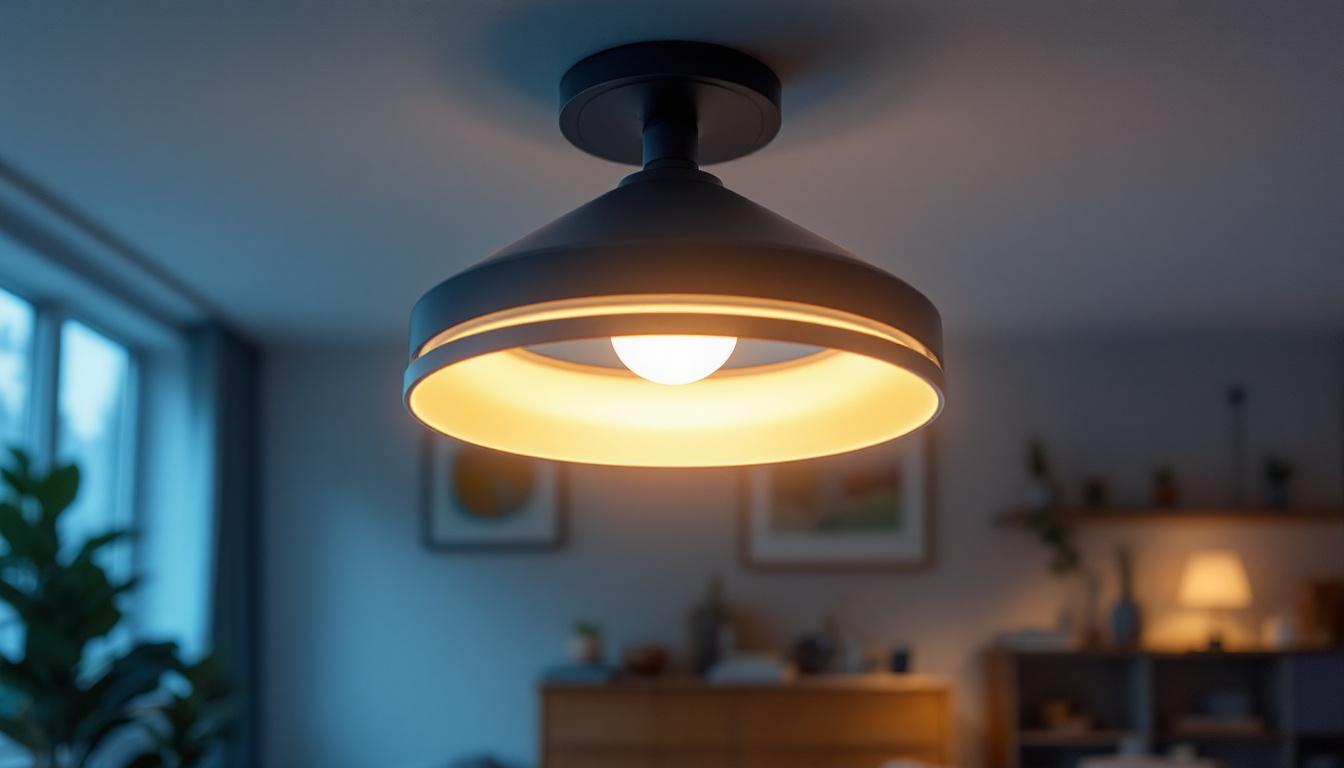
Detachable ceiling lights have become an increasingly popular choice in both residential and commercial lighting projects. Their modular design offers flexibility, ease of maintenance, and adaptability to various interior styles. For lighting contractors, understanding the nuances of these fixtures is essential to delivering optimal lighting solutions that meet client expectations and comply with safety standards.
At its core, a detachable ceiling light refers to a fixture designed with components that can be easily separated, allowing for straightforward installation, repair, or replacement. This feature is particularly advantageous in environments where lighting needs may evolve or where accessibility is limited. For instance, in commercial spaces such as offices or retail environments, the ability to swap out light modules quickly can minimize downtime and disruption, ensuring that businesses maintain a well-lit and inviting atmosphere for customers and employees alike.
As lighting technology advances, detachable ceiling lights now incorporate a wide range of functionalities—from energy-efficient LED modules to smart controls—making them a versatile option for contractors aiming to provide modern, sustainable lighting solutions. The integration of smart technology allows for features such as dimming, color temperature adjustment, and even remote control via smartphone applications. This not only enhances user experience but also contributes to energy savings, as users can tailor their lighting to suit specific tasks or moods, further emphasizing the importance of understanding these systems for contractors.
Moreover, the aesthetic appeal of detachable ceiling lights cannot be overlooked. With a variety of designs available, from sleek and minimalist to more ornate styles, contractors can offer clients customized lighting solutions that complement their interior decor. This adaptability is crucial in today’s design landscape, where clients often seek unique and personalized touches in their spaces. Additionally, many manufacturers are now focusing on sustainable materials and production methods, allowing contractors to promote eco-friendly options that align with the growing consumer demand for environmentally responsible products.
Key Benefits of Detachable Ceiling Lights for Contractors and Clients
Ease of Installation and Maintenance
One of the primary advantages of detachable ceiling lights is the streamlined installation process. Unlike traditional fixed fixtures, these lights allow contractors to mount the base or housing separately from the light source or diffuser. This modularity reduces installation time and minimizes the risk of damage during handling.
Maintenance is also simplified. When a component such as a bulb, driver, or diffuser requires replacement, contractors can quickly detach and service the specific part without dismantling the entire fixture. This reduces downtime and labor costs, which is a significant selling point for clients, especially in commercial or industrial settings. Furthermore, the ease of maintenance encourages regular upkeep, which can enhance the longevity of the lighting system and ensure consistent performance over time. This proactive approach not only saves money but also contributes to a safer and more efficient working environment.
Flexibility and Customization
Detachable ceiling lights offer unparalleled flexibility in terms of design and functionality. Contractors can select from various interchangeable components—such as different light modules, color temperatures, and diffusers—to tailor lighting solutions to the specific needs of a space.
This adaptability is particularly valuable in environments like offices, retail stores, and hospitality venues, where lighting requirements may change based on layout adjustments or seasonal needs. The ability to swap out components without replacing the entire fixture supports sustainable practices by reducing waste. Moreover, this customization can enhance the aesthetic appeal of a space, allowing designers to create unique atmospheres that align with branding or thematic elements. For instance, a restaurant might choose warmer tones for a cozy dining experience, while a modern office could opt for cooler, brighter lights to promote productivity.
Enhanced Safety and Compliance
From a safety perspective, detachable ceiling lights often incorporate features that facilitate compliance with electrical codes and standards. For example, many models include quick-disconnect connectors that ensure secure electrical connections while simplifying wiring tasks.
Additionally, the modular design allows contractors to install fixtures in challenging locations—such as high ceilings or confined spaces—more safely, as components can be handled separately and more easily. This feature not only reduces the risk of accidents during installation but also makes it simpler to perform inspections and upgrades. Furthermore, many detachable ceiling lights are designed with energy efficiency in mind, often utilizing LED technology that not only complies with energy regulations but also contributes to lower utility bills for clients. This combination of safety, compliance, and energy efficiency makes these lighting solutions an attractive option for both contractors and clients seeking to optimize their spaces.
Critical Factors to Consider When Choosing Detachable Ceiling Lights
Compatibility with Existing Infrastructure
Before selecting detachable ceiling lights, contractors must assess the existing electrical and structural infrastructure. Compatibility with ceiling types—whether drywall, drop ceilings, or concrete—is crucial to ensure a secure and aesthetically pleasing installation.
Electrical compatibility is equally important. The chosen fixtures should match the voltage and wiring configurations of the building to prevent issues such as flickering or power inefficiencies. Additionally, verifying that the light’s driver or transformer is compatible with dimming systems or smart controls already in place can enhance client satisfaction.
Light Quality and Performance Metrics
Lighting contractors should prioritize fixtures that deliver high-quality illumination. Key performance metrics include:
- Luminous Efficacy: Measured in lumens per watt (lm/W), this indicates the efficiency of the light source. Higher efficacy means more light output for less energy consumption.
- Color Rendering Index (CRI): A CRI above 80 is generally recommended for most applications, with values above 90 preferred for retail or art spaces where color accuracy is critical.
- Color Temperature: Measured in Kelvins (K), the choice between warm, neutral, or cool white light impacts ambiance and functionality. For example, warm white (2700K–3000K) is often used in hospitality, while cool white (4000K–5000K) suits office environments.
Contractors should also consider beam angle and glare control features to ensure the lighting enhances the space without causing discomfort.
Durability and Build Quality
Given the investment clients make in lighting, durability is a key consideration. Detachable ceiling lights constructed from high-quality materials—such as anodized aluminum housings and impact-resistant diffusers—tend to offer longer service life and better resistance to environmental factors like humidity and temperature fluctuations.
Furthermore, fixtures with appropriate ingress protection (IP) ratings are essential for areas exposed to moisture, such as bathrooms or kitchens. For example, an IP44 rating or higher is advisable in these contexts to prevent damage and ensure safety.
Energy Efficiency and Sustainability
Energy efficiency is a critical factor not only for reducing operating costs but also for meeting increasingly stringent environmental regulations. Lighting contractors should prioritize LED-based detachable ceiling lights, which offer significant energy savings compared to traditional incandescent or fluorescent fixtures.
Additionally, selecting fixtures with certifications such as ENERGY STAR or DesignLights Consortium (DLC) approval can assure clients of the product’s efficiency and quality. Incorporating controls like occupancy sensors or daylight harvesting systems further optimizes energy use.
Installation Best Practices for Detachable Ceiling Lights
Pre-Installation Assessment
Before beginning installation, contractors should conduct a thorough site assessment. This includes verifying ceiling conditions, measuring mounting points, and confirming electrical supply specifications. Documentation of these factors helps prevent unexpected challenges during installation.
Additionally, reviewing the manufacturer’s installation instructions and ensuring all necessary tools and components are on hand can streamline the process and reduce errors.
Safe Handling and Mounting Techniques
Handling detachable ceiling lights requires care to avoid damage to delicate components such as LED modules or diffusers. Contractors should use appropriate protective gear and avoid applying excessive force when detaching or attaching parts.
Mounting should be secure and level, using anchors or brackets suitable for the ceiling material. Electrical connections must be made following local codes, ensuring proper grounding and insulation to prevent hazards.
Testing and Quality Assurance
After installation, comprehensive testing is essential. This includes verifying electrical continuity, checking for flicker-free operation, and confirming that the light output meets design specifications.
Contractors should also inspect the fixture alignment and diffuser placement to ensure uniform illumination and aesthetic appeal. Providing clients with documentation on maintenance procedures and warranty information adds value and fosters trust.
Emerging Trends and Technologies in Detachable Ceiling Lighting
Smart Lighting Integration
The integration of smart technology into detachable ceiling lights is transforming the lighting landscape. Features such as wireless control, color tuning, and automated scheduling enable contractors to offer clients highly customizable lighting experiences.
Smart fixtures often support protocols like Zigbee, Bluetooth Mesh, or Wi-Fi, allowing seamless integration with building management systems or voice assistants. This trend aligns with growing demand for energy-efficient, user-centric lighting solutions.
Human-Centric Lighting (HCL)
Human-centric lighting focuses on enhancing occupant well-being by mimicking natural light patterns. Detachable ceiling lights equipped with tunable white LEDs can adjust color temperature and intensity throughout the day, supporting circadian rhythms and improving productivity and comfort.
For contractors, offering HCL solutions can differentiate their services and meet the needs of clients prioritizing health and wellness in their environments.
Modular and Scalable Designs
Manufacturers are increasingly designing detachable ceiling lights with modularity in mind, allowing contractors to scale lighting installations easily. This approach supports phased project rollouts and future upgrades without significant disruption or cost.
Such designs often feature snap-in components, standardized connectors, and universal mounting systems, simplifying inventory management and installation logistics for contractors.
Conclusion: Making Informed Choices for Optimal Lighting Outcomes
For lighting contractors, selecting the right detachable ceiling lights involves balancing technical specifications, client requirements, installation considerations, and emerging trends. By focusing on compatibility, light quality, durability, and energy efficiency, contractors can deliver lighting solutions that are not only functional and attractive but also sustainable and future-proof.
Staying informed about advancements in smart lighting and human-centric design further enhances the contractor’s ability to meet evolving market demands. Ultimately, a well-chosen detachable ceiling light fixture contributes significantly to the success of any lighting project, ensuring client satisfaction and long-term value.
Discover Unmatched Quality and Value with LumenWholesale
Ready to elevate your lighting projects with the best detachable ceiling lights on the market? Look no further than LumenWholesale. Our commitment to providing contractors with superior, spec-grade lighting solutions at wholesale prices ensures that you can meet and exceed your clients’ expectations. With an extensive selection that meets rigorous industry standards, you can trust in the reliability and performance of our lighting products. Plus, with the convenience of free shipping on bulk orders, you can secure premium lighting solutions at the best value, without any hidden fees. Make the smart choice for your lighting needs and experience the ideal combination of quality, affordability, and convenience. Visit LumenWholesale today for Wholesale Lighting at the Best Value.