Understanding the Unique Lighting Needs of Dance Studios
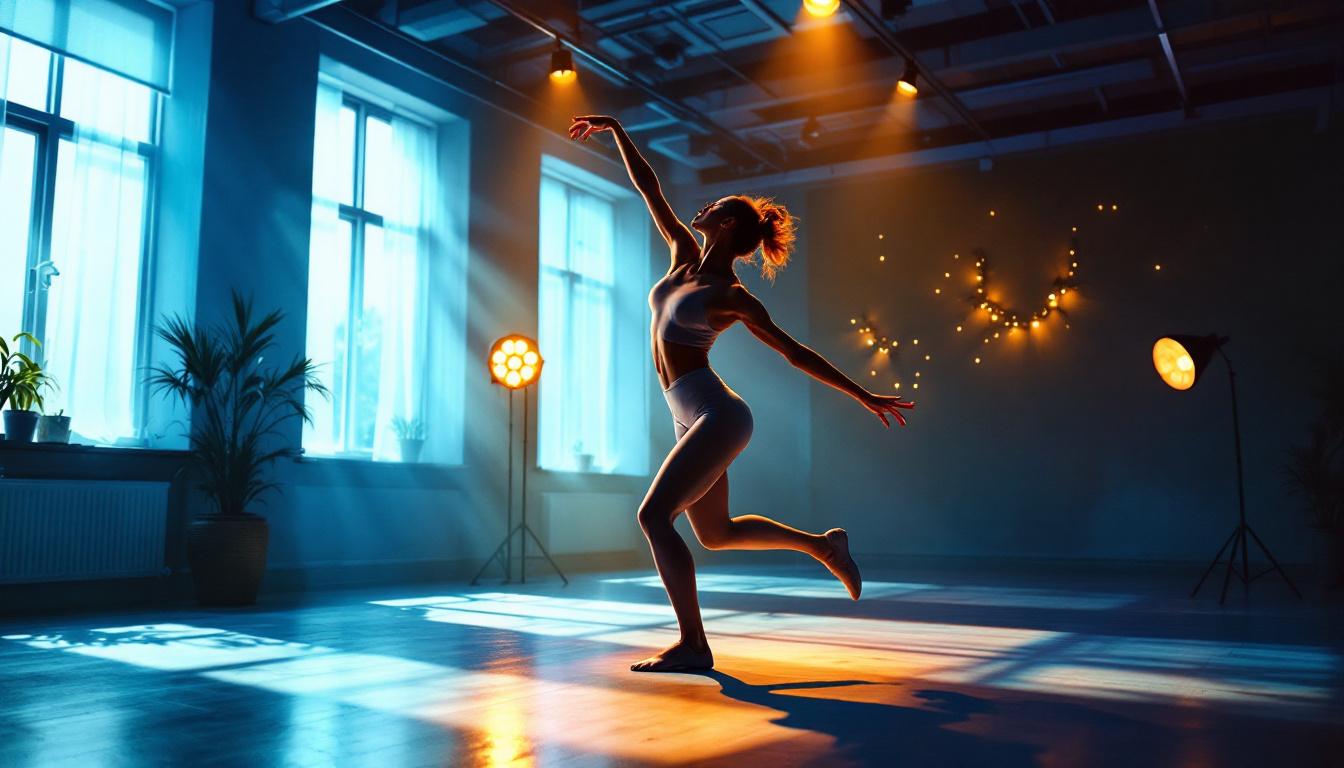
Dance studios present a distinct set of challenges and opportunities for lighting contractors. Unlike typical commercial or residential spaces, dance studios require lighting that enhances visibility, supports the artistic expression of dancers, and creates an inviting atmosphere for both performers and observers. Mastering dance studio lighting demands a deep understanding of these nuanced requirements and the ability to balance technical precision with creative sensitivity.
One of the primary considerations is ensuring even, shadow-free illumination across the entire floor. Dancers rely heavily on clear visibility to execute movements safely and accurately, while instructors need to observe subtle details in posture and technique. Additionally, the lighting must be adjustable to accommodate different dance styles, moods, and class formats—from high-energy hip-hop sessions to graceful ballet rehearsals.
Moreover, dance studios often incorporate mirrors along walls, which can create glare and reflections if lighting is not carefully planned. Contractors must design systems that minimize these issues while maintaining sufficient brightness. The integration of dimmable fixtures and color temperature control further enhances the versatility of the space, allowing for dynamic lighting scenes that support performances and rehearsals alike.
Another critical aspect of lighting design in dance studios is the psychological impact of light on both dancers and audiences. Warm, inviting tones can foster a sense of comfort and creativity, encouraging dancers to express themselves fully. Conversely, cooler tones can energize the space, making it ideal for vigorous dance styles. Lighting designers often experiment with LED technology, which allows for a range of colors and effects that can be tailored to specific performances or classes, enhancing the overall experience.
Additionally, the placement of lighting fixtures is paramount. Overhead lighting, side lights, and floor-mounted options all play a role in creating a balanced and effective lighting scheme. Strategically placed fixtures can highlight specific areas of the dance floor, drawing attention to particular movements or formations during a performance. Furthermore, incorporating smart lighting systems can allow for real-time adjustments, enabling instructors to modify the ambiance instantly based on the energy and needs of the class or performance. This level of adaptability not only enhances the functionality of the studio but also contributes to a more immersive experience for both dancers and spectators.
Key Technical Considerations for Dance Studio Lighting
Light Quality and Color Rendering
High-quality light with excellent color rendering is essential in dance studios. A Color Rendering Index (CRI) of 90 or above is recommended to ensure that skin tones and costume colors appear natural and vibrant. This level of fidelity helps dancers and instructors accurately assess movements and expressions, which is critical for effective teaching and performance.
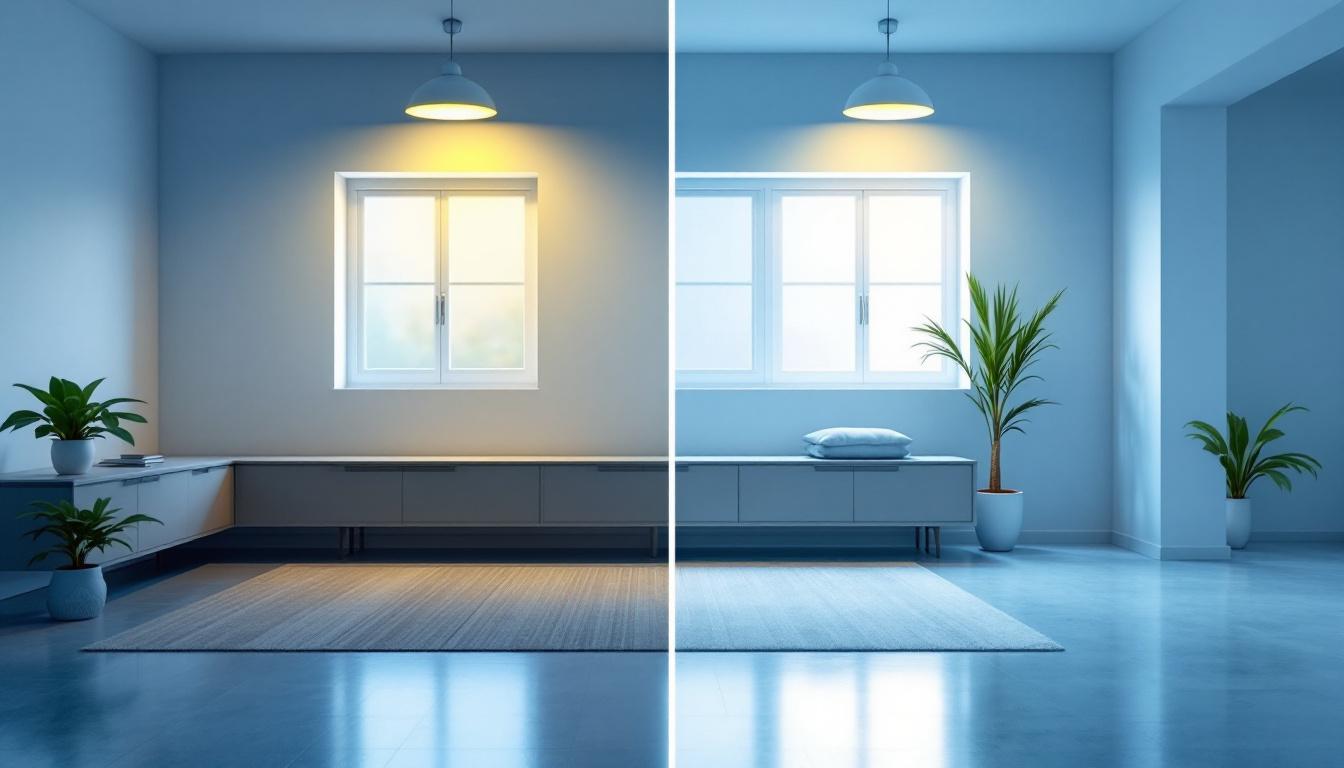
Color temperature also plays a significant role. Neutral white light, typically in the range of 3500K to 4500K, is ideal for most dance studio environments. It provides a balance between warm and cool tones, creating a comfortable atmosphere without distorting colors. Some studios may benefit from tunable white lighting systems that allow switching between warmer and cooler temperatures depending on the activity or time of day.
Illumination Levels and Uniformity
Illumination levels must be sufficient to prevent eye strain and ensure safety. Recommended lighting levels for dance studios generally range from 300 to 500 lux, with higher levels preferred for detailed work or performances. Uniformity is equally important; uneven lighting can cause distracting shadows and hinder dancers’ spatial awareness.
To achieve uniformity, lighting contractors often employ a combination of ceiling-mounted fixtures, wall washers, and adjustable spotlights. The use of LED technology enables precise control over beam angles and intensity, allowing for tailored lighting layouts that meet the specific dimensions and features of each studio.
Glare Control and Mirror Considerations
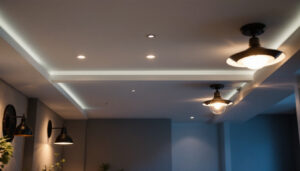
Mirrors are a staple in dance studios but can introduce challenges related to glare and reflections. Lighting contractors must carefully position fixtures to avoid direct reflections that could impair dancers’ vision or create visual discomfort. Utilizing indirect lighting techniques, such as cove lighting or diffused fixtures, helps reduce harsh reflections while maintaining adequate brightness.
Additionally, installing anti-glare lenses or diffusers on fixtures can further enhance comfort. In some cases, integrating smart lighting controls that adjust intensity based on ambient conditions can optimize the environment throughout the day.
Top Resources for Lighting Contractors Specializing in Dance Studios
Industry Standards and Guidelines
Familiarity with industry standards is foundational for any lighting contractor aiming to excel in dance studio projects. The Illuminating Engineering Society (IES) publishes comprehensive guidelines on lighting for various environments, including spaces used for physical activity and performance arts. These documents provide benchmarks for illumination levels, uniformity, and color rendering that are invaluable for project planning.
Additionally, local building codes and occupational safety regulations often include specific requirements for lighting in public and commercial spaces. Staying current with these regulations ensures compliance and promotes safe, functional environments.
Professional Associations and Networking
Engaging with professional organizations such as the International Association of Lighting Designers (IALD) or the National Electrical Contractors Association (NECA) offers contractors access to specialized knowledge, training opportunities, and a network of peers. These associations frequently host workshops, webinars, and conferences focused on emerging technologies and best practices, which can be particularly beneficial for mastering niche areas like dance studio lighting.
Networking within these communities also opens doors to collaborations with architects, interior designers, and dance professionals, facilitating holistic project approaches that enhance outcomes.
Technical Training and Certification Programs
Advanced training programs focused on LED technology, lighting controls, and human-centric lighting principles equip contractors with the skills needed to deliver sophisticated solutions. Certifications such as the Lighting Certified (LC) credential demonstrate a commitment to excellence and deepen understanding of lighting science.
Manufacturers often provide product-specific training that helps contractors optimize the use of their fixtures and control systems. Leveraging these resources ensures installations are both efficient and aligned with the latest innovations.
Innovative Technologies Transforming Dance Studio Lighting
LED Lighting and Energy Efficiency
LED technology has revolutionized lighting across all sectors, and dance studios are no exception. LEDs offer superior energy efficiency, longer lifespan, and enhanced control capabilities compared to traditional incandescent or fluorescent fixtures. For lighting contractors, this translates into reduced operational costs for studio owners and increased design flexibility.
Furthermore, LEDs can be seamlessly integrated with smart control systems, enabling features like scene setting, color tuning, and automated schedules. These capabilities support the dynamic lighting needs of dance studios, where ambiance and functionality must often shift rapidly.
Smart Lighting Controls and Automation
Smart controls are becoming increasingly essential in modern dance studios. Systems that allow remote operation, preset scenes, and real-time adjustments empower instructors and performers to tailor lighting conditions effortlessly. Integration with mobile apps or voice control platforms adds convenience and accessibility.
Advanced sensors can also be incorporated to adjust lighting based on occupancy or natural light levels, enhancing energy savings without compromising performance quality. For contractors, understanding and implementing these systems is key to delivering cutting-edge solutions that meet client expectations.
Human-Centric Lighting and Wellness Considerations
Emerging research highlights the impact of lighting on human circadian rhythms and overall well-being. Human-centric lighting (HCL) strategies aim to mimic natural daylight patterns, supporting alertness, mood, and physical performance. In dance studios, where physical exertion and concentration are paramount, HCL can contribute to improved outcomes and participant satisfaction.
Lighting contractors who incorporate tunable white fixtures and programmable control systems can create environments that adapt throughout the day, promoting health and enhancing the studio experience. This approach aligns with broader trends in wellness-focused design and offers a competitive advantage.
Practical Tips and Best Practices for Lighting Contractors
Collaborate Closely with Studio Stakeholders
Successful dance studio lighting projects hinge on effective communication and collaboration. Contractors should engage with studio owners, instructors, and dancers early in the design process to understand their specific needs, preferences, and challenges. Site visits during different times of day can reveal critical insights about natural light and spatial dynamics.
Involving stakeholders in lighting demonstrations or mock-ups helps ensure the final installation meets functional and aesthetic goals. This collaborative approach reduces the risk of costly revisions and fosters client satisfaction.
Prioritize Flexibility and Scalability
Dance studios often evolve over time, hosting diverse classes, performances, and events. Lighting systems should be designed with flexibility in mind, allowing for easy reconfiguration and expansion. Modular fixtures, adjustable mounting options, and programmable controls facilitate adaptability.
Contractors should also consider future-proofing by selecting technologies compatible with emerging standards and integrating infrastructure that supports upgrades. This foresight enhances the long-term value of the installation.
Focus on Maintenance and Durability
Given the active nature of dance studios, lighting fixtures must be durable and easy to maintain. Contractors should specify robust products that withstand vibrations, dust, and frequent use. Accessible fixture placement simplifies routine cleaning and bulb replacement, minimizing downtime.
Providing clients with clear maintenance guidelines and support resources ensures the lighting system continues to perform optimally, preserving safety and visual quality.
Case Studies: Exemplary Dance Studio Lighting Projects
Examining real-world examples offers valuable lessons for lighting contractors. One notable project involved a large metropolitan dance academy seeking to upgrade its aging fluorescent system. The contractor implemented a comprehensive LED retrofit combined with smart controls, resulting in a 60% reduction in energy consumption and enhanced lighting uniformity. The installation included tunable white fixtures that allowed instructors to adjust ambiance based on class type, significantly improving user satisfaction.
Another project focused on a boutique ballet studio with extensive mirrored walls. The contractor employed indirect cove lighting and strategically placed wall washers to minimize glare while maintaining brightness. The use of dimmable LEDs enabled seamless transitions between rehearsal and performance modes, demonstrating the power of thoughtful design tailored to specific studio characteristics.
Conclusion: Elevating Dance Studio Environments Through Expert Lighting
Lighting contractors play a pivotal role in shaping dance studio environments that are safe, inspiring, and adaptable. Mastery of this specialized field requires a blend of technical expertise, creative problem-solving, and ongoing education. By leveraging industry standards, embracing innovative technologies, and fostering collaborative relationships with clients, contractors can deliver lighting solutions that enhance the artistry and functionality of dance studios.
As the demand for versatile and wellness-oriented lighting grows, contractors who invest in continuous learning and adopt best practices will position themselves as trusted partners in the performing arts community. Ultimately, exceptional dance studio lighting not only illuminates the space but also empowers dancers to perform at their best.
Illuminate Your Dance Studio Projects with LumenWholesale
Ready to take your dance studio lighting projects to the next level? Discover the exceptional value and quality that LumenWholesale offers. Our spec-grade lighting products are designed to meet the intricate demands of dance studio environments, ensuring that every pirouette and plié is showcased in the best light. With unbeatable wholesale prices and the convenience of free shipping, you can provide your clients with top-tier lighting solutions that embody the harmony of performance and efficiency. Elevate your lighting game and explore our collection for Wholesale Lighting at the Best Value today.