For lighting contractors, delivering impeccable installations and maintenance is a hallmark of professionalism. Yet, one critical aspect often slips under the radar: the thorough cleaning of light fixtures. While it may seem straightforward, effective cleaning extends beyond wiping surfaces. It impacts fixture longevity, lighting quality, energy efficiency, and customer satisfaction.
This comprehensive guide explores the nuances of cleaning light fixtures that many lighting contractors tend to overlook. By understanding these often-neglected details, contractors can elevate their service quality, reduce callbacks, and enhance the overall performance of their lighting projects.
Why Proper Cleaning of Light Fixtures Matters
Light fixtures are more than just decorative elements; they are functional components that influence the ambiance, safety, and energy consumption of any space. Over time, dust, grime, and environmental pollutants accumulate on fixtures, diminishing their effectiveness and aesthetic appeal.
Studies have shown that accumulated dust and dirt can reduce light output by up to 30%. This reduction forces occupants to increase lighting levels, which in turn drives up energy consumption and costs. For contractors, this means that a poorly maintained fixture can lead to dissatisfied clients and potential warranty claims.
Impact on Lighting Performance and Energy Efficiency
When light fixtures are dirty, their ability to distribute light evenly is compromised. This can create uneven lighting, shadows, and hotspots, which may affect visual comfort and task performance. Moreover, fixtures that appear dim often prompt clients to replace bulbs prematurely, increasing maintenance costs unnecessarily.
Energy efficiency also suffers. A clean fixture allows light to pass through lenses and diffusers without obstruction, maximizing lumen output. In contrast, dirty fixtures require higher wattage bulbs or extended operation hours to achieve the desired illumination levels, leading to wasted energy. Furthermore, the environmental impact of increased energy consumption cannot be overlooked; higher energy usage translates to a larger carbon footprint, contributing to climate change and environmental degradation.
Longevity and Maintenance Costs
Neglecting fixture cleaning can accelerate wear and tear. Dust and debris can trap moisture, leading to corrosion of metal parts or degradation of plastic components. This corrosion not only shortens the fixture’s lifespan but also increases the likelihood of electrical faults or safety hazards.
Regular, proper cleaning reduces the frequency of repairs and replacements, saving contractors and clients money in the long run. It also helps maintain the integrity of warranties, which often require routine maintenance as a condition. Additionally, a well-maintained light fixture enhances the overall aesthetic of a space, creating a more inviting and pleasant environment for occupants. This is particularly important in commercial settings, where first impressions can significantly impact customer satisfaction and retention.
Moreover, the cleaning process itself can serve as an opportunity to inspect fixtures for potential issues. During cleaning, contractors can identify early signs of wear, such as frayed wiring or loose connections, allowing for proactive maintenance before problems escalate. This not only ensures safety but also reinforces a commitment to quality service, fostering trust and long-term relationships with clients. In essence, the act of cleaning light fixtures transcends mere aesthetics; it is a crucial aspect of effective facility management that promotes safety, efficiency, and satisfaction.
Common Oversights in Cleaning Practices
Despite the importance of fixture cleaning, many contractors overlook critical aspects during the process. These oversights can undermine the quality of their work and client satisfaction.
Ignoring Manufacturer Guidelines
Every light fixture comes with manufacturer instructions regarding cleaning methods and approved cleaning agents. Unfortunately, many contractors either skip these guidelines or apply generic cleaning solutions that can damage finishes or internal components.
For example, using ammonia-based cleaners on certain plastics can cause clouding or cracking. Similarly, abrasive materials can scratch lenses, reducing light transmission. Adhering to manufacturer recommendations ensures that cleaning enhances rather than harms the fixture.
Moreover, manufacturers often provide insights into the frequency of cleaning required based on the fixture’s environment. For instance, fixtures in high-dust areas or near cooking surfaces may need more frequent attention to maintain optimal performance. Understanding these nuances can help contractors deliver a higher standard of service and prolong the lifespan of the fixtures they maintain.
Neglecting Electrical Safety Precautions
Cleaning light fixtures often involves working near electrical components. Failure to disconnect power sources or use insulated tools can lead to electrical shocks or short circuits. Some contractors rush the cleaning process without proper lockout/tagout procedures, putting themselves and clients at risk.
Proper safety protocols, including turning off power at the breaker and verifying with a voltage tester, are essential. Additionally, using non-conductive cleaning tools and wearing appropriate personal protective equipment (PPE) minimizes hazards.
It’s also crucial for contractors to communicate safety measures to clients, especially if they are present during the cleaning process. By educating clients about the risks and the steps taken to mitigate them, contractors can foster trust and demonstrate professionalism. This not only enhances client satisfaction but also sets a standard for safety in the industry.
Overlooking Hard-to-Reach Areas
Surface cleaning alone is insufficient. Dust and debris often accumulate inside fixture housings, around sockets, and on internal reflectors. Neglecting these areas can significantly reduce fixture efficiency and cause overheating.
Lighting contractors should disassemble fixtures as needed to access these hidden areas. Using compressed air, soft brushes, or vacuum attachments designed for electronics can help remove trapped dust without damaging components.
In addition, it’s beneficial to establish a cleaning checklist that includes these hard-to-reach spots, ensuring that no area is missed during routine maintenance. This proactive approach not only improves the overall performance of the lighting system but also enhances energy efficiency, which can lead to cost savings for clients in the long run. Regularly scheduled maintenance can also help identify potential issues before they escalate, providing an additional layer of service that clients will appreciate.
Best Practices for Cleaning Different Types of Light Fixtures
Light fixtures vary widely in design, materials, and installation environments. Tailoring cleaning methods to fixture types ensures optimal results and prevents damage.
Cleaning Pendant and Chandeliers
Pendants and chandeliers often feature delicate glass or crystal elements that require gentle handling. Begin by powering down the fixture and allowing bulbs to cool. Use a microfiber cloth dampened with a mild detergent solution to wipe each component carefully.
For intricate designs, a soft-bristled brush or compressed air can dislodge dust from crevices. Avoid spraying cleaners directly onto the fixture; instead, apply them to cloths to prevent liquid from entering electrical parts.
Maintaining Recessed and Can Lights
Recessed fixtures are prone to dust buildup inside the housing. After turning off power, remove the trim and bulbs to access the interior. Vacuum dust gently and wipe the trim with a damp cloth. Inspect for signs of corrosion or damage during cleaning.
Since these fixtures often have heat-sensitive components, avoid excessive moisture and ensure all parts are dry before reassembly. Regular cleaning can prevent overheating and maintain optimal light output.
Cleaning Outdoor and Industrial Fixtures
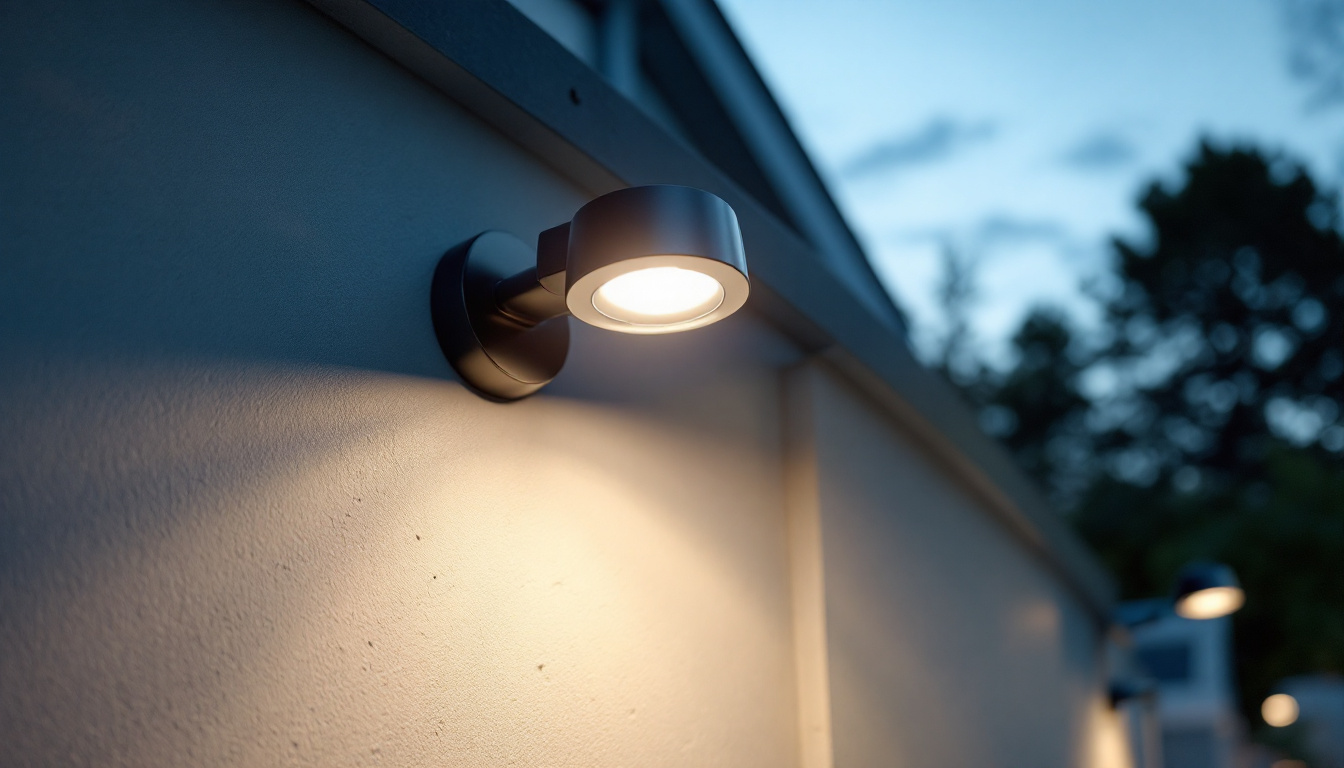
Outdoor fixtures face harsher conditions, including dirt, insects, and weather exposure. Use a hose or pressure washer on low settings to rinse away loose debris, then clean with a non-abrasive detergent. Inspect seals and gaskets to ensure they remain intact and prevent water ingress.
For industrial fixtures, which may accumulate grease or chemical residues, specialized degreasers may be necessary. Always verify compatibility with fixture materials and rinse thoroughly to avoid residue buildup.
Tools and Products Lighting Contractors Should Use
Equipping oneself with the right tools and cleaning products is crucial for effective fixture maintenance. Using inappropriate materials can cause damage or inefficiency.
Recommended Cleaning Tools
- Microfiber Cloths: Ideal for dusting and wiping without scratching surfaces.
- Soft-Bristled Brushes: Useful for reaching tight spaces and delicate parts.
- Compressed Air Canisters: Effective for blowing out dust from internal components.
- Vacuum Cleaners with Brush Attachments: Help remove loose debris safely.
- Extension Poles and Ladders: Necessary for accessing high or hard-to-reach fixtures safely.
Cleaning Solutions and Chemicals
Choose pH-neutral, non-abrasive cleaners specifically formulated for lighting fixtures. Avoid ammonia, bleach, or harsh solvents unless explicitly approved by the manufacturer. For glass and crystal, diluted vinegar solutions can be effective, but always test on a small area first.
For outdoor fixtures, biodegradable and environmentally friendly products are preferable to minimize ecological impact. Always rinse thoroughly to prevent residue buildup that could attract more dirt.
Scheduling and Documentation: Keys to Consistent Fixture Maintenance
Establishing a regular cleaning schedule is essential for maintaining fixture performance and client satisfaction. Lighting contractors should incorporate cleaning into their maintenance contracts and educate clients on its importance.
Frequency Recommendations
High-traffic commercial spaces may require fixture cleaning quarterly, while residential or low-use areas might only need biannual or annual attention. Outdoor fixtures typically need more frequent cleaning due to environmental exposure.
Documenting cleaning dates, methods used, and any observations during maintenance visits helps track fixture condition over time. This record can support warranty claims and inform future service needs.
Client Communication and Education
Clients often underestimate the impact of fixture cleanliness on lighting quality and energy costs. Providing them with clear explanations and maintenance plans builds trust and encourages cooperation.
Contractors can offer maintenance packages that include cleaning services, ensuring fixtures remain in optimal condition while generating recurring revenue streams.
Conclusion: Elevating Lighting Services Through Attention to Cleaning
Cleaning light fixtures is a fundamental yet frequently overlooked aspect of lighting contracting. Proper cleaning enhances light quality, extends fixture lifespan, improves energy efficiency, and reduces maintenance costs. By avoiding common oversights—such as ignoring manufacturer guidelines, neglecting safety, and skipping hard-to-reach areas—contractors can deliver superior results.
Adopting tailored cleaning practices for different fixture types, using appropriate tools and products, and establishing consistent maintenance schedules are vital steps toward excellence. Ultimately, prioritizing fixture cleanliness not only benefits contractors through reduced callbacks and enhanced reputation but also provides clients with safer, brighter, and more cost-effective lighting solutions.
Upgrade Your Lighting Game with LumenWholesale
As you strive for excellence in lighting services, remember that the quality of your fixtures plays a pivotal role in their performance and longevity. At LumenWholesale, we’re committed to supporting contractors like you with the finest spec-grade lighting products at prices that make sense for your business. Our extensive selection not only meets but exceeds industry standards, ensuring that every installation shines with reliability and efficiency. Take advantage of our hassle-free bulk buying options and free shipping to get the best value for your projects. Elevate your lighting solutions today by visiting Wholesale Lighting at the Best Value and experience the difference quality makes.