Understanding Chroma Key Lighting: Fundamentals for Lighting Contractors
Chroma keying, often referred to as green screen or blue screen technology, is a visual effects technique that allows video producers to replace a solid-colored background with any image or video. This process is widely used in film, television, and live streaming to create immersive environments without the need for physical sets. For lighting contractors, mastering the nuances of chroma key lighting is essential to ensure seamless keying and professional-quality results.
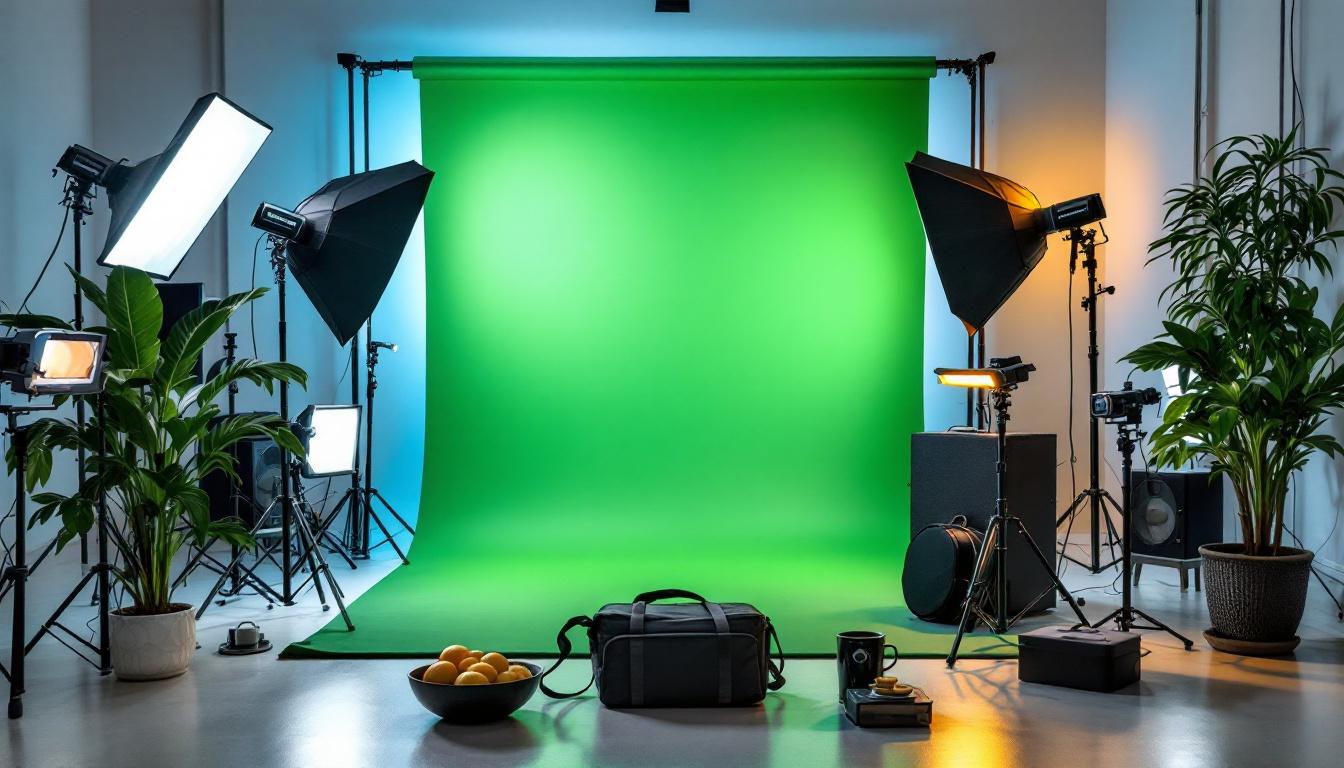
At its core, chroma key lighting involves illuminating a uniformly colored backdrop—typically green or blue—while simultaneously lighting the subject separately. The goal is to achieve an evenly lit background with no shadows, wrinkles, or color variations, which can interfere with the post-production keying process. Understanding how to balance these lighting elements is crucial for lighting contractors tasked with setting up chroma key environments.
The Science Behind Chroma Key Colors
Green and blue are the most commonly used chroma key colors because they are least likely to match natural skin tones and clothing, minimizing the risk of parts of the subject being keyed out. Green is often preferred due to the higher sensitivity of camera sensors to green light, which results in cleaner edges and less noise. However, blue is sometimes used when the subject wears green clothing or when working with darker skin tones to avoid color spill.
Lighting contractors must be aware of these color dynamics to select the appropriate backdrop and lighting setup. The choice of color also impacts the type of lighting fixtures and gels used, as well as the post-production workflow. Additionally, understanding the color temperature of the lights is vital; using daylight-balanced lights can help maintain consistency between the subject and the background, ensuring that the final composite appears natural and cohesive.
Moreover, the distance between the subject and the backdrop plays a significant role in achieving optimal results. By placing the subject further away from the green or blue screen, lighting contractors can reduce the likelihood of color spill, where the backdrop’s hue reflects onto the subject. This careful positioning allows for more controlled lighting and enhances the overall quality of the keying process. Furthermore, utilizing softboxes or diffused lighting can help create a gentle, even illumination that minimizes harsh shadows and highlights, contributing to a polished final product.
Essential Components of a Chroma Key Lighting Kit
For lighting contractors, assembling a comprehensive chroma key lighting kit is a foundational step toward delivering professional results. The kit should include specialized equipment designed to provide even illumination, reduce shadows, and minimize color spill.
Backdrop and Frame
The chroma key backdrop is the canvas for the entire effect. High-quality, wrinkle-resistant fabric or painted walls are preferred to ensure a smooth surface. Portable frames or stands allow for flexible setups on location or in studios. Lighting contractors should ensure that the backdrop is taut and free of creases, as imperfections can cause shadows and uneven color that complicate keying. Furthermore, the color of the backdrop is crucial; traditional green and blue are the most common choices, but the selection may vary based on the subject’s clothing and the desired visual outcome. Experimenting with different shades can yield unique results, particularly in creative projects where a specific mood or tone is desired.
Lighting Fixtures
LED panel lights, softboxes, and fluorescent fixtures are commonly used in chroma key setups. LED panels offer adjustable color temperature and intensity, enabling precise control over the lighting environment. Softboxes diffuse light to reduce harsh shadows, while fluorescent lights provide consistent, flicker-free illumination. The choice of fixtures depends on the size of the set, power availability, and desired lighting quality. It is advisable to include multiple fixtures to separately light the background and the subject, preventing unwanted light spill and ensuring clear separation. Additionally, the positioning of these lights is critical; placing them at different angles can create a more dynamic look, enhancing the depth of the scene and making the final composite more visually appealing.
Light Modifiers and Accessories
Modifiers such as barn doors, grids, and diffusion gels help shape and control the light. Barn doors restrict light spill, grids focus the beam, and diffusion gels soften the light output. These tools are vital for preventing background light from contaminating the subject’s lighting and vice versa. Additionally, flags and bounce boards can be used to block or redirect light, further refining the lighting setup for optimal chroma keying conditions. The strategic use of these accessories not only enhances the overall quality of the footage but also allows for creative experimentation. For instance, using colored gels can add a unique flair to the lighting, creating an artistic effect that can complement the narrative of the project. Moreover, understanding how to manipulate shadows and highlights through these modifiers can significantly elevate the production value, making the final output more engaging for viewers.
Best Practices for Lighting Chroma Key Sets
Proper lighting techniques are critical to achieving a clean key. Lighting contractors must consider the positioning, intensity, and color temperature of lights to create an ideal chroma key environment.
Achieving Even Background Illumination
One of the most challenging aspects of chroma key lighting is ensuring the background is lit evenly. Uneven lighting leads to color variations that complicate the keying process and produce undesirable artifacts. To avoid this, lighting contractors should use multiple light sources positioned at equal distances and angles from the backdrop.
Using light meters to measure luminance across the surface can help identify and correct hotspots or shadows. Typically, the background should be lit at a brightness level slightly higher than the subject to help the keying software distinguish the backdrop clearly.
Separating Subject and Background Lighting
To minimize color spill—the unwanted reflection of background color onto the subject—lighting contractors should position the subject several feet away from the backdrop. This distance reduces the green or blue light bouncing onto the subject’s edges, which can cause halo effects during keying.
Additionally, using backlights or rim lights on the subject can help define the edges and create separation from the background. These lights should be carefully balanced to avoid casting shadows on the backdrop.
Color Temperature and White Balance Considerations
Maintaining consistent color temperature across all lighting fixtures is essential. Mixing different color temperatures can cause color shifts that interfere with the chroma key process. Lighting contractors should use lights with adjustable color temperature or match fixtures with similar color profiles.
Setting the camera’s white balance to the lighting setup ensures accurate color reproduction, which is critical for effective keying. Testing and adjusting white balance on-site is a recommended practice.
Advanced Techniques and Troubleshooting
Even with a well-equipped kit and solid fundamentals, lighting contractors may encounter challenges that require advanced techniques and problem-solving skills.
Dealing with Shadows and Wrinkles
Shadows and wrinkles on the backdrop create uneven color and texture, making it difficult to achieve a clean key. To mitigate this, lighting contractors should use soft, diffused light sources aimed at the backdrop from multiple angles. Additionally, ensuring the backdrop is properly stretched and secured can prevent wrinkles.
If shadows persist, repositioning the subject or adjusting the angle of the lights may help eliminate them. In some cases, adding fill lights or reflectors can soften shadows without introducing new ones.
Minimizing Color Spill and Reflections
Color spill can be particularly problematic when the subject wears reflective or shiny clothing. Using flags and barn doors to control light spill, increasing the distance between the subject and backdrop, and employing backlights to create edge separation are effective strategies.
In environments with reflective surfaces, careful positioning of lights and the subject is necessary to avoid unwanted reflections of the chroma key color.
Utilizing Light Meters and Monitoring Tools
Professional lighting contractors rely on light meters to measure intensity and ensure consistency across the set. Spot meters and color meters can detect variations that are not visible to the naked eye, allowing for precise adjustments.
Monitoring tools such as waveform monitors and vectorscopes assist in evaluating exposure and color balance in real-time, providing immediate feedback and reducing trial-and-error during setup.
Choosing and Maintaining Your Chroma Key Lighting Kit
Investing in a high-quality chroma key lighting kit is a long-term commitment for lighting contractors. Selecting durable, versatile equipment and maintaining it properly ensures reliability and performance across projects.
Evaluating Equipment Quality and Compatibility
When selecting lighting fixtures, contractors should prioritize energy efficiency, color rendering index (CRI), and flicker-free operation. A high CRI (above 90) ensures accurate color reproduction, which is vital for chroma keying.
Compatibility with existing gear, such as stands, dimmers, and control systems, enhances workflow efficiency. Modular kits that allow for expansion or customization offer flexibility to adapt to different project requirements.
Routine Maintenance and Care
Regular cleaning of lenses, reflectors, and diffusion materials maintains optimal light output and quality. Inspecting cables, connectors, and fixtures for wear and damage prevents unexpected failures on set.
Proper storage in protective cases or bags safeguards equipment during transport and between jobs. Keeping an inventory and maintenance log helps track the condition and service history of each component.
Staying Updated with Industry Trends
The field of chroma key lighting continues to evolve with advancements in LED technology, wireless control systems, and software integration. Lighting contractors should stay informed about new products and techniques through trade shows, professional forums, and training workshops.
Adapting to emerging trends and incorporating innovative tools can enhance service offerings and maintain a competitive edge in the industry.
Conclusion: Mastering Chroma Key Lighting for Professional Success
For lighting contractors, expertise in chroma key lighting is a valuable skill that opens doors to diverse projects in film, television, and digital media. By understanding the science behind chroma keying, assembling a robust lighting kit, applying best practices, and embracing advanced techniques, contractors can deliver flawless results that meet the high standards of modern production.
Investing time and resources into mastering chroma key lighting not only improves the quality of work but also builds client trust and reputation. As the demand for virtual sets and immersive content grows, lighting contractors equipped with the right knowledge and tools will be well-positioned to lead the way in this dynamic field.
Illuminate Your Chroma Key Projects with LumenWholesale
Ready to elevate your lighting game and bring your chroma key visions to life? At LumenWholesale, we provide lighting contractors with the high-quality, spec-grade lighting solutions you need to succeed. Say goodbye to local distributor markups and hello to unbeatable wholesale prices. Our extensive selection is crafted to meet the highest industry standards, ensuring that your projects shine with reliability and excellence. Plus, with free shipping on bulk orders, you can stock up on premium lighting without any hidden fees. Don’t compromise on quality or value—choose LumenWholesale for the perfect fusion of affordability and performance. Wholesale Lighting at the Best Value is just a click away.