Understanding the Role of Ceiling Spotlight Fixtures
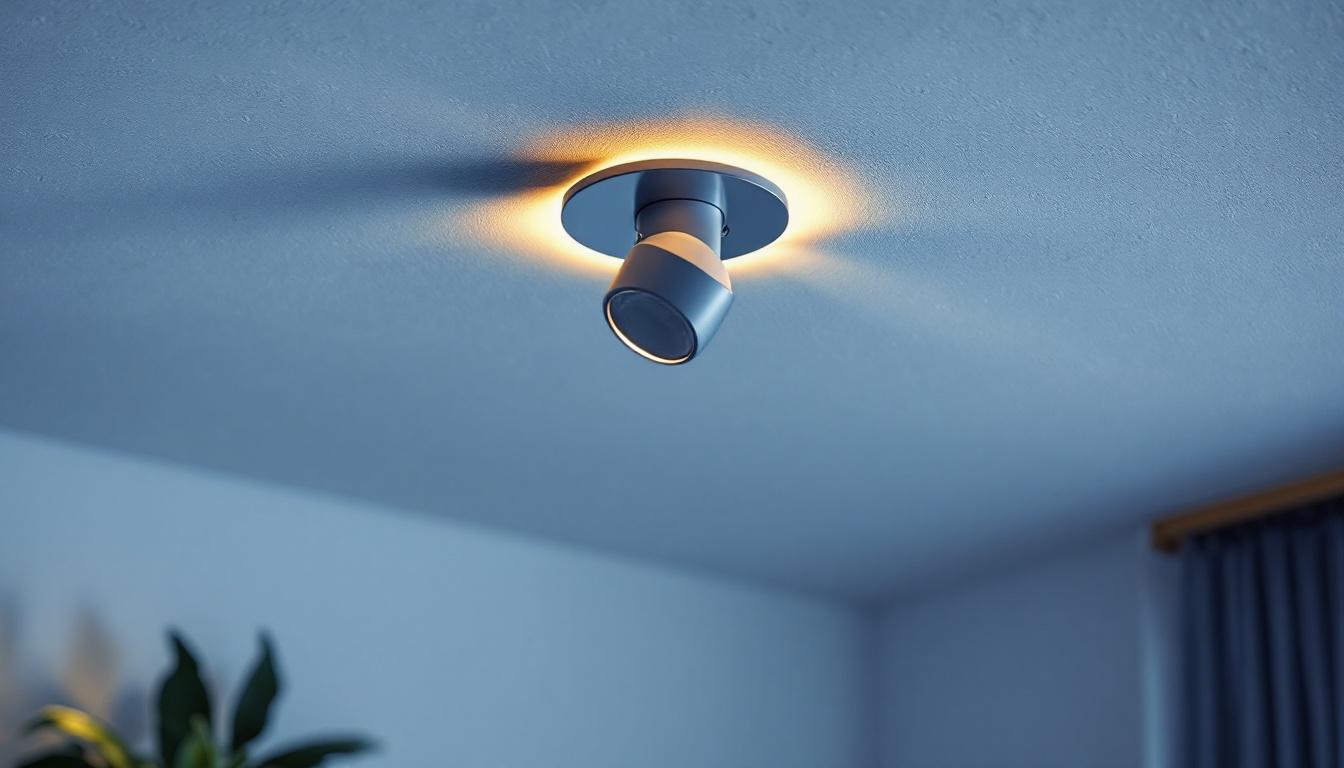
Ceiling spotlight fixtures are more than just sources of illumination; they are pivotal in shaping the ambiance and functionality of a space. For lighting professionals, selecting and installing these fixtures requires a nuanced understanding of their design, performance, and application. Spotlights can highlight architectural features, create focal points, or provide task lighting, making them versatile tools in any lighting project.
Choosing the right ceiling spotlight fixture involves balancing aesthetics with technical specifications. The fixture must complement the interior style while meeting the practical needs of the space. This dual role makes the spotlight an essential component in both residential and commercial environments.
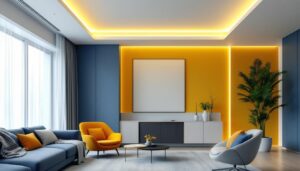
In residential settings, ceiling spotlights can dramatically enhance the visual appeal of a room. For instance, strategically placed spotlights can draw attention to a beautiful piece of artwork or illuminate a stunning architectural detail, such as crown molding or a coffered ceiling. Additionally, the ability to adjust the angle of the spotlight allows homeowners to change the mood of a room simply by redirecting the light. In kitchens and workspaces, these fixtures can provide focused lighting for specific tasks, ensuring safety and efficiency while cooking or working on projects.
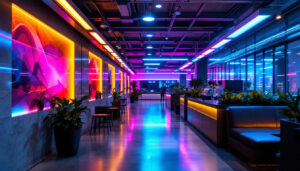
In commercial spaces, the role of ceiling spotlight fixtures extends beyond mere aesthetics; they are crucial for branding and customer experience. Retail stores often utilize spotlights to showcase merchandise, creating an inviting atmosphere that encourages customers to explore. Similarly, in galleries and museums, spotlights can be employed to highlight exhibits, guiding visitors through the space while enhancing the overall presentation of the artwork. Furthermore, with advancements in LED technology, these fixtures now offer energy-efficient options that not only reduce electricity costs but also contribute to sustainable design practices, making them a smart choice for environmentally conscious businesses.
Key Factors to Consider When Selecting Ceiling Spotlights
Light Output and Beam Angle
One of the first considerations is the light output, measured in lumens, which determines how bright the spotlight will be. For task lighting, higher lumens are necessary to ensure sufficient illumination, whereas accent lighting may require lower output to create subtle highlights.
The beam angle influences how the light spreads across a surface. Narrow beams (15° to 30°) focus light on specific areas, ideal for artwork or displays. Wider beams (above 40°) provide broader coverage, suitable for general lighting. Understanding the relationship between beam angle and light output helps in achieving the desired lighting effect without over- or under-illuminating the space. Additionally, the placement of spotlights should be carefully considered; for instance, installing them at varying heights or angles can enhance texture and depth in a room, creating a more dynamic visual experience.
Color Temperature and Color Rendering Index (CRI)
Color temperature, expressed in Kelvin (K), affects the mood and perception of a room. Warm white (2700K to 3000K) creates a cozy atmosphere, often preferred in residential settings. Neutral white (3500K to 4100K) offers a balanced tone, suitable for offices and retail spaces. Cool white (5000K and above) provides a crisp, energizing light, often used in task-oriented environments.
CRI measures how accurately a light source reveals colors compared to natural light. A CRI of 80 or above is generally acceptable, but for applications like art galleries or retail, a CRI of 90+ ensures colors appear vibrant and true to life. Lighting professionals must prioritize CRI to maintain the integrity of the space’s visual elements. Moreover, the interplay between color temperature and CRI can significantly affect how colors are perceived; for example, a warm light with a high CRI can enhance the richness of wood tones in furniture, while cooler lights can make spaces feel more sterile or clinical, which may not always be desirable.
Fixture Design and Compatibility
The physical design of the spotlight fixture should align with the architectural style and ceiling type. Recessed spotlights offer a clean, unobtrusive look, while surface-mounted fixtures can serve as design statements. Adjustable heads provide flexibility in directing light, essential for dynamic spaces where lighting needs may change.
Compatibility with existing electrical systems and dimming controls is crucial. Many projects now demand smart lighting solutions, so ensuring the fixture supports compatible drivers and control protocols can future-proof installations and enhance client satisfaction. Additionally, the materials used in the fixture’s construction can influence both aesthetics and performance; for instance, fixtures made from high-quality metals or glass can provide a more refined look and better heat dissipation, while also contributing to the overall durability of the lighting solution. Understanding how different materials interact with light can also lead to more innovative designs that maximize both functionality and style.
Installation Considerations for Lighting Contractors
Proper Placement and Spacing
Effective lighting depends heavily on where and how spotlights are installed. Incorrect placement can cause uneven lighting, glare, or shadows. A common rule is to space spotlights at a distance roughly equal to their throw distance to the target surface. However, this can vary based on beam angle and room dimensions. For instance, a narrow beam spotlight may require closer spacing to achieve the desired intensity, while a wider beam can be spaced further apart without sacrificing illumination quality.
Lighting contractors should conduct thorough site assessments and use layout software or mock-ups to visualize the lighting plan. This step helps avoid costly adjustments after installation and ensures the final setup meets the design intent. Additionally, considering the color temperature of the lights can significantly impact the ambiance of a space. Warmer tones may be more suitable for residential areas, while cooler tones could enhance productivity in commercial settings. Understanding the psychological effects of different lighting types can further refine the placement strategy.
Electrical and Safety Standards
Adhering to local electrical codes and safety standards is non-negotiable. This includes verifying load capacities, proper grounding, and ensuring fixtures are rated for the environment, especially in damp or wet locations. Using fixtures with appropriate ingress protection (IP) ratings is essential for bathrooms, kitchens, or outdoor covered areas. Furthermore, contractors should be aware of the specific requirements for energy efficiency, which may dictate the types of fixtures and bulbs that can be used in certain installations.
Contractors should also consider heat dissipation. LED spotlights generate less heat than traditional bulbs, but adequate ventilation around the fixture prevents overheating and extends lifespan. Following manufacturer guidelines during installation safeguards both the fixture and the building. In addition, implementing surge protection can mitigate risks associated with power fluctuations, ensuring the longevity of the lighting system and enhancing safety for the occupants.
Integration with Control Systems
Modern lighting projects often incorporate dimmers, occupancy sensors, or automated controls. Ensuring that ceiling spotlight fixtures are compatible with these systems is vital. Some LED drivers may flicker or fail to dim properly if paired with incompatible controls. This compatibility extends beyond just the fixtures; the wiring and circuit design must also support the intended control systems. A well-planned integration can enhance user experience by providing customizable lighting solutions that adapt to various activities and moods.
Testing fixtures with control systems before final installation can prevent operational issues. Lighting professionals should stay updated on the latest control technologies and standards to offer clients seamless and efficient lighting solutions. Moreover, educating clients on how to effectively use these systems can maximize their benefits, allowing for energy savings and improved functionality. As smart home technology continues to evolve, lighting contractors must be prepared to integrate innovative solutions that align with modern living and workspaces, ensuring their services remain relevant and in demand.
Maintenance and Longevity of Ceiling Spotlights
Choosing Durable Materials and Components
Longevity starts with selecting fixtures made from high-quality materials. Metal housings, corrosion-resistant finishes, and robust mounting hardware contribute to durability. For commercial applications, where fixtures are subject to frequent use, these factors are especially important.
LED technology has revolutionized spotlight longevity, often providing 25,000 to 50,000 hours of operation. However, the quality of the LED chips and drivers also impacts performance. Lighting professionals should source fixtures from reputable manufacturers known for reliability.
Routine Inspection and Cleaning
Ceiling spotlights accumulate dust and debris, which can reduce light output and affect heat dissipation. Scheduling regular inspections and cleaning helps maintain optimal performance. Using soft cloths and appropriate cleaning agents prevents damage to lenses and finishes.
Inspecting for signs of wear, such as discoloration or flickering, allows for early intervention. Timely replacement of components like drivers or bulbs minimizes downtime and maintains consistent lighting quality.
Upgrading and Retrofitting Options
Lighting professionals often encounter projects requiring upgrades to existing spotlight installations. Retrofitting older fixtures with LED modules can improve energy efficiency and light quality without complete replacement.
Evaluating the compatibility of retrofit kits with existing housings and electrical systems is essential. Proper retrofitting can extend fixture life and reduce operational costs, providing clients with sustainable lighting solutions.
Common Challenges and How to Overcome Them
Dealing with Glare and Shadows
Glare can cause discomfort and reduce the effectiveness of lighting. Using fixtures with diffusers or adjustable beam angles helps control glare. Positioning spotlights to avoid direct line-of-sight exposure to occupants is also effective.
Shadows may be unavoidable in some setups but can be minimized by layering light sources or adjusting fixture placement. Combining spotlights with ambient or task lighting creates balanced illumination and enhances visual comfort.
Balancing Aesthetics and Functionality
Clients often desire visually striking fixtures, but these must not compromise lighting quality. Lighting professionals should guide clients in selecting fixtures that meet both design and performance criteria.
Mock-ups and lighting simulations can demonstrate how different fixtures will look and perform in the space. This approach builds client confidence and ensures satisfaction with the final result.
Managing Budget Constraints
Budget limitations are common, but they need not mean sacrificing quality. Prioritizing critical areas for high-quality spotlights while using more economical options in less prominent zones can optimize costs.
Energy-efficient LED fixtures reduce long-term operational expenses, offsetting initial investment. Lighting professionals should present clients with total cost of ownership analyses to justify expenditures.
Final Thoughts for Lighting Contractors
Ceiling spotlight fixtures are indispensable tools for lighting professionals, offering both functional and aesthetic benefits. Mastering the selection, installation, and maintenance of these fixtures ensures projects meet client expectations and industry standards.
Attention to detail-from lumen output to control system compatibility-makes the difference between a good lighting job and a great one. Staying informed about technological advancements and best practices empowers lighting contractors to deliver solutions that stand the test of time.
Illuminate Your Projects with LumenWholesale
Ready to elevate your lighting projects with the perfect blend of quality and value? Look no further than LumenWholesale for all your ceiling spotlight fixture needs. Our spec-grade lighting products not only meet the highest industry standards but also come at unbeatable wholesale prices, ensuring you get the most out of your investment. Say goodbye to local distributor markups and hello to premium lighting with free shipping on bulk orders. Don’t compromise on performance or cost—choose LumenWholesale for Wholesale Lighting at the Best Value and make your next project shine.