Understanding Ceiling Light Housing: The Foundation of Successful Lighting Projects
In the realm of lighting installation, ceiling light housing serves as the critical framework that supports and protects lighting fixtures. For lighting contractors, a thorough understanding of ceiling light housing is essential to ensure both the functionality and longevity of the lighting system. Mistakes made at this foundational stage can lead to significant costs, project delays, and client dissatisfaction.
Ceiling light housings come in various types, each designed for specific applications such as new construction, remodels, or specialized environments. Selecting the appropriate housing not only affects the ease of installation but also impacts energy efficiency, safety compliance, and aesthetic outcomes.
Types of Ceiling Light Housing and Their Applications
There are primarily two categories of ceiling light housings: new construction housings and remodel housings. New construction housings are installed before the ceiling is finished, typically attached to ceiling joists, offering robust support and easy access for wiring. Remodel housings, conversely, are designed for retrofitting into existing ceilings without the need to remove drywall or ceiling panels.
Beyond these, specialized housings exist for damp or wet locations, insulated ceilings (IC-rated), and fire-rated assemblies. Each type must be carefully matched to the project’s environmental conditions and building codes to ensure safety and performance. For instance, IC-rated housings are crucial in areas where insulation is present, as they prevent overheating and potential fire hazards. Similarly, wet-rated housings are essential in bathrooms or outdoor settings where exposure to moisture is a concern, ensuring that the fixtures remain safe and functional despite the environmental challenges.
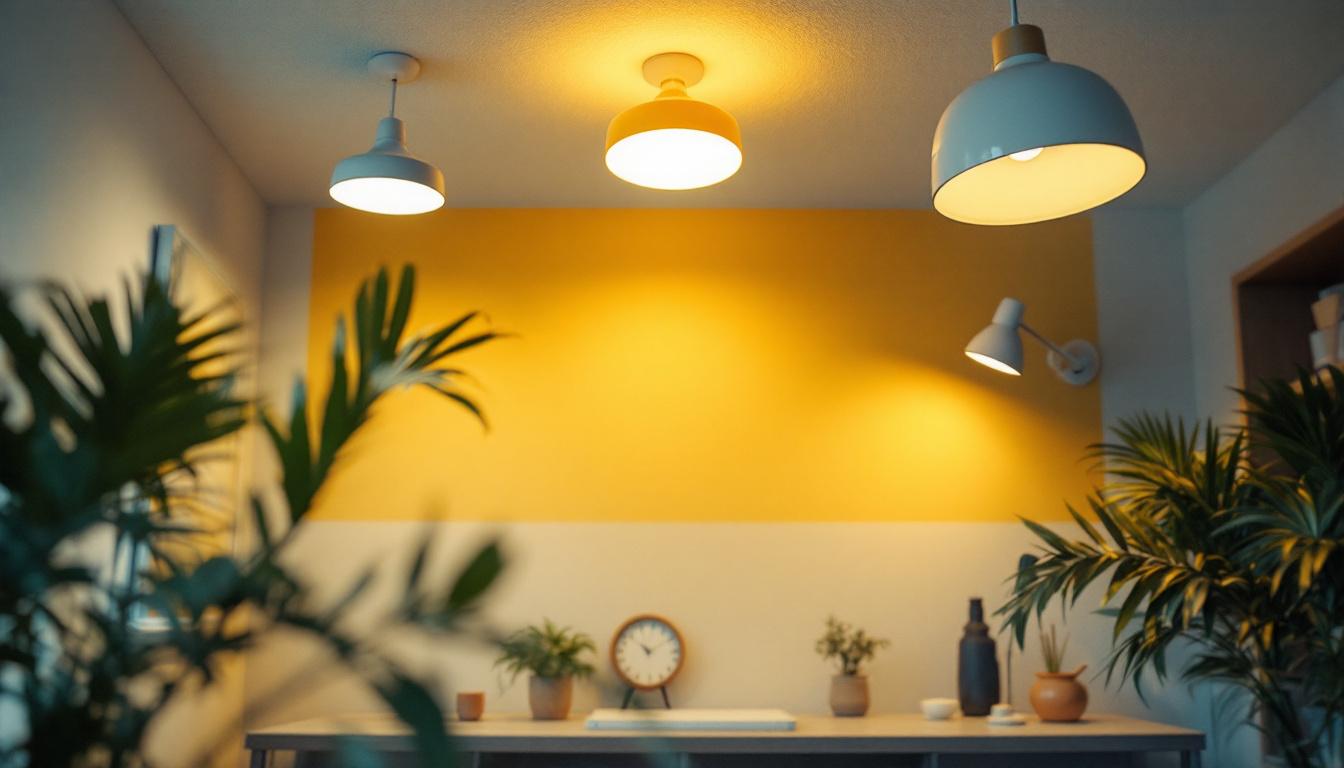
Moreover, the choice of ceiling light housing can significantly influence the overall design and ambiance of a space. For example, recessed lighting can create a sleek, modern look, while pendant fixtures can serve as statement pieces that enhance the room’s decor. The integration of smart lighting technologies within these housings is also becoming increasingly popular, allowing for greater control over lighting conditions and energy consumption. As the industry evolves, staying informed about the latest advancements in ceiling light housing and their applications will empower contractors to deliver innovative and efficient lighting solutions that meet the diverse needs of their clients.
Common Costly Mistakes in Ceiling Light Housing Installation
Lighting contractors often face challenges that can lead to costly errors during ceiling light housing installation. Recognizing and avoiding these pitfalls is crucial for maintaining project budgets and timelines.
1. Incorrect Housing Selection
One of the most frequent mistakes is selecting a housing type that does not align with the project’s requirements. For example, installing a non-IC-rated housing in an insulated ceiling can cause overheating and pose fire hazards, potentially leading to code violations and expensive remediation.
Similarly, using remodel housings in new construction projects can complicate wiring and reduce structural integrity. Contractors must carefully evaluate the project scope and environmental conditions before choosing the housing type. Additionally, considering the specific lighting needs of the space—such as brightness, color temperature, and fixture style—can further influence the selection process. A well-informed choice not only enhances aesthetic appeal but also ensures energy efficiency and longevity of the installation.
2. Ignoring Building Codes and Safety Standards
Compliance with local building codes and safety standards such as those set by the National Electrical Code (NEC) is non-negotiable. Failure to adhere to these regulations can result in failed inspections, legal liabilities, and the need for costly rework.
For instance, improper clearance around housings or incorrect wiring methods can compromise fire safety and electrical integrity. Staying updated with code changes and integrating them into installation practices is essential for contractors. Furthermore, engaging with local authorities and seeking guidance from experienced inspectors can provide invaluable insights into specific regional requirements, helping to avoid common oversights that could lead to significant delays and expenses down the line.
3. Poor Planning for Wiring and Accessibility
Inadequate planning for wiring routes and future accessibility can lead to significant headaches. If housings are installed without considering how electricians will access wiring or replace fixtures, it can result in unnecessary ceiling damage and increased labor costs.
Ensuring that housings have accessible junction boxes and that wiring pathways comply with standards can save time and money during both installation and maintenance phases. Moreover, incorporating flexible wiring solutions, such as conduit systems, can facilitate easier upgrades and repairs in the future. By anticipating the need for potential changes in lighting technology or fixture styles, contractors can create a more adaptable and efficient installation that meets the evolving needs of the space, ultimately enhancing client satisfaction and project value.
Best Practices for Selecting and Installing Ceiling Light Housing
Adopting best practices in the selection and installation of ceiling light housings can dramatically reduce the risk of costly mistakes and improve overall project outcomes.
Thorough Site Assessment and Project Planning
Before selecting housings, conduct a comprehensive assessment of the project site. Consider factors such as ceiling type, insulation, moisture levels, and fire safety requirements. Collaborate closely with architects, electricians, and other stakeholders to align housing choices with the broader project design.
Effective planning also involves anticipating future maintenance needs and ensuring that housings provide sufficient access without compromising the ceiling’s aesthetic or structural integrity. Additionally, it is beneficial to evaluate the potential for future upgrades or changes in technology, such as the integration of smart lighting systems. This foresight can influence the choice of housing and wiring, ensuring that the installation remains relevant and adaptable over time.
Choosing the Right Housing for Energy Efficiency
Energy efficiency is a growing priority in lighting projects, driven by both regulatory requirements and client expectations. Selecting housings compatible with LED fixtures and designed to minimize air leakage can contribute significantly to energy savings.
IC-rated housings, for example, prevent heat transfer to insulation, reducing energy loss and enhancing fixture performance. Additionally, airtight housings help maintain HVAC efficiency by preventing conditioned air from escaping through ceiling penetrations. When selecting housings, consider the long-term operational costs associated with energy consumption, as well as the environmental impact. Utilizing energy-efficient options not only aligns with sustainability goals but can also enhance the overall value of the property, making it more attractive to environmentally conscious buyers or tenants.
Professional Installation Techniques
Proper installation is as important as choosing the right housing. Use manufacturer-recommended methods and tools to secure housings firmly to ceiling structures. Verify that all electrical connections are made in accordance with NEC guidelines and that junction boxes are properly grounded and sealed.
Testing the installation for stability and electrical safety before closing up ceilings can prevent future issues. Documenting installation details also aids in troubleshooting and maintenance. Furthermore, consider the importance of training and certification for installation teams. Ensuring that all personnel are well-versed in the latest installation techniques and safety protocols can significantly enhance the quality of the work performed, leading to fewer callbacks and higher customer satisfaction. Regularly reviewing and updating training programs can keep teams informed about new technologies and installation practices, fostering a culture of continuous improvement within the organization.
Leveraging Technology and Tools to Enhance Ceiling Light Housing Projects
Modern technology offers lighting contractors valuable tools to improve accuracy, efficiency, and communication throughout ceiling light housing projects.
Digital Planning and Modeling Software
Using digital design and modeling software allows contractors to visualize housing placement, wiring routes, and fixture integration before physical installation. This proactive approach reduces guesswork and helps identify potential conflicts or code violations early in the process.
Software tools can also generate detailed documentation and compliance reports, facilitating smoother inspections and client approvals.
Advanced Installation Tools and Equipment
Specialized tools such as adjustable mounting brackets, insulated wire connectors, and non-contact voltage testers enhance installation precision and safety. Investing in high-quality equipment reduces installation errors and accelerates project timelines.
Training and Continuing Education
Staying current with evolving codes, technologies, and best practices is vital. Participating in manufacturer training sessions, industry workshops, and certification programs equips contractors with the knowledge and skills to execute ceiling light housing projects flawlessly.
Case Studies: Avoiding Costly Mistakes in Real-World Projects
Examining real-world examples highlights the tangible benefits of careful ceiling light housing selection and installation.
Case Study 1: Preventing Fire Hazards in Residential Remodel
A lighting contractor was tasked with retrofitting recessed lighting in a home with insulated ceilings. Initially, non-IC-rated housings were specified, but a thorough site assessment revealed the risk of insulation contact. Switching to IC-rated housings prevented potential overheating and ensured compliance with fire safety codes, avoiding costly rework and liability.
Case Study 2: Enhancing Energy Efficiency in Commercial Office Lighting
In a commercial office renovation, the contractor selected airtight housings compatible with LED fixtures. This choice contributed to a significant reduction in energy consumption by minimizing air leakage and optimizing fixture performance. The client reported lower utility costs and improved occupant comfort, demonstrating the value of strategic housing selection.
Case Study 3: Streamlining Installation with Digital Planning
A large-scale hospital lighting project utilized digital modeling software to plan ceiling light housing placement and wiring pathways. This approach identified potential conflicts with HVAC ducts and structural elements before installation, preventing costly delays and ensuring smooth coordination among trades.
Conclusion: Investing in Expertise and Quality to Avoid Costly Mistakes
Ceiling light housing is more than just a component; it is the backbone of any lighting installation. For lighting contractors, avoiding costly mistakes requires a combination of thorough knowledge, meticulous planning, adherence to codes, and the use of modern tools and techniques.
By selecting the right housing types, prioritizing safety and energy efficiency, and embracing technology, contractors can deliver projects that meet client expectations, comply with regulations, and stand the test of time. Investing in expertise and quality from the outset ultimately saves money, enhances reputation, and drives long-term success in the competitive lighting industry.
Get Your Premium Lighting Solutions from LumenWholesale
Ready to elevate your lighting projects with the assurance of quality and cost-efficiency? Look no further than LumenWholesale for all your ceiling light housing needs. Our extensive selection of spec-grade lighting products is designed to meet the highest industry standards, ensuring you get the most reliable and high-performance lighting for every project. With unbeatable wholesale prices and the convenience of free shipping on bulk orders, you can trust LumenWholesale to provide the best value without any hidden fees or compromises. Don’t let costly mistakes undermine your success. Wholesale Lighting at the Best Value is just a click away. Experience the LumenWholesale difference today!