Understanding the Importance of Training in Case Lighting
In the lighting industry, the precision and quality of installation directly impact both the aesthetics and functionality of a space. Case lighting, which involves illuminating display cases, retail environments, museums, and architectural features, demands specialized knowledge and skills. Training your team effectively in this niche ensures that installations not only meet client expectations but also adhere to safety standards and energy efficiency guidelines.
Lighting contractors who invest in comprehensive training programs see tangible benefits such as reduced installation errors, improved client satisfaction, and enhanced team confidence. According to industry surveys, well-trained teams can reduce project rework by up to 30%, saving both time and costs. For contractors focusing on case lighting, where attention to detail is paramount, training becomes a critical factor in maintaining competitive advantage.
Moreover, the rapid evolution of lighting technology, including advancements in LED solutions and smart lighting systems, necessitates ongoing education for professionals in the field. As new products and techniques emerge, staying updated through training ensures that teams can leverage the latest innovations to enhance their designs and installations. This not only helps in creating visually stunning displays but also promotes energy efficiency, which is increasingly important in today’s environmentally conscious market.
Additionally, effective training programs often incorporate hands-on workshops and real-world scenarios, allowing team members to practice their skills in a controlled environment. This experiential learning approach fosters a deeper understanding of the intricacies involved in case lighting installations, such as the optimal positioning of fixtures, color temperature selection, and the interplay of light and shadow. By simulating actual project conditions, teams can build confidence and competence, ultimately leading to more successful outcomes in their lighting projects.
Core Competencies for Case Lighting Professionals
Technical Knowledge and Product Familiarity
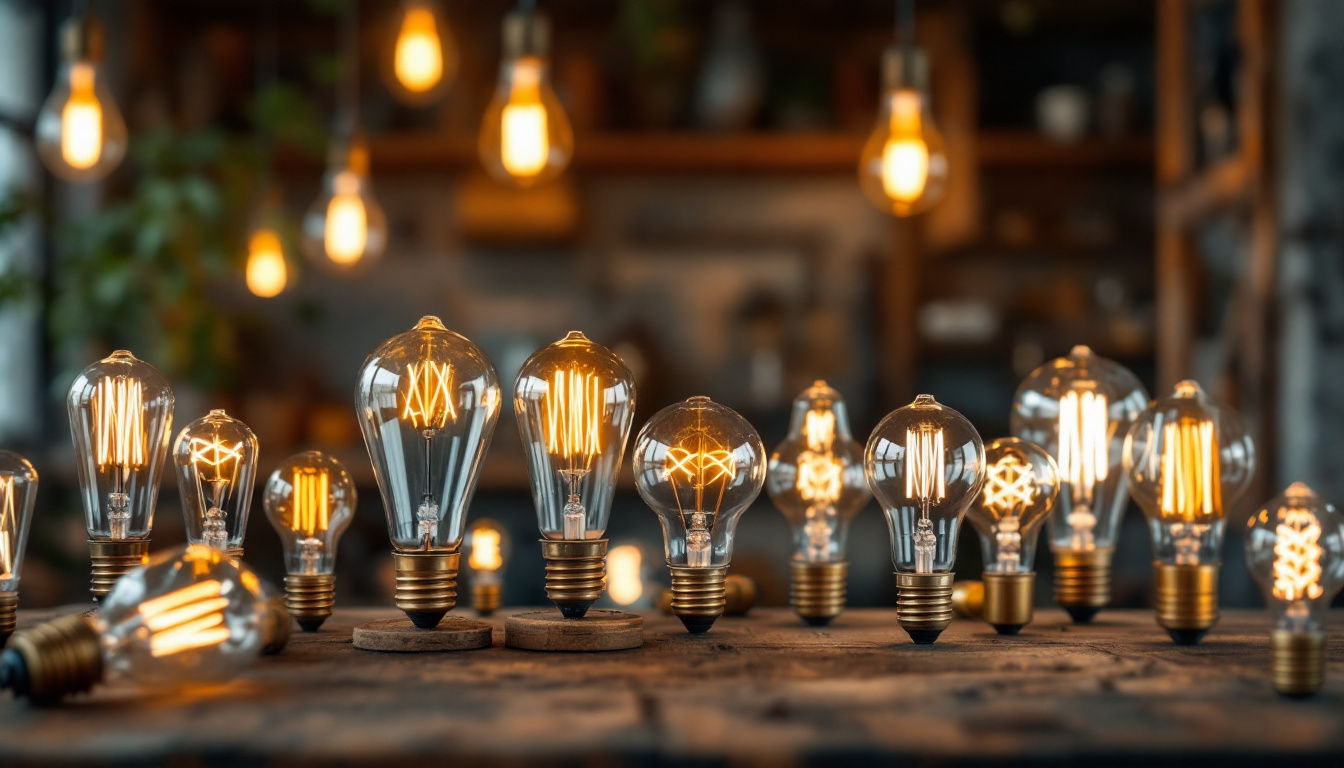
Case lighting involves a variety of lighting technologies including LED strips, fiber optics, miniature spotlights, and adjustable fixtures. Training should cover the characteristics, advantages, and limitations of each type. For example, LED lighting is favored for its energy efficiency and longevity, but understanding color temperature and CRI (Color Rendering Index) is essential to achieve the desired visual effect. Knowledge of how different lighting technologies interact with various materials and colors can significantly enhance the overall aesthetic of a display. For instance, certain materials may reflect light differently, necessitating adjustments in lighting type or intensity to achieve the best visual outcome.
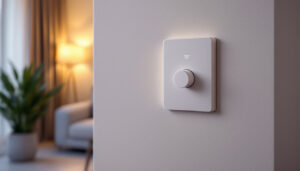
Additionally, familiarity with control systems such as dimmers, sensors, and smart lighting solutions is crucial. These systems enhance the functionality of case lighting, allowing for dynamic adjustments based on ambient light or time of day. Equipping your team with knowledge about these technologies ensures installations are both modern and adaptable. Furthermore, understanding how to integrate these systems with building management software can provide added convenience and energy savings, making case lighting not only visually appealing but also efficient and sustainable.
Design Principles and Lighting Calculations
Effective case lighting is not just about placing fixtures; it requires an understanding of lighting design principles. Training should include lessons on beam angles, light distribution, and how to avoid glare or unwanted shadows. Calculating the appropriate lumen output and spacing between fixtures ensures uniform illumination that highlights the displayed items without causing damage or visual discomfort. Additionally, incorporating concepts such as the layering of light—ambient, task, and accent—can create a more engaging and dynamic display environment. This layered approach not only enhances the visual appeal but also allows for flexibility in showcasing different items or themes over time.
Moreover, teaching your team how to interpret lighting plans and specifications enables smoother collaboration with designers and clients. This competency reduces miscommunication and helps in delivering results that align precisely with the project vision. Understanding the principles of color theory and how light interacts with various hues can further elevate the quality of the lighting design. By mastering these elements, professionals can create immersive experiences that draw customers in and enhance their interaction with the products on display, ultimately leading to increased engagement and sales.
Developing a Structured Training Program
Assessing Team Skill Levels and Learning Needs
Before launching a training program, it’s important to evaluate the existing skills and knowledge of your team members. This can be done through practical assessments, quizzes, or reviewing past project performances. Understanding where gaps exist allows you to tailor the training content effectively, ensuring that time and resources are focused on areas that will yield the greatest improvement.
For example, newer technicians may require foundational training in electrical safety and basic lighting principles, while experienced installers might benefit more from advanced sessions on cutting-edge lighting technologies or troubleshooting complex installations. Additionally, conducting one-on-one interviews can provide deeper insights into individual learning preferences and career aspirations, which can further refine the training approach. Engaging team members in this assessment process not only fosters a sense of ownership but also encourages open communication about their professional development goals.
Choosing Training Formats and Resources
The format of training can significantly influence its effectiveness. A blended approach combining classroom-style instruction, hands-on workshops, and on-site mentoring tends to work best for lighting contractors. Practical experience is especially critical in case lighting, as it involves working in confined spaces and requires precision.
Utilizing manufacturer training programs, online courses, and industry certifications can complement your internal training efforts. These resources often provide up-to-date information on new products and industry standards, helping your team stay current in a rapidly evolving field. Furthermore, incorporating interactive elements such as group discussions or case studies can enhance engagement and retention of information. Consider also leveraging technology by using virtual reality simulations for complex installation scenarios, allowing team members to practice in a risk-free environment. This innovative approach not only makes learning more dynamic but also prepares your team to handle real-world challenges with confidence and skill.
Practical Training Techniques for Case Lighting
Hands-On Installation Workshops
Nothing replaces real-world practice when it comes to mastering case lighting installation. Organizing workshops where team members can practice mounting fixtures, wiring, and configuring controls under supervision builds confidence and competence. These sessions also allow for immediate feedback, helping technicians correct mistakes and refine techniques.
Incorporate scenarios that simulate common challenges such as working within tight display cases, managing heat dissipation, or integrating lighting with existing electrical systems. This prepares your team to handle diverse project conditions effectively.
Safety Protocols and Best Practices
Safety is paramount in any electrical installation. Training must emphasize safe handling of tools and materials, proper use of personal protective equipment (PPE), and adherence to local electrical codes and regulations. Case lighting often involves working in delicate environments like museums or retail stores, where damage to exhibits or merchandise must be avoided.
Regularly updating your team on safety standards and conducting refresher courses helps maintain a culture of safety. Incorporating safety checklists and encouraging open communication about hazards can prevent accidents and ensure compliance.
Measuring Training Effectiveness and Continuous Improvement
Tracking Performance Metrics
To ensure that your training program is delivering results, establish clear performance metrics. These might include installation accuracy rates, time taken per project phase, client feedback scores, and the frequency of post-installation issues. Collecting and analyzing this data helps identify strengths and areas needing further development.
Regular performance reviews combined with training evaluations provide insights into how well your team is absorbing and applying new knowledge. This feedback loop is essential for refining training content and methods.
Encouraging a Culture of Lifelong Learning
The lighting industry is continuously evolving with new technologies, regulations, and design trends. Encouraging your team to engage in ongoing education fosters adaptability and innovation. Support attendance at industry conferences, subscription to trade publications, and participation in professional networks.
Creating an environment where knowledge sharing is valued motivates team members to learn from each other’s experiences. Mentorship programs and collaborative problem-solving sessions can further enhance collective expertise.
Leveraging Technology to Enhance Training
Using Virtual Reality and Simulation Tools
Emerging technologies such as virtual reality (VR) and simulation software offer immersive training experiences. VR can replicate complex case lighting installations, allowing trainees to practice in a risk-free environment. This technology enhances spatial understanding and helps technicians visualize lighting effects before actual deployment.
Simulation tools can also assist in teaching lighting calculations and design principles by providing interactive, real-time feedback. Incorporating these tools into your training program can accelerate learning and improve retention.
Online Learning Platforms and Mobile Training
Online platforms provide flexibility for team members to learn at their own pace and revisit materials as needed. Mobile training apps enable access to tutorials, product manuals, and troubleshooting guides directly on job sites. This immediate availability of information supports problem-solving and reduces downtime.
Integrating digital resources with traditional training methods creates a comprehensive learning ecosystem that caters to diverse learning styles and schedules.
Conclusion: Building a Skilled and Confident Case Lighting Team
Effective training in case lighting is a strategic investment that pays dividends through improved project quality, enhanced safety, and greater client satisfaction. By focusing on core competencies, adopting a structured training approach, and leveraging modern technologies, lighting contractors can develop teams that excel in this specialized field.
Continuous evaluation and fostering a culture of learning ensure that your workforce remains agile and knowledgeable amidst industry advancements. Ultimately, a well-trained team not only elevates your company’s reputation but also drives business growth in the competitive lighting market.
Illuminate Your Projects with LumenWholesale
Ready to elevate your case lighting projects with superior quality and value? Look no further than LumenWholesale, where we provide contractors with spec-grade lighting products at unbeatable wholesale prices. Our extensive selection is designed to meet the highest industry standards, ensuring you get reliable, high-performance lighting for every project. Plus, with free shipping on bulk orders, you can enjoy premium lighting solutions at the best price — without hidden fees or compromises. Enhance your team’s case lighting expertise and project outcomes by choosing Wholesale Lighting at the Best Value with LumenWholesale today.