Understanding the Canopy Light Kit: What It Is and Why It Matters
Canopy light kits are essential components in many commercial and industrial lighting installations. For lighting contractors, mastering the ins and outs of these kits can mean smoother installations, better client satisfaction, and fewer callbacks. But what exactly is a canopy light kit, and why should it be on every contractor’s radar?
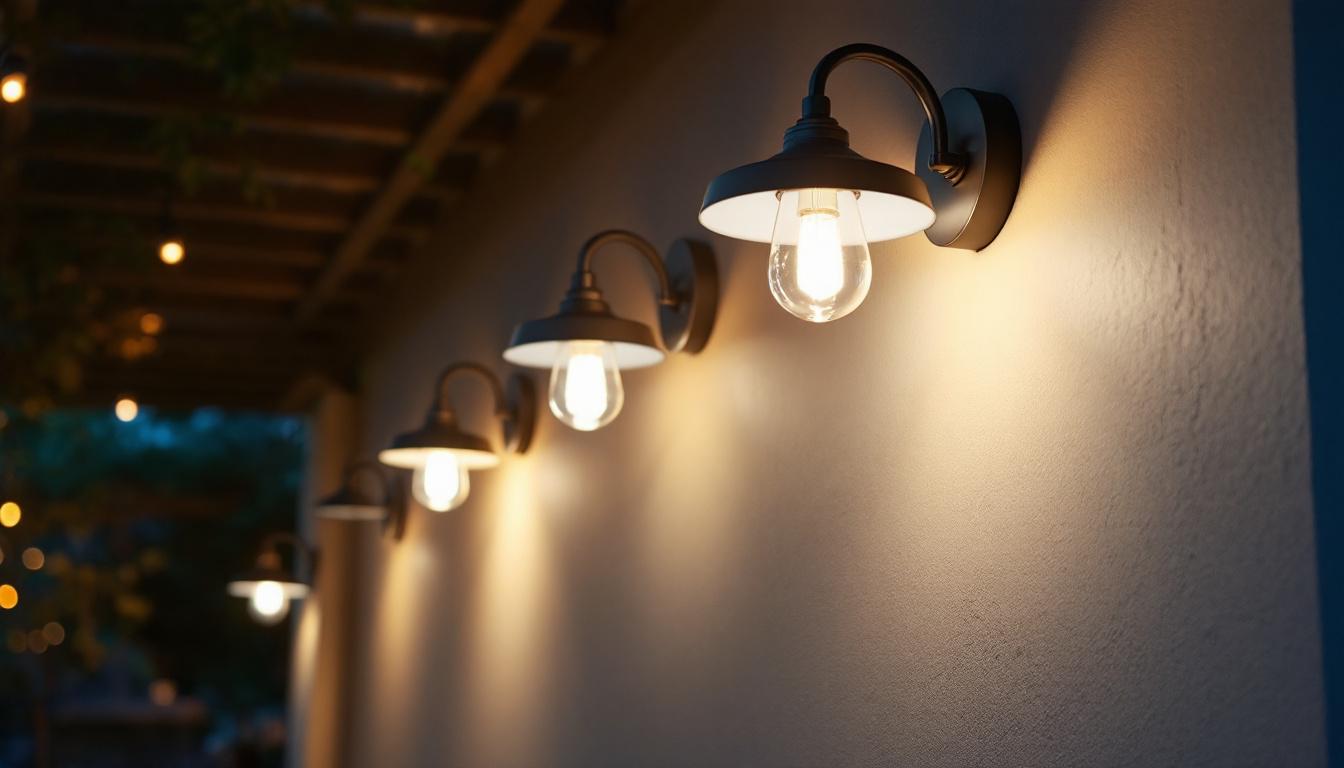
At its core, a canopy light kit is a pre-assembled or modular set of components designed to retrofit or install lighting fixtures in canopy areas—think gas stations, parking garages, walkways, and building overhangs. These kits typically include the fixture housing, lens or diffuser, mounting hardware, and the necessary wiring components. Their design prioritizes durability and weather resistance, given their exposure to outdoor elements.
For contractors, understanding the specifics of canopy light kits is crucial because these kits streamline the installation process. Instead of sourcing individual parts, contractors can rely on a comprehensive package tailored for canopy applications. This reduces installation time and minimizes compatibility issues. Additionally, many kits come with LED modules, which offer significant energy savings and longer lifespans compared to traditional lighting.
Moreover, the versatility of canopy light kits cannot be overstated. They are available in various styles and lumen outputs, allowing contractors to select the most suitable option for each specific application. For instance, a gas station canopy may require brighter lighting to ensure safety and visibility for customers at night, while a parking garage might benefit from softer illumination to create a more inviting atmosphere. This adaptability not only meets the diverse needs of different environments but also enhances the overall aesthetic appeal of the spaces they illuminate.
Another important aspect to consider is the technological advancements that have been integrated into modern canopy light kits. Many of these kits now feature smart technology capabilities, such as motion sensors and dimming options, which can further optimize energy use and improve functionality. By incorporating these features, contractors can offer clients enhanced control over their lighting systems, allowing for adjustments based on occupancy or time of day. This not only contributes to energy efficiency but also aligns with the growing trend toward sustainable building practices, making canopy light kits an even more attractive option for forward-thinking contractors.
Key Components of Canopy Light Kits and Their Functions
Fixture Housing and Lens
The fixture housing is the backbone of the canopy light kit. It’s designed to protect internal components from moisture, dust, and impact. Most housings are made from die-cast aluminum or heavy-duty plastics, materials chosen for their corrosion resistance and ability to dissipate heat effectively. Proper heat dissipation is critical to maintaining LED longevity and performance. Additionally, many modern housings are designed with integrated heat sinks that further enhance thermal management, ensuring that the LEDs operate within their optimal temperature range, thus extending their lifespan and reducing the frequency of replacements.
The lens or diffuser covers the light source and controls the distribution of light. Polycarbonate lenses are common due to their toughness and UV resistance. Some kits include prismatic or frosted lenses to reduce glare and provide even illumination—an important consideration for safety and compliance with local lighting codes. Furthermore, advancements in lens technology have led to the development of lenses with anti-reflective coatings, which improve light transmission and efficiency, allowing for brighter and more uniform lighting in various applications, from parking lots to industrial facilities.
Mounting Hardware and Wiring
Mounting options vary depending on the canopy structure. Common mounting styles include surface mount, recessed mount, and pendant mount. Each style has specific hardware designed to secure the fixture firmly and safely. For contractors, selecting the correct mounting hardware is critical to ensure the fixture’s stability and ease of maintenance. Some kits even offer adjustable mounting brackets, allowing for flexibility in installation and ensuring that the light can be directed precisely where it is needed most, enhancing visibility and safety in the illuminated area.
Wiring components in canopy light kits often come pre-wired or with quick-connect features to reduce installation time. Many kits also include surge protection and compatibility with dimming controls or occupancy sensors, which can add value for clients seeking energy-efficient solutions. Moreover, the incorporation of smart technology into wiring systems is becoming increasingly popular. This allows for remote control and monitoring of lighting systems through mobile apps, providing users with the ability to adjust brightness levels or set schedules, ultimately leading to greater energy savings and improved operational efficiency in commercial settings.
Installation Best Practices for Lighting Contractors
Site Assessment and Preparation
Before installation, conduct a thorough site assessment. Check the canopy’s structural integrity, existing wiring, and environmental conditions. Confirm that the canopy light kit’s specifications match the site requirements, including voltage, mounting style, and ingress protection rating (IP rating). Additionally, consider the surrounding landscape and potential obstructions that may affect light distribution. Factors such as nearby trees, buildings, or signage can create shadows or glare, impacting the overall effectiveness of the lighting solution.
Preparation also involves ensuring that power is safely disconnected and that all necessary permits and inspections are in place. For lighting contractors, this step is non-negotiable to maintain safety and compliance. Furthermore, it’s beneficial to communicate with the client about the installation process and any potential disruptions. Keeping the lines of communication open not only fosters trust but also allows for adjustments to be made based on the client’s needs or concerns. A well-prepared site can significantly enhance the efficiency and safety of the installation process.
Step-by-Step Installation Process
Start by mounting the fixture housing securely using the appropriate hardware. Ensure that the fixture is level and properly aligned to maximize light distribution. Next, connect the wiring according to the manufacturer’s instructions, paying close attention to polarity and grounding. It’s also advisable to use wire connectors that are rated for outdoor use, especially in environments where moisture or extreme temperatures are a concern. This attention to detail will help prevent future maintenance issues and ensure the longevity of the installation.
Once wired, test the fixture before sealing the lens or diffuser. This helps catch any wiring issues early. After confirming functionality, secure the lens and perform a final inspection. Document the installation details and inform the client about maintenance recommendations. It’s also wise to provide the client with a brief overview of the lighting system’s features, such as dimming capabilities or smart controls, if applicable. Educating the client can lead to better utilization of the lighting system and enhance their overall satisfaction with the installation. Additionally, consider scheduling a follow-up visit to assess the lighting performance after a few weeks, allowing for any necessary adjustments based on real-world usage and feedback.
Energy Efficiency and Maintenance Considerations
Leveraging LED Technology
Most modern canopy light kits feature LED modules, which offer several advantages over traditional HID or fluorescent lighting. LEDs consume less power, produce less heat, and have lifespans that can exceed 50,000 hours. For contractors, recommending LED canopy kits can be a strong selling point, especially for clients focused on reducing operational costs.
Additionally, many LED canopy kits are compatible with smart controls like dimmers and occupancy sensors. These features can further reduce energy consumption by adjusting light levels based on usage patterns.
Routine Maintenance Tips
Although canopy light kits are designed for durability, regular maintenance is essential to ensure optimal performance. Cleaning lenses periodically prevents light output degradation caused by dirt or debris buildup. Inspecting seals and gaskets helps maintain weatherproofing and prevents moisture ingress.
For contractors offering maintenance services, scheduling routine checks can help identify issues before they cause fixture failure. This proactive approach extends the life of the installation and builds trust with clients.
Common Challenges and How to Overcome Them
Dealing with Harsh Environmental Conditions
Canopy lighting often faces exposure to rain, snow, dust, and temperature extremes. Selecting kits with appropriate IP ratings and corrosion-resistant materials is vital. For example, an IP65 or higher rating ensures protection against water jets and dust ingress, suitable for most outdoor canopies.
In coastal or industrial environments, extra corrosion protection may be necessary. Contractors should verify that the canopy light kit’s finish and materials can withstand such conditions to avoid premature failure.
Compatibility and Retrofit Issues
When retrofitting older canopy lighting systems, compatibility can be a hurdle. Existing mounting points, wiring configurations, and power supplies might not align with new kits. Conducting a detailed site survey and consulting with manufacturers can help identify suitable retrofit kits or necessary modifications.
Sometimes, custom mounting brackets or adapters are required. Being prepared with these options prevents delays and ensures a professional installation.
Why Canopy Light Kits Are a Smart Choice for Lighting Contractors
Canopy light kits simplify the installation process by bundling all necessary components into one package. This reduces the risk of missing parts and compatibility issues, allowing contractors to complete jobs more efficiently. The modular design of many kits also makes future maintenance or upgrades easier.
From an economic standpoint, recommending canopy light kits with LED technology can help clients reduce energy bills and maintenance costs. This positions contractors as knowledgeable advisors who provide long-term value, not just quick fixes.
Finally, canopy light kits often come with manufacturer warranties and certifications, providing peace of mind for both contractors and clients. This assurance can be a decisive factor when bidding for projects or negotiating contracts.
Get Your Canopy Light Kits at LumenWholesale
Ready to elevate your lighting installations with the efficiency and quality of canopy light kits? Look no further than LumenWholesale. Our commitment to empowering contractors like you with spec-grade lighting products at unbeatable wholesale prices sets us apart. By choosing us, you eliminate the middleman and enjoy superior lighting products at the best value. Our extensive selection not only meets but exceeds industry standards, ensuring reliable, high-performance lighting for every project. Plus, with the convenience of free shipping on bulk orders, you can stock up on premium lighting without worrying about hidden fees or compromises. Don’t miss out on the perfect blend of quality, affordability, and convenience. Take advantage of our exceptional offerings and make LumenWholesale your go-to source for all your lighting needs. Wholesale Lighting at the Best Value is just a click away.