Introduction to Bulbless Lighting Technology
Lighting contractors are continually adapting to innovations that reshape how illumination is delivered in residential, commercial, and industrial environments. One of the most transformative trends in recent years is the rise of bulbless lighting systems. Unlike traditional fixtures that rely on replaceable bulbs, bulbless lights integrate the light-emitting components directly into the fixture, often utilizing LED technology. This shift offers numerous advantages and challenges that every lighting professional should understand.
Bulbless lighting is not just a design evolution; it represents a fundamental change in maintenance, energy efficiency, and installation practices. For contractors, mastering the nuances of these systems can open new business opportunities and improve client satisfaction. This article explores the key points lighting contractors need to know about bulbless lights, from technical specifications and installation considerations to maintenance and market trends.
One of the most significant benefits of bulbless lighting technology is its energy efficiency. Traditional incandescent and fluorescent bulbs consume a considerable amount of energy, while LED components used in bulbless systems are designed to use a fraction of that energy, significantly reducing electricity costs over time. This efficiency not only helps clients save money but also aligns with broader sustainability goals, making these systems an attractive option for environmentally conscious consumers. Furthermore, the longevity of LED technology means that these fixtures can last for years without needing replacement, further enhancing their cost-effectiveness.
In addition to energy savings, bulbless lighting systems often feature advanced control capabilities, such as dimming and smart technology integration. This allows for greater customization of lighting environments, enabling users to adjust brightness and color temperature according to their preferences or specific tasks. For contractors, understanding how to implement these smart systems can be a game-changer, as they cater to the growing demand for intelligent home and building automation. As clients increasingly seek out modern solutions that enhance their living and working spaces, being well-versed in the intricacies of bulbless lighting can set contractors apart in a competitive market.
Understanding Bulbless Lighting Systems
What Are Bulbless Lights?
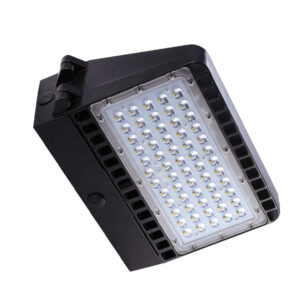
Bulbless lights are fixtures where the light source is integrated into the housing, eliminating the need for a separate bulb component. Most bulbless systems use Light Emitting Diodes (LEDs) mounted on circuit boards or modules inside the fixture. This design contrasts with traditional lighting, which typically uses incandescent, halogen, or fluorescent bulbs that can be replaced independently of the fixture.
The integration of LEDs directly into the fixture offers several benefits, including a more compact design, improved durability, and often enhanced energy efficiency. Since LEDs are solid-state devices, they are less susceptible to damage from vibrations or shocks, making bulbless fixtures particularly suitable for industrial or outdoor applications.
Types of Bulbless Lighting Fixtures
Bulbless lighting comes in various forms tailored to different applications. Common types include linear LED fixtures, panel lights, downlights, and outdoor area lights. Each type is designed to optimize light distribution and energy use for specific environments.
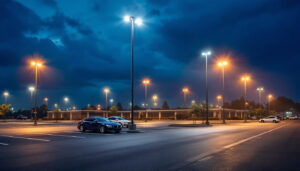
For example, linear LED fixtures are popular in commercial office settings for their uniform illumination and sleek appearance. Panel lights, often used in retail and healthcare facilities, provide broad, even lighting that reduces glare. Outdoor bulbless fixtures, such as LED streetlights and floodlights, are designed for durability and long service life under harsh weather conditions.
Advantages of Bulbless Lights for Contractors
Reduced Maintenance and Longer Lifespan
One of the most compelling reasons for contractors to recommend bulbless lighting is the significant reduction in maintenance requirements. Traditional bulbs have limited lifespans—often ranging from 1,000 to 10,000 hours depending on the technology—and require periodic replacement. Bulbless LED fixtures, however, can last upwards of 50,000 hours or more, drastically reducing the frequency of service calls.
For facility managers and building owners, this translates into lower operational costs and less downtime. For contractors, it means fewer emergency repairs and more opportunities to focus on proactive maintenance or new installations. This reliability is especially valuable in commercial and industrial settings where lighting outages can disrupt operations or compromise safety.
Energy Efficiency and Sustainability
Bulbless LED fixtures are among the most energy-efficient lighting solutions available. They consume significantly less power than incandescent or fluorescent bulbs while providing equal or better illumination. This efficiency not only lowers utility bills for clients but also supports sustainability goals, which are increasingly important in public and private sectors.
Contractors who emphasize the environmental benefits of bulbless lighting can position themselves as leaders in green building practices. Many clients seek to reduce their carbon footprint, and lighting upgrades are a straightforward, cost-effective way to achieve this. Additionally, many jurisdictions offer incentives or rebates for installing energy-efficient lighting, creating further value for contractors and their customers.
Design Flexibility and Aesthetic Appeal
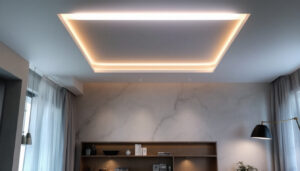
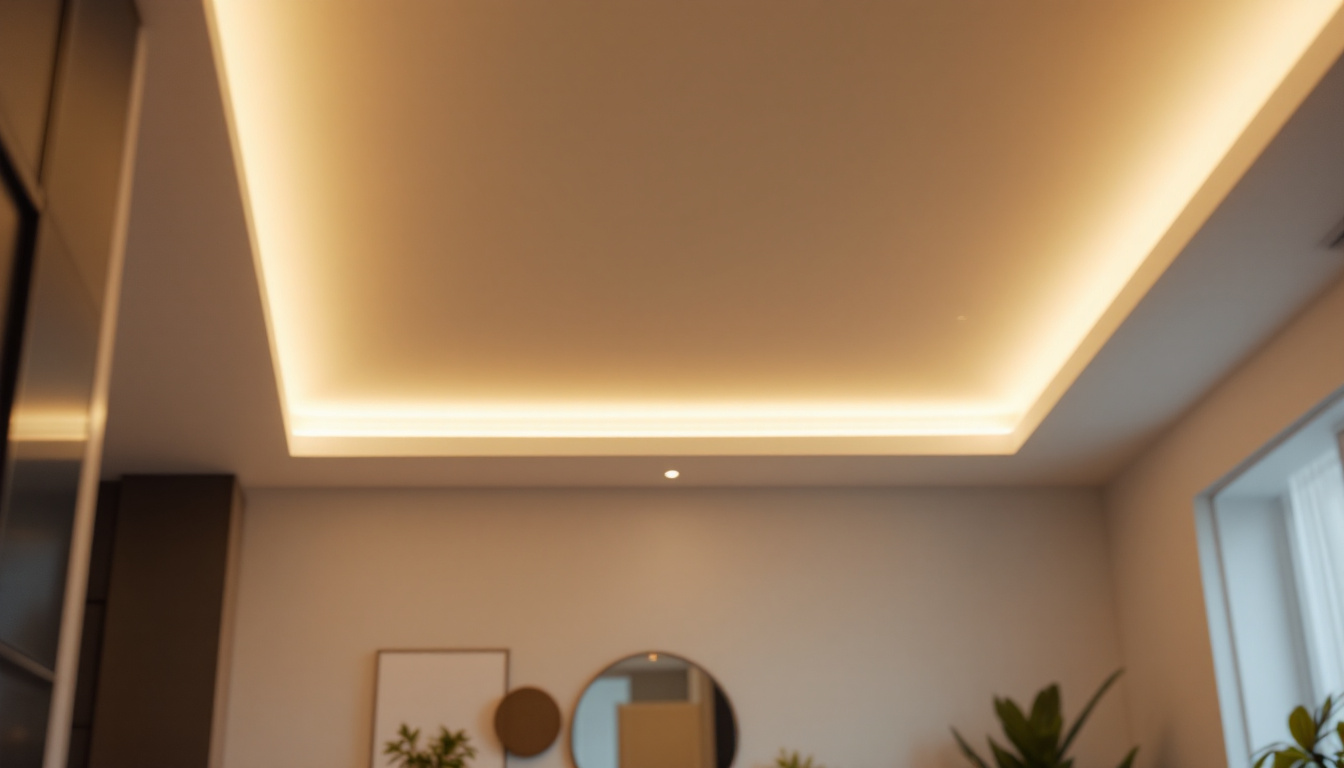
Without the constraints of traditional bulbs, bulbless lighting fixtures can be designed with greater flexibility. This allows for slimmer profiles, innovative shapes, and more uniform light distribution. Such design freedom enables contractors to meet diverse aesthetic and functional requirements, from modern architectural projects to historic building retrofits.
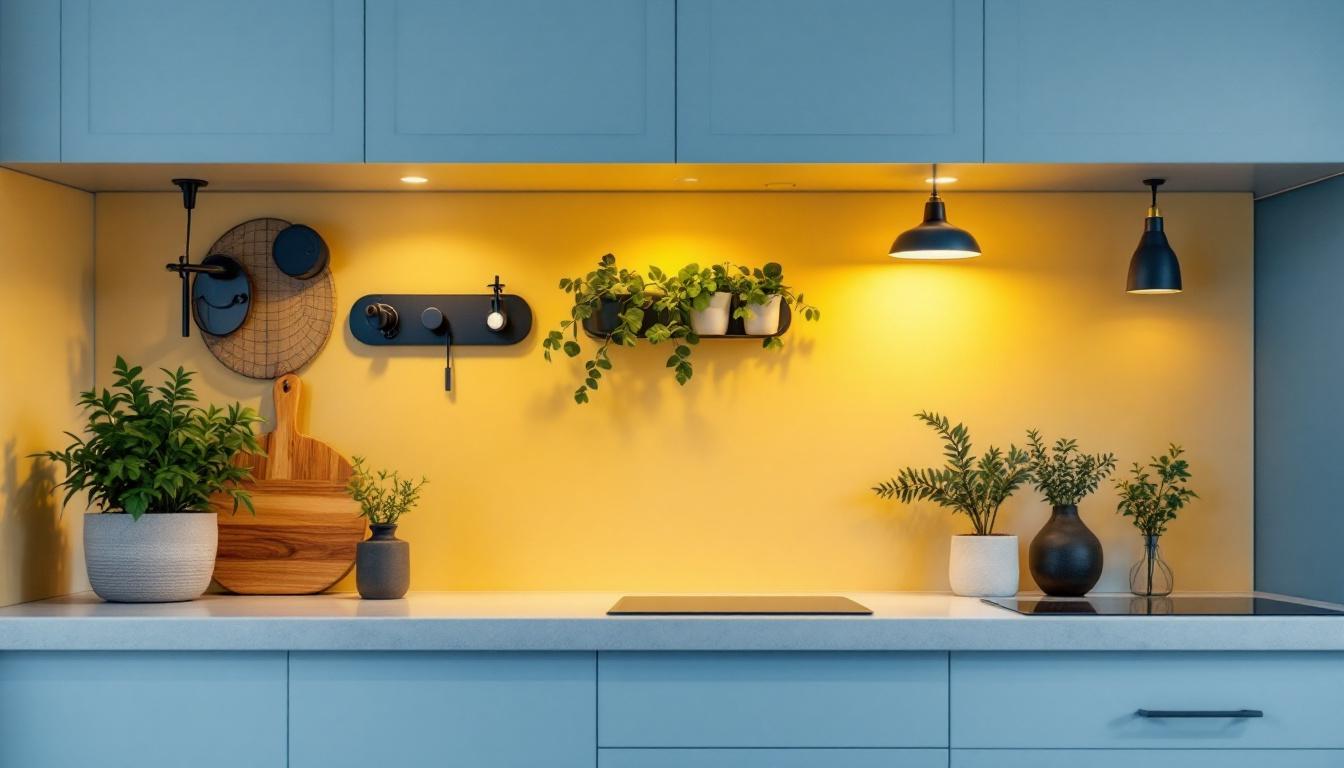
Moreover, integrated LEDs often provide better color rendering and dimming capabilities, enhancing the quality of light in interior spaces. This can improve occupant comfort and productivity, which is a key selling point for commercial clients. The ability to customize lighting solutions also helps contractors differentiate their offerings in a competitive market.
Installation Considerations for Bulbless Lighting
Electrical and Mechanical Compatibility
Installing bulbless lighting systems requires careful attention to electrical specifications and mechanical compatibility. Since the light source is integrated, the entire fixture must be replaced if the LEDs fail, which necessitates a different approach to inventory and service planning compared to traditional bulbs.
Contractors should verify that the existing wiring and control systems are compatible with LED drivers and dimmers designed for bulbless fixtures. LED drivers regulate current and voltage to the LEDs and are critical for optimal performance and longevity. Using incompatible components can lead to flickering, reduced lifespan, or even fixture failure.
Thermal Management
LEDs generate heat that must be effectively dissipated to maintain performance and prevent premature failure. Bulbless fixtures typically include heat sinks or other thermal management features integrated into the design. Proper installation must ensure that these components are not obstructed and that the fixture is mounted in a way that facilitates adequate airflow.
Contractors should be aware of the manufacturer’s guidelines regarding ambient temperature limits and installation environments. In some cases, additional ventilation or cooling measures may be necessary, especially in enclosed or high-temperature spaces.
Compliance and Safety Standards
Lighting contractors must ensure that bulbless lighting installations comply with local electrical codes, building regulations, and safety standards. Many bulbless fixtures are designed to meet certifications such as UL, DLC, or ENERGY STAR, which can simplify the approval process and reassure clients about product quality.
Understanding these standards is essential not only for legal compliance but also for liability management. Contractors should keep detailed records of product specifications, installation procedures, and inspections to protect themselves and their clients.
Maintenance and Troubleshooting of Bulbless Lights
Routine Inspection and Cleaning
Although bulbless lights require less frequent maintenance, routine inspections remain important. Dust, dirt, and debris can accumulate on fixtures, reducing light output and potentially causing overheating. Cleaning the fixture surfaces and ensuring that heat sinks remain unobstructed can extend the life of the installation.
Contractors should advise clients on appropriate maintenance schedules and provide guidance on safe cleaning techniques. In many cases, simple preventive care can avoid costly repairs or premature replacements.
Diagnosing Common Issues
When bulbless lighting systems encounter problems, troubleshooting differs from traditional bulb-based fixtures. Since the LEDs are integrated, failure often means replacing the entire fixture or LED module rather than swapping out a bulb. Common issues include driver failure, thermal damage, or electrical connection problems.
Contractors should be equipped with diagnostic tools such as multimeters and thermal cameras to identify the root cause quickly. Partnering with reliable manufacturers who offer warranties and technical support can also streamline repairs and minimize downtime for clients.
Market Trends and Opportunities for Lighting Contractors
Growing Demand for Smart Bulbless Lighting
The integration of smart technology with bulbless lighting is accelerating market growth. Connected lighting systems that incorporate sensors, wireless controls, and automation are becoming standard in commercial and institutional buildings. These systems offer enhanced energy savings, improved occupant comfort, and data-driven facility management.
Lighting contractors who develop expertise in smart bulbless lighting can tap into lucrative projects involving IoT integration and building automation. This requires staying current with evolving protocols such as Zigbee, Bluetooth Mesh, and DALI, as well as understanding software platforms that manage lighting networks.
Retrofitting Existing Installations
Many existing buildings still rely on outdated lighting technologies. Retrofitting these spaces with bulbless LED fixtures presents a significant opportunity for contractors. Upgrading lighting can improve energy efficiency, reduce maintenance costs, and enhance aesthetics without major construction work.
Successful retrofits require careful planning to address compatibility with existing infrastructure and minimize disruption. Contractors who can offer comprehensive assessments, customized solutions, and efficient installation services will find strong demand in this sector.
Emphasizing Sustainability and Regulatory Compliance
As governments and organizations tighten regulations on energy consumption and environmental impact, bulbless lighting will play a central role in compliance strategies. Lighting contractors who position themselves as sustainability partners can build trust and long-term relationships with clients.
Offering guidance on rebate programs, lifecycle cost analysis, and green certifications adds value beyond installation. This consultative approach helps contractors differentiate their services and align with broader market trends toward responsible building practices.
Conclusion: Why Lighting Contractors Should Embrace Bulbless Lighting
Bulbless lighting technology represents a significant advancement in the lighting industry, offering benefits that align closely with the priorities of modern building owners and managers. For lighting contractors, understanding the technical, operational, and market aspects of bulbless lights is essential to delivering superior service and staying competitive.
From reduced maintenance and energy savings to design flexibility and smart integration, bulbless lighting opens new avenues for innovation and business growth. By mastering installation best practices, troubleshooting techniques, and sustainability considerations, contractors can position themselves as trusted experts in this evolving field.
Embracing bulbless lighting not only enhances project outcomes but also contributes to a more sustainable and efficient built environment—making it a smart choice for contractors and clients alike.
Get Your Bulbless Lighting Solutions at LumenWholesale
Ready to lead the charge in bulbless lighting innovation? Partner with LumenWholesale for access to premium, spec-grade lighting products that will set your projects apart. Our commitment to quality and affordability ensures you can offer your clients the best in energy efficiency and design without the burden of inflated costs. With free shipping on bulk orders, LumenWholesale is your go-to source for lighting that meets the highest industry standards. Don’t let middleman markups dim your competitive edge. Elevate your lighting game and discover wholesale lighting at the best value today.