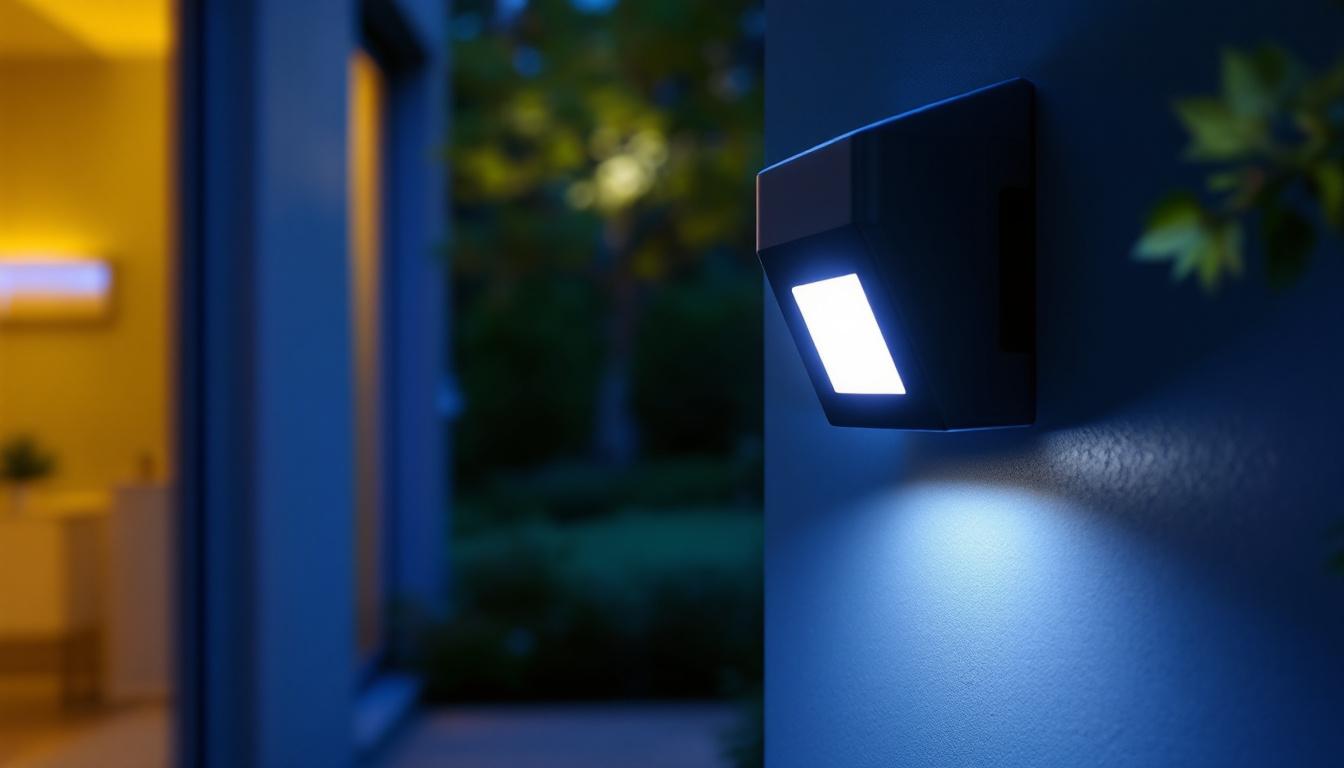
Introduction to LED Outdoor Lighting
Outdoor lighting plays a crucial role in enhancing the safety, security, and aesthetic appeal of residential, commercial, and public spaces. For lighting contractors, selecting the right type of outdoor lighting is not just about brightness or design—it’s about energy efficiency, long-term cost savings, and environmental impact. Among the various lighting technologies available, Light Emitting Diode (LED) lighting has emerged as the industry standard for outdoor applications.
LED outdoor lighting offers superior energy efficiency compared to traditional lighting options such as incandescent, halogen, or high-pressure sodium lamps. This article explores the best LED outdoor lighting solutions and their significant impact on energy efficiency, providing lighting contractors with the insights needed to make informed decisions for their projects.
One of the most compelling advantages of LED outdoor lighting is its longevity. LED fixtures can last up to 25,000 hours or more, significantly outpacing the lifespan of conventional bulbs, which typically require replacement every few months. This durability not only reduces maintenance costs but also minimizes the environmental waste associated with frequent bulb replacements. Furthermore, LED lights are designed to withstand harsh weather conditions, making them ideal for outdoor settings where exposure to the elements is a constant concern.
In addition to their impressive lifespan, LED outdoor lights also contribute to enhanced safety and security. Well-lit outdoor areas deter criminal activity and provide a sense of safety for residents and visitors alike. With the ability to produce bright, focused light, LED fixtures can illuminate pathways, driveways, and entry points effectively. Moreover, many modern LED systems come equipped with smart technology, allowing for features such as motion sensors and programmable settings. These advancements not only improve energy efficiency by ensuring lights are only on when needed but also offer customizable lighting solutions that can adapt to the specific needs of any outdoor space.
Why LED Technology is Transforming Outdoor Lighting
Energy Efficiency and Cost Savings
One of the most compelling reasons to choose LED outdoor lighting is its remarkable energy efficiency. LEDs consume up to 75% less energy than traditional incandescent bulbs and approximately 50% less than high-pressure sodium or metal halide lamps. This translates into substantial reductions in electricity bills, especially for large-scale outdoor installations such as parking lots, street lighting, and sports arenas.
For lighting contractors, this efficiency means offering clients solutions that reduce operational costs without compromising on illumination quality. The long lifespan of LEDs—often exceeding 50,000 hours—also minimizes maintenance expenses, which is a critical consideration for outdoor lighting that is difficult or expensive to access. Additionally, many municipalities are beginning to implement energy-efficient lighting initiatives, making the switch to LED not just a cost-saving measure but also a step towards compliance with local regulations aimed at reducing carbon footprints.
Durability and Environmental Impact
LEDs are highly durable and resistant to shock, vibration, and extreme weather conditions. Unlike traditional bulbs, they do not contain hazardous materials such as mercury, making them safer to handle and dispose of. This environmental advantage aligns with growing regulatory pressures and sustainability goals that many municipalities and businesses face.
Lighting contractors can leverage these benefits by recommending LED solutions that contribute to green building certifications and meet stringent environmental standards, thereby enhancing their reputation and expanding their market opportunities. Moreover, the ability of LEDs to produce a wide range of color temperatures allows for greater customization in outdoor settings, creating atmospheres that can enhance safety, visibility, and even aesthetic appeal in public spaces. As communities increasingly prioritize sustainable practices, the demand for LED technology is likely to continue its upward trajectory, making it a pivotal component of future urban planning and development strategies.
Key Features of the Best LED Outdoor Lighting
High Lumen Output with Low Wattage
The best LED outdoor lighting fixtures deliver high lumen output while maintaining low wattage consumption. This balance ensures bright, clear illumination that enhances visibility and safety without excessive energy use. Modern LED chips and drivers have been engineered to maximize luminous efficacy, often reaching 130 lumens per watt or higher, which is significantly better than older lighting technologies.
For lighting contractors, understanding lumen-to-watt ratios is essential when specifying fixtures for different outdoor applications, whether for pathway lighting, façade illumination, or large-area floodlighting. Additionally, the longevity of LED fixtures—often rated for 25,000 to 50,000 hours—means that clients can enjoy substantial savings on maintenance and replacement costs over time. This durability not only contributes to lower operational expenses but also aligns with sustainable practices by reducing the frequency of waste generated from discarded lighting products.
Advanced Optics and Beam Control
Effective outdoor lighting requires precise beam control to avoid light pollution and glare. The best LED fixtures incorporate advanced optics such as lenses and reflectors designed to direct light exactly where it is needed. This targeted illumination improves energy efficiency by reducing wasted light and enhancing visual comfort. For example, street lighting that utilizes asymmetric optics can provide uniform illumination on roadways while minimizing spill light into adjacent properties.
Contractors should prioritize products with customizable beam angles and shielding options to comply with local lighting ordinances and dark sky initiatives, which aim to protect nocturnal environments. Furthermore, the incorporation of adaptive optics can allow for real-time adjustments based on environmental conditions, ensuring that outdoor spaces are always optimally lit while preserving the natural night sky. This level of sophistication not only meets regulatory requirements but also enhances the aesthetic appeal of outdoor areas, making them more inviting and safer for nighttime use.
Smart Controls and Integration
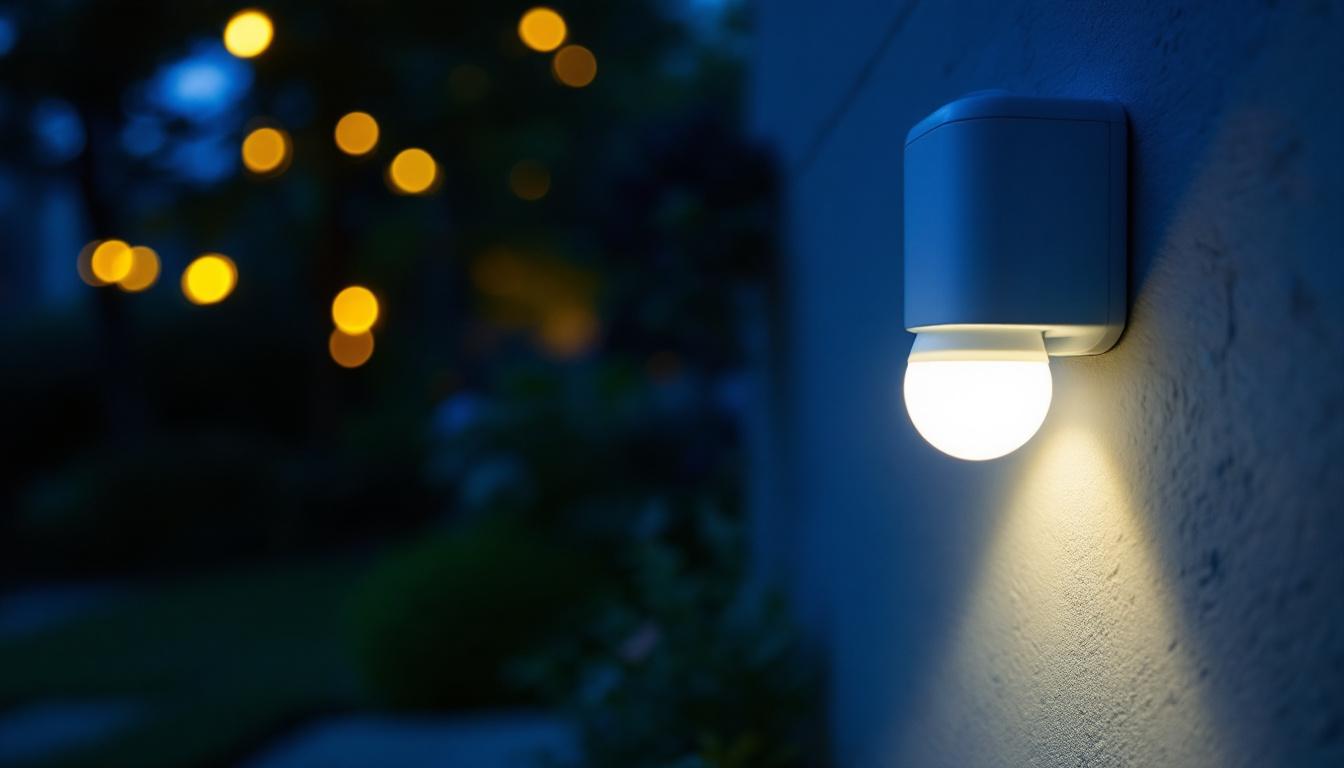
Integrating LED outdoor lighting with smart controls—such as motion sensors, dimmers, and programmable timers—further enhances energy savings. These technologies allow lighting to adjust dynamically based on occupancy, daylight availability, or specific schedules, thereby reducing unnecessary energy consumption. For instance, a motion sensor can activate pathway lights only when someone approaches, significantly cutting down on energy waste during off-peak hours.
For contractors, offering smart LED lighting solutions can differentiate their services and provide clients with cutting-edge, energy-efficient systems that adapt to real-world conditions. Additionally, the integration of smart technology can facilitate remote monitoring and control through mobile applications, allowing users to manage their outdoor lighting from anywhere. This level of convenience not only enhances user experience but also promotes energy conservation by enabling users to quickly identify and rectify any issues, such as malfunctioning fixtures or unexpected power usage, ensuring that outdoor spaces remain well-lit and secure at all times.
Applications of LED Outdoor Lighting and Energy Efficiency Benefits
Street and Roadway Lighting
Street lighting is one of the largest consumers of outdoor lighting energy. Transitioning to LED streetlights can reduce energy consumption by 40% to 60%, depending on the previous technology used. LEDs also improve visibility and safety for drivers and pedestrians due to their superior color rendering and uniform light distribution.
Lighting contractors working with municipalities and transportation agencies can emphasize these benefits to promote LED retrofits and new installations that meet modern standards for energy efficiency and public safety.
Parking Lots and Commercial Spaces
Parking lot lighting demands high-intensity illumination for security and convenience. LEDs provide bright, consistent light while consuming less energy and requiring less maintenance than traditional metal halide or high-pressure sodium fixtures. Additionally, LED lighting can be zoned and controlled to dim during low-traffic periods, further conserving energy.
Contractors should highlight the total cost of ownership advantages when proposing LED upgrades for commercial clients, including reduced energy bills, lower maintenance costs, and enhanced customer experience.
Architectural and Landscape Lighting
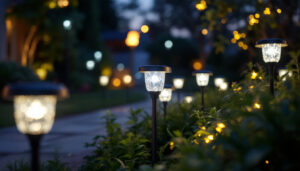
LEDs enable creative and flexible lighting designs for architectural features and landscapes. Their compact size and variety of color temperatures allow for tailored illumination that enhances visual appeal while minimizing energy use. LEDs also produce less heat, reducing the risk of damage to plants or building materials.
For lighting contractors, offering LED solutions in this sector can open opportunities in high-end residential and commercial projects where energy efficiency and design excellence are both priorities.
Challenges and Considerations in LED Outdoor Lighting Installation
Initial Investment and Return on Investment (ROI)
While LED outdoor lighting offers significant long-term savings, the upfront cost can be higher than traditional lighting options. However, the total cost of ownership—factoring in energy savings, reduced maintenance, and longer lifespan—typically results in a favorable ROI within a few years.
Contractors should prepare detailed cost-benefit analyses for clients to demonstrate the financial advantages of LED investments, helping to overcome budgetary hesitations.
Quality and Reliability of LED Products
The market is flooded with LED products of varying quality. Selecting fixtures from reputable manufacturers with proven performance records is critical to ensure reliability, consistent light output, and warranty support. Poor-quality LEDs can suffer from rapid lumen depreciation, color shifts, and premature failure, negating energy efficiency benefits.
Lighting contractors must conduct thorough product evaluations and rely on certifications such as DLC (DesignLights Consortium) and ENERGY STAR to identify high-quality LED outdoor lighting solutions.
Proper Design and Installation Practices
Maximizing energy efficiency requires careful lighting design and professional installation. Factors such as fixture placement, mounting height, aiming angle, and electrical connections influence performance and energy consumption. Inadequate design can lead to over-illumination, glare, and wasted energy.
Contractors should employ lighting design software and adhere to industry standards to optimize LED outdoor lighting systems, ensuring they meet client expectations and regulatory requirements.
The Future of LED Outdoor Lighting and Energy Efficiency
Advancements in LED technology continue to push the boundaries of energy efficiency and lighting quality. Emerging innovations include tunable white LEDs that adjust color temperature to match circadian rhythms, integration with Internet of Things (IoT) platforms for real-time monitoring and control, and enhanced materials that improve thermal management and longevity.
Lighting contractors who stay informed about these trends and incorporate the latest technologies into their offerings will be well-positioned to deliver superior energy-efficient outdoor lighting solutions that meet evolving client and environmental demands.
Conclusion
LED outdoor lighting represents a transformative opportunity for lighting contractors to deliver energy-efficient, cost-effective, and environmentally responsible solutions. By understanding the key features, applications, and challenges associated with LED technology, contractors can guide clients toward lighting systems that reduce energy consumption, lower operational costs, and enhance outdoor environments.
Embracing LED outdoor lighting not only benefits clients financially but also contributes to broader sustainability goals, making it a smart choice for the future of outdoor illumination.
Illuminate Your Projects with LumenWholesale
Ready to elevate your outdoor lighting projects with the best LED solutions? At LumenWholesale, we’re committed to providing lighting contractors like you with the highest quality, spec-grade LED lighting products at unbeatable wholesale prices. Say goodbye to local distributor markups and hello to our extensive selection that meets the highest industry standards for reliability and performance. With free shipping on bulk orders, you can trust that you’re getting premium lighting at the best value — no hidden fees, no compromises. Enhance your outdoor environments with energy-efficient lighting that’s both cost-effective and environmentally responsible. Make the smart choice for your next project and explore our collection at LumenWholesale — where quality, affordability, and convenience come together.