Choosing the Right LED Bulbs for Outdoor Applications
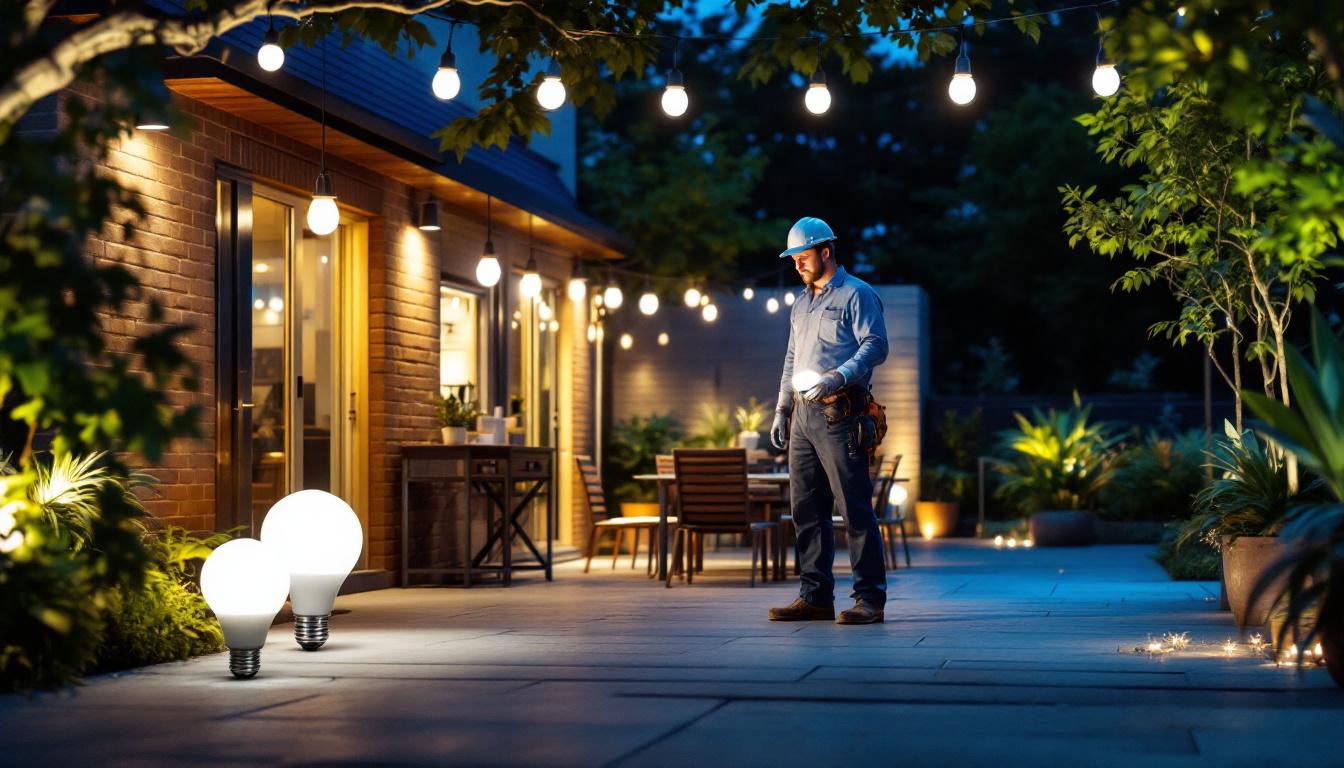
Outdoor lighting contractors face a unique set of challenges when selecting LED bulbs. Unlike indoor environments, outdoor settings expose bulbs to weather extremes, varying temperatures, and moisture. The wrong choice can lead to premature failure, increased maintenance costs, and dissatisfied clients.
One of the first considerations is the bulb’s durability. Outdoor-rated LED bulbs must have an IP (Ingress Protection) rating that ensures resistance to dust and water. For example, bulbs with an IP65 rating or higher are typically suitable for most outdoor uses, offering protection against water jets and dust ingress. Additionally, the materials used in the bulb’s construction play a significant role in its resilience. For instance, polycarbonate or tempered glass enclosures can withstand impacts from debris or falling branches, making them ideal for areas prone to storms or heavy winds.
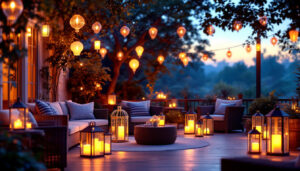
Color temperature is another critical factor. While indoor lighting often favors warmer tones, outdoor lighting benefits from cooler temperatures ranging from 4000K to 5000K. These cooler hues provide better visibility and enhance security without creating harsh glare. Furthermore, the right color temperature can dramatically influence the ambiance of outdoor spaces, making them more inviting for gatherings or events. For example, a cooler light can make pathways more visible, while a slightly warmer tone may be used in patio areas to create a cozy atmosphere.
Energy Efficiency and Longevity
LED bulbs are celebrated for their energy efficiency, but not all outdoor LED bulbs perform equally. Contractors must evaluate lumens per watt (lm/W) to determine true efficiency. A bulb with a higher lm/W rating delivers more light for less energy, which is essential for large outdoor installations where energy costs can quickly add up. Moreover, many modern LED bulbs come with smart technology features that allow for dimming and scheduling, further optimizing energy usage and extending the life of the bulbs.
Longevity also matters. Outdoor LED bulbs should have a rated lifespan of at least 25,000 to 50,000 hours. This reduces the frequency of replacements and labor costs. However, lifespan can be affected by factors like heat dissipation and voltage fluctuations, which makes the quality of the bulb’s internal components and heat sink design vital. In addition to these technical specifications, contractors should consider the warranty offered by manufacturers, as a longer warranty can indicate confidence in the product’s durability and performance. This can serve as an added layer of assurance for contractors and their clients, ensuring peace of mind in investment and installation.
Environmental Challenges Affecting Outdoor LED Performance
Outdoor lighting environments are unpredictable. Lighting contractors must account for temperature extremes, humidity, and exposure to elements like rain, snow, and wind. These factors can degrade LED bulbs if they are not designed for such conditions. Furthermore, the installation location plays a crucial role; areas prone to heavy winds or storms may require more robust fixtures to withstand the elements, ensuring longevity and reliability in performance.
Temperature is particularly impactful. LEDs perform best within a specific temperature range, and excessive heat can reduce their lifespan. Bulbs with effective thermal management systems, including heat sinks or cooling fins, help maintain optimal operating temperatures. In colder climates, some LED bulbs include built-in heaters to prevent condensation and frost buildup. Additionally, the thermal performance of the entire fixture, including the materials used in its construction, can significantly influence how well it dissipates heat, making it vital for contractors to select high-quality components that can endure the rigors of outdoor use.
Dealing with Moisture and Corrosion
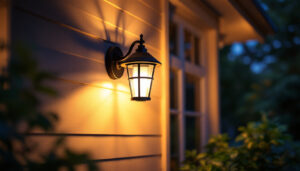
Moisture intrusion is a common cause of LED bulb failure outdoors. Sealed housings and the use of corrosion-resistant materials like stainless steel or treated aluminum are essential. Lighting fixtures should also have proper drainage to prevent water accumulation around the bulb. In regions with high humidity or frequent rainfall, the choice of gaskets and seals becomes critical; these components must be durable and effective in keeping moisture at bay while allowing for thermal expansion and contraction.
Contractors should verify that bulbs and fixtures meet relevant outdoor safety standards, such as UL Wet Location or Damp Location ratings. These certifications ensure the product has been tested for performance in wet or humid conditions. Moreover, regular maintenance checks can help identify early signs of wear or corrosion, allowing for timely replacements or repairs. Implementing a proactive maintenance schedule not only extends the life of the lighting system but also enhances safety by reducing the risk of electrical failures or hazards associated with moisture exposure. By prioritizing these factors, contractors can ensure that outdoor LED installations remain efficient and reliable for years to come.
Compatibility and Installation Considerations
Compatibility issues can arise when retrofitting existing outdoor lighting systems with LED bulbs. Many older fixtures were designed for incandescent or halogen bulbs and may not support the electrical characteristics of LEDs. This incompatibility can lead to a range of performance issues, including inadequate brightness levels and increased energy consumption, which can negate the energy-saving advantages that LEDs typically offer.
One common problem is flickering or dimming caused by incompatible dimmer switches or transformers. Contractors need to ensure that the LED bulbs are compatible with the existing control systems or recommend upgrading to LED-compatible dimmers. Additionally, it is essential to consider the total wattage load on the dimmer; exceeding the recommended load can lead to overheating and potential failure of both the dimmer and the LED bulbs. Proper assessment and planning can prevent these issues and ensure a smooth transition to LED technology.
Voltage and Power Supply Challenges
Outdoor lighting often operates on low-voltage systems (12V or 24V). Using LED bulbs designed for these voltages is crucial. Mismatched voltage can cause bulbs to underperform or fail prematurely. Furthermore, the installation of LED bulbs in fixtures not rated for low voltage can lead to safety hazards, including electrical shocks or fire risks. Therefore, it is imperative to verify the specifications of both the fixtures and the LED bulbs before proceeding with the installation.
Power surges and fluctuations are another concern. Installing surge protectors or voltage regulators can safeguard LED bulbs, especially in areas prone to electrical disturbances. This step is sometimes overlooked but can significantly extend the life of outdoor LED installations. Additionally, using high-quality transformers specifically designed for LED applications can help mitigate these issues. These transformers not only provide stable voltage but also improve the overall efficiency of the lighting system, ensuring that the LEDs operate at optimal performance levels. By addressing these voltage and power supply challenges, homeowners can enjoy the full benefits of their outdoor LED lighting systems while minimizing maintenance and replacement costs.
Addressing Aesthetic and Functional Requirements
Clients expect outdoor lighting to be both functional and visually appealing. Lighting contractors must balance brightness, beam angle, and color rendering to meet these expectations. The challenge lies in creating a harmonious blend of light that not only serves its purpose but also enhances the overall ambiance of the outdoor space. This requires a keen understanding of the environment, the architecture of the buildings, and the activities that will take place in the illuminated areas.
Beam angle affects how light is distributed. Narrow beam angles are ideal for spotlighting architectural features or trees, while wider angles suit general area lighting. Selecting bulbs with adjustable beam angles or pairing them with appropriate lenses and reflectors enhances versatility. Additionally, incorporating smart lighting systems can allow for dynamic adjustments based on the time of day or specific events, ensuring that the lighting adapts to the needs of the users and the changing environment.
Color Rendering Index (CRI) and Visual Comfort
CRI measures how accurately a light source reveals colors compared to natural light. Outdoor LED bulbs with a CRI of 80 or higher are generally recommended for areas where color differentiation is important, such as gardens or retail storefronts. A higher CRI not only improves the visual appeal of the space but also plays a crucial role in enhancing safety by ensuring that colors are perceived correctly, which is particularly important in commercial settings where product presentation is key.
Glare control is also vital. Excessive glare can cause discomfort and reduce the effectiveness of security lighting. Using bulbs with diffusers or shields helps create uniform illumination and reduces harsh shadows. Furthermore, the strategic placement of lighting fixtures can help minimize glare while maximizing visibility. For instance, installing lights at lower heights can provide a more inviting atmosphere while reducing the harshness of overhead lighting. This thoughtful approach not only improves visual comfort but also encourages outdoor activities during the evening hours, making spaces more welcoming and functional for social gatherings or events.
Maintenance and Cost Implications
Maintenance is a major consideration for outdoor lighting projects. LED bulbs reduce maintenance frequency due to their long life, but the initial investment is higher than traditional bulbs. Lighting contractors must help clients understand the total cost of ownership, including energy savings and reduced labor costs.
Accessibility of fixtures affects maintenance costs. Installing bulbs in hard-to-reach locations increases labor time and expense. Choosing LED bulbs with extended lifespans and reliable performance minimizes the need for frequent replacements.
Warranty and Support
Reliable warranty coverage is a sign of quality. Lighting contractors should select LED bulbs from manufacturers offering comprehensive warranties, ideally covering at least three to five years. This protects clients against premature failures and builds trust in the contractor’s recommendations.
Technical support from manufacturers is also valuable, especially for large or complex projects. Access to expert advice can help resolve installation or performance issues quickly.
Conclusion: Navigating the Complexities of Outdoor LED Lighting
Choosing the best LED bulbs for outdoor lighting involves more than just picking the brightest or cheapest option. Lighting contractors must consider environmental conditions, compatibility, energy efficiency, aesthetics, and maintenance requirements.
Understanding these challenges and selecting high-quality, purpose-built LED bulbs ensures installations that satisfy clients, reduce long-term costs, and stand up to the rigors of outdoor use. Staying informed about product advancements and industry standards empowers contractors to deliver superior outdoor lighting solutions every time.
Illuminate Your Projects with LumenWholesale
Ready to overcome the challenges of outdoor LED lighting and impress your clients with durable, energy-efficient solutions? At LumenWholesale, we specialize in providing lighting contractors with spec-grade lighting products that meet the highest industry standards. Our extensive selection is available at unbeatable wholesale prices, ensuring you get the best value for your investment. Say goodbye to inflated markups and hello to premium lighting with the convenience of free shipping. Elevate your outdoor lighting projects today by visiting Wholesale Lighting at the Best Value and discover the LumenWholesale difference.