Precision and Reliability: The Foundation of Lighting Installation
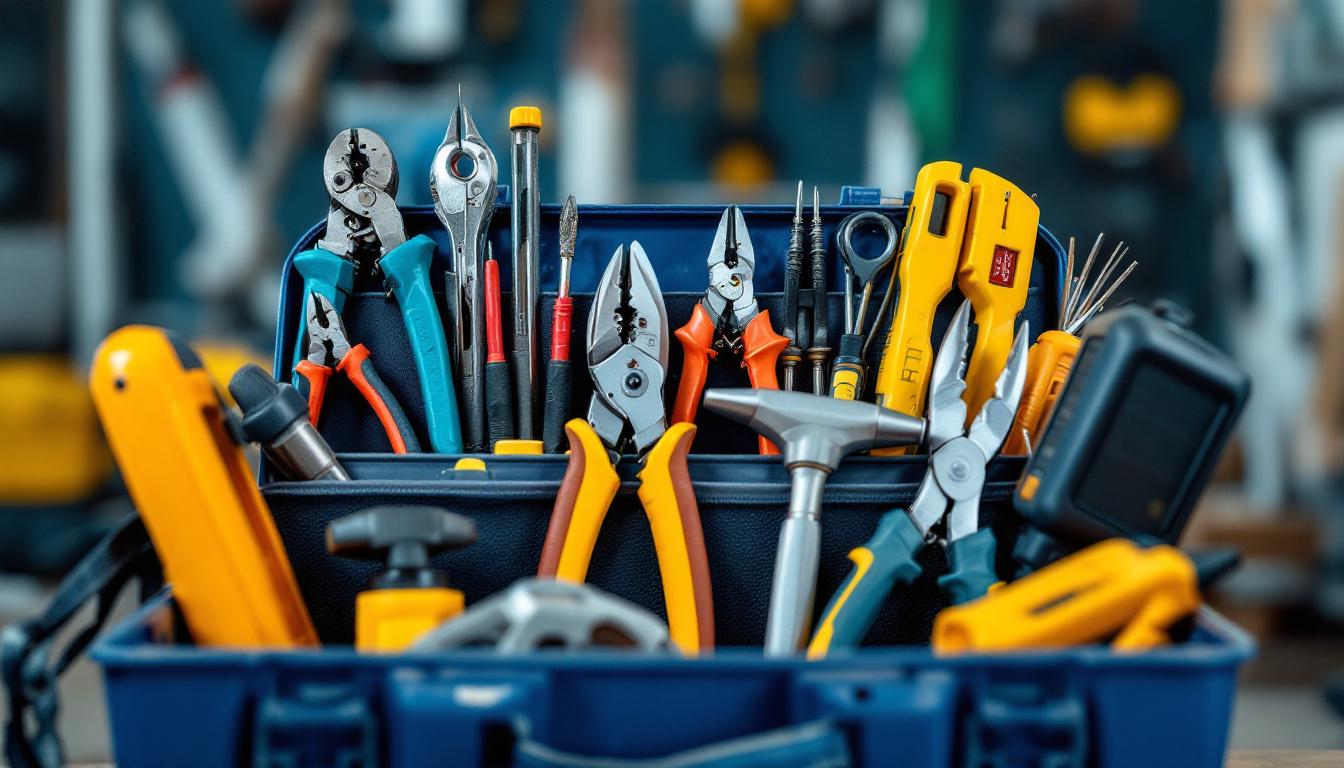
Lighting contractors know that quality installations start with the right tools. When working with sensitive electrical components and intricate lighting systems, precision is non-negotiable. The best electrician hand tools don’t just make the job easier—they ensure safety, accuracy, and efficiency on every project. The importance of using high-quality tools cannot be overstated; they are the backbone of any successful installation, allowing contractors to focus on creativity and design rather than troubleshooting issues that arise from poor workmanship.
Choosing the right tools can significantly reduce installation times and minimize errors. For lighting contractors, this means fewer callbacks, happier clients, and a reputation for excellence. The tools you rely on daily must be durable, ergonomic, and designed specifically for electrical work. Additionally, investing in the latest technology, such as digital multimeters and laser distance measurers, can further enhance the precision of installations, enabling contractors to deliver results that not only meet but exceed client expectations.
Why Specialized Tools Matter for Lighting Contractors
Unlike general electrical work, lighting installation often involves working in tight spaces, handling delicate fixtures, and managing low-voltage wiring alongside standard circuits. Tools designed with these challenges in mind help contractors avoid damaging components or compromising connections. This specialization is crucial, as the lighting industry continues to evolve with the introduction of smart lighting systems and energy-efficient solutions that require a nuanced understanding of both technology and installation techniques.
For example, insulated screwdrivers with precision tips allow for careful fastening without stripping screws or damaging fixture housings. Wire strippers tailored for fine-gauge wire ensure clean cuts and optimal conductor exposure, which is critical for LED lighting systems that depend on precise voltage delivery. Furthermore, tools like cable pullers and conduit benders are essential for navigating the complexities of modern installations, where aesthetics and functionality must seamlessly blend. By utilizing specialized tools, lighting contractors not only enhance their efficiency but also contribute to the longevity and reliability of the systems they install, ultimately leading to greater satisfaction for their clients.
Essential Hand Tools for Lighting Contractors
While every electrician’s toolkit varies, certain hand tools are indispensable for lighting contractors. These tools cover the basics of installation, maintenance, and troubleshooting.
Insulated Screwdrivers and Nut Drivers
Insulated screwdrivers are a must-have. They protect against electrical shock and provide the precision needed for small screws often found in lighting fixtures. Look for sets that include various sizes and types-flathead, Phillips, and Pozidriv-to cover all fixture requirements.
Nut drivers complement screwdrivers by enabling quick tightening or loosening of nuts and bolts, especially in junction boxes and mounting brackets. Ergonomic handles reduce hand fatigue during repetitive tasks. Additionally, many nut driver sets come with magnetic tips that help hold nuts in place, making it easier to work in tight spaces where visibility and maneuverability are limited.
Wire Strippers and Cutters
Wire strippers designed for a range of wire gauges-from 10 AWG to 22 AWG-are essential. High-quality strippers provide clean, consistent cuts without nicking the wire, which can lead to weak connections or shorts. Some models include adjustable tension and built-in crimpers for added versatility.
Cutters with sharp, hardened blades make clean cuts through copper and aluminum wire, essential when trimming lengths or removing damaged sections. Compact designs allow for use in confined spaces common in lighting installations. Furthermore, investing in a pair of flush-cut wire cutters can be beneficial for achieving neat, professional-looking installations, as they allow for precise trimming right up to the connection point without leaving excess wire that could cause shorts or tangles.
Multimeter and Voltage Tester
Testing tools are critical for verifying circuit integrity and ensuring safety before and after installation. A reliable digital multimeter can measure voltage, current, and resistance, helping contractors diagnose issues quickly.
Non-contact voltage testers provide a quick way to check for live wires without touching conductors, reducing the risk of shock. These testers are especially useful when working around existing lighting systems or in retrofit projects. Many modern multimeters also come equipped with additional features, such as data logging and Bluetooth connectivity, allowing contractors to track measurements over time and share results with clients or team members seamlessly.
Fish Tape and Wire Pullers
Running wire through conduit or behind walls is a common task for lighting contractors. Fish tape helps guide wires through tight or long runs with minimal damage. Durable, flexible fish tape with a smooth coating reduces snagging on rough surfaces.
Wire pullers, often used in conjunction with fish tape, provide the necessary grip and leverage to pull wires efficiently. Some models feature ergonomic handles and built-in tension indicators to prevent over-pulling and wire damage. Additionally, using a fish rod, which is a flexible, extendable tool, can be advantageous for navigating bends and corners in walls or ceilings, making it easier to reach those hard-to-access areas where lighting installations are often required. The combination of these tools not only enhances efficiency but also significantly reduces the risk of damaging the wires during installation, ensuring a safer and more reliable lighting system.
Advanced Tools for Complex Lighting Projects
Lighting contractors working on commercial or high-end residential projects often face more complex wiring and control systems. Advanced hand tools can make these challenges manageable.
Wire Crimpers and Connectors
Crimping tools designed for insulated and non-insulated terminals ensure secure connections that withstand vibration and temperature changes. For lighting systems incorporating smart controls, reliable crimps prevent intermittent faults.
Look for crimpers with interchangeable dies to accommodate different terminal sizes and types. Ratcheting mechanisms provide consistent pressure, ensuring every crimp meets industry standards. Additionally, some advanced crimpers now come equipped with built-in wire strippers, allowing for a streamlined process that saves time and reduces the risk of damaging the wire insulation during preparation.
Labeling Tools
Proper labeling of wires and components is often overlooked but essential for troubleshooting and future maintenance. Portable label makers designed for electrical work allow contractors to create durable, legible labels quickly.
Labels resistant to heat, moisture, and abrasion help maintain clarity over time, especially in commercial lighting installations exposed to varying environmental conditions. Furthermore, advanced labeling systems can even incorporate QR codes or barcodes, enabling technicians to scan labels for instant access to wiring diagrams or maintenance history, thus enhancing efficiency and accuracy during repairs.
Inspection Mirrors and Flashlights
Lighting contractors frequently work in cramped or poorly lit areas. Inspection mirrors help view wiring and connections behind panels or inside fixtures without disassembly.
LED flashlights with adjustable beams provide bright, focused light while conserving battery life. Hands-free options, such as headlamps, free up both hands for delicate tasks. In addition to standard flashlights, some contractors may benefit from using inspection cameras, which can transmit real-time video to a smartphone or tablet. This technology allows for detailed inspections of hard-to-reach areas, enabling contractors to identify potential issues without the need for extensive disassembly, ultimately saving time and labor costs.
Ergonomics and Durability: Tools Built for the Job
Lighting installation can be physically demanding, requiring repetitive motions and work in awkward positions. Hand tools that prioritize ergonomics reduce strain and improve productivity.
Handle Design and Grip
Tools with cushioned, non-slip grips reduce hand fatigue and provide better control. Contoured handles that fit the natural shape of the hand prevent blisters and improve precision, especially during extended use.
Some manufacturers offer insulated handles that meet or exceed safety standards, combining comfort with protection from electrical hazards.
Material Quality and Construction
High-grade steel, often chrome vanadium or alloy steel, ensures tools maintain sharpness and resist corrosion. Hardened cutting edges and precision-machined tips improve performance and longevity.
Tools with rust-resistant coatings or finishes maintain their appearance and function even after exposure to moisture or harsh job site conditions.
Maintaining and Organizing Your Tool Kit
Even the best tools require proper care to perform optimally over time. Regular maintenance and smart organization can extend tool life and streamline workflow.
Cleaning and Inspection
After each job, clean tools to remove dust, grease, and debris. Inspect cutting edges and tips for damage or wear. Replace or sharpen blades and bits as needed to maintain precision.
Check insulation on handles for cracks or wear, as compromised insulation can pose safety risks.
Storage Solutions
Invest in a durable tool bag or box with compartments tailored for electrician tools. Organized storage prevents damage and makes it easy to locate tools quickly on the job.
Consider portable organizers for small parts like connectors and terminals, ensuring everything stays in place during transport.
Choosing the Right Brands and Investing Wisely
Not all tools are created equal. Lighting contractors benefit from investing in reputable brands known for quality and innovation. While premium tools may have a higher upfront cost, they often pay off through durability and enhanced performance.
Look for tools with warranties and strong customer support. Reading reviews and seeking recommendations from fellow contractors can guide smart purchases.
Balancing Cost and Quality
It’s tempting to opt for cheaper tools, but inferior quality can lead to frequent replacements and job delays. Prioritize tools that balance affordability with proven reliability.
For critical tools like voltage testers and wire strippers, spending a bit more on accuracy and durability is a wise choice.
Final Thoughts: Equipping Yourself for Success
Lighting contractors thrive when equipped with the right hand tools. From insulated screwdrivers to advanced crimpers and labeling devices, each tool plays a role in delivering safe, efficient, and professional lighting installations.
Investing in quality, maintaining tools properly, and organizing your kit will save time and reduce frustration on the job. Ultimately, the best tools empower contractors to focus on what matters most-delivering exceptional lighting solutions that illuminate spaces beautifully and reliably.
Illuminate Your Projects with LumenWholesale
As a lighting contractor, you understand the importance of precision and reliability in your installations. At LumenWholesale, we share your commitment to excellence by providing top-quality, spec-grade lighting products at unbeatable wholesale prices. Our extensive selection is designed to meet the highest industry standards, ensuring that you have access to reliable, high-performance lighting for every project. With the convenience of bulk buying and the benefit of free shipping, you can equip your toolkit with the best lighting solutions without hidden fees or compromises. Elevate your lighting installations and experience the best value in wholesale lighting with LumenWholesale.