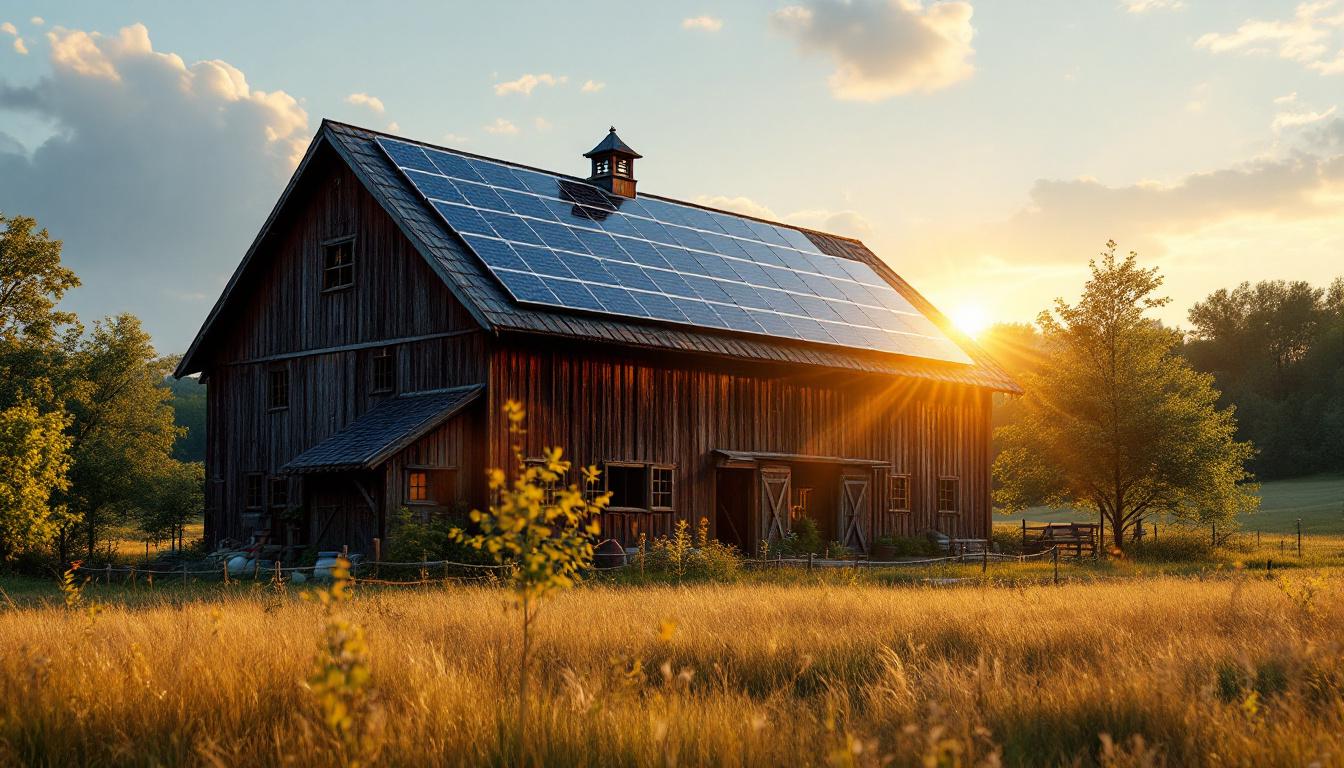
Introduction to Barn Solar Lighting
Lighting contractors are increasingly encountering the integration of solar power in agricultural settings, particularly in barns. As farms modernize and seek sustainable energy solutions, barn solar lighting has become a practical and cost-effective option. This article explores the essentials of barn solar lighting, providing contractors with the knowledge needed to design, install, and maintain efficient solar lighting systems tailored for barns.
Solar lighting in barns offers a unique blend of benefits, including energy independence, reduced operational costs, and enhanced safety. Understanding the specific requirements of barn environments and the capabilities of solar technology is crucial for delivering reliable lighting solutions that meet agricultural demands.
One of the primary advantages of barn solar lighting is its ability to operate independently of the electrical grid. This is particularly beneficial for remote locations where extending power lines can be prohibitively expensive or logistically challenging. Solar panels can be installed on barn roofs or nearby structures, harnessing sunlight to power LED fixtures that illuminate work areas, storage spaces, and livestock zones. Additionally, the use of energy-efficient LED lights ensures that even during the shorter days of winter, barns remain well-lit without incurring high energy costs.
Moreover, the installation of solar lighting systems can significantly enhance safety and productivity on farms. Well-lit barns reduce the risk of accidents during nighttime operations, such as feeding livestock or moving equipment. Furthermore, the presence of adequate lighting can deter potential intruders, protecting valuable assets and livestock. As farmers become more aware of the environmental impact of their operations, the shift towards solar solutions not only promotes sustainability but also aligns with the growing consumer demand for eco-friendly agricultural practices. By investing in solar lighting, farmers can showcase their commitment to sustainability while enjoying the practical benefits of modern technology.
Why Solar Lighting Makes Sense for Barns
Energy Efficiency and Cost Savings
Barns traditionally rely on grid electricity, which can be costly and unreliable, especially in rural areas. Solar lighting systems harness sunlight, converting it into electricity to power LED fixtures, drastically reducing energy bills. Over time, the return on investment can be substantial, with many farms recouping costs within a few years.
Moreover, solar lighting requires minimal maintenance compared to conventional electrical systems. With no wiring running through potentially hazardous or wet areas, the risk of electrical faults decreases, enhancing safety and reducing repair expenses.
Environmental Impact and Sustainability
Adopting solar lighting aligns with broader environmental goals. Solar power is a clean, renewable energy source that reduces carbon footprints and dependence on fossil fuels. For farms emphasizing sustainability, solar barn lighting supports eco-friendly operations and can contribute to certifications or green branding efforts.
Reliability in Remote Locations
Many barns are situated in remote or off-grid locations where utility power is either unavailable or unreliable. Solar lighting systems provide consistent illumination without the need for extensive electrical infrastructure. Battery storage ensures lighting remains operational during nighttime or cloudy conditions, maintaining safety and productivity.
Key Components of Barn Solar Lighting Systems
Solar Panels
Solar panels are the heart of any solar lighting system. For barns, panels must be selected based on the available sunlight, roof or ground mounting options, and power requirements. High-efficiency monocrystalline panels are often preferred due to their superior performance in limited space and lower light conditions.
Proper orientation and tilt are essential to maximize solar energy capture. Panels should ideally face true south (in the Northern Hemisphere) and be angled according to the latitude to optimize year-round energy production.
Battery Storage
Energy storage is critical for providing lighting after sunset or during periods of low sunlight. Deep-cycle batteries, such as lithium-ion or sealed lead-acid types, are commonly used. Lithium-ion batteries offer longer lifespans and better performance but come at a higher initial cost, while lead-acid batteries are more affordable but require regular maintenance.
Battery capacity should be sized to meet the barn’s lighting demands for the desired autonomy period, typically ranging from one to several nights without sunlight.
LED Lighting Fixtures
LED lights are the preferred choice for barn lighting due to their energy efficiency, longevity, and durability. They provide bright, uniform illumination with low heat output, which is vital in agricultural environments where temperature control and animal safety are concerns.
Contractors should select fixtures with appropriate ingress protection (IP) ratings to withstand dust, moisture, and potential impact. Fixtures designed specifically for agricultural use often include features such as shatterproof lenses and corrosion-resistant housings.
Charge Controllers and System Management
A charge controller regulates the flow of electricity from the solar panels to the batteries, preventing overcharging and deep discharging, which can damage battery life. Advanced controllers may include maximum power point tracking (MPPT) technology to optimize energy harvest.
Some systems incorporate smart monitoring capabilities, allowing contractors and farm owners to track performance remotely, schedule lighting, and receive alerts for maintenance needs.
Design Considerations for Barn Solar Lighting
Assessing Lighting Needs
Before installation, a thorough assessment of the barn’s lighting requirements is essential. This includes determining the number and placement of fixtures, desired illumination levels, and operational hours. Different barn areas—such as animal stalls, storage zones, and workspaces—may require varying light intensities and color temperatures.
Lighting contractors should collaborate with farm managers to understand daily routines and specific tasks to ensure the lighting design supports productivity and animal welfare.
Site Evaluation and Solar Resource Analysis
Evaluating the site’s solar potential involves analyzing shading from trees, nearby structures, and seasonal variations in sunlight. Tools such as solar pathfinders or software-based simulations can help identify optimal panel placement and anticipate energy generation throughout the year.
Additionally, contractors must consider the structural integrity of barns for mounting panels and the feasibility of ground-mounted arrays if roof space is limited or unsuitable.
System Sizing and Load Calculations
Accurate load calculations are critical to ensure the system meets lighting demands without oversizing, which increases costs, or undersizing, which compromises performance. Contractors should compile a detailed inventory of all lighting fixtures, their wattages, and expected usage hours.
Factoring in system losses (due to wiring, battery efficiency, and inverter if used) is necessary for precise sizing. Incorporating a safety margin accounts for future expansions or unforeseen energy needs.
Installation Best Practices
Panel Installation and Wiring
Solar panels must be securely mounted to withstand wind and weather conditions. Using corrosion-resistant hardware and ensuring proper grounding protects the system and personnel. Wiring should be routed to minimize exposure to physical damage and comply with electrical codes.
Contractors should use UV-resistant conduit and connectors designed for outdoor use. Proper labeling and documentation facilitate future maintenance and troubleshooting.
Battery Placement and Ventilation
Batteries should be installed in a dry, temperature-controlled environment to maximize lifespan. Ventilation is crucial, especially for lead-acid batteries, to prevent the buildup of potentially explosive gases. Enclosures should be accessible for inspection and maintenance but secure against unauthorized access.
Lighting Fixture Installation
Fixtures must be positioned to provide even illumination without glare or shadows that could impede farm operations. Adjustable mounts allow fine-tuning of light direction. Wiring to fixtures should be weatherproof and protected from rodents or other animals common in barn environments.
Maintenance and Troubleshooting
Routine Inspection and Cleaning
Solar panels should be cleaned periodically to remove dust, bird droppings, and debris that reduce efficiency. Inspections for physical damage, loose connections, and corrosion help maintain system reliability.
Batteries require regular checks for voltage levels, terminal cleanliness, and signs of swelling or leakage. LED fixtures should be tested for consistent illumination and replaced if flickering or dimming occurs.
Common Issues and Solutions
Typical problems include battery degradation, wiring faults, and shading affecting panel output. Contractors should be prepared to diagnose these issues using multimeters, infrared cameras, and system monitoring tools.
Replacing aging batteries, tightening connections, and trimming vegetation around panels are common corrective actions. In some cases, upgrading system components or expanding battery capacity may be necessary to meet evolving lighting needs.
Regulatory and Safety Considerations
Electrical Codes and Permits
Solar lighting installations must comply with local electrical codes and zoning regulations. Contractors should verify permit requirements and ensure all work is performed by licensed professionals. Adhering to standards such as the National Electrical Code (NEC) helps ensure safety and system reliability.
Animal and Worker Safety
Lighting systems should be designed to minimize risks to animals and workers. This includes avoiding excessive brightness or flicker that can stress livestock and ensuring wiring is out of reach to prevent chewing or accidental contact.
Emergency lighting and backup power considerations are important for barns housing animals, especially in climates prone to power outages.
Future Trends in Barn Solar Lighting
Integration with Smart Farm Technologies
Advancements in IoT (Internet of Things) enable solar lighting systems to integrate with farm management platforms. Automated lighting schedules, motion sensors, and remote monitoring enhance energy efficiency and operational control.
Improved Battery Technologies
Emerging battery chemistries, such as solid-state and flow batteries, promise longer lifespans, faster charging, and enhanced safety. These innovations will further improve the viability and affordability of solar lighting for barns.
Hybrid Systems and Energy Storage
Combining solar with other renewable sources like wind or biogas, along with advanced energy storage solutions, can provide more resilient power systems for agricultural operations. This diversification supports continuous lighting and other electrical needs, even under challenging conditions.
Conclusion
Barn solar lighting represents a smart, sustainable solution for modern agricultural operations. For lighting contractors, understanding the technical, environmental, and practical aspects of these systems is essential to delivering value to clients. By carefully assessing site conditions, selecting appropriate components, and adhering to best practices in installation and maintenance, contractors can ensure efficient, reliable lighting that enhances farm productivity and safety.
As technology evolves, solar lighting will continue to play a critical role in the future of agricultural infrastructure, making it an important area of expertise for lighting professionals serving rural and farming communities.
Illuminate Your Projects with LumenWholesale
Ready to elevate your agricultural lighting solutions with the efficiency and sustainability of solar technology? Look no further than LumenWholesale for all your barn solar lighting needs. Our extensive selection of spec-grade lighting products ensures you have access to the highest quality options at wholesale prices that simply can’t be beaten. Say goodbye to inflated markups and hello to hassle-free bulk buying with free shipping. Enhance your farm productivity and safety with reliable, high-performance lighting. Choose LumenWholesale for the perfect blend of quality, affordability, and convenience. Wholesale Lighting at the Best Value is just a click away.