In the world of modern lighting design, adjustable recessed lighting has emerged as a versatile solution for both residential and commercial spaces. This type of lighting not only enhances the aesthetic appeal of a room but also provides functional illumination tailored to specific needs. However, as with any installation, there are potential pitfalls that lighting contractors must navigate to ensure a successful project. This guide aims to highlight key considerations and common mistakes to avoid when working with adjustable recessed lighting.
Understanding Adjustable Recessed Lighting
Adjustable recessed lighting fixtures, often referred to as “can lights” or “downlights,” are designed to be installed into ceilings, providing a clean and modern look. The adjustable feature allows the beam angle to be directed towards specific areas, making them ideal for highlighting artwork, architectural features, or simply providing ambient light in a room. This versatility not only enhances the aesthetic appeal of a space but also allows for a tailored lighting experience that can adapt to different activities and moods.
These fixtures come in various sizes, styles, and wattages, making it essential for contractors to understand the different options available. Proper selection not only impacts the aesthetic but also the functionality and energy efficiency of the lighting system. For instance, choosing the right wattage can significantly affect energy consumption, while the style of the fixture can complement or clash with existing decor. Additionally, advancements in technology have led to the development of smart recessed lighting options that can be controlled via mobile apps or smart home systems, further enhancing their appeal.
Types of Adjustable Recessed Lighting
There are several types of adjustable recessed lighting fixtures available on the market. The most common include:
- Gimbal Trims: These allow for tilting and rotation, making them suitable for accent lighting. Gimbal trims are particularly effective in spaces where you want to draw attention to specific elements, such as a piece of artwork or a textured wall.
- Swivel Trims: Similar to gimbal trims but typically offer a wider range of motion for more precise lighting control. This feature is especially beneficial in rooms with high ceilings or unique architectural details that require focused illumination.
- Adjustable LED Recessed Lights: These fixtures combine energy efficiency with adjustable features, making them a popular choice for eco-conscious clients. LED options also tend to have a longer lifespan, reducing the need for frequent replacements and contributing to lower maintenance costs.
Benefits of Adjustable Recessed Lighting
Adjustable recessed lighting offers numerous benefits that make it a preferred choice among contractors and clients alike. Some of the key advantages include:
- Flexibility: The ability to direct light where it is needed enhances the functionality of a space. This adaptability is particularly useful in multi-purpose rooms where the lighting needs may change throughout the day.
- Space-Saving: These fixtures provide illumination without occupying floor or wall space, making them ideal for smaller rooms. In tight areas, such as hallways or bathrooms, recessed lighting can create an illusion of more space while still providing adequate lighting.
- Design Versatility: They can seamlessly blend with various interior styles, from contemporary to traditional. The minimalist design of recessed lighting allows it to complement a wide range of decor choices without overwhelming the space.
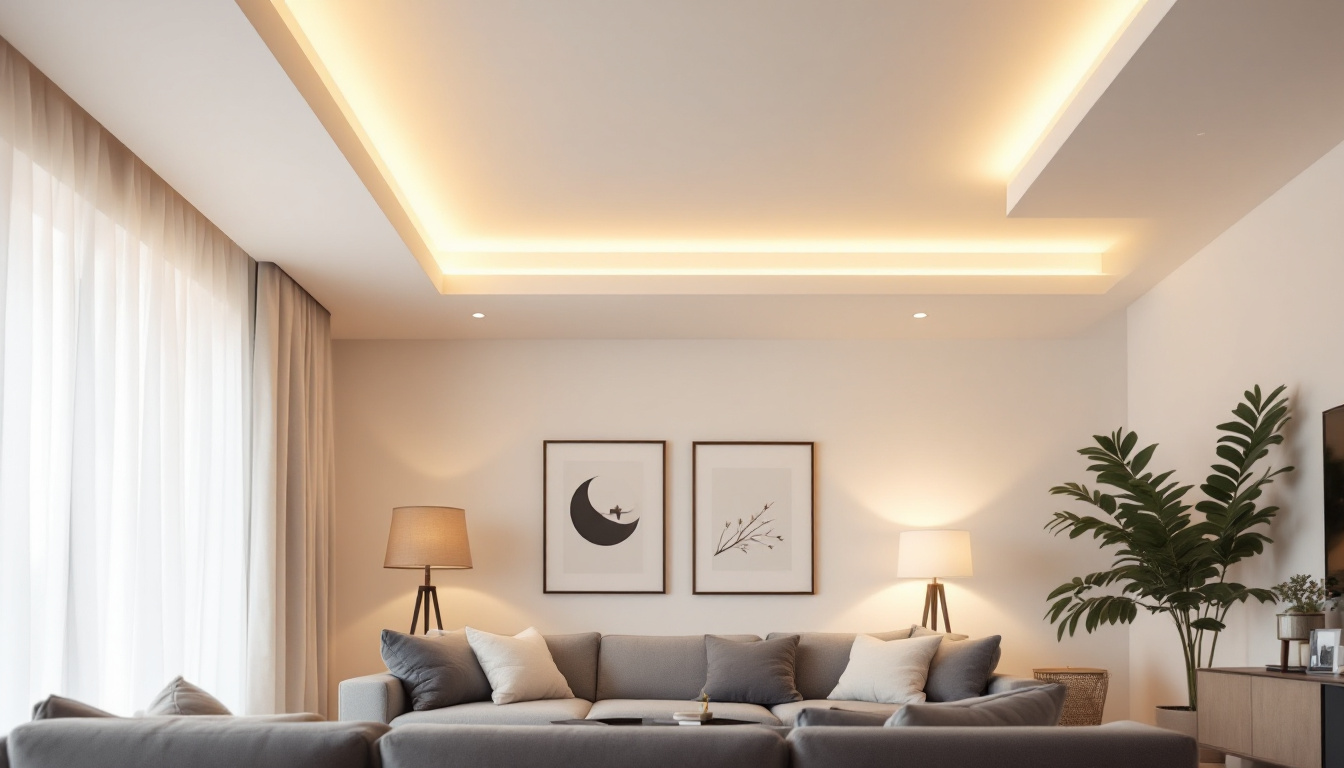
In addition to these benefits, adjustable recessed lighting can also enhance the overall ambiance of a room. By strategically placing these fixtures, homeowners can create layers of light that add depth and warmth to their living spaces. For instance, a combination of adjustable recessed lights and softer ambient lighting can create a cozy atmosphere perfect for entertaining guests or relaxing after a long day. Moreover, the option to dim these lights allows for even greater control over the mood of a room, making it easy to transition from bright, functional lighting during the day to softer, more inviting illumination in the evening.
Furthermore, the installation of adjustable recessed lighting can significantly increase the value of a home. Prospective buyers often appreciate the modern and sleek look these fixtures provide, along with their energy efficiency and versatility. In an era where sustainability is increasingly important, homes equipped with energy-efficient lighting solutions are more attractive in the real estate market. As such, investing in adjustable recessed lighting can be a smart choice for homeowners looking to enhance both the functionality and aesthetic appeal of their spaces.
Common Pitfalls to Avoid
While adjustable recessed lighting can transform a space, there are several pitfalls that lighting contractors should be aware of to avoid costly mistakes. Understanding these challenges can lead to smoother installations and satisfied clients.
Inadequate Planning
One of the most significant mistakes contractors make is failing to plan the layout of adjustable recessed lighting adequately. Without a clear plan, it’s easy to end up with uneven lighting or fixtures that do not complement the room’s design.
To avoid this, contractors should take the time to assess the space and determine the best placement for fixtures. Consider factors such as ceiling height, room dimensions, and the intended use of the space. Utilizing design software or creating a mockup can help visualize the final outcome before installation begins.
Ignoring Ceiling Height and Type
Ceiling height and type are critical factors that can affect the performance of adjustable recessed lighting. For instance, fixtures installed in a low ceiling may not provide adequate illumination if they are not positioned correctly. Similarly, the type of ceiling—whether it’s drywall, plaster, or a drop ceiling—can influence the installation process and the choice of fixtures.
Contractors should ensure that the selected fixtures are appropriate for the ceiling type and height. For example, higher ceilings may require fixtures with a higher lumen output to ensure adequate lighting levels.
Neglecting Energy Efficiency
In an age where energy efficiency is a priority for many clients, neglecting this aspect can lead to dissatisfaction and increased operational costs. Adjustable recessed lighting options are available in various energy-efficient formats, including LED fixtures that consume less power and have a longer lifespan.
Contractors should educate clients on the benefits of energy-efficient lighting and assist them in selecting fixtures that align with their sustainability goals. This not only enhances client satisfaction but also positions the contractor as a knowledgeable professional in the field.
Installation Best Practices
Successful installation of adjustable recessed lighting requires adherence to best practices that ensure both safety and functionality. Following these guidelines can help avoid common issues and enhance the overall quality of the installation.
Proper Wiring Techniques
Wiring is a critical component of any lighting installation. For adjustable recessed lighting, it is essential to follow local electrical codes and guidelines to ensure safety and compliance. This includes using the correct gauge of wire, ensuring secure connections, and properly grounding fixtures.
Additionally, contractors should consider the use of dimmer switches, which can enhance the versatility of adjustable recessed lighting. When installing dimmers, ensure they are compatible with the type of bulbs being used, as not all dimmers work with LED fixtures.
Testing Before Finalizing Installation
Before sealing up the ceiling or completing the installation, it is crucial to test the fixtures to ensure they function as intended. This includes checking the adjustable features to confirm that they can be directed appropriately and that the light output meets the desired levels.
Taking the time to test fixtures can prevent future issues and ensure that the client is satisfied with the final result. If adjustments are needed, it is better to address them before the installation is finalized rather than after the fact.
Consideration of Aesthetics
Aesthetics play a significant role in the success of any lighting installation. Adjustable recessed lighting should not only be functional but also complement the overall design of the space. This includes selecting the right trim and finish that matches the room’s decor.
Contractors should work closely with clients to understand their vision and preferences. Offering options for trim styles, colors, and finishes can help achieve a cohesive look that enhances the beauty of the space.
Maintenance and Troubleshooting
Even with careful planning and installation, maintenance and troubleshooting may be necessary over time. Understanding common issues and their solutions can help contractors provide better service to their clients.
Identifying Common Issues
Common issues with adjustable recessed lighting can include flickering lights, uneven illumination, or fixtures that do not adjust as intended. Identifying these problems early can save time and money for both the contractor and the client.
Flickering lights may indicate a problem with the bulb, the fixture, or the wiring. Contractors should advise clients on the importance of using compatible bulbs and ensuring that fixtures are properly wired. For uneven illumination, it may be necessary to reposition fixtures or adjust the beam angles to achieve the desired effect.
Regular Maintenance Tips
Regular maintenance can prolong the lifespan of adjustable recessed lighting and ensure optimal performance. Contractors should recommend that clients periodically check fixtures for dust accumulation, which can affect light output. Cleaning the lenses and trims can help maintain brightness and clarity.
Additionally, contractors should inform clients about the importance of replacing bulbs promptly when they burn out. This not only ensures consistent lighting but also prevents potential damage to the fixture itself.
Conclusion
Adjustable recessed lighting presents a wealth of opportunities for lighting contractors to enhance the functionality and aesthetic appeal of various spaces. By understanding the common pitfalls and adhering to best practices in installation and maintenance, contractors can ensure successful projects that satisfy their clients.
With careful planning, attention to detail, and a commitment to quality, adjustable recessed lighting can be a standout feature in any design. By avoiding common mistakes and staying informed about the latest trends and technologies, lighting contractors can position themselves as leaders in the industry, ready to meet the evolving needs of their clients.
Get Your Premium Lighting Supplies at LumenWholesale
Ready to elevate your lighting projects with the highest quality adjustable recessed lighting? Look no further than LumenWholesale. Our spec-grade lighting products are designed to meet the rigorous demands of any space, ensuring you deliver exceptional results every time. With unbeatable wholesale prices and the convenience of free shipping on bulk orders, you can trust LumenWholesale to provide the best value without compromising on quality or service. Take the next step in optimizing your lighting installations by visiting Wholesale Lighting at the Best Value and discover how we can enhance your lighting solutions today.