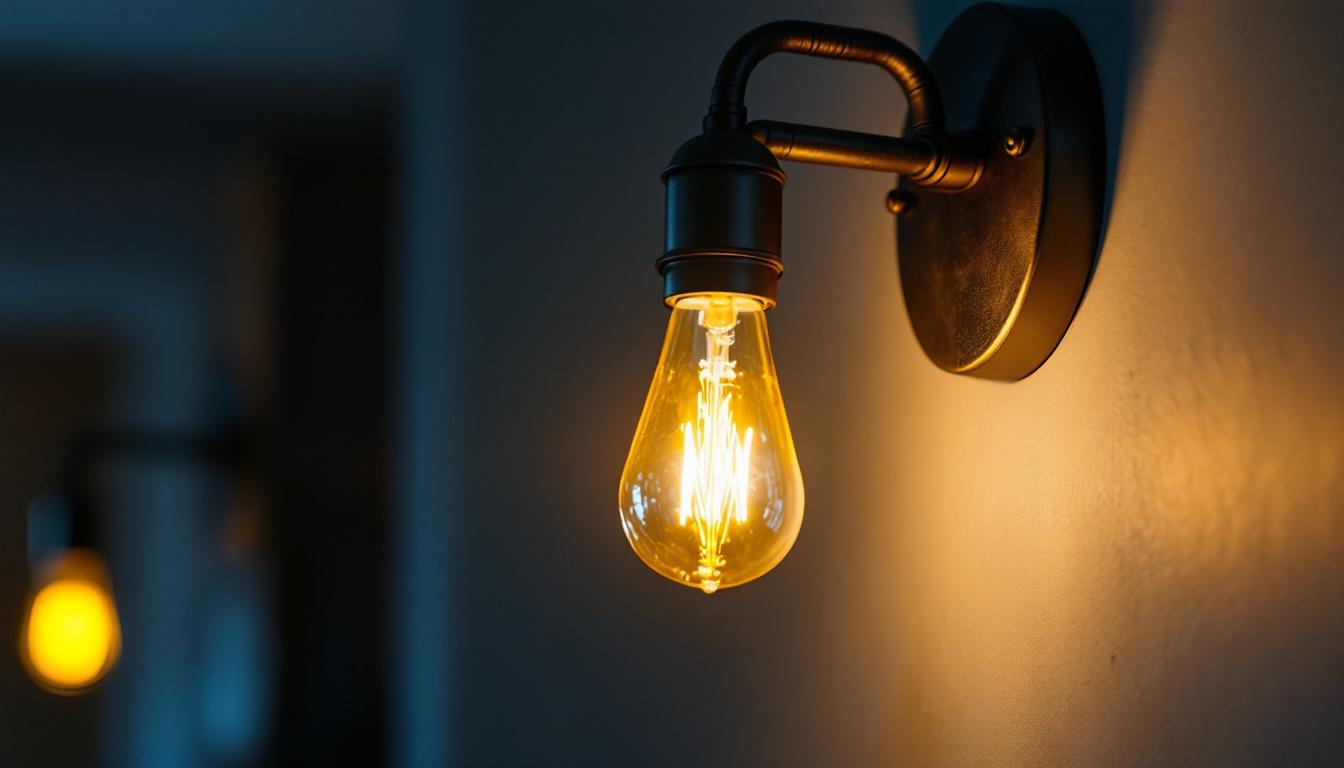
Underestimating the Importance of Scale and Proportion
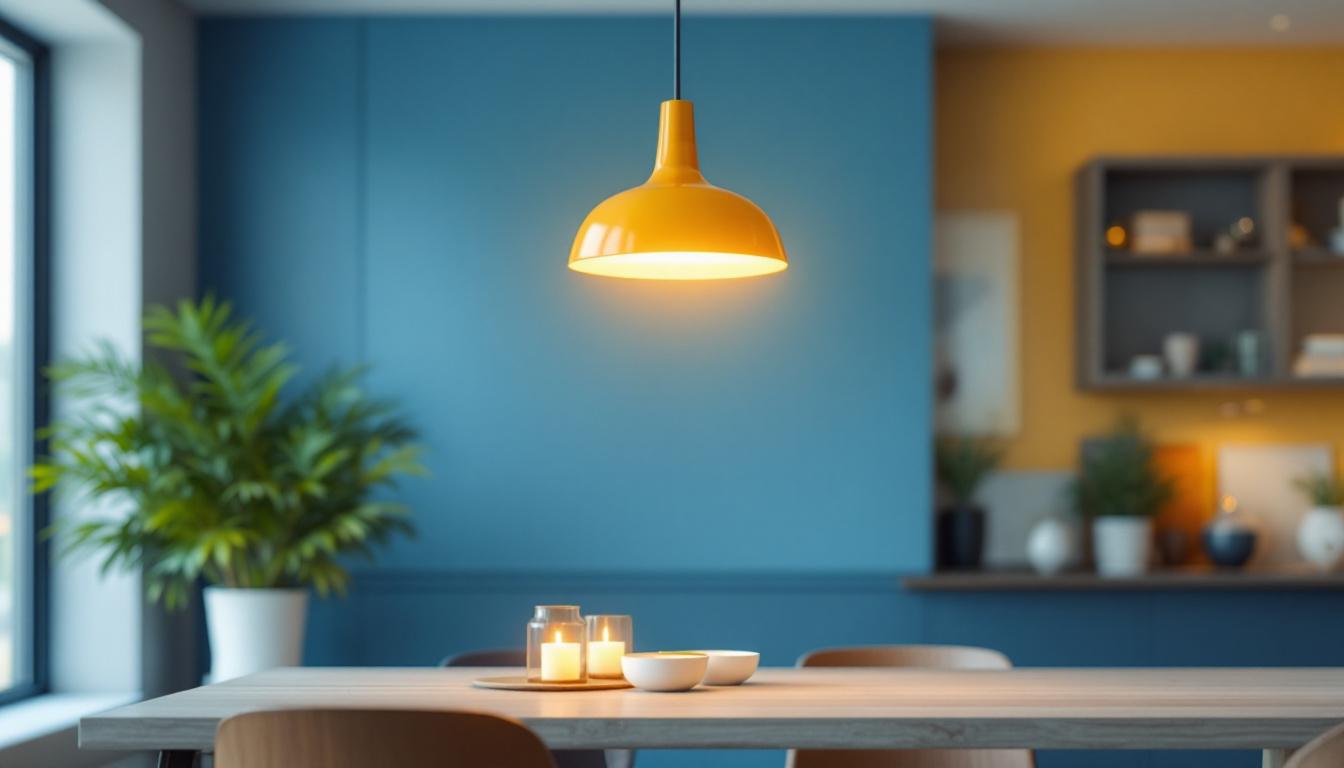
One of the most frequent errors lighting contractors make when installing pendant lights is neglecting the scale and proportion relative to the room and other fixtures. Pendant lights are not just functional; they’re a key design element. If a pendant is too large, it can overwhelm a space, making it feel cramped or cluttered. Conversely, a pendant that’s too small can seem insignificant, failing to provide adequate illumination or visual impact.
Consider a kitchen island, a common area for pendant lighting. The general rule is that each pendant should be about 12 to 20 inches in diameter, depending on the size of the island, and spaced evenly with about 24 to 30 inches between each fixture. Ignoring these guidelines leads to awkward lighting arrangements. Contractors must assess room dimensions and furniture layout before selecting and positioning pendants.
Moreover, ceiling height plays a pivotal role. Low ceilings require smaller, flush or semi-flush pendants, while high ceilings can accommodate larger, more dramatic fixtures. Failing to adapt to ceiling height can result in lighting that either feels oppressive or lost in the space.
In addition to size and spacing, the material and design of the pendant lights should also align with the overall aesthetic of the room. For instance, a sleek, modern pendant may clash with rustic decor, while a vintage-style fixture might feel out of place in a contemporary setting. The finish of the pendant—be it matte, polished, or textured—can also influence how light is perceived within the space. A reflective surface can amplify brightness, while a matte finish may soften the light, creating a more intimate atmosphere.
Furthermore, the color temperature of the bulbs used in pendant lights can dramatically affect the ambiance. Warm white bulbs create a cozy, inviting feel, ideal for dining areas, while cooler, daylight bulbs are better suited for task-oriented spaces like kitchens or work areas. Selecting the right bulb not only enhances the functionality of the pendant lights but also complements the room’s color palette, ensuring a harmonious design. Ultimately, a thoughtful approach to scale, proportion, and aesthetic coherence is essential for achieving a well-lit and visually appealing environment.
Incorrect Hanging Height and Placement
Another common pitfall is improper hanging height. Pendant lights installed too high lose their effectiveness in illuminating the intended area, while those hung too low can obstruct sightlines and create hazards. For example, over kitchen islands or dining tables, the bottom of the pendant should generally sit between 28 and 34 inches above the surface. This height not only provides adequate light for tasks such as chopping vegetables or enjoying a meal but also enhances the overall aesthetic of the space, creating an inviting atmosphere.
It’s also essential to consider the pendant’s placement relative to other elements in the room. Lighting contractors sometimes position pendants off-center or too close to walls, which disrupts the visual balance and can cause uneven lighting. Aligning pendants with key architectural features or furniture pieces ensures a harmonious look and optimal light distribution. For instance, when installing multiple pendants, maintaining equal spacing can create a cohesive design that draws the eye and enhances the room’s character.
In commercial settings, such as restaurants or retail spaces, the stakes are even higher. Poorly placed pendants can negatively impact ambiance and customer experience. Lighting contractors should always measure carefully and, if possible, mock up the installation before finalizing the position. Additionally, the choice of bulb and the color temperature can further influence the overall effect; warm white bulbs can create a cozy, intimate setting, while cooler tones may be more appropriate for modern, sleek environments. Understanding the specific needs of the space and its intended use is crucial in achieving the desired atmosphere.
Moreover, the style of the pendant light itself plays a significant role in the overall design. A contemporary pendant might require a different approach than a vintage-inspired fixture. The materials used, whether glass, metal, or fabric, can also affect how light is diffused and perceived in the space. For example, a glass pendant can create beautiful reflections and shadows, while a fabric shade may soften the light and contribute to a more relaxed vibe. Therefore, careful consideration of both the hanging height and the stylistic elements is essential for creating a well-lit and visually appealing environment.
Choosing the Wrong Bulbs and Color Temperature
Lighting contractors occasionally overlook the critical impact that bulb choice has on pendant lighting performance. The wrong bulb can ruin the intended atmosphere or reduce energy efficiency. For instance, using bulbs with a color temperature that’s too cool (above 4000K) in a cozy dining area can create a harsh, uninviting environment.
Warm white bulbs (2700K to 3000K) are generally preferred for residential spaces because they produce a soft, inviting glow. In contrast, cooler temperatures work better in task-oriented or commercial environments where clarity and alertness are priorities. Contractors must understand the application and client preferences before selecting bulbs.
Additionally, bulb type affects light quality and energy consumption. LED bulbs are the industry standard now—they last longer and use less energy than incandescent or halogen bulbs. However, not all LEDs are created equal. Some produce uneven light or flicker, which can be distracting. Lighting contractors should specify high-quality LED bulbs compatible with dimmers if dimming is required.
Moreover, the placement and design of the pendant lighting can significantly influence how the chosen bulbs perform. For example, a pendant light hung too low may create shadows and uneven lighting, while one positioned too high could fail to provide adequate illumination for tasks. It’s essential for contractors to consider the height and style of the pendant fixture, as well as the overall design of the room, to ensure that the lighting complements the space effectively. A well-thought-out arrangement can enhance the ambiance, making it both functional and aesthetically pleasing.
Another factor to consider is the color rendering index (CRI) of the bulbs. A higher CRI, ideally above 90, ensures that colors appear more vibrant and true to life. This is particularly important in spaces like kitchens or art studios, where accurate color representation is crucial. Lighting contractors should educate their clients about the importance of CRI in relation to their specific needs, ensuring that the selected bulbs not only meet energy efficiency standards but also enhance the overall visual experience within the space.
Ignoring Electrical Load and Wiring Requirements
Electrical considerations are fundamental but sometimes underestimated in pendant light installations. Contractors occasionally install multiple pendants on a single circuit without verifying the total load capacity. This oversight can lead to circuit overloads, tripped breakers, or even fire hazards.
Each pendant light adds to the electrical load, so contractors must calculate the total wattage and ensure the circuit and wiring can handle it safely. Using wiring that’s too thin or connectors that aren’t rated for the load can cause overheating and damage. In addition to the risk of fire, an overloaded circuit can lead to flickering lights and inconsistent performance, which can be frustrating for homeowners and may necessitate costly repairs down the line.
Another mistake involves neglecting to install proper junction boxes or using boxes that are too small for the number of wires and connections. This not only violates electrical codes but also complicates future maintenance. Proper planning and adherence to local electrical codes are non-negotiable for safe, reliable pendant light installations. Furthermore, the choice of junction box material can also impact safety; plastic boxes, while lightweight and easy to install, may not provide the same level of durability and heat resistance as metal boxes, particularly in high-heat environments.
Additionally, it’s essential to consider the placement of pendant lights in relation to existing fixtures and the overall layout of the space. Improperly positioned lights can create shadows or uneven lighting, detracting from the intended ambiance. A well-thought-out lighting plan not only enhances the aesthetic appeal of a room but also ensures that the electrical load is distributed evenly across circuits, minimizing the risk of overload. By taking the time to assess both the electrical requirements and the functional aspects of lighting, contractors can deliver installations that are not only safe but also visually pleasing and effective.
Overlooking the Importance of Dimming Compatibility
Dimming is a feature that adds versatility and ambiance control, yet many lighting contractors fail to ensure that pendant lights and their bulbs are compatible with dimmer switches. Installing a dimmer that isn’t compatible with the bulb type or fixture can cause flickering, buzzing, or even damage to the components.
For example, LED bulbs require specific dimmers designed for low wattage and electronic drivers. Using an incandescent dimmer with LED bulbs often results in poor performance. Contractors should verify the compatibility of dimmers, bulbs, and fixtures during the planning stage and communicate these requirements clearly to clients.
Additionally, some pendant lights have integrated LEDs with built-in drivers. These often require proprietary dimmers or specific installation methods. Ignoring these nuances can lead to costly callbacks and dissatisfied customers.
Neglecting Maintenance and Accessibility Considerations
Pendant lights are often installed in locations that are difficult to reach, such as high ceilings or over staircases. Contractors sometimes overlook the need for easy maintenance access when selecting and installing these fixtures. This can create challenges for bulb replacement, cleaning, or repairs down the line.
Choosing pendants with accessible bulbs or modular designs can save time and effort in maintenance. Additionally, contractors should consider the use of adjustable height pendants or fixtures that can be lowered safely for servicing.
Failing to plan for maintenance can frustrate clients and increase long-term service costs. Lighting contractors who prioritize accessibility demonstrate professionalism and foresight, enhancing client satisfaction and reducing future headaches.
Get Your Premium Lighting Supplies at LumenWholesale
Avoid common pendant lighting mistakes with LumenWholesale’s extensive selection of top-quality, spec-grade lighting products. Our commitment to providing contractors with superior lighting solutions at unbeatable wholesale prices means you can complete your projects with confidence. With free shipping on bulk orders and no hidden fees, LumenWholesale is your go-to source for reliable, high-performance lighting that meets the highest industry standards. Elevate your lighting installations with the perfect blend of quality, affordability, and convenience. Wholesale Lighting at the Best Value is just a click away.