Understanding Can Lights: A Foundation for Lighting Contractors
Can lights, also known as recessed lighting, have become a staple in modern lighting design due to their sleek, unobtrusive appearance and versatility. For lighting contractors, choosing the right size of can light is not merely a matter of aesthetics but a critical decision that impacts installation, functionality, energy efficiency, and client satisfaction.
The two most common sizes of can lights are 4 inch and 6 inch diameters. Each size serves different purposes and comes with its own set of advantages and challenges. Understanding these differences is essential for contractors aiming to deliver optimal lighting solutions tailored to the specific needs of their projects.
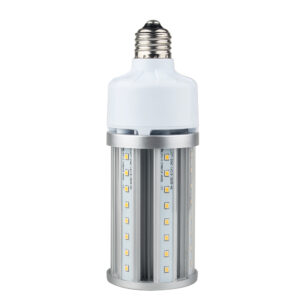
In addition to size, contractors must also consider the type of bulb used in can lights, as this can significantly affect the quality of light produced and the energy consumption of the fixtures. LED bulbs are increasingly popular due to their longevity and energy efficiency, often lasting up to 25,000 hours while consuming a fraction of the energy of traditional incandescent bulbs. This shift not only benefits the environment but also aligns with the growing demand for sustainable building practices. Moreover, the color temperature of the bulbs, ranging from warm to cool white, can dramatically influence the ambiance of a space, making it crucial for contractors to consult with clients about their preferences and the intended use of the area being illuminated.
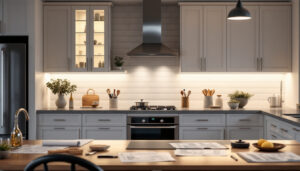
Another important aspect to consider is the placement of can lights. Proper spacing and alignment can enhance the overall aesthetic and functionality of a room, ensuring that light is evenly distributed and shadows are minimized. For instance, in a kitchen, strategically placed can lights can highlight work areas while creating a warm, inviting atmosphere for gatherings. On the other hand, in a living room, a combination of can lights and other lighting sources can create layers of light that enhance the room’s depth and character. By mastering the principles of light placement, contractors can elevate their projects, ensuring that each space not only meets but exceeds client expectations.
Key Differences Between 4 Inch and 6 Inch Can Lights
Size and Scale
The most obvious difference between 4 inch and 6 inch can lights is their physical size. A 4 inch can light has a smaller diameter, making it less conspicuous and ideal for spaces where subtlety is desired. In contrast, 6 inch can lights are larger and tend to provide a more pronounced lighting effect.
This size difference affects the light distribution and intensity. Larger cans typically accommodate larger bulbs or LEDs, resulting in higher lumen output. This makes 6 inch lights better suited for general lighting in larger rooms, while 4 inch lights excel in accent or task lighting where focused illumination is required. For instance, 4 inch can lights are often used to highlight artwork or architectural features, creating a dramatic effect without overwhelming the space. On the other hand, 6 inch lights can be strategically placed in living rooms or kitchens to ensure that the entire area is well-lit, enhancing both functionality and ambiance.
Installation Considerations
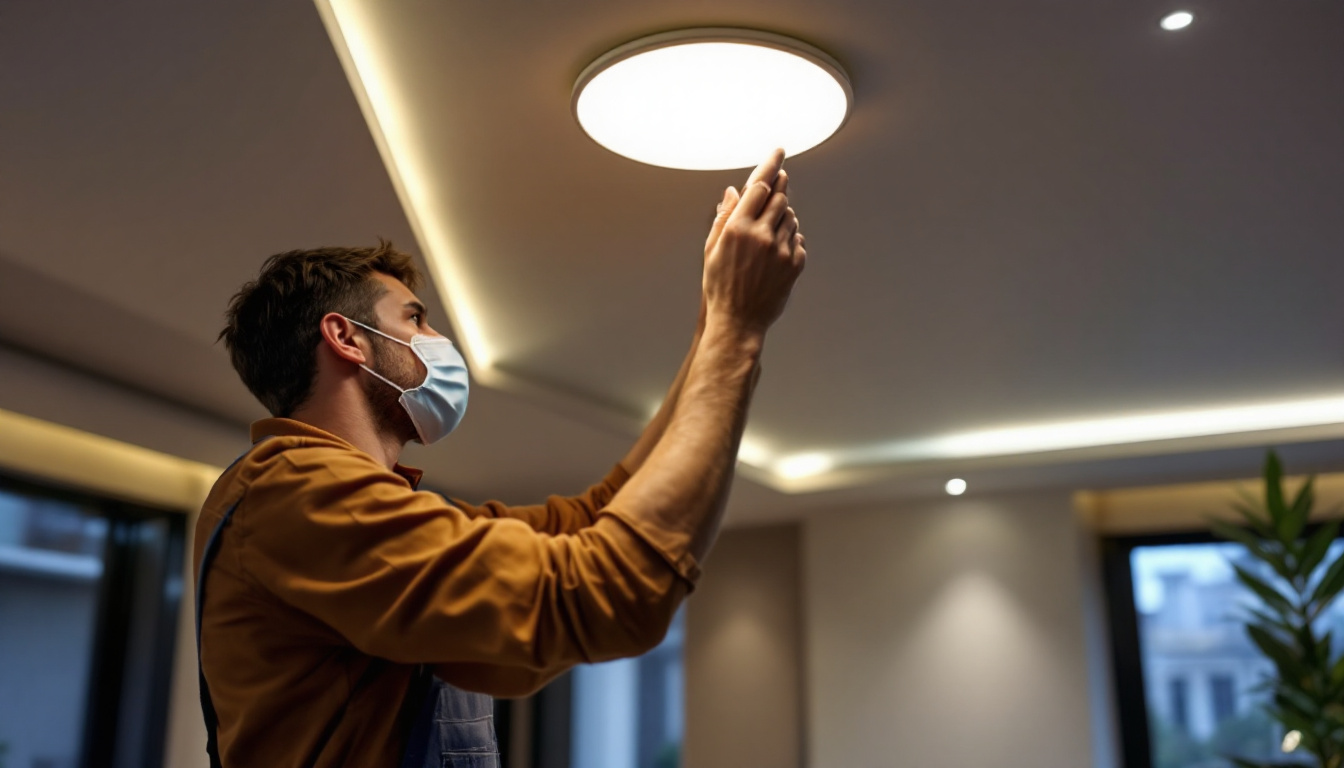
From an installation perspective, 4 inch cans are often easier to fit into tighter ceiling spaces or areas with limited clearance. Their smaller housing requires less room above the ceiling, which can be a significant advantage in remodels or older buildings with shallow joists.
Conversely, 6 inch cans need more space and may require additional framing or adjustments to the ceiling structure. Contractors must assess the building’s architecture carefully to determine which size will fit best without compromising structural integrity or complicating the installation process. Additionally, the choice of size can influence the overall aesthetic of the room; for example, in a contemporary design, the larger 6 inch lights can serve as a bold statement piece, while the smaller 4 inch fixtures can blend seamlessly into the ceiling, creating a clean and minimalist look. Proper planning and consideration of the room’s design elements are crucial to achieving the desired lighting effect.
Energy Efficiency and Bulb Options
Energy efficiency is a growing concern in the lighting industry, and both 4 inch and 6 inch can lights have options that cater to this demand. However, the smaller 4 inch cans often use lower wattage bulbs or LEDs, which can translate to reduced energy consumption.
That said, advances in LED technology have narrowed the gap between the two sizes in terms of efficiency. Many 6 inch LED retrofit kits now offer dimmable, energy-saving options that provide ample illumination without excessive power use. Contractors should stay informed about the latest lighting products to recommend the most energy-efficient solutions for their clients. Moreover, the versatility of bulb options available for both sizes allows homeowners to customize their lighting experience. From warm white to cool daylight, the choice of color temperature can significantly affect the mood of a space. For instance, warmer tones can create a cozy atmosphere in bedrooms, while cooler tones are often preferred in workspaces for enhanced focus and productivity. As the market continues to evolve, consumers can expect even more innovative solutions that prioritize both aesthetics and sustainability.
Practical Applications: When to Choose 4 Inch or 6 Inch Can Lights
Residential Settings
In residential projects, the choice between 4 inch and 6 inch can lights often depends on the room size and lighting goals. Smaller rooms such as bathrooms, hallways, or kitchens with low ceilings typically benefit from 4 inch cans. Their compact size allows for more fixtures to be installed without overwhelming the space, providing layered lighting that enhances functionality and ambiance.
For larger living areas, dining rooms, or open-concept spaces, 6 inch can lights are usually preferred. Their broader light spread reduces the number of fixtures needed, simplifying installation and maintenance. Additionally, the larger size complements the scale of these rooms, contributing to a balanced and inviting atmosphere.
Commercial and Hospitality Environments
In commercial settings, lighting contractors must consider both aesthetics and compliance with building codes and energy standards. 6 inch can lights are often favored in offices, retail spaces, and restaurants for their ability to deliver bright, uniform light that enhances visibility and customer experience.
However, 4 inch can lights have found a niche in hospitality environments where accent lighting and mood creation are priorities. Hotels and lounges use smaller cans to highlight architectural features, artwork, or seating areas, creating intimate spaces without harsh overhead light.
Specialized Lighting Needs
Some projects require specialized lighting solutions that influence the choice of can light size. For example, in museums or galleries, 4 inch cans equipped with adjustable trims allow precise spotlighting of exhibits without spillover. Meanwhile, 6 inch cans with diffusers can provide soft, ambient light in conference rooms or auditoriums.
Lighting contractors must collaborate closely with designers and clients to understand these nuanced requirements and select the appropriate can light size and accessories accordingly.
Technical Factors Impacting Choice and Installation
Heat Dissipation and Housing Types
Heat management is a crucial technical consideration. Larger 6 inch housings generally provide better heat dissipation, which can prolong the lifespan of bulbs and reduce fire risks. This is particularly important when using high-output bulbs or in spaces with limited ventilation.
4 inch housings, while more compact, may require LED-specific fixtures designed to minimize heat buildup. Contractors should verify that the housing and bulb combinations meet safety standards and manufacturer recommendations to avoid performance issues.
Compatibility with Dimming and Smart Controls
Modern lighting systems increasingly incorporate dimming and smart controls. Both 4 inch and 6 inch can lights are compatible with these technologies, but the choice of bulb and driver is critical. LED modules designed for dimming must be matched with compatible dimmers to prevent flickering or reduced lifespan.
Lighting contractors should consider the control system from the outset to ensure seamless integration. This includes verifying that the selected can lights support the desired dimming range and communication protocols, such as Zigbee or Wi-Fi, when applicable.
Building Codes and Energy Regulations
Compliance with local building codes and energy regulations is non-negotiable. Many jurisdictions have specific requirements for recessed lighting, including airtight housings to prevent energy loss and fire-rated fixtures for use in certain ceiling types.
Both 4 inch and 6 inch can lights come in versions that meet these standards, but contractors must carefully select products that align with the project’s regulatory environment. Failure to comply can result in costly rework, fines, or safety hazards.
Cost Implications and Client Communication
Material and Labor Costs
From a budgeting perspective, 4 inch can lights generally cost less per fixture due to their smaller size and lower material requirements. However, because more fixtures may be needed to achieve the desired lighting effect, the total cost can sometimes equal or exceed that of fewer 6 inch cans.
Labor costs also vary. Installing numerous small cans can increase installation time and complexity, especially in ceilings with limited access. Conversely, fewer larger cans may reduce labor but require more extensive ceiling modifications.
Educating Clients on Lighting Choices
Lighting contractors play a vital role in guiding clients through the decision-making process. Clear communication about the benefits and limitations of 4 inch versus 6 inch can lights helps clients set realistic expectations and make informed choices.
Visual aids, such as lighting simulations or sample installations, can be invaluable tools. Discussing factors like light distribution, energy consumption, maintenance, and aesthetics ensures that clients appreciate the rationale behind the recommended solution, leading to higher satisfaction and fewer post-installation issues.
Conclusion: Making the Right Choice for Every Project
The decision between 4 inch and 6 inch can lights is far from trivial for lighting contractors. It requires a holistic understanding of technical specifications, project requirements, client preferences, and regulatory constraints. By carefully evaluating these factors, contractors can deliver lighting solutions that enhance space functionality, comply with safety standards, and optimize energy efficiency.
Staying current with industry trends, product innovations, and best practices empowers contractors to make confident recommendations and execute installations that stand the test of time. Ultimately, the right choice between 4 inch and 6 inch can lights contributes significantly to the success of any lighting project, reinforcing the contractor’s reputation for expertise and quality workmanship.
Illuminate Your Projects with LumenWholesale
As a lighting contractor, your choice between 4 inch and 6 inch can lights can define the success of your projects. At LumenWholesale, we support your commitment to excellence by providing top-quality, spec-grade lighting products at the best wholesale prices. Our extensive selection is designed to meet the highest industry standards, ensuring that you deliver reliable and high-performance lighting solutions every time. Plus, with free shipping on bulk orders, you can stock up on premium lighting without worrying about hidden fees or compromises. Elevate your lighting projects with the perfect blend of quality, affordability, and convenience. Wholesale Lighting at the Best Value is just a click away.