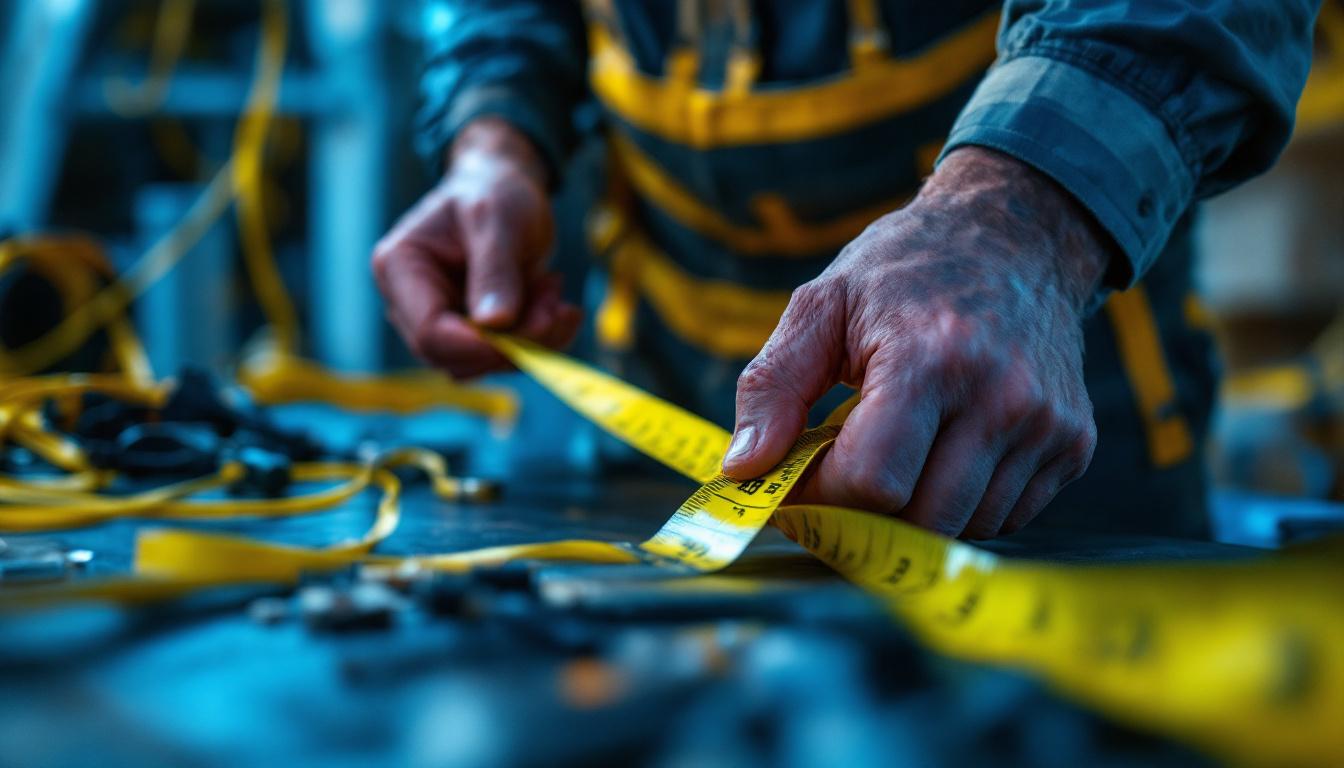
Understanding the Importance of a 100 Foot Fish Tape for Lighting Contractors
For lighting contractors, efficiency and precision are paramount. One tool that consistently proves indispensable on the job is the 100 foot fish tape. This length of fish tape offers the versatility needed to navigate complex conduit runs, especially in commercial and large residential projects where wiring paths can be extensive and challenging.
Fish tape is essentially a tool used to route new wiring through walls, ceilings, and conduit. The 100 foot variant strikes an ideal balance between reach and manageability, allowing contractors to pull wires over long distances without the need for multiple extensions or additional equipment. Understanding how to maximize the use of this tool can significantly reduce installation time and improve overall job quality.
Why Choose a 100 Foot Fish Tape?
While shorter fish tapes are suitable for small-scale jobs, lighting contractors frequently encounter scenarios where wiring must be pulled through long conduit runs or across multiple rooms. A 100 foot fish tape provides the necessary length to handle these tasks without interruption. It reduces the need to splice wires or make multiple pulls, which can compromise the integrity of the wiring and increase labor costs.
Moreover, the 100 foot length is versatile enough to be used in a variety of settings—from commercial office buildings to large-scale residential installations—making it a staple in any lighting contractor’s toolkit.
In addition to its practical applications, the 100 foot fish tape is designed with user-friendly features that enhance its functionality. Many models come equipped with a sturdy, ergonomic handle that allows for a secure grip, reducing hand fatigue during extended use. Some even feature a flexible, yet durable construction that can withstand the rigors of daily use, ensuring that the tape maintains its shape and effectiveness over time. This durability is especially crucial for contractors who may find themselves working in tight spaces or on uneven surfaces, where a reliable tool can make all the difference in achieving a successful installation.
Furthermore, the ability to easily navigate bends and turns in conduit is another significant advantage of using a 100 foot fish tape. The length allows for smoother transitions, minimizing the risk of kinks that can hinder wire pulling. This capability is particularly beneficial in older buildings where existing wiring may not follow a straight path, presenting unique challenges for lighting installations. By utilizing a fish tape that can effectively manage these obstacles, contractors can ensure that their installations are not only efficient but also up to code and safe for use.
Key Features to Look for in a 100 Foot Fish Tape
Not all fish tapes are created equal. Lighting contractors should pay close attention to specific features that enhance usability, durability, and safety.
Material and Durability
The material of the fish tape significantly affects its performance. Steel fish tapes are known for their strength and are ideal for pulling through rough conduit or over long distances. However, they can be prone to kinking and rusting if not properly maintained. On the other hand, fiberglass fish tapes offer flexibility and corrosion resistance, making them suitable for environments with moisture or chemical exposure.
Many contractors prefer steel fish tapes for their rigidity and ability to push through tight bends, but fiberglass tapes are gaining popularity for their lightweight and non-conductive properties, which add an extra layer of safety when working near live circuits. Additionally, some manufacturers have started to produce hybrid models that combine the best features of both materials, offering the strength of steel with the flexibility of fiberglass, which could be an excellent option for contractors looking for versatility in their tools.
Handle Design and Ergonomics
Since fish tapes are often used for extended periods, the handle design can greatly impact user comfort and efficiency. Look for models with ergonomic grips that reduce hand fatigue and provide better control during wire pulling. Some fish tapes feature rotating handles or reels that allow for smoother deployment and retrieval of the tape, which can speed up the process and reduce the risk of tangling. Furthermore, a well-designed handle can also include features like a built-in locking mechanism to secure the tape in place when not in use, preventing accidental unwinding and ensuring safety during transport.
Visibility and Markings
High-visibility markings on the tape itself can help contractors measure distances accurately without needing additional tools. Some tapes also feature color-coded sections or reflective coatings, which are especially useful in dimly lit environments common in lighting installations. Enhanced visibility not only aids in precise measurements but also helps in quickly identifying tape lengths during a job, which can be crucial when time is of the essence. Additionally, some advanced fish tapes come with integrated measurement systems that allow users to track the length of the tape deployed, providing real-time feedback and reducing the chances of over-pulling or under-pulling wires.
Practical Tips for Using a 100 Foot Fish Tape Effectively
Mastering the use of a 100 foot fish tape can save time and prevent common pitfalls during lighting installations. Here are some quick tips that lighting contractors can apply on the job.
Plan Your Route Before Starting
Before deploying the fish tape, take a moment to plan the wiring route. Identify all bends, junction boxes, and potential obstacles. This preparation helps anticipate challenges and reduces the likelihood of the tape getting stuck or damaged during the pull.
Use Lubricants to Ease Wire Pulling
Applying a wire-pulling lubricant can significantly reduce friction, especially when pulling wires through long or complex conduit runs. This not only protects the wire insulation but also reduces the physical effort required, minimizing strain on the contractor and the tool.
Maintain Proper Tension and Control
Keep the fish tape taut but avoid excessive force. Pulling too hard can cause the tape to kink or snap, while too little tension may lead to tangling. Using a partner to feed wire while another controls the tape can improve coordination and reduce errors.
Inspect and Maintain Your Fish Tape Regularly
Regular inspection for wear, kinks, or corrosion extends the life of the fish tape and ensures safety. Clean the tape after each use, especially if lubricants or debris are present, and store it in a dry place to prevent rust or damage.
Common Challenges and How to Overcome Them
Even experienced lighting contractors face challenges when using fish tapes. Understanding these common issues and how to address them can improve job outcomes.
Dealing with Stuck Fish Tape
Fish tape can become stuck in conduit due to sharp bends, debris, or tight spaces. To free a stuck tape, try gently twisting and pulling it back and forth rather than applying straight force. Using a lubricant can also help loosen the tape. If the tape remains stuck, it may be necessary to access the conduit from another point or use a different tool.
Preventing Wire Damage
Wire insulation can be damaged if pulled too aggressively or through rough conduit. Using a fish tape with a smooth surface, applying lubricant, and maintaining steady tension helps protect the wire. Additionally, avoid pulling multiple wires simultaneously unless the fish tape and conduit are rated for such loads.
Managing Long Pulls
Long conduit runs require careful coordination. Using a 100 foot fish tape reduces the need for multiple pulls, but contractors should still plan for breaks and have assistance available. Employing a wire-pulling grip or swivel can prevent twisting and tangling during long pulls.
Enhancing Efficiency with Complementary Tools
While a 100 foot fish tape is invaluable, pairing it with other tools can further streamline lighting installations.
Wire Pulling Lubricants
As mentioned, lubricants reduce friction and make wire pulling smoother. Choose lubricants specifically designed for electrical wiring to avoid damaging insulation or creating hazardous residues.
Fish Tape Guides and Conduit Rods
Fish tape guides help direct the tape through conduit bends and around obstacles, reducing the risk of snagging. Conduit rods, often made of fiberglass, can be used in conjunction with fish tapes to navigate complex pathways more easily.
Wire Pulling Grips and Swivels
These accessories attach to the wire bundle and the fish tape, allowing for secure pulls and preventing wire twisting. They are especially useful on long runs or when pulling heavier gauge wires.
Safety Considerations When Using a 100 Foot Fish Tape
Safety should always be a priority on any job site. Using a fish tape involves potential risks that lighting contractors must mitigate.
Avoiding Electrical Hazards
Never use a steel fish tape near live electrical circuits, as it conducts electricity and can cause shocks or short circuits. In such cases, opt for a non-conductive fiberglass fish tape. Always verify that circuits are de-energized before beginning any wire pulling.
Proper Handling to Prevent Injury
Fish tapes can snap back if tension is released suddenly, posing a risk of injury. Maintain control of the tape at all times and wear appropriate personal protective equipment, such as gloves and safety glasses.
Worksite Awareness
Be mindful of your surroundings when deploying a 100 foot fish tape. Long lengths of tape can become tripping hazards or get caught on other equipment. Clear the work area and communicate with team members to ensure safe operations.
Conclusion: Maximizing the Value of Your 100 Foot Fish Tape
For lighting contractors, a 100 foot fish tape is more than just a tool—it’s a critical asset that enhances efficiency, safety, and quality on the job. Selecting the right fish tape, understanding its features, and applying best practices can transform challenging wiring tasks into smooth, manageable processes.
By combining the fish tape with complementary tools and adhering to safety protocols, contractors can deliver superior lighting installations with confidence and professionalism. Investing time in mastering this essential tool ultimately leads to faster project completion, reduced labor costs, and satisfied clients.
Get Your Premium Lighting Tools at LumenWholesale
Ready to enhance your lighting installations with the best tools in the trade? Look no further than LumenWholesale for all your contractor needs. Our extensive selection of spec-grade lighting products ensures you have access to high-quality, reliable tools like the 100-foot fish tape, all at unbeatable wholesale prices. Say goodbye to inflated markups and hello to hassle-free bulk buying with free shipping. Elevate your efficiency, safety, and quality on every project with LumenWholesale, where quality meets affordability and convenience. Discover the value we bring to your work by visiting Wholesale Lighting at the Best Value today.