Understanding the Unique Challenges of Solar Panel Flood Lights
Solar panel flood lights have become a popular choice for outdoor lighting projects due to their energy efficiency and ease of installation. However, lighting contractors often face specific challenges when integrating these systems into their projects. Unlike traditional wired flood lights, solar-powered options depend heavily on environmental factors, technology limitations, and installation nuances.
One of the primary challenges is ensuring consistent performance despite fluctuating sunlight availability. Cloudy days, shaded areas, and seasonal changes can significantly impact the charging capacity of solar panels. For contractors, this means anticipating these variables during the design and installation phases to avoid client dissatisfaction. It may also necessitate the incorporation of additional features, such as motion sensors or timers, to optimize energy use and enhance functionality. By understanding the local climate and the specific site conditions, contractors can better assess the viability of solar flood lights for their projects.
Additionally, the variety of solar flood light products on the market presents a challenge in selecting reliable, durable units. Not all solar panels and batteries are created equal, and poor-quality components can lead to premature failure or underperformance. Understanding the specifications and real-world performance of these products is crucial for contractors who want to maintain their reputation and deliver lasting solutions. This involves not only researching manufacturers but also seeking out user reviews and performance tests to gauge reliability. Furthermore, contractors must consider the warranty and support offered by manufacturers, as these can be indicative of product quality and the company’s commitment to customer satisfaction.
Another critical aspect to consider is the installation process itself, which can be more complex than it appears. Proper placement of solar panels is essential to maximize sunlight exposure, which may require adjustments based on the time of year and surrounding structures. Contractors must also be adept at installing the lights in a way that ensures they are securely mounted and resistant to weather conditions. This may involve using specialized mounting brackets or anchors, particularly in areas prone to high winds or heavy rain. Additionally, educating clients about the maintenance requirements of solar flood lights, such as periodic cleaning of the solar panels and battery checks, can help ensure optimal performance and longevity of the system.
Site Assessment: The Foundation for Successful Solar Flood Light Installation
Evaluating Sunlight Exposure
Before installing solar panel flood lights, a thorough site assessment is essential. Lighting contractors must evaluate the location’s sunlight exposure throughout the day and across seasons. Even a small amount of shade from trees, buildings, or other structures can reduce the effectiveness of solar panels.
Using tools like solar pathfinders or digital apps that simulate sunlight patterns can help contractors identify the best mounting spots for solar panels. This proactive approach minimizes the risk of undercharging and ensures the lights operate as intended. Additionally, understanding the seasonal variations in sunlight can help in planning for optimal performance year-round. For instance, areas that receive direct sunlight in summer may experience longer shadows in winter, necessitating adjustments in the placement of solar lights to maintain consistent illumination.
Assessing Power Needs and Light Coverage
Another critical step is determining the power requirements based on the area that needs illumination. Solar flood lights come in various wattages and brightness levels, so selecting the right model depends on the size of the space and the desired lighting intensity.
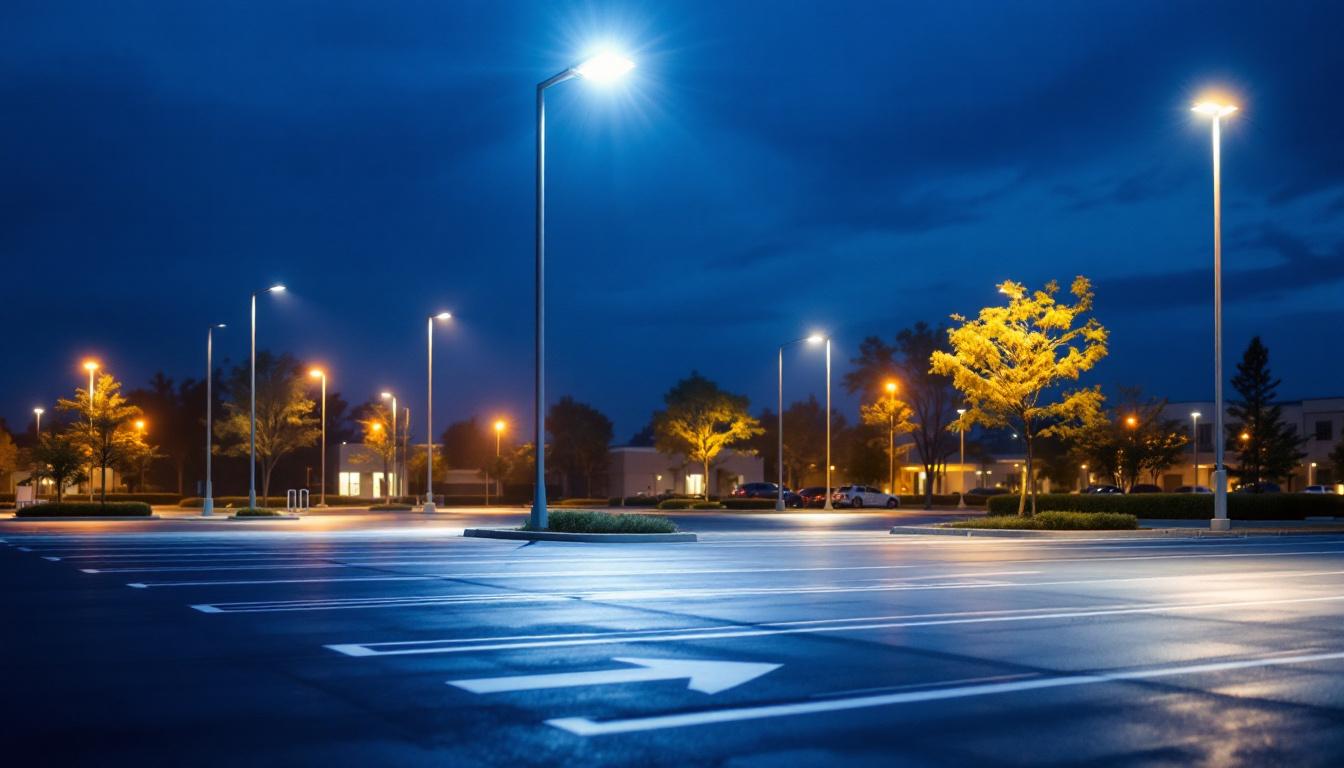
Contractors should also consider the light distribution pattern. Wide-angle flood lights are ideal for broad areas like parking lots, while focused beams suit security lighting around entrances. Matching the light output to the application improves energy efficiency and client satisfaction. Furthermore, it is beneficial to evaluate the potential for future expansion of the lighting system. As properties evolve, the initial lighting setup may need to be adjusted or expanded. Planning for scalability during the assessment phase can save time and resources down the line, ensuring that the lighting solution remains effective as the needs of the space change.
Overcoming Technical Limitations with Smart Design Choices
Battery Capacity and Longevity
Battery technology plays a pivotal role in the reliability of solar flood lights. Lithium-ion batteries are increasingly preferred due to their higher energy density and longer lifespan compared to traditional lead-acid or nickel-metal hydride batteries. However, they come at a higher cost.
Contractors should educate clients on the trade-offs and recommend batteries that balance performance with budget constraints. Incorporating larger battery capacities can also provide backup power during extended periods of low sunlight, reducing downtime. Additionally, advancements in battery management systems (BMS) allow for smarter charging and discharging cycles, which can further enhance battery longevity. These systems monitor the battery’s health, ensuring that it operates within optimal parameters and prolonging its life. This not only benefits the end-user by reducing replacement costs but also contributes to a more sustainable approach to energy consumption.
Integrating Smart Controls and Sensors
Modern solar flood lights often include motion sensors, dusk-to-dawn timers, and remote control capabilities. These features not only conserve energy but also enhance security and convenience. For example, motion-activated flood lights only illuminate when movement is detected, extending battery life.
Lighting contractors can leverage these smart controls to tailor lighting solutions to client needs. Proper programming and placement of sensors ensure maximum efficiency and user satisfaction. Moreover, integrating smart home technology allows users to control their solar flood lights through mobile apps or voice-activated assistants, providing an added layer of convenience. This connectivity can also enable users to receive notifications about battery status or maintenance needs, ensuring that their lighting systems remain functional and efficient. As the demand for smart home devices continues to rise, incorporating these features into solar flood lighting systems can significantly enhance their appeal and usability, making them a more attractive option for environmentally conscious consumers.
Installation Best Practices to Maximize Performance
Optimal Panel Placement and Angle
Mounting solar panels at the correct angle and orientation is crucial. Panels should face true south (in the Northern Hemisphere) or true north (in the Southern Hemisphere) to capture the most sunlight. The tilt angle should correspond to the latitude of the installation site for year-round efficiency.
Using adjustable mounts allows for fine-tuning after installation, accommodating seasonal shifts in the sun’s path. This flexibility can significantly improve energy capture and lighting reliability. Additionally, it is beneficial to consider potential shading from nearby trees, buildings, or other structures. Conducting a shading analysis can help identify the best locations for panel installation, ensuring that they receive maximum sunlight exposure throughout the day. By optimizing placement, homeowners can enhance the overall efficiency of their solar energy systems, leading to greater energy savings and reduced reliance on grid power.
Secure and Weather-Resistant Mounting
Outdoor lighting installations must withstand harsh weather conditions. Solar flood lights and their panels should be securely mounted to resist wind, rain, and temperature fluctuations. Using corrosion-resistant materials and waterproof enclosures protects sensitive components and extends system lifespan.
Contractors should also ensure wiring and connections are sealed and protected from moisture ingress, which can cause shorts or corrosion. Furthermore, it is advisable to regularly inspect and maintain the mounting systems, checking for any signs of wear or damage that could compromise the integrity of the installation. Implementing a routine maintenance schedule can help identify issues early and ensure that the solar lighting systems continue to operate at peak performance. This proactive approach not only enhances the durability of the installation but also maximizes the return on investment for solar technology, making it a wise choice for environmentally conscious consumers.
Maintenance Strategies to Ensure Long-Term Success
Regular Cleaning and Inspection
Dirt, dust, and debris accumulation on solar panels can reduce their efficiency by up to 25%. Scheduling regular cleaning as part of maintenance contracts helps maintain optimal performance. Using soft cloths and mild detergents prevents scratches and damage.
Periodic inspection of batteries, wiring, and fixtures identifies potential issues before they cause failures. Early detection of corrosion, loose connections, or battery degradation saves time and money in the long run.
Battery Replacement and Recycling
Batteries have a finite lifespan, typically between 3 to 7 years depending on type and usage. Contractors should advise clients on expected replacement intervals and offer battery recycling services to ensure environmental responsibility.
Proactive battery management prevents unexpected outages and maintains client trust. Keeping detailed maintenance records supports warranty claims and service planning.
Educating Clients to Set Realistic Expectations
Solar panel flood lights offer many advantages, but they also come with inherent limitations. Lighting contractors must communicate these clearly to clients to avoid misunderstandings. Explaining how weather conditions, seasonal changes, and system design affect performance helps clients appreciate the technology’s benefits and constraints.
Providing clients with user manuals, maintenance tips, and contact information for support fosters a positive relationship and encourages proper system care. Well-informed clients are more likely to be satisfied and recommend the contractor’s services.
Case Study: Successful Solar Flood Light Installation in a Commercial Parking Lot
A lighting contractor recently completed a solar flood light project for a commercial parking lot with limited access to electrical infrastructure. The site presented challenges including partial shading from nearby trees and irregular terrain.
Through meticulous site assessment, the contractor identified optimal panel locations with maximum sun exposure and selected high-capacity lithium-ion battery units with motion sensors to conserve energy. Adjustable mounts allowed fine-tuning of panel angles post-installation.
Regular maintenance contracts were established with the client, including quarterly cleaning and battery health checks. The project resulted in reliable, cost-effective lighting that enhanced security and reduced operational expenses.
Conclusion: Turning Challenges into Opportunities
Solar panel flood lights are transforming outdoor lighting, but their success depends on careful planning, quality components, and ongoing maintenance. Lighting contractors who understand and address the unique challenges of solar technology can deliver superior results that satisfy clients and build lasting reputations.
By combining technical expertise with clear communication and smart design choices, contractors can turn potential obstacles into opportunities for innovation and growth in the evolving lighting industry.
Get Your Premium Solar Flood Lights at LumenWholesale
Ready to elevate your lighting projects with the best solar panel flood lights on the market? Look no further than LumenWholesale, where we provide lighting contractors with the highest quality, spec-grade lighting products at unbeatable wholesale prices. Say goodbye to local distributor markups and hello to superior lighting solutions that fit your budget. With our extensive selection, you’re guaranteed to find the perfect lighting for any project, backed by the reliability and performance you need. Plus, with free shipping on bulk orders, you can stock up on premium lighting without worrying about hidden fees or compromises. Don’t let challenges hold you back—take advantage of the opportunities with LumenWholesale and ensure your projects shine. Wholesale Lighting at the Best Value is just a click away!