Understanding the Power of Wall LED Lighting
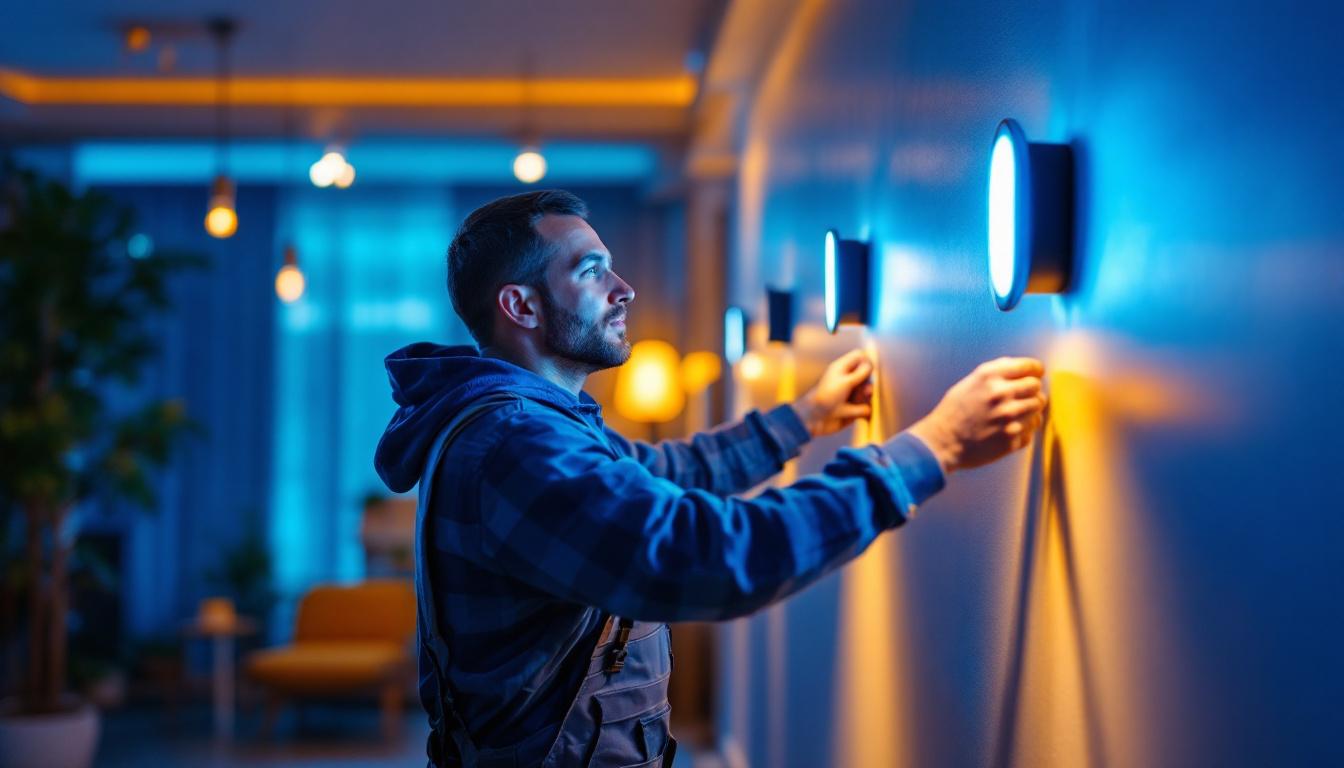
Wall LED lighting has transformed the way spaces are illuminated, offering versatility, energy efficiency, and aesthetic appeal that traditional lighting solutions struggle to match. For lighting contractors, mastering wall LED lighting is not just about installing fixtures-it’s about understanding the nuances that make these systems perform optimally in diverse environments.
LEDs are compact and adaptable, allowing for creative installations that enhance architectural features or create mood-enhancing effects. Unlike conventional lighting, LEDs generate less heat and consume significantly less energy, which appeals to clients focused on sustainability and operational cost savings. However, the true potential of wall LED lighting unfolds when contractors grasp the technical and design elements that influence both function and form.
One of the most compelling aspects of wall LED lighting is its ability to provide customizable color temperatures and brightness levels, enabling designers to tailor the ambiance of a space to meet specific needs. For instance, a warm white light can create a cozy atmosphere in a residential living room, while a cooler, brighter light may be more suitable for a modern office environment that requires focus and productivity. Additionally, many LED systems now come with smart technology integration, allowing users to control lighting remotely, set schedules, or even adjust the color and intensity through smartphone applications. This level of control not only enhances user experience but also contributes to energy savings by ensuring lights are only used when necessary.
Moreover, the installation of wall LED lighting can significantly impact the perception of space. Strategically placed LED fixtures can make a small room feel larger or highlight specific features such as artwork or architectural details. The use of wall-mounted LED strips or sconces can create a layered lighting effect that adds depth and interest to a room. As contractors explore innovative installation techniques, they can also consider incorporating dimmers and sensors, which further enhance the functionality of the lighting setup. By understanding the interplay between light, space, and human behavior, contractors can deliver solutions that not only meet aesthetic desires but also improve the overall quality of life for occupants.
Choosing the Right LED Fixtures for Wall Applications
Assessing the Environment and Purpose
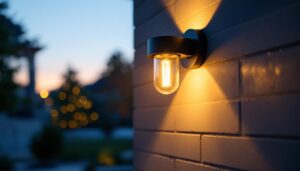
Before selecting fixtures, contractors must evaluate the environment where the lighting will be installed. Is it a residential hallway, a commercial lobby, or an outdoor façade? Each setting demands different specifications. For example, outdoor wall LEDs require higher ingress protection ratings to withstand weather conditions, while indoor fixtures might prioritize color rendering and dimming capabilities. Additionally, factors such as ceiling height, wall texture, and the presence of windows can significantly influence the choice of fixtures. High ceilings may benefit from fixtures that have a higher lumen output to ensure adequate light distribution, while textured walls might necessitate fixtures that can create shadows and highlights to enhance the visual interest of the space.
Understanding the purpose is equally vital. Accent lighting to highlight artwork or architectural details requires narrow beam angles and precise placement. Conversely, general wall lighting for safety or navigation benefits from wider beams and uniform illumination. It’s also important to consider the time of day the space will be used most frequently. For instance, spaces that are primarily used in the evening may require warmer color temperatures to create a cozy atmosphere, while daytime usage might benefit from cooler tones that mimic natural daylight. Furthermore, integrating smart lighting controls can enhance functionality, allowing users to adjust brightness and color temperature based on their needs or mood.
Fixture Types and Their Applications
Wall LED fixtures come in various forms—wall washers, sconces, linear strips, and recessed units. Wall washers are excellent for evenly illuminating vertical surfaces, creating dramatic effects on textured walls or columns. Sconces add decorative elements while providing ambient or task lighting. They can be used to frame doorways or highlight specific areas, making them a versatile choice for both residential and commercial spaces. Linear LED strips, often installed in coves or behind panels, offer continuous light that can be customized in length and color temperature, providing flexibility in design and function. These strips can also be dimmed to create different moods, making them suitable for various applications from dining areas to retail displays.
Recessed wall lights are discreet and ideal for pathways or staircases, enhancing safety without overwhelming the design. They can be strategically placed to guide visitors through a space while maintaining a clean aesthetic. Selecting the appropriate fixture type depends on balancing aesthetic goals with functional requirements. Additionally, considering energy efficiency is crucial; opting for LED fixtures not only reduces energy consumption but also minimizes maintenance costs due to their long lifespan. It’s worth exploring options that offer smart technology integration, allowing for programmable settings that can adapt to changing needs, such as occupancy sensors that automatically adjust lighting levels based on the presence of people in the area.
Technical Considerations for Optimal Installation
Power Supply and Wiring Best Practices
LEDs require constant current drivers, and choosing the right power supply is critical to ensure longevity and consistent performance. Lighting contractors must calculate total wattage accurately and consider voltage drops, especially in longer runs of LED strips or multiple fixtures connected in series.
Using high-quality, UL-listed drivers and adhering to electrical codes prevents failures and safety hazards. Proper wiring techniques, including secure connections and adequate insulation, protect the installation from moisture and mechanical damage.
Heat Management and Fixture Placement
Although LEDs produce less heat than traditional bulbs, heat dissipation remains a crucial factor. Overheating can degrade LED chips and reduce lifespan. Contractors should install fixtures with adequate spacing and use materials with good thermal conductivity for mounting surfaces.
Wall LED fixtures often incorporate heat sinks, but ensuring proper airflow around these components is essential. Avoiding enclosed spaces without ventilation or direct contact with heat-sensitive materials helps maintain optimal operating temperatures.
Color Temperature and CRI Selection
Choosing the right color temperature impacts both the ambiance and the perceived quality of light. Warmer tones (2700K-3000K) create cozy, inviting spaces, while cooler temperatures (4000K-5000K) are preferred for task-oriented or commercial areas due to their crisp, clear illumination.
Color Rendering Index (CRI) is another critical factor. A CRI above 80 is generally recommended for most applications, ensuring colors appear natural and vibrant. Higher CRI values are essential in retail or gallery settings where accurate color representation influences customer experience and product appeal.
Mastering Installation Techniques for Durability and Aesthetics
Surface Preparation and Mounting
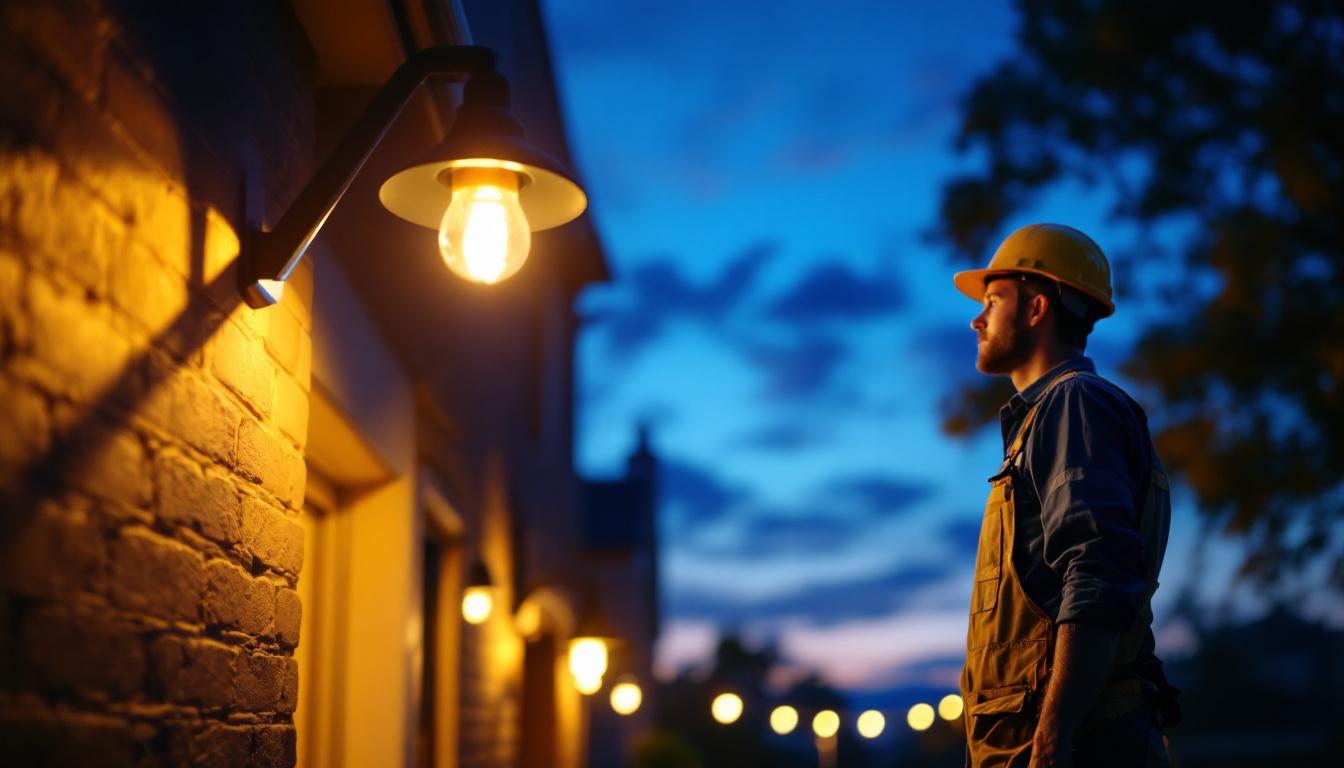
Proper surface preparation is the foundation of a successful wall LED installation. Walls should be clean, dry, and structurally sound. For outdoor installations, moisture barriers or sealants may be necessary to prevent water ingress behind fixtures.
Mounting hardware must be selected based on wall material-drywall anchors for interiors, masonry screws for brick or concrete. Ensuring fixtures are level and securely fastened not only improves appearance but also prevents long-term damage from vibrations or environmental stress.
Concealing Wiring for a Clean Finish
Exposed wiring can detract from the sleek look LED lighting offers. Lighting contractors often use conduits, raceways, or channel systems to hide cables. In renovation projects, in-wall wiring may be possible, but this requires careful planning to avoid structural elements and comply with electrical codes.
Wireless control systems are gaining popularity, reducing the need for complex wiring runs and enabling flexible lighting schemes. However, these systems still require power connections and must be integrated thoughtfully to maintain reliability.
Advanced Controls and Integration
Dimming and Smart Lighting Systems
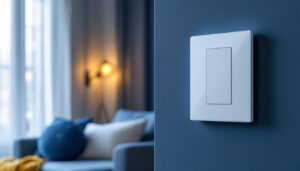
Dimming capabilities are a game-changer for wall LED lighting, allowing users to adjust brightness according to mood or task. Contractors should ensure compatibility between LED drivers and dimmers, as mismatched components can cause flickering or reduced lifespan.
Smart lighting integration enables remote control, scheduling, and scene setting through apps or voice assistants. This technology adds value for clients seeking convenience and energy management. Lighting contractors need to stay updated on protocols like Zigbee, Z-Wave, or Wi-Fi to recommend and install systems that fit client needs.
Color Tuning and Dynamic Effects
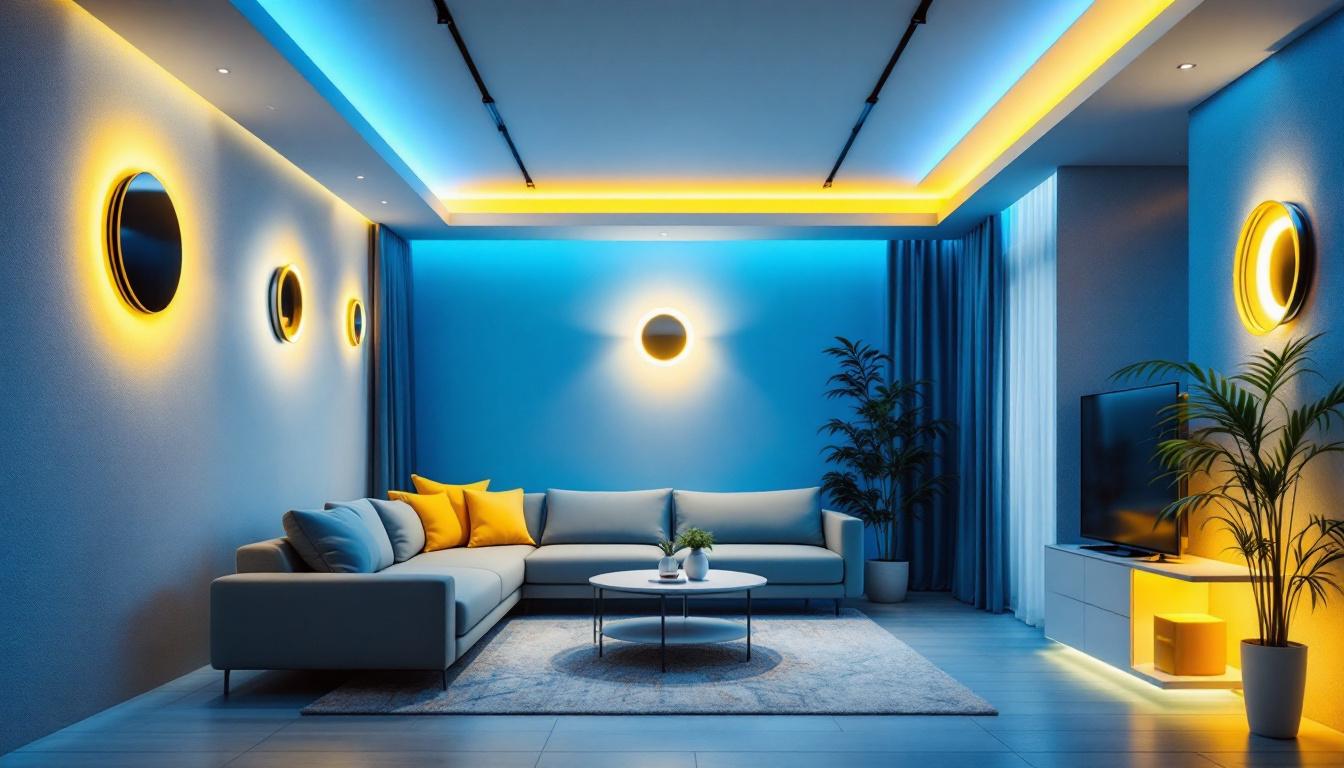
RGB and tunable white LEDs open creative possibilities for wall lighting. Color tuning allows adjustment of color temperature throughout the day, supporting circadian rhythms and enhancing comfort. RGB LEDs can produce vibrant color effects, ideal for hospitality or entertainment venues.
Implementing these features requires precise control systems and programming expertise. Lighting contractors who master these technologies can offer clients customized solutions that elevate the lighting experience.
Common Challenges and How to Overcome Them
Dealing with Uneven Light Distribution
Uneven illumination is a frequent issue in wall LED installations, often caused by improper fixture spacing or incorrect beam angles. Contractors should conduct photometric analyses or use lighting design software to plan layouts that deliver uniform coverage.
Adjusting fixture orientation and selecting diffusers or lenses can also help soften harsh shadows and reduce glare, resulting in a more pleasing visual effect.
Addressing Compatibility and Interference Issues
Integrating new LED systems with existing electrical infrastructure or control networks can present compatibility challenges. Flickering, buzzing, or signal interference are symptoms of mismatched components or poor grounding.
Thorough testing, proper grounding, and selecting compatible dimmers and drivers mitigate these problems. Staying informed about the latest industry standards and product updates ensures smoother installations.
Maintenance Tips for Long-Term Performance
Wall LED lighting is low-maintenance compared to traditional lighting, but regular inspections help sustain performance. Checking for dust accumulation, fixture alignment, and secure connections prevents gradual degradation.
Replacing drivers or control modules proactively before failure can avoid downtime. Educating clients on basic care and providing clear documentation enhances satisfaction and reduces service calls.
Conclusion: Elevating Your Expertise with Wall LED Lighting
Wall LED lighting offers lighting contractors a dynamic tool to create impactful, efficient, and customizable lighting solutions. Mastery involves more than installation skills-it requires understanding technical specifications, design principles, and emerging technologies.
By focusing on proper fixture selection, meticulous installation, advanced controls, and proactive maintenance, contractors can deliver installations that impress clients and stand the test of time. Embracing these secrets transforms wall LED lighting from a simple task into a craft that elevates professional reputation and client satisfaction.
Take Your Wall LED Lighting Projects to the Next Level with LumenWholesale
Ready to enhance your expertise in wall LED lighting with premium products that promise performance and affordability? Look no further than LumenWholesale. Our extensive selection of spec-grade lighting solutions is designed to meet the highest industry standards, ensuring that your installations not only impress but also endure. With unbeatable wholesale prices and the convenience of free shipping on bulk orders, you can trust that you’re getting the best value without any hidden fees. Elevate your professional reputation and delight your clients by choosing Wholesale Lighting at the Best Value with LumenWholesale. Your craft deserves the best, and we’re here to provide it.