Why Security Lights with Remotes Are a Game-Changer for Contractors
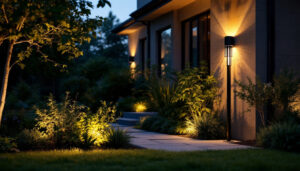
Security lighting has always been a cornerstone of property safety. As a lighting contractor, you know the importance of reliable illumination that deters intruders and enhances visibility. But adding a remote control to security lights elevates their functionality, making installation, maintenance, and user experience significantly better.
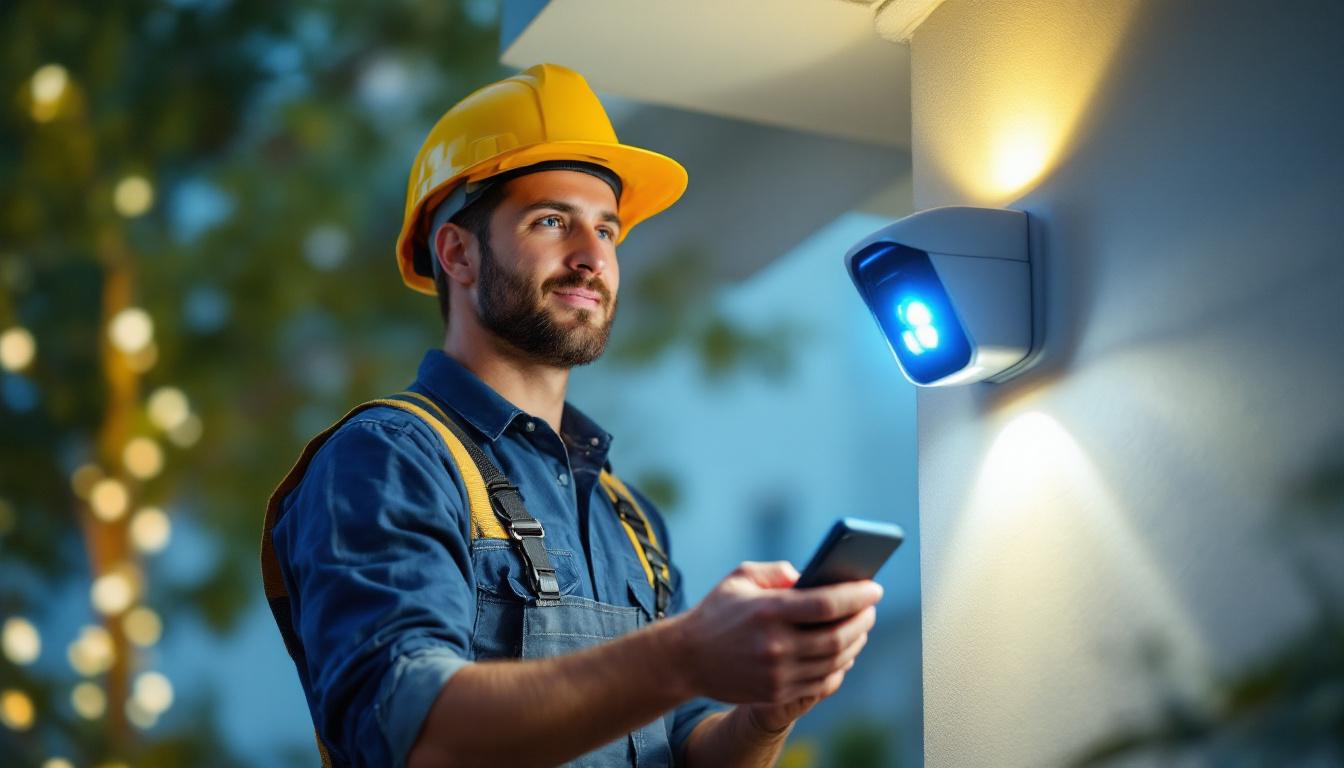
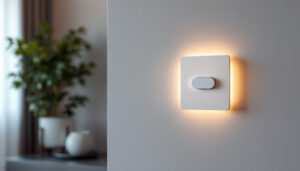
Remote-controlled security lights allow homeowners and businesses to manage lighting without physically accessing the fixture. This is especially valuable for installations in hard-to-reach areas or for clients who want quick control over their security systems. For contractors, offering this feature can differentiate your service and broaden your market appeal.
By integrating remote controls, you also reduce the need for complex wiring or additional switches, streamlining the installation process. This can translate into time savings and fewer callbacks, which every contractor appreciates.
Moreover, the convenience of remote-controlled security lights extends beyond just operational efficiency. Many modern systems come equipped with smart technology, allowing users to control their lights via smartphone apps or voice commands. This integration with smart home systems not only enhances user experience but also appeals to tech-savvy clients looking for cutting-edge solutions. As a contractor, being knowledgeable about these smart features can position you as an expert in the field, fostering trust and encouraging referrals.
Additionally, remote-controlled security lights often come with customizable settings, such as timers and motion sensors, that can be adjusted from a distance. This flexibility allows property owners to tailor their lighting to their specific needs, whether it’s setting the lights to turn on at dusk or adjusting the sensitivity of motion detection. Such features not only enhance security but also contribute to energy efficiency, making them an attractive option for environmentally conscious clients. By promoting these benefits, contractors can not only increase customer satisfaction but also potentially upsell additional services, such as energy audits or smart home consultations.
Types of Security Lights with Remote Controls
Motion Sensor Security Lights
One of the most popular options, motion sensor lights with remote controls, combine automatic activation with manual override. The remote allows users to adjust sensitivity, duration, and brightness without climbing ladders or rewiring.
Lighting contractors should look for models that offer adjustable detection ranges and customizable settings. This flexibility ensures the light fits diverse client needs, from residential driveways to commercial parking lots. Additionally, many modern motion sensor lights come equipped with features such as adjustable time delays and different modes for day and night, allowing for tailored performance based on specific environments. For instance, a homeowner might prefer a quick activation for nighttime security, while a business may want a longer delay to accommodate employees moving about during the day.
LED Floodlights with Remote Dimming
LED floodlights provide bright, energy-efficient illumination. When paired with remote dimming capabilities, they offer clients control over light intensity, which can help reduce energy consumption and extend bulb life.
For contractors, recommending LED floodlights with remote dimming means promoting sustainability and cost savings—two selling points that resonate strongly with today’s customers. Furthermore, these lights can be programmed to adjust automatically based on ambient light conditions, ensuring optimal brightness at all times. This feature is particularly beneficial in areas that experience varying levels of natural light throughout the day, such as near trees or buildings that cast shadows. By highlighting these advanced functionalities, contractors can demonstrate their commitment to providing cutting-edge solutions that enhance both safety and efficiency.
Smart Security Lights Integrated with Remote Apps
Smart lighting systems controlled via smartphone apps represent the cutting edge. While these often require Wi-Fi or Bluetooth connectivity, they offer unparalleled convenience. Users can schedule lighting, monitor activity, and adjust settings from anywhere.
For contractors, installing smart security lights means stepping into the smart home ecosystem. This can open doors to additional services like home automation installations and ongoing tech support. Moreover, many smart security lights are compatible with voice assistants, allowing users to control their lighting with simple voice commands. This integration not only enhances user experience but also appeals to tech-savvy clients looking to streamline their home management. As the demand for smart home technology continues to grow, contractors who embrace these innovations will be well-positioned to meet the evolving needs of their customers.
Key Features to Consider When Selecting Remote-Controlled Security Lights
Range and Signal Reliability
The remote control’s effective range is crucial. A short range can frustrate users, while a longer range provides greater flexibility. Lighting contractors should test devices in real-world conditions and consider potential signal interference from walls or other electronics. Additionally, it’s important to note that some models may offer adjustable signal strength, allowing users to optimize performance based on their specific environment. This feature can be particularly beneficial in larger properties or areas with dense foliage that may obstruct signals.
Power Source and Energy Efficiency
Security lights can be wired, solar-powered, or battery-operated. Each has implications for installation complexity and maintenance. Solar-powered options with remote controls are increasingly popular for their eco-friendliness and ease of installation, especially in areas without convenient wiring. Moreover, advancements in solar technology have led to more efficient panels that can harness sunlight even on cloudy days, ensuring consistent performance. Battery-operated models, while convenient, require regular checks and replacements, which can be a consideration for long-term maintenance.
Energy-efficient LEDs paired with remote dimming can further reduce operational costs, a compelling selling point for clients. The ability to adjust brightness not only enhances security by allowing users to customize lighting based on their needs but also contributes to energy conservation. Some systems even come equipped with smart technology that can learn user patterns and adjust lighting schedules automatically, providing both convenience and efficiency.
Durability and Weather Resistance
Security lights are exposed to the elements year-round. Look for products with high IP ratings (Ingress Protection) to ensure resistance to dust and water. Remote controls should also be robust or designed to operate reliably despite environmental factors. Additionally, materials used in the construction of the lights, such as corrosion-resistant metals or high-grade plastics, can significantly impact longevity. Some manufacturers even offer warranties that reflect the durability of their products, giving clients peace of mind regarding their investment.
Ease of Installation and User Interface
Contractors benefit from products that are straightforward to install and program. A user-friendly remote interface reduces client frustration and support calls. Some models offer quick setup guides and intuitive controls that minimize training time. Furthermore, the incorporation of mobile app integration is becoming increasingly common, allowing users to control their security lights from their smartphones. This feature not only enhances convenience but also enables remote monitoring and management, providing an added layer of security for homeowners who are frequently away.
Installation Best Practices for Security Lights with Remotes
Site Assessment and Placement
Before installation, conduct a thorough site assessment. Identify high-traffic or vulnerable areas where security lighting will be most effective. Consider mounting height and angle to maximize sensor coverage and light distribution. Additionally, take into account the natural landscape and any potential obstructions, such as trees or buildings, that could impede light visibility or sensor functionality. Utilizing a light meter can help gauge the effectiveness of the proposed lighting solutions in various conditions, ensuring optimal performance.
Placement affects remote signal reception as well. Avoid locations with heavy metal structures or thick walls that might block signals. It’s also wise to consider the proximity of the lights to the areas they are intended to illuminate. For instance, placing lights too far from entry points can diminish their effectiveness, while lights positioned too close may cause unnecessary glare. A well-planned layout not only enhances security but also contributes to the aesthetic appeal of the property.
Wiring and Power Considerations
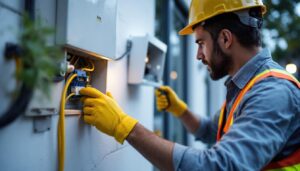
For wired lights, ensure compliance with local electrical codes. Use weatherproof connectors and conduit where necessary. When installing solar or battery-powered units, verify that solar panels receive adequate sunlight and batteries are accessible for replacement. Additionally, consider the power consumption of the lights; opting for energy-efficient LED options can significantly reduce long-term operational costs while providing ample illumination. It’s also beneficial to incorporate timers or smart technology that allows for automated control, further enhancing energy savings and convenience.
Programming and Testing the Remote Control
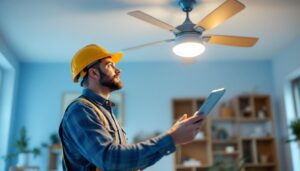
After physical installation, program the remote controls according to the client’s preferences. Test all functions thoroughly, including motion sensor sensitivity, light duration, brightness levels, and manual overrides. It’s important to ensure that the remote control’s range is sufficient for the intended use, as some installations may require adjustments to the sensitivity settings based on environmental factors like wind or wildlife activity. Regularly updating the firmware of smart lighting systems can also enhance functionality and security.
Provide clients with a demonstration and clear instructions. This reduces confusion and increases satisfaction. Consider creating a user-friendly manual that includes troubleshooting tips and frequently asked questions. Offering follow-up support or a maintenance schedule can further ensure that clients feel confident in their security lighting systems, knowing they have the resources to address any issues that may arise. Engaging clients in this way not only fosters trust but can also lead to referrals and repeat business in the future.
Maintenance Tips and Troubleshooting for Contractors
Regular Inspection and Cleaning
Security lights accumulate dirt, dust, and debris, which can impair sensor performance and light output. Schedule routine inspections to clean lenses and check for damage. Remind clients that regular maintenance extends the lifespan of their investment.
Battery and Power Management
For battery-operated or solar-powered lights, monitor battery health. Replace batteries proactively to avoid downtime. Solar panels should be cleaned periodically to maintain efficiency.
Remote Control Issues
Common problems include signal interference, dead batteries in remotes, or synchronization loss between the light and remote. Carry spare batteries and test remotes during service calls. Re-pair devices as needed and educate clients on basic troubleshooting steps.
How Offering Remote-Controlled Security Lights Can Boost Your Business
Adding remote-controlled security lighting to your portfolio positions you as a forward-thinking contractor. Clients appreciate the convenience and enhanced security these systems provide. This can lead to more referrals and higher customer retention.
Furthermore, these systems often come with upsell opportunities-like integrating with smart home devices or offering ongoing maintenance contracts. These additional revenue streams can stabilize your business and increase profitability.
Training your team on installation and troubleshooting of remote-controlled security lights ensures efficiency and professionalism. It also reduces the learning curve and enhances client trust.
Conclusion
Security lights with remote controls are not just a convenience-they’re a smart upgrade that benefits contractors and clients alike. By understanding the types, features, installation nuances, and maintenance requirements, lighting contractors can deliver superior solutions that stand out in a competitive market.
Embracing these technologies today prepares your business for the evolving demands of security and lighting, ensuring you remain a trusted expert in your field.
Illuminate Your Projects with LumenWholesale
Ready to elevate your lighting game? Look no further than LumenWholesale for all your security lighting needs. We provide lighting contractors with spec-grade, remote-controlled security lights that blend quality and affordability. Our direct-to-contractor approach means you get the best value without the middleman markup, and our commitment to excellence ensures each product meets the highest industry standards. Plus, with free shipping on bulk orders, you can stock up on superior lighting solutions and pass the savings on to your clients. Don’t compromise on quality or cost—choose Wholesale Lighting at the Best Value and make your next project shine with LumenWholesale.