Understanding the Shift: Why LED Conversion Matters
Lighting contractors are witnessing a seismic shift in the industry as LED technology continues to dominate. It’s not just about swapping bulbs; it’s about embracing a new standard that delivers superior energy efficiency, longer lifespan, and better lighting quality. LEDs consume up to 75% less energy than traditional incandescent or fluorescent bulbs, which translates directly into cost savings for clients and less environmental impact. This reduction in energy consumption not only lowers utility bills but also contributes to a decrease in greenhouse gas emissions, making LED conversion a crucial step in the fight against climate change.
Beyond energy savings, LEDs offer better control over light output, color temperature, and dimming capabilities. This flexibility allows contractors to tailor lighting solutions to specific client needs, whether it’s for commercial spaces, industrial facilities, or residential projects. The challenge lies in executing these upgrades efficiently and effectively, ensuring that the transition is seamless and maximizes all the benefits LEDs offer. Moreover, the advancements in smart lighting technology have further enhanced the appeal of LEDs. With the integration of IoT (Internet of Things) capabilities, lighting systems can now be controlled remotely, programmed for specific schedules, and even adjusted in response to environmental conditions. This level of control not only enhances user experience but also promotes energy conservation by ensuring that lights are only used when necessary.
As the market continues to evolve, education and training for contractors become essential. Understanding the intricacies of LED technology, including the various types of LEDs available and their specific applications, is crucial for ensuring that clients receive the best possible solutions. Additionally, staying updated on the latest regulations and incentives related to energy-efficient lighting can provide contractors with a competitive edge. Many regions offer rebates and tax incentives for businesses that make the switch to LEDs, further encouraging the adoption of this sustainable technology. By investing in knowledge and resources, lighting contractors can position themselves as trusted advisors in this transformative era, helping clients navigate the complexities of LED conversion while reaping the numerous benefits it has to offer.
Assessing Existing Lighting Systems: The First Step
Conducting a Comprehensive Audit
Before any LED retrofit, a detailed audit of the existing lighting infrastructure is essential. This includes cataloging the types of fixtures, wattages, lamp types, control systems, and the physical layout of the lighting. A thorough audit helps identify which fixtures can be retrofitted and which require full replacement. Additionally, understanding the age and condition of the existing fixtures can provide insights into potential future maintenance needs, allowing for a more strategic approach to upgrades.
Lighting contractors should also measure current light levels using a lux meter to understand how the existing lighting performs in different areas. This data will guide decisions on the appropriate LED replacements and ensure compliance with lighting standards and client expectations. Furthermore, taking note of any areas that suffer from inadequate lighting or excessive glare can help in designing a more effective lighting scheme that enhances both safety and productivity in the space.
Evaluating Electrical Infrastructure
LEDs often operate on different electrical parameters compared to older lighting technologies. It’s crucial to assess the wiring, ballasts, and drivers in place. Many fluorescent fixtures use magnetic or electronic ballasts that may not be compatible with LED tubes. In some cases, removing or bypassing ballasts can improve efficiency and reduce maintenance issues. Understanding the specific electrical requirements of the new LED systems is vital to ensure seamless integration and optimal performance.
Contractors should also check the electrical load capacity of the system. LEDs draw less power, but ensuring that circuits and panels can handle the new configuration without issues is a critical safety step. Additionally, evaluating the overall energy consumption of the existing system compared to the anticipated savings from the LED retrofit can provide compelling data for stakeholders. This analysis not only highlights the potential for cost savings but also underscores the environmental benefits of transitioning to more energy-efficient lighting solutions.
Choosing the Right LED Products
Matching LED Specifications to Application Needs
Not all LEDs are created equal. Selecting the right LED product depends on the application’s requirements, including brightness, color temperature, beam angle, and dimming capabilities. For example, retail environments often benefit from warmer color temperatures to create inviting atmospheres, while warehouses may require cooler, high-CRI (Color Rendering Index) LEDs for better visibility and safety. Additionally, specific tasks may demand tailored lighting solutions; for instance, medical facilities often utilize LEDs with precise color rendering to ensure accurate color perception during examinations and procedures.
Contractors should prioritize LEDs with high efficacy (lumens per watt) and long rated lifespans. Products with a minimum of 50,000 hours of operation and warranties of five years or more offer reliability that clients appreciate. Furthermore, it’s essential to consider the environmental impact of LED choices. Energy-efficient LEDs not only reduce electricity costs but also contribute to lower carbon footprints, aligning with sustainability goals that many businesses are now adopting. This eco-conscious approach can enhance a company’s reputation while also appealing to environmentally aware consumers.
Considering Compatibility and Retrofit Options
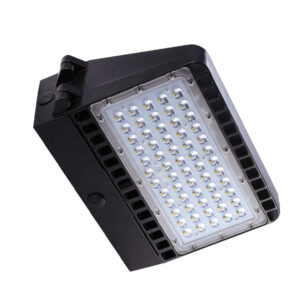
LED retrofit options vary widely. Some LEDs are designed to fit into existing fixtures with minimal modification, such as plug-and-play tubes for fluorescent fixtures. Others may require rewiring or complete fixture replacement. Understanding the pros and cons of each approach is vital. In addition to the physical compatibility of the LEDs, it’s also important to consider the existing electrical infrastructure. Older buildings may have outdated wiring that could affect the performance of new LED installations, necessitating further upgrades to ensure optimal functionality.
Plug-and-play solutions reduce labor time but can be limited by ballast compatibility and potential flicker issues. Direct-wire or ballast-bypass LED tubes eliminate ballast-related failures but require more upfront labor and electrical knowledge. Full fixture replacements offer the greatest performance gains but come with higher initial costs. Moreover, many manufacturers are now providing comprehensive retrofit kits that include everything needed for installation, which can simplify the process for contractors and ensure that the new LED systems meet the latest safety and efficiency standards. This trend reflects a growing recognition of the importance of not just lighting quality, but also ease of installation and long-term maintenance considerations in the decision-making process.
Installation Best Practices for Lighting Contractors
Planning and Scheduling to Minimize Disruption
Changing lighting systems often occurs in occupied spaces. Proper planning ensures minimal disruption to daily operations. Scheduling installations during off-hours, weekends, or phased approaches can keep client operations running smoothly.
Communicating clearly with clients about expected timelines, potential outages, and safety precautions builds trust and reduces surprises. Lighting contractors should prepare detailed work plans and coordinate with other trades if necessary.
Ensuring Safety and Compliance
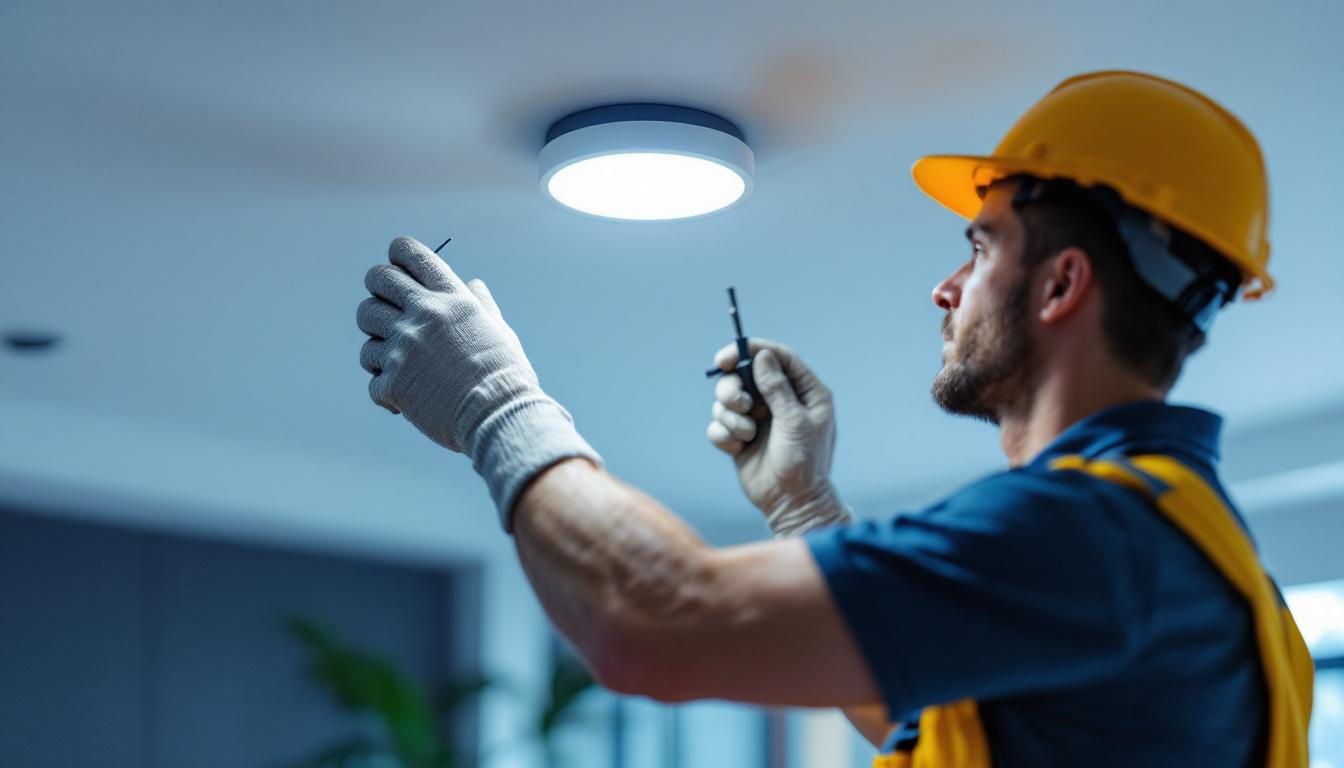
Safety is paramount during LED conversions. Contractors must follow local electrical codes, use appropriate personal protective equipment, and verify that all installations are grounded and secure. Proper disposal of old lamps, especially fluorescent tubes containing mercury, is a legal and environmental responsibility.
Additionally, verifying that new LED installations meet relevant standards such as UL listing or DLC certification ensures quality and eligibility for energy rebates, which can be a significant selling point for clients.
Leveraging Controls and Smart Technologies
Integrating Lighting Controls for Maximum Efficiency
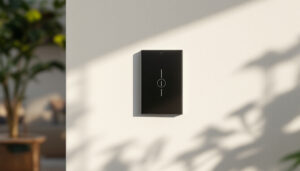
LEDs pair exceptionally well with lighting controls such as occupancy sensors, daylight harvesting systems, and programmable dimmers. These controls optimize energy use by adjusting light output based on occupancy and natural light availability, further reducing operating costs.
Lighting contractors should evaluate the existing control systems and recommend upgrades or new installations that complement the LED retrofit. Proper calibration and commissioning of controls are essential to achieve expected savings and client satisfaction.
Exploring Smart Lighting Solutions
Smart lighting systems offer advanced features like remote monitoring, scheduling, and adaptive lighting scenes. For commercial clients, these systems can improve comfort, productivity, and security. For contractors, smart lighting opens new service opportunities, including ongoing maintenance contracts and system upgrades.
While smart lighting can increase upfront costs, the long-term benefits and client appeal often justify the investment. Contractors should stay informed about emerging technologies and vendor offerings to provide cutting-edge solutions.
Overcoming Common Challenges in LED Retrofits
Dealing with Fixture Incompatibility
Not all existing fixtures are suitable for LED retrofits. Some older or specialty fixtures may not accommodate LED components without significant modification. Contractors should identify these early to avoid costly surprises and recommend full fixture replacements when necessary.
Custom solutions or hybrid approaches combining retrofit tubes and new fixtures can sometimes bridge the gap, but clear communication with clients about expectations and costs is critical.
Managing Client Expectations on Color and Brightness
Clients often expect LED lighting to look identical to their previous lighting or to be immediately brighter. Educating clients about differences in color temperature, light distribution, and perceived brightness helps manage expectations. Demonstrations or mock-ups can be effective tools.
Adjusting fixture placement or using diffusers can address issues related to glare or uneven lighting. Contractors should be prepared to make fine-tuning adjustments post-installation to ensure client satisfaction.
Maximizing ROI and Client Satisfaction
Highlighting Energy Savings and Maintenance Benefits
One of the strongest selling points for LED conversions is the reduction in energy costs and maintenance frequency. Lighting contractors should provide clients with detailed projections of energy savings and payback periods based on actual usage patterns.
Emphasizing the lower maintenance requirements-thanks to longer LED lifespans and fewer failures-can also reassure clients about the value of the upgrade.
Offering Comprehensive Service Packages
Beyond installation, contractors can add value by offering ongoing maintenance, lighting audits, and system upgrades. This positions the contractor as a trusted partner rather than just a vendor.
Providing training for client staff on new lighting controls and smart systems enhances usability and satisfaction. Clear documentation and support services round out a professional offering that encourages repeat business and referrals.
Conclusion: A Strategic Approach to LED Lighting Upgrades
Switching to LED lighting is more than a technical upgrade-it’s a strategic move that benefits clients and contractors alike. By conducting thorough audits, selecting the right products, adhering to best installation practices, and leveraging controls and smart technologies, lighting contractors can deliver superior results.
Addressing challenges proactively and focusing on client education ensures smooth transitions and high satisfaction. The LED revolution is well underway, and contractors who master these proven methods will lead the market with confidence and expertise.
Illuminate Your Projects with LumenWholesale
Ready to lead the LED revolution with confidence and expertise? At LumenWholesale, we support your commitment to excellence by providing top-quality, spec-grade lighting products at unbeatable wholesale prices. Say goodbye to inflated markups and hello to a vast selection of industry-standard lighting that promises reliability and high performance for every project. Plus, with free shipping on bulk orders, you can stock up on premium lighting without the worry of hidden fees. Make the strategic move today and experience the best value in wholesale lighting—only with LumenWholesale.