Understanding the Financial Impact of Classroom Lighting
Lighting contractors often face tight budgets and demanding project deadlines, especially when working on educational facilities. Classrooms, in particular, present unique challenges. They require lighting solutions that not only meet strict performance standards but also remain cost-effective over time. Traditional lighting systems, such as fluorescent fixtures, tend to have higher maintenance costs and shorter lifespans, which can quickly inflate expenses for contractors and their clients.
Switching to LED lighting in classrooms offers a clear path to reducing both upfront and ongoing costs. LEDs consume significantly less energy, last longer, and require less frequent replacement. For lighting contractors, this translates into fewer service calls, reduced labor costs, and the ability to offer clients a more attractive total cost of ownership.
Moreover, the benefits of LED lighting extend beyond mere financial savings. Enhanced visibility and improved color rendering can create a more conducive learning environment, which is crucial for student engagement and performance. Studies have shown that well-lit classrooms can lead to better concentration and reduced eye strain, ultimately fostering a more productive atmosphere. This is particularly important in educational settings where students spend long hours studying and participating in various activities.
In addition to the immediate benefits of cost savings and improved learning conditions, there are also long-term advantages associated with sustainable lighting choices. By opting for energy-efficient solutions like LEDs, educational institutions can significantly reduce their carbon footprint, aligning with broader environmental goals. Many schools are now incorporating sustainability into their operational strategies, and energy-efficient lighting plays a pivotal role in achieving these objectives. This not only enhances the institution’s reputation but also attracts environmentally conscious stakeholders, including students, parents, and community members who value eco-friendly practices.
Why LEDs Are a Smart Choice for Classrooms
Energy Efficiency and Lower Utility Bills
LEDs use up to 75% less energy than traditional incandescent or fluorescent bulbs. Classrooms often operate for long hours each day, sometimes up to 10 hours or more. This extended usage means energy savings accumulate rapidly. For schools, which frequently operate under tight budgets, lower energy consumption means more funds can be allocated elsewhere. These savings can be redirected towards educational resources, extracurricular programs, or even infrastructure improvements, creating a more enriching environment for students and teachers alike.
For lighting contractors, recommending LED solutions that reduce energy costs can be a significant selling point. It positions contractors as knowledgeable advisors who understand the operational needs of educational institutions, enhancing their reputation and increasing the likelihood of repeat business. Furthermore, the transition to LED lighting can also be a part of a broader sustainability initiative, appealing to eco-conscious stakeholders and parents who value environmentally friendly practices in their children’s schools.
Longer Lifespan and Reduced Maintenance
LED lighting fixtures typically last 25,000 to 50,000 hours, far exceeding the lifespan of fluorescent tubes, which usually last around 10,000 to 15,000 hours. This longevity means fewer replacements and less time spent on maintenance tasks. The durability of LEDs also means they are less prone to breakage, which is particularly advantageous in a classroom setting where equipment is often handled by young students.
In classrooms, where lighting needs to be reliable and consistent, the reduced frequency of bulb changes minimizes disruptions. For contractors, this means fewer callbacks and service visits, freeing up time and resources for new projects. Additionally, fewer replacements reduce the cost of materials and labor, improving overall project profitability. The long lifespan of LEDs also contributes to a more stable learning environment, as consistent lighting levels can enhance focus and reduce eye strain among students, ultimately supporting better academic performance.
Design Flexibility and Compliance Benefits
Meeting Educational Lighting Standards
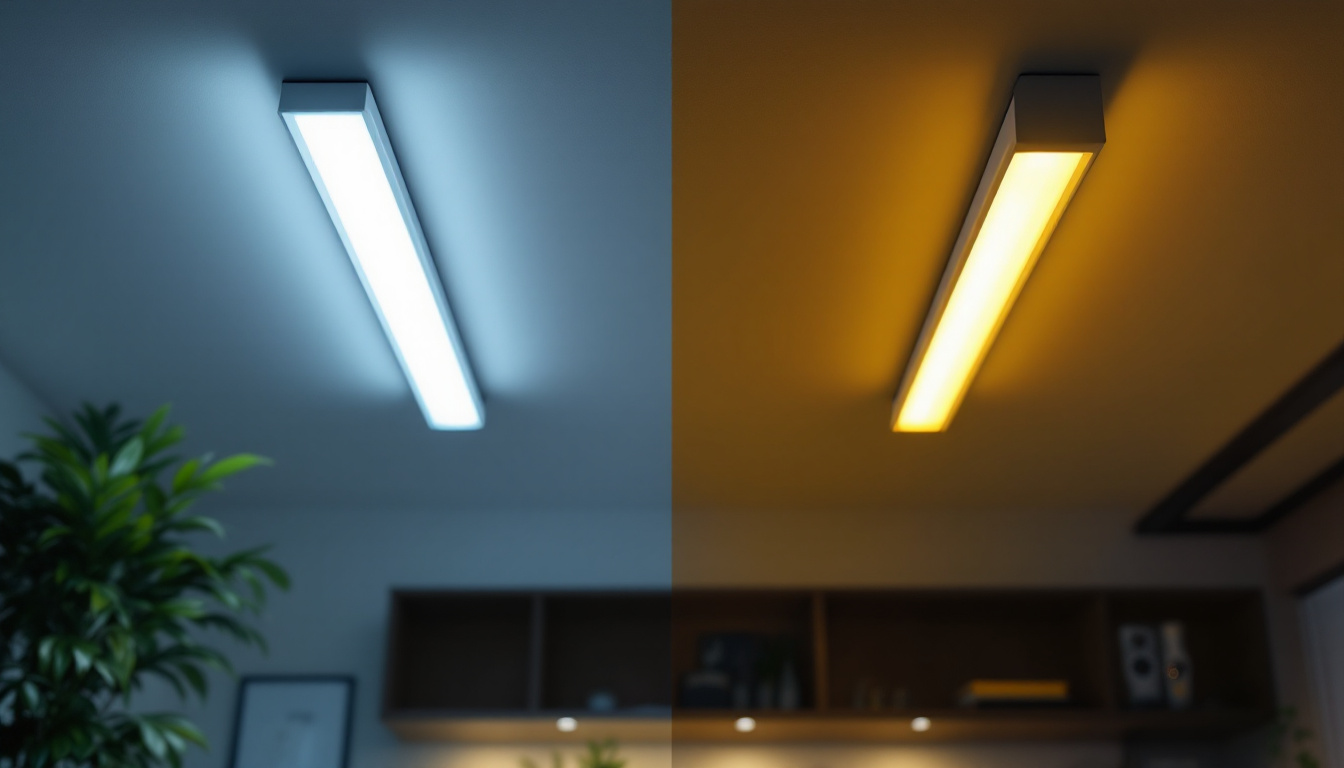
Classrooms require lighting that supports concentration, reduces eye strain, and creates a comfortable learning environment. LEDs offer excellent color rendering and can be tuned to different color temperatures, from warm to cool white, to suit various activities and times of day. The ability to adjust the color temperature can significantly impact students’ mood and productivity; for instance, cooler light can enhance alertness during morning lessons, while warmer tones can create a cozy atmosphere during collaborative projects or reading sessions.
Lighting contractors can leverage these features to design systems that comply with educational lighting standards and guidelines, such as those from the Illuminating Engineering Society (IES). Compliance is critical not only for safety but also for securing contracts and avoiding costly redesigns or penalties. Furthermore, adhering to these standards can contribute to improved student performance and well-being, as research has shown that well-lit environments can enhance cognitive function and reduce fatigue. By investing in compliant lighting solutions, schools are not just meeting regulatory requirements; they are actively fostering a more engaging and effective educational experience.
Integration with Smart Controls
Modern LED fixtures can be integrated with smart lighting controls, including occupancy sensors, daylight harvesting systems, and programmable dimming. These controls optimize energy use by adjusting lighting levels based on room occupancy and natural light availability. For example, in classrooms with large windows, daylight harvesting can automatically dim electric lights when sufficient natural light is present, significantly reducing energy consumption and costs.
For contractors, installing smart LED systems enhances the value proposition to clients. Schools can achieve further energy savings and reduce operational costs, while contractors can differentiate their services by offering cutting-edge solutions. This integration often leads to larger contracts and opportunities for ongoing maintenance agreements. Additionally, smart controls can provide valuable data analytics, allowing schools to monitor energy usage patterns and adjust their strategies accordingly. As educational institutions increasingly prioritize sustainability, the ability to offer advanced, energy-efficient lighting solutions positions contractors as leaders in the market, paving the way for future projects and collaborations.
Streamlining Installation and Reducing Labor Costs
Lightweight Fixtures and Simplified Wiring
LED fixtures are generally lighter and more compact than traditional fluorescent systems. This makes installation faster and less physically demanding, reducing labor hours and associated costs.
Additionally, many LED systems operate on low-voltage DC power or use integrated drivers, which can simplify wiring requirements. Contractors benefit from reduced complexity during installation, which decreases the likelihood of errors and the need for rework.
Moreover, the lightweight nature of LED fixtures not only enhances ease of installation but also allows for more versatile placement options. This adaptability means that contractors can optimize lighting layouts to enhance energy efficiency and improve overall illumination quality. As a result, projects can be completed in less time, enabling contractors to take on more jobs and increase their profitability.
Modular and Retrofit Options
Many LED lighting products are designed for easy retrofitting into existing fixtures or ceiling grids. This flexibility allows contractors to upgrade classroom lighting without extensive demolition or rewiring.
Retrofit projects are often more attractive to schools because they minimize disruption and reduce overall project costs. Contractors who can offer efficient retrofit solutions gain a competitive edge and can complete projects more quickly, improving cash flow and client satisfaction.
In addition, the modular design of many LED systems means that components can be easily replaced or upgraded as technology advances, further extending the lifespan of the installation. This not only provides long-term savings for schools but also allows contractors to foster ongoing relationships with clients, as they can return for future upgrades or maintenance. The ease of installation and adaptability of LED systems ultimately lead to a more sustainable approach to lighting, aligning with the growing emphasis on eco-friendly practices in educational institutions.
Enhancing Client Relationships Through Cost Transparency
Providing Clear ROI Analysis
Lighting contractors who present clear, data-driven return on investment (ROI) analyses help clients understand the long-term financial benefits of LED classroom lighting. Breaking down energy savings, maintenance reductions, and potential incentives or rebates builds trust and supports informed decision-making. By utilizing visual aids such as graphs and charts, contractors can illustrate the projected savings over time, making the data more accessible and engaging for clients. This visual representation not only simplifies complex information but also highlights the immediate and future benefits of investing in energy-efficient lighting solutions.
Clients appreciate transparency and are more likely to approve projects when they see tangible cost benefits. This approach can also speed up approval processes and reduce negotiation time. Additionally, providing case studies or testimonials from previous clients who have experienced significant savings can further reinforce the credibility of the ROI analysis. By showcasing real-world examples, contractors can effectively demonstrate the positive impact of their solutions, ultimately leading to a stronger, more trusting relationship with potential clients.
Offering Maintenance and Upgrade Packages
Contractors can further reduce costs by bundling installation with ongoing maintenance or upgrade packages. These packages ensure lighting systems remain efficient and functional over time, preventing costly emergency repairs. By offering tiered maintenance plans, contractors can cater to a variety of budgets and needs, allowing schools to choose a plan that best fits their operational requirements. Regular maintenance not only extends the lifespan of the lighting systems but also enhances the overall learning environment, as well-maintained lighting contributes to better visibility and comfort for students and teachers alike.
For contractors, maintenance agreements create steady revenue streams and foster long-term client relationships. Schools benefit from predictable expenses and peace of mind, making this a win-win strategy. Furthermore, by proactively communicating about upcoming upgrades or new technologies, contractors can position themselves as trusted advisors rather than just service providers. This ongoing dialogue helps to keep clients informed about the latest advancements in lighting technology, ensuring that schools can continually optimize their environments for both energy efficiency and educational effectiveness. Such proactive engagement not only solidifies the contractor’s role as a partner in the school’s success but also opens the door for future projects and collaborations.
Conclusion: The Bottom Line for Lighting Contractors
Classroom LED lighting represents a significant opportunity for lighting contractors to reduce costs while delivering superior value. Energy efficiency, longer lifespan, design flexibility, and installation advantages all contribute to lower expenses and higher profitability.
By embracing LED technology and smart lighting controls, contractors can position themselves as trusted partners in educational facility projects. Clear communication about cost savings and ROI strengthens client relationships and opens doors to future business.
Ultimately, investing in classroom LED lighting solutions is not just about cutting costs-it’s about building a sustainable, competitive business that meets the evolving needs of schools and educational institutions.
Illuminate Your Projects with LumenWholesale
Ready to enhance your educational facility projects with cost-effective, high-quality LED lighting? At LumenWholesale, we provide lighting contractors with spec-grade lighting products that promise superior performance and energy efficiency. Say goodbye to inflated markups and hello to unbeatable wholesale prices, comprehensive selection, and the convenience of free shipping on bulk orders. Elevate your lighting solutions and maximize your project’s potential with Wholesale Lighting at the Best Value from LumenWholesale. Your next successful installation is just a click away.