Understanding the Challenges of Low Hanging Lights
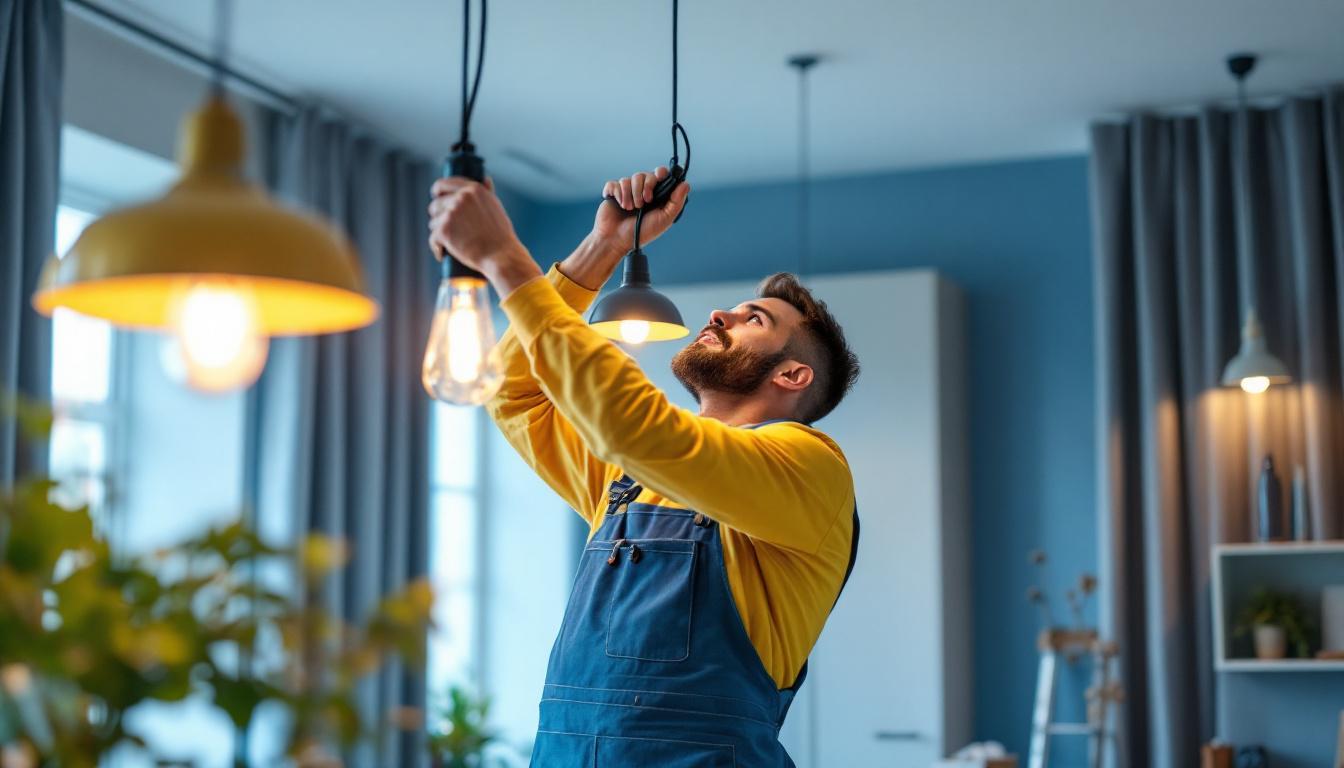
Working with low hanging lights presents unique challenges that every lighting contractor must be prepared to handle. Unlike fixtures mounted high on ceilings or walls, low hanging lights demand more attention to detail in terms of safety, aesthetics, and functionality. The proximity to people and objects makes installation and maintenance more complex, requiring a careful balance between accessibility and durability.
One of the primary concerns is ensuring that the lighting fixture does not interfere with the space’s usability. For example, in commercial settings such as restaurants or retail stores, low hanging lights can enhance ambiance but must be positioned to avoid obstructing walkways or headspace. In residential environments, these lights often serve as focal points or task lighting, making their placement critical to both design and utility.
Contractors must also consider the weight and mounting requirements of these fixtures. Low hanging lights often involve longer suspension cables or rods, which can introduce additional strain on ceiling anchors and electrical connections. Proper assessment of the ceiling structure and load-bearing capacity is essential to avoid future hazards.
Safety Concerns and Compliance
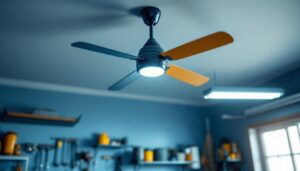
Safety is paramount when working with low hanging lights. The risk of accidental contact is higher, especially in busy environments. Lighting contractors need to adhere strictly to local building codes and electrical standards to ensure installations are secure and safe. This includes verifying clearance heights—typically a minimum of 7 feet above walking surfaces—to prevent head injuries.
Electrical safety is equally critical. Low hanging fixtures often require longer wiring runs, which can increase the risk of voltage drops or overheating if not properly managed. Using the correct gauge of wire and ensuring tight, secure connections helps maintain system integrity.
Moreover, the aesthetic appeal of low hanging lights cannot be overlooked. These fixtures often serve as statement pieces, contributing significantly to the overall design of a space. Contractors must work closely with designers and clients to select styles and finishes that complement the existing decor while also considering the practical aspects of light distribution. For instance, a pendant light with a wide shade may cast a broader pool of light, making it ideal for dining areas, while a more focused beam might be better suited for task-oriented spaces like kitchens or workstations.
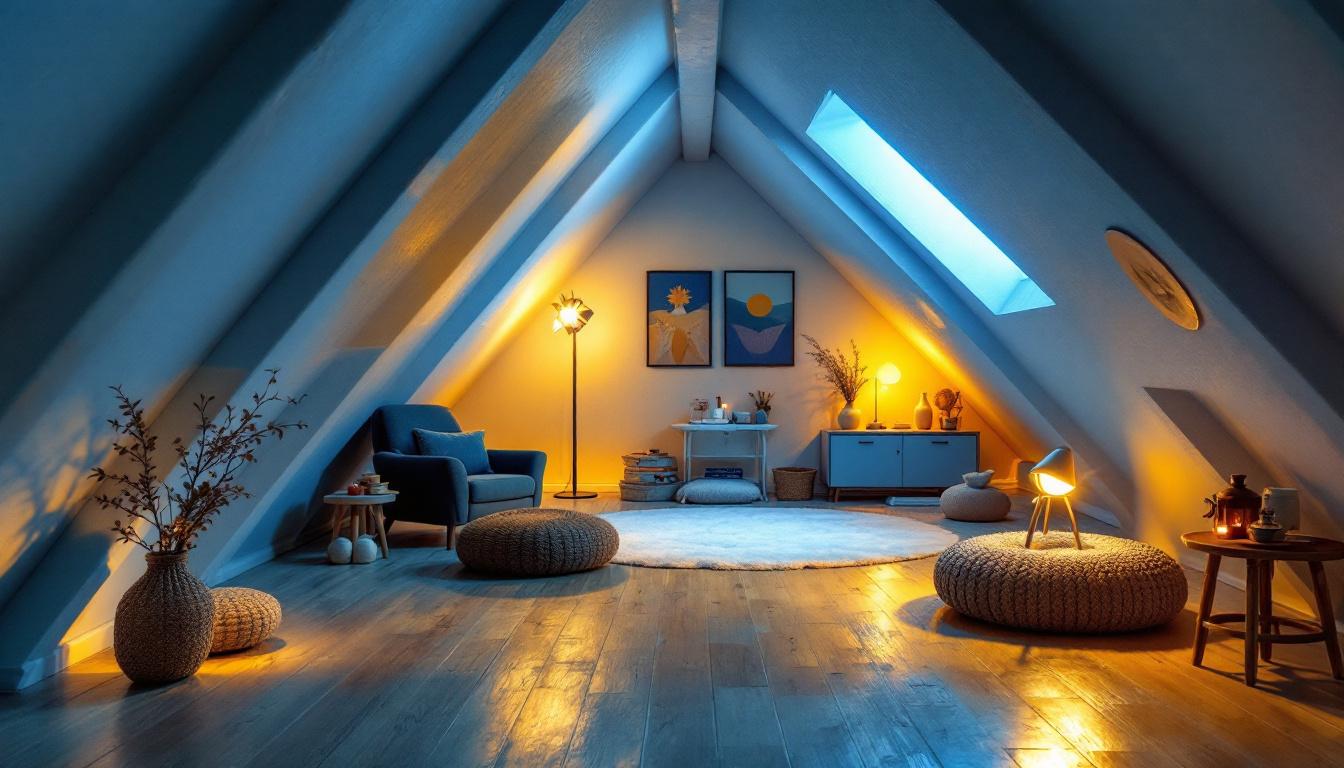
In addition to aesthetics, the choice of bulb type and color temperature plays a vital role in the effectiveness of low hanging lights. LED options, for example, not only offer energy efficiency but also come in a variety of color temperatures that can influence the mood of a room. Warm white bulbs create a cozy atmosphere, perfect for intimate settings, while cooler tones can enhance focus and productivity in workspaces. Understanding these nuances allows contractors to provide tailored solutions that meet both the functional and emotional needs of their clients.
Choosing the Right Fixtures for Low Hanging Installations
Selecting the appropriate fixtures is a crucial step. Low hanging lights come in various styles, sizes, and technologies, each suited to different applications. Lighting contractors should consider factors such as light output, beam angle, energy efficiency, and compatibility with dimmers or smart controls.
LED technology has become the preferred choice for low hanging fixtures due to its longevity, energy savings, and low heat emission. LEDs reduce the risk of burns or heat damage to nearby surfaces, a significant advantage in close proximity installations. Additionally, the versatility of LED fixtures allows for a range of color options, enabling designers to create dynamic lighting schemes that can change with the mood or function of a space.
Fixture Design and Aesthetics
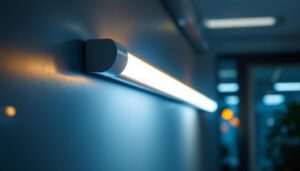
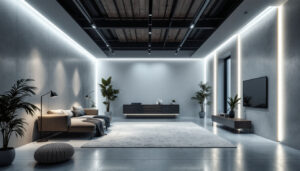
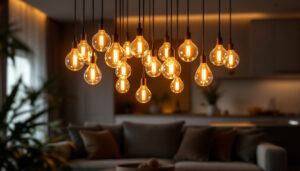
The design of low hanging lights plays a significant role in the overall look of a space. Pendant lights, chandeliers, and linear suspension fixtures are popular options. Contractors must work closely with designers or clients to ensure the chosen fixtures complement the space’s style and scale.
For example, oversized pendants can create dramatic focal points in large rooms, while smaller, clustered fixtures add visual interest in more intimate settings. The finish and material of the fixture also affect how the light is perceived and how it interacts with other design elements. Materials such as glass, metal, or even natural fibers can evoke different feelings and atmospheres, from sleek and modern to warm and rustic. Furthermore, incorporating unique shapes or artistic designs can transform a simple lighting fixture into a statement piece that enhances the overall decor.
Light Distribution and Functionality
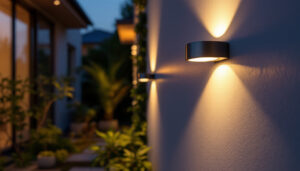
Understanding light distribution is essential for effective low hanging light installations. Fixtures with adjustable angles or diffusers allow for better control over light spread, reducing glare and shadows. This is particularly important in task-oriented areas such as kitchen islands or workstations.
Contractors should also consider the color temperature of the light source. Warmer tones create cozy, inviting atmospheres, while cooler temperatures enhance focus and clarity. Offering clients options tailored to their needs can elevate the quality of the final installation. Moreover, the integration of smart lighting solutions can further enhance functionality, allowing users to adjust brightness and color temperature through mobile apps or voice commands, thus providing a customizable lighting experience that adapts to various activities throughout the day.
Installation Best Practices for Low Hanging Lights
Precision and planning are key when installing low hanging lights. Unlike recessed or flush-mounted fixtures, these lights require careful measurement and alignment to ensure they hang at the correct height and position.
Pre-Installation Planning
Before beginning installation, contractors should conduct a thorough site assessment. This includes measuring ceiling heights, identifying potential obstacles, and confirming the location of electrical junction boxes. Consulting architectural plans can help avoid surprises during installation.
It’s also wise to verify the structural integrity of mounting points. Low hanging fixtures often exert more leverage on ceiling anchors, so reinforcing these points may be necessary. Using toggle bolts or ceiling anchors rated for the fixture’s weight ensures a secure hold.
Tools and Techniques
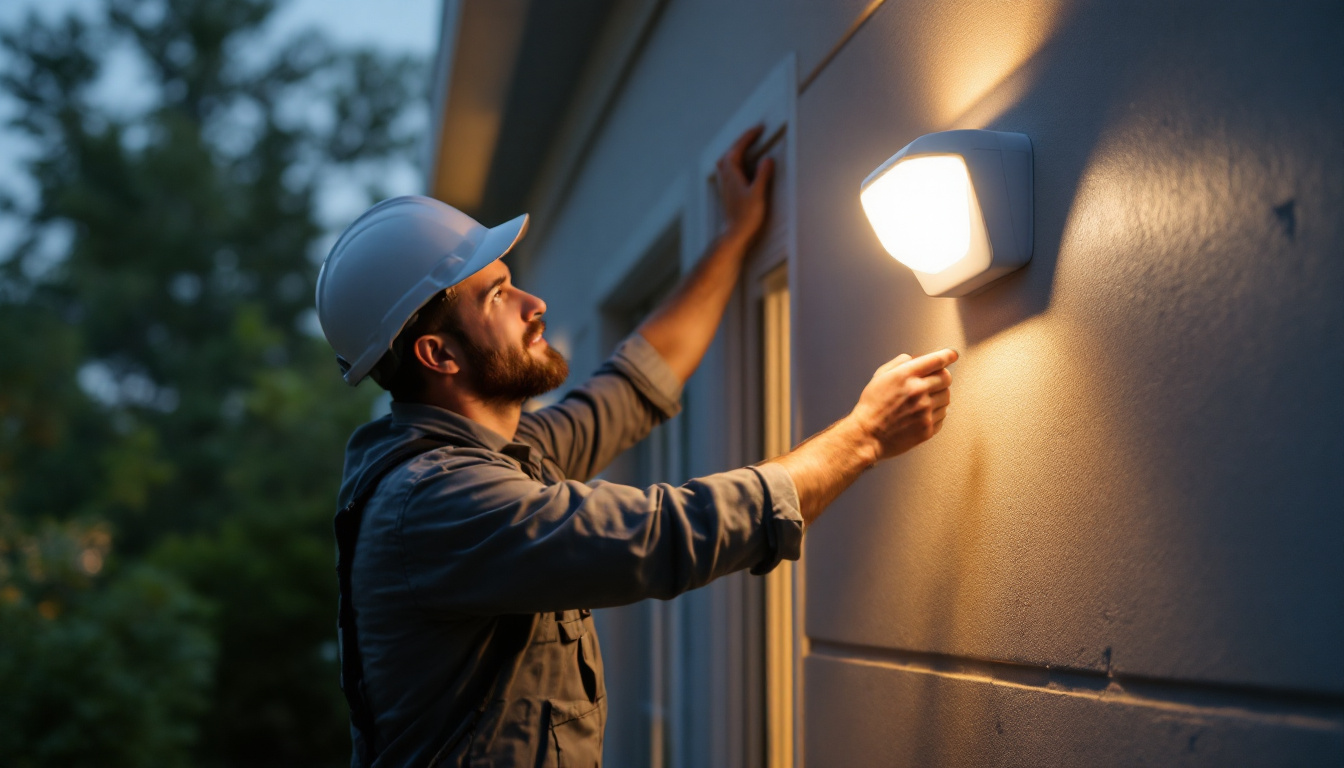
Proper tools make the job smoother and safer. A laser level is invaluable for achieving consistent heights across multiple fixtures, especially in commercial or large residential projects. Adjustable suspension kits allow for fine-tuning the fixture’s position after installation.
When working at height, contractors should use stable ladders or scaffolding and follow OSHA guidelines for fall protection. Electrical work must always be performed with the power off, using insulated tools and verifying circuits with a voltage tester.
Wiring and Connections
Longer cable runs for low hanging lights require attention to wire management. Excess cable should be neatly coiled or trimmed to avoid tangling or strain on connections. Using wire nuts or push-in connectors rated for the wire gauge ensures reliable electrical contact.
Grounding the fixture properly is non-negotiable. Many low hanging lights have metal components that can become energized if not grounded, posing a shock hazard. Contractors should verify grounding continuity and use grounding screws or clips as specified by the manufacturer.
Maintenance and Troubleshooting Tips
Low hanging lights demand regular maintenance to retain their appearance and functionality. Dust accumulation, bulb replacement, and fixture alignment are common tasks lighting contractors may be called upon to perform.
Routine Cleaning
Dust and grime can quickly dull the finish and reduce light output. Cleaning should be done with soft, non-abrasive cloths and mild detergents. Avoid spraying cleaning solutions directly onto fixtures to prevent damage to electrical components.
For glass or acrylic shades, gentle removal and washing can restore clarity. Regular cleaning schedules help maintain the fixture’s aesthetic appeal and prolong its lifespan.
Replacing Bulbs and Components
When bulbs burn out or flicker, prompt replacement is necessary to maintain consistent lighting quality. Contractors should stock compatible bulbs or LED modules to expedite service calls. Checking manufacturer guidelines for bulb wattage and type prevents damage or voiding warranties.
In some cases, drivers or ballasts may need replacement. Understanding the specific requirements of LED or fluorescent fixtures allows contractors to troubleshoot effectively and recommend upgrades if needed.
Addressing Common Issues
Flickering lights, dimming problems, or uneven illumination often stem from wiring faults, loose connections, or incompatible dimmers. Systematic testing with a multimeter and visual inspection can identify the root cause.
Low hanging lights are also susceptible to physical damage from accidental impacts. Repairing bent arms, replacing broken shades, or tightening suspension cables helps maintain safety and appearance.
Maximizing Client Satisfaction with Low Hanging Light Projects
Successful low hanging light installations combine technical skill with clear communication and attention to client needs. Lighting contractors who excel in these areas build lasting relationships and earn repeat business.
Consultation and Customization
Engaging clients early in the process helps clarify expectations and preferences. Offering samples or mock-ups of fixture placement can prevent misunderstandings and ensure the final result aligns with the client’s vision.
Customization options such as adjustable heights, dimming controls, or color temperature tuning add value and differentiate a contractor’s service offering.
Documentation and Follow-Up
Providing clients with detailed documentation, including installation manuals, warranty information, and maintenance tips, empowers them to care for their lighting system properly. Scheduling follow-up visits or check-ins demonstrates commitment to quality and service.
Addressing any issues promptly and professionally reinforces trust and can lead to positive referrals.
Conclusion
Low hanging lights offer a distinctive blend of style and function but require specialized knowledge and care during installation and maintenance. Lighting contractors who understand the nuances of these fixtures-from safety considerations to aesthetic choices-can deliver superior results that satisfy clients and enhance spaces.
By applying best practices in planning, installation, and troubleshooting, contractors not only ensure safe and effective lighting but also position themselves as trusted experts in a competitive market.
Illuminate Your Projects with LumenWholesale
Ready to elevate your lighting installations with the perfect blend of style, functionality, and value? Look no further than LumenWholesale for all your low hanging light needs. Our extensive selection of spec-grade lighting products is designed to meet the highest industry standards, ensuring you deliver exceptional results to your clients every time. Say goodbye to inflated markups and hello to unbeatable wholesale prices, free shipping, and the convenience of hassle-free bulk buying. Wholesale Lighting at the Best Value is just a click away. Partner with LumenWholesale today and light up your projects with confidence and affordability.