Understanding 2 LED Recessed Lights: What Sets Them Apart
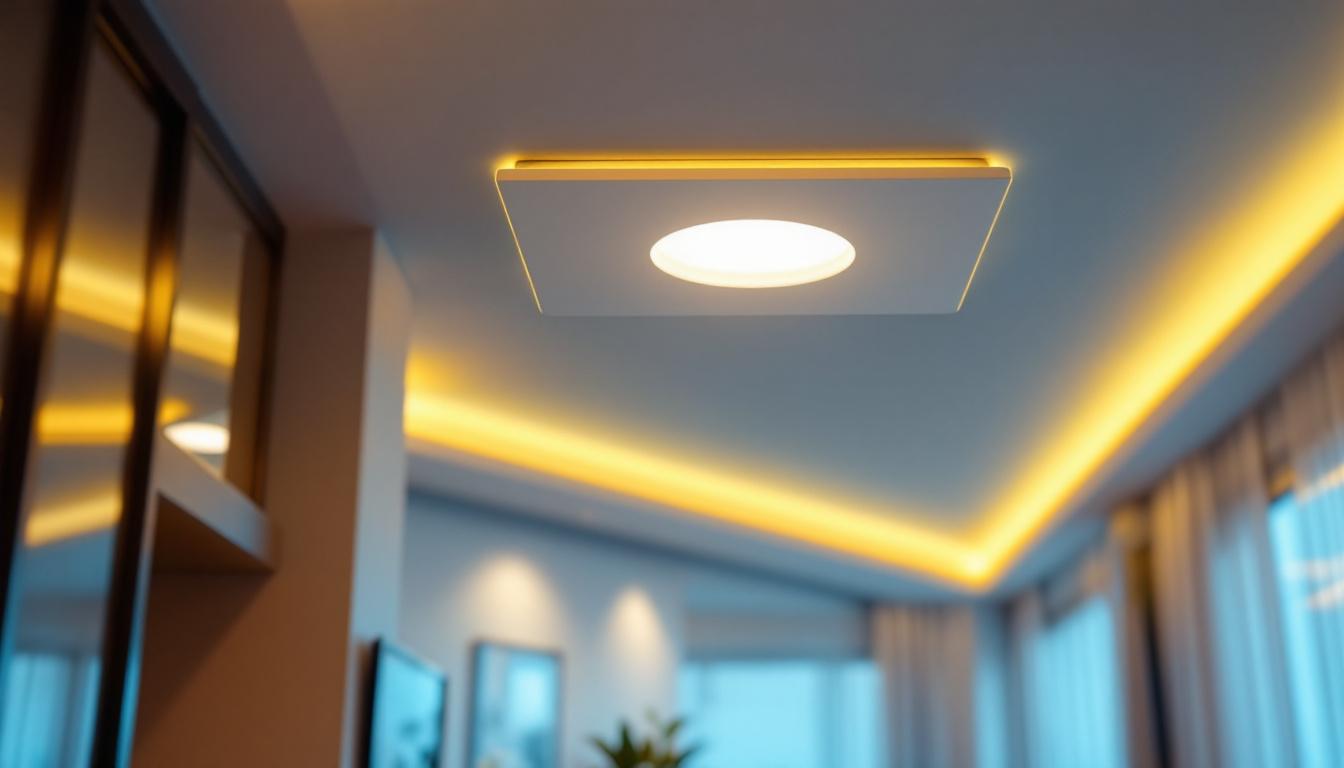
LED technology has transformed the lighting industry, and recessed lights are no exception. Among the many options available, 2 LED recessed lights stand out for their efficiency and versatility. These fixtures typically contain two LED modules, offering a balanced light output that suits a variety of spaces—from residential kitchens to commercial hallways.
For lighting contractors, knowing the nuances of 2 LED recessed lights is essential. They deliver a focused beam with less heat emission and longer lifespan compared to traditional incandescent or halogen bulbs. Plus, their compact design allows for easier installation in tight ceiling spaces, making them a preferred choice for retrofit projects and new builds alike.
Key Features to Consider
When selecting 2 LED recessed lights, pay attention to the lumen output, color temperature, and beam angle. Lumen output determines brightness, which should align with the room’s purpose. For example, a workspace demands higher lumens than a cozy living room. Color temperature, measured in Kelvins, affects ambiance—warm white (2700K-3000K) creates a relaxing atmosphere, while cool white (4000K-5000K) enhances focus and visibility.
Beam angle influences how the light spreads. Narrow beams (15°-30°) are ideal for accent lighting, while wider beams (60° and above) provide general illumination. Understanding these parameters ensures the right fixture is chosen for each application. Additionally, many modern 2 LED recessed lights come with adjustable features, allowing users to change the direction of the light or even the color temperature, providing even greater flexibility in how spaces are illuminated. This adaptability is particularly beneficial in multi-functional areas where the lighting needs may shift throughout the day or for different activities.
Another important aspect to consider is energy efficiency. LED recessed lights consume significantly less power than traditional lighting options, which not only reduces electricity bills but also contributes to a lower carbon footprint. Many models are now available with dimming capabilities, allowing for further energy savings and the ability to create the perfect mood for any occasion. Furthermore, the longevity of LED lights means less frequent replacements, which is a major advantage for both homeowners and commercial property managers looking to minimize maintenance costs and disruptions.
Pre-Installation Checklist: Planning for Success
Before drilling holes or running wires, thorough planning saves time and prevents costly mistakes. Here’s a detailed pre-installation checklist tailored for contractors working with 2 LED recessed lights.
Assess the Space
Start by evaluating the ceiling type and available clearance. Drop ceilings, drywall, and concrete slabs all require different mounting techniques and hardware. Verify that the ceiling cavity can accommodate the fixture’s housing depth without interfering with insulation, ductwork, or plumbing.
Consider the room’s layout and function. Lighting zones should be mapped out to avoid dark spots or excessive glare. For example, in a kitchen, task lighting over counters and islands is critical, while ambient lighting fills the rest of the space evenly. Additionally, think about the color temperature of the LED lights; warmer tones can create a cozy atmosphere, while cooler tones may enhance focus and productivity, particularly in workspaces or study areas.
Electrical Requirements
Confirm that the existing electrical infrastructure can support the new fixtures. Check circuit capacity and ensure compliance with local electrical codes. LED fixtures typically operate on low voltage or line voltage, so matching the driver and transformer specifications is crucial.
Plan for dimming capabilities if requested by the client. Not all LED drivers are compatible with every dimmer switch, so selecting compatible components upfront prevents future headaches. It’s also wise to consider the placement of switches and dimmers; ensuring they are easily accessible can enhance the user experience and functionality of the lighting system.
Fixture Selection and Compatibility
Choose fixtures that meet the project’s aesthetic and performance goals. Trim styles, finishes, and lens options affect both function and appearance. Some trims offer adjustable gimbals for directional lighting, while others provide a flush, minimalist look.
Double-check compatibility between the LED modules, housings, and trims. Mixing components from different manufacturers can lead to fitment issues or void warranties. Furthermore, consider the energy efficiency ratings of the fixtures; opting for Energy Star certified products not only benefits the environment but can also lead to significant cost savings on energy bills over time. This is particularly important for clients looking to reduce their carbon footprint or those interested in sustainable building practices.
Installation Best Practices: Efficiency and Quality
Executing the installation with precision ensures the lighting system performs optimally and lasts for years. Here are best practices to follow during the installation of 2 LED recessed lights.
Marking and Cutting
Use accurate templates to mark ceiling cutouts. Precision here avoids uneven gaps and ensures the fixture sits flush. When cutting drywall or ceiling tiles, employ the right tools—such as a drywall saw or hole cutter—to minimize damage and dust. Additionally, consider the layout of your lighting; spacing your recessed lights evenly can create a more balanced and aesthetically pleasing illumination throughout the room. A good rule of thumb is to install lights at least 4 feet apart to avoid harsh shadows and ensure even light distribution.
Wiring and Connections
Follow manufacturer wiring diagrams closely. Use wire nuts or push-in connectors rated for LED fixtures. Maintain neat wire runs and secure cables to prevent strain on connections. Grounding is non-negotiable for safety and code compliance. It’s also wise to label your wires during the installation process, especially in complex setups, to simplify any future maintenance or modifications. Furthermore, if you’re working in an older home, be sure to check the existing wiring for compatibility with LED systems, as older wiring may not support the low wattage and specific requirements of modern fixtures.
For retrofit installations, consider using remodel housings designed for installation from below the ceiling, which can save time and reduce disruption. These housings often come with adjustable clips that can accommodate various ceiling thicknesses, making them a versatile choice for different applications.
Mounting and Securing Fixtures
Ensure housings are firmly secured to ceiling joists or support brackets. Loose fixtures can cause rattling or misalignment over time. For insulated ceilings, use IC-rated housings to prevent overheating and fire hazards. Additionally, double-check that your mounting hardware is appropriate for the weight and design of your fixtures; using the wrong type can lead to premature failure or safety issues.
After mounting, install trims carefully to avoid damaging the LED modules or lenses. Some trims snap in place, while others require screws or clips—follow instructions precisely. It’s also beneficial to test the lights before fully securing the trims, allowing you to make any necessary adjustments without the hassle of disassembling the fixtures later. Lastly, consider the color temperature of your LED lights; selecting the right hue can significantly impact the ambiance of your space, whether you prefer a warm, cozy glow or a bright, energizing light.
Post-Installation Checklist: Testing and Client Handover
Installation doesn’t end when the last fixture is mounted. Testing and client education are critical steps that ensure satisfaction and long-term performance.
Functionality Testing
Power up the system and verify that all lights operate correctly. Check for flickering, uneven brightness, or color inconsistencies. Test dimming functions if applicable, ensuring smooth transitions without buzzing or flicker.
Use a light meter to measure illumination levels against project specifications. This objective data helps confirm that lighting goals are met. Additionally, it’s beneficial to assess how the lighting interacts with the surrounding environment. For instance, observe how natural light influences the space at different times of the day, which can affect the overall ambiance and functionality of the installed system.
Safety and Compliance Verification
Inspect all wiring and fixtures for secure connections and proper grounding. Confirm that all components are installed according to local electrical codes and manufacturer guidelines. Document any deviations and discuss them with the client if necessary. It’s also prudent to review emergency protocols, ensuring that the client understands the importance of circuit breakers and safety switches. This proactive approach not only enhances safety but also builds trust with the client, demonstrating a commitment to their well-being.
Client Walkthrough and Maintenance Guidance
Walk the client through the lighting system, demonstrating controls and explaining any special features. Provide maintenance tips, such as cleaning lenses periodically and checking for loose trims. Inform them about warranty coverage and how to contact support if issues arise. Furthermore, consider providing a user manual or digital resources that outline troubleshooting steps and maintenance schedules. This empowers the client to take an active role in the upkeep of their lighting system, ensuring it remains in optimal condition for years to come.
Common Challenges and How to Overcome Them
Even seasoned contractors encounter challenges when installing 2 LED recessed lights. Anticipating these issues can save time and frustration.
Limited Ceiling Clearance
In older buildings or tight spaces, ceiling cavities may be shallow. Using ultra-shallow housings or surface-mounted LED fixtures can be effective alternatives. Planning ahead to identify clearance issues avoids last-minute compromises.
Compatibility with Existing Controls
Older dimmer switches may not work well with LED drivers, causing flickering or limited dimming range. Upgrading to LED-compatible dimmers during installation is often the best solution. Always test dimming functionality before finalizing the job.
Heat Management
Though LEDs produce less heat than traditional bulbs, improper installation can cause overheating and reduce lifespan. Ensure IC-rated housings are used where insulation is present, and avoid covering fixtures with insulation unless rated for it.
Final Thoughts: Elevating Your Lighting Projects
Mastering the ins and outs of 2 LED recessed lights empowers contractors to deliver superior lighting solutions. Attention to detail-from product selection through installation and client education-makes all the difference.
By following this comprehensive checklist, lighting contractors can avoid common pitfalls, enhance efficiency, and build trust with clients. The result is a well-lit space that meets functional needs and aesthetic expectations, backed by reliable performance.
Get Your Premium 2 LED Recessed Lights at LumenWholesale
Ready to elevate your lighting projects with the best 2 LED recessed lights on the market? Look no further than LumenWholesale, where we provide contractors with spec-grade lighting products at unbeatable wholesale prices. Say goodbye to local distributor markups and hello to high-performance lighting that meets the highest industry standards. With our hassle-free bulk buying and free shipping, you can trust that you’re getting premium lighting at the best value — without any hidden fees. Make your next project shine with the quality, affordability, and convenience offered by LumenWholesale. Explore our selection now and experience Wholesale Lighting at the Best Value.