Understanding Photoelectric Sensor Light Bulbs
Photoelectric sensor light bulbs are transforming how lighting systems operate, especially in commercial and outdoor settings. At their core, these bulbs incorporate a sensor that detects ambient light levels and automatically switches the light on or off depending on the environment. This functionality eliminates the need for manual control and ensures energy efficiency.
For lighting contractors, grasping the mechanics behind these bulbs is crucial. The photoelectric sensor typically uses a photodiode or phototransistor to measure light intensity. When the surrounding light falls below a preset threshold—such as at dusk or in a shaded area—the sensor triggers the bulb to illuminate. Conversely, when daylight returns, the bulb turns off.
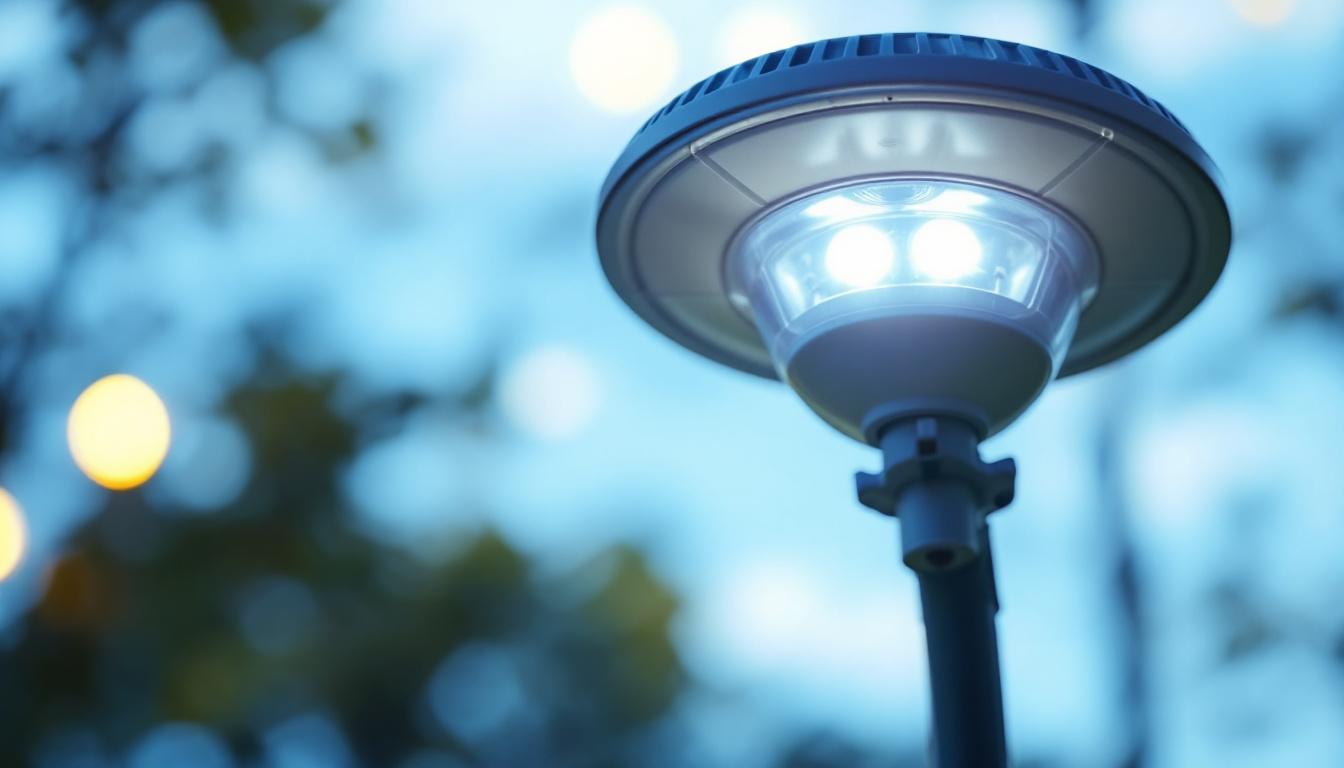
Unlike traditional timers or motion sensors, photoelectric sensors respond purely to light levels, making them ideal for applications where lighting needs to adjust according to natural daylight cycles. This feature is particularly valuable in outdoor fixtures, street lighting, parking lots, and security lighting.
In addition to their practical benefits, photoelectric sensor light bulbs also contribute to sustainability efforts. By reducing energy consumption, they help lower electricity bills and decrease the carbon footprint associated with excessive lighting. Many municipalities and businesses are now adopting these bulbs as part of their green initiatives, recognizing that efficient lighting not only saves money but also promotes environmental stewardship. Furthermore, the longevity of these bulbs often surpasses that of traditional incandescent or fluorescent options, leading to less frequent replacements and reduced waste.
Moreover, the integration of photoelectric sensors into smart lighting systems is a growing trend. These advanced systems can be programmed to work in conjunction with other smart technologies, such as motion detectors and timers, creating a comprehensive lighting solution that adapts to user preferences and environmental conditions. This interconnectedness allows for enhanced control and customization, enabling users to optimize their lighting setups for various scenarios, from security to ambiance. As technology continues to evolve, the potential applications for photoelectric sensor light bulbs are expanding, paving the way for smarter, more responsive lighting solutions in both residential and commercial spaces.
Key Benefits for Lighting Contractors and Their Clients
Energy Savings and Cost Efficiency
One of the most compelling reasons to recommend photoelectric sensor light bulbs is their ability to reduce energy consumption. By ensuring lights operate only when necessary, these bulbs cut down on wasted electricity. This can lead to significant savings on utility bills, especially in large-scale installations.
Lighting contractors can highlight this advantage to clients who are looking to improve sustainability or meet energy codes. Many municipalities now require or incentivize energy-efficient lighting solutions, and photoelectric sensor bulbs fit well within these frameworks. Furthermore, clients may find that the initial investment in these advanced lighting solutions is quickly offset by the long-term financial benefits, making it an attractive option for both residential and commercial properties.
Reduced Maintenance and Increased Lifespan
Because photoelectric sensor bulbs operate only when needed, they experience less wear and tear compared to lights that remain on continuously. This translates into longer bulb life and fewer replacements. For contractors managing large properties or commercial accounts, this means less frequent service calls and happier clients.
Additionally, many photoelectric sensor bulbs are integrated with LED technology, which inherently lasts longer and is more durable than incandescent or fluorescent alternatives. The combination of these technologies not only minimizes the hassle of frequent bulb changes but also contributes to a more eco-friendly approach, as fewer bulbs in landfills mean a reduced environmental impact. This aspect can be particularly appealing to clients who prioritize sustainability in their operations.
Enhanced Safety and Security
Automatic lighting triggered by ambient light changes enhances safety around buildings and walkways. Proper illumination deters criminal activity and reduces the risk of accidents in poorly lit areas. Lighting contractors can use this point to emphasize the value of photoelectric sensor bulbs in security lighting setups.
Moreover, the integration of smart technology with photoelectric sensors allows for advanced features such as motion detection and remote control capabilities. This means that not only do these systems provide reliable lighting when needed, but they can also be programmed to adjust based on specific security needs or user preferences. Clients can enjoy peace of mind knowing that their properties are well-lit and secure, while also benefiting from the convenience of modern technology that can be tailored to their unique requirements.
Technical Considerations When Installing Photoelectric Sensor Bulbs
Compatibility with Fixtures and Systems
Before installation, contractors must verify that the photoelectric sensor bulb is compatible with the existing fixture. Some sensors are built into the bulb itself, while others require separate sensor units. The bulb’s base type, voltage rating, and physical size must match the fixture specifications.
Furthermore, if the lighting system is controlled by a centralized building management system (BMS), it’s important to ensure the sensor’s functionality integrates smoothly without causing conflicts or false triggers. This may involve checking the communication protocols used by the BMS, as some systems may require specific configurations to recognize the sensor’s signals. Additionally, contractors should assess whether the existing wiring can handle the new sensor’s power requirements, as inadequate wiring could lead to performance issues or even safety hazards.
Sensor Placement and Orientation
The effectiveness of a photoelectric sensor depends heavily on its placement. The sensor must be positioned where it can accurately detect ambient light without interference from artificial lighting or shadows. For instance, placing the sensor inside a fixture that blocks natural light will prevent it from functioning correctly.
Contractors should also consider environmental factors such as dirt, dust, or weather exposure, which can degrade sensor performance over time. Protective housings or regular maintenance may be necessary in harsh conditions. Additionally, the angle of the sensor can significantly impact its ability to detect light changes; an optimal tilt may enhance its responsiveness to varying light conditions. In outdoor installations, it’s crucial to account for seasonal changes in sunlight and weather patterns, as these can affect sensor performance throughout the year.
Adjusting Sensitivity and Threshold Settings
Many photoelectric sensor bulbs allow for adjustment of the light level threshold that triggers the bulb to turn on or off. This flexibility lets contractors tailor the lighting behavior to specific site conditions. For example, in areas with frequent fog or heavy tree cover, the sensor might need to be set to activate at a higher ambient light level.
Understanding how to calibrate these settings ensures optimal performance and prevents issues like the light turning on prematurely or failing to activate when needed. Some advanced models even offer programmable features that allow for different sensitivity settings based on time of day or specific events, such as increased sensitivity during nighttime hours. This adaptability can significantly enhance energy efficiency and reduce unnecessary wear on the lighting system, ultimately leading to longer bulb life and lower maintenance costs.
Common Challenges and How to Address Them
False Triggers and Flickering
One challenge contractors may encounter is false triggering caused by sudden changes in light, such as car headlights or passing shadows. This can lead to flickering or frequent switching that wears down the bulb and annoys occupants.
To mitigate this, selecting sensors with built-in delay timers or adjustable sensitivity can help stabilize operation. Additionally, positioning the sensor away from direct exposure to transient light sources reduces false activations.
Sensor Malfunction Due to Environmental Factors
Exposure to extreme weather conditions, dirt accumulation, or insect interference can impair sensor function. Moisture ingress, for example, may cause short circuits or corrosion.
Contractors should recommend weatherproof sensor bulbs or enclosures for outdoor installations. Routine inspection and cleaning schedules can also prolong sensor life and maintain reliable operation.
Compatibility Issues with Dimming Systems
Photoelectric sensor bulbs may not always be compatible with dimmer switches or advanced lighting controls. Using incompatible components can cause flickering, reduced sensor sensitivity, or premature failure.
Before installation, contractors should verify compatibility with the client’s existing dimming or control systems. If necessary, upgrading to sensor bulbs designed to work with dimmers or integrating compatible control modules can resolve these issues.
Best Practices for Lighting Contractors
Conduct Thorough Site Assessments
Understanding the unique lighting requirements and environmental conditions of each project site is essential. Contractors should assess natural light availability, fixture locations, and potential sources of interference before selecting photoelectric sensor bulbs.
This upfront diligence helps avoid costly rework and ensures the lighting system performs as intended.
Educate Clients on Operation and Maintenance
Clients often appreciate clear guidance on how their lighting systems work and what maintenance is required. Providing simple instructions on sensor cleaning, troubleshooting common issues, and adjusting sensitivity settings empowers clients to manage their lighting effectively.
Such transparency builds trust and enhances the contractor-client relationship.
Stay Updated on Industry Standards and Innovations
The lighting industry continues to evolve with advances in sensor technology, LED efficiency, and smart controls. Contractors who keep abreast of these developments can offer cutting-edge solutions that meet both regulatory requirements and client expectations.
Participating in training sessions, reading industry publications, and networking with manufacturers are effective ways to stay informed.
Conclusion: Why Photoelectric Sensor Light Bulbs Matter
Photoelectric sensor light bulbs offer a smart, energy-efficient solution that aligns with modern lighting needs. For contractors, understanding their functionality, benefits, and installation nuances is essential to delivering reliable, cost-effective lighting systems.
By integrating these bulbs thoughtfully, contractors can enhance client satisfaction, reduce operational costs, and contribute to sustainable building practices. The key lies in careful selection, precise installation, and ongoing maintenance-areas where professional expertise makes all the difference.
Illuminate Your Projects with LumenWholesale
Ready to elevate your lighting solutions with the smart, energy-efficient capabilities of photoelectric sensor light bulbs? At LumenWholesale, we specialize in providing lighting contractors like you with the highest quality, spec-grade lighting products at unbeatable wholesale prices. Say goodbye to inflated markups and hello to superior lighting that meets the highest industry standards. With our hassle-free bulk buying and free shipping, you can ensure every project shines brightly while keeping costs down. Don’t compromise on quality or value—choose LumenWholesale for Wholesale Lighting at the Best Value and make the smart choice for your business and clients.