Understanding Lighting Types and Their Applications
Lighting contractors often face the challenge of selecting the right type of lighting for diverse projects. Whether it’s a commercial office, a residential property, or an industrial facility, the choice of lighting directly impacts energy efficiency, aesthetics, and functionality.
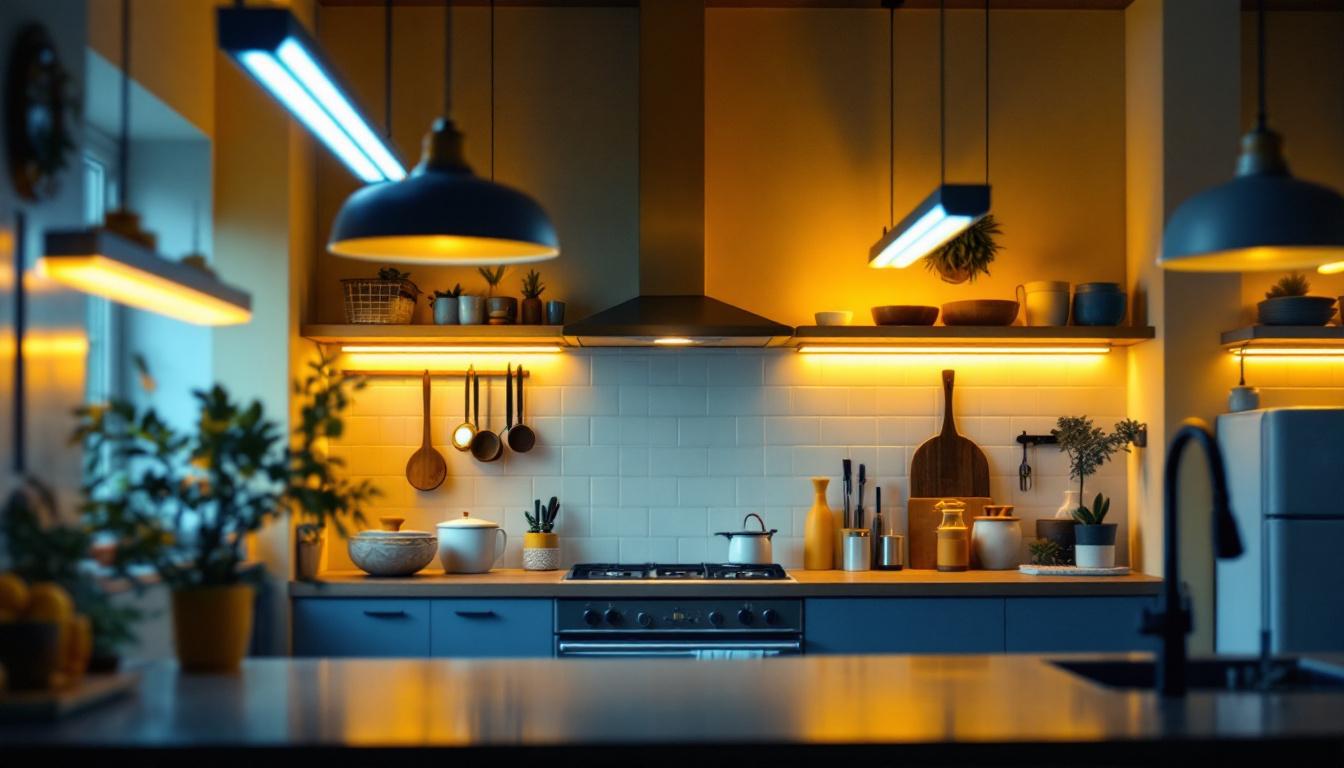
There are three primary categories of lighting to consider: ambient, task, and accent lighting. Ambient lighting provides overall illumination, task lighting focuses on specific work areas, and accent lighting highlights architectural features or decor. Knowing when and where to apply each type is crucial for delivering a balanced and effective lighting design.
For instance, LED fixtures are now the go-to for ambient lighting due to their longevity and energy savings. In contrast, halogen or fluorescent lights might still find use in task lighting where color rendering is critical. Understanding these nuances can save time and reduce costly mistakes on site. Additionally, the integration of smart lighting systems has begun to revolutionize how these types of lighting are utilized. With the ability to control brightness and color temperature remotely, contractors can create dynamic environments that adapt to the needs of the space and its occupants.
LED vs. Traditional Lighting
LED technology has transformed the lighting industry. Compared to incandescent or fluorescent bulbs, LEDs consume up to 75% less energy and last 25 times longer. This translates to lower maintenance costs and fewer replacements, which is a significant selling point for contractors pitching to clients.
However, not all LEDs are created equal. Pay attention to color temperature (measured in Kelvins) and color rendering index (CRI). A CRI above 80 is generally preferred for commercial spaces to ensure colors appear natural. For residential projects, warmer color temperatures (2700K to 3000K) create a cozy atmosphere, while cooler temperatures (3500K to 4100K) suit workspaces better. Furthermore, the emergence of tunable white LEDs allows for even greater customization, enabling users to shift the color temperature throughout the day to enhance productivity or relaxation as needed. This adaptability not only contributes to the well-being of occupants but also aligns with the growing trend towards biophilic design, which emphasizes the connection between indoor environments and the natural world.
Essential Tools and Equipment Every Lighting Contractor Should Have
Efficiency on the job site depends heavily on having the right tools at hand. Beyond the standard electrical toolkit, specialized equipment can make a significant difference in installation speed and accuracy. The right tools not only streamline the workflow but also contribute to the overall safety and quality of the installation, ensuring that every project meets the highest standards.
A good quality digital multimeter is indispensable for measuring voltage, current, and resistance, ensuring circuits are safe and functioning correctly. Additionally, a clamp meter helps measure current without disconnecting wires, saving time during troubleshooting. These tools are essential for diagnosing issues quickly, allowing contractors to maintain a steady pace without compromising on safety. Furthermore, investing in high-quality multimeters and clamp meters can yield long-term benefits, as they tend to be more reliable and accurate, reducing the likelihood of errors that could lead to costly repairs.
For layout and alignment, laser levels provide precision that manual methods can’t match. They help ensure fixtures are installed straight and at the correct height, which is critical for both aesthetics and compliance with building codes. Laser levels can also be used in conjunction with measuring tapes and chalk lines to create a comprehensive layout plan, facilitating a smoother installation process. The ability to visualize the final outcome before installation begins can save time and resources, allowing contractors to make adjustments early in the project.
Smart Lighting Controls and Integration Tools
Smart lighting is becoming standard in commercial and residential projects. Contractors should familiarize themselves with control systems like DALI (Digital Addressable Lighting Interface), DMX, and wireless protocols such as Zigbee or Z-Wave. Understanding these systems not only enhances the contractor’s skill set but also positions them as knowledgeable professionals in a rapidly evolving market. As clients increasingly demand energy-efficient and customizable lighting solutions, being adept in smart technology can set a contractor apart from the competition.
Having tools to program and test these systems on-site is vital. Portable control interfaces and apps that allow real-time adjustments can prevent costly callbacks. Understanding how to integrate sensors, dimmers, and timers enhances the value you bring to clients. Additionally, familiarity with mobile applications that can control lighting systems remotely opens up new possibilities for clients, allowing them to manage their lighting from anywhere. This level of convenience is particularly appealing in smart homes, where homeowners seek seamless integration of technology to enhance their living experience. Moreover, staying updated on the latest trends and advancements in smart lighting technology can help contractors recommend innovative solutions that not only meet but exceed client expectations.
Common Installation Challenges and How to Overcome Them
Lighting installations rarely go exactly as planned. Unexpected obstacles like wiring inconsistencies, space constraints, or outdated infrastructure can slow progress. These challenges can lead to delays and increased costs, making it essential to anticipate potential issues before they arise. Proper planning and preparation can significantly mitigate these risks, allowing for a smoother installation process.
One frequent issue is dealing with incompatible dimmers and LED drivers. Not all dimmers are LED-compatible, and mismatches can cause flickering or reduced lifespan. Testing components before full installation can save headaches later. Additionally, it’s wise to consult with manufacturers or product specifications to ensure compatibility. This proactive approach not only enhances performance but also extends the longevity of the lighting system, ensuring that the investment pays off in the long run.
Another challenge is ensuring compliance with local electrical codes and safety standards. Familiarity with the National Electrical Code (NEC) or equivalent regulations is essential. Always double-check grounding, circuit ratings, and fixture mounting requirements to avoid violations. Engaging a licensed electrician can provide peace of mind, as they are well-versed in local codes and can navigate any complexities that arise during installation. This not only ensures safety but also helps avoid potential fines or the need for costly rework.
Working Around Structural Limitations
Sometimes, the building’s structure limits where fixtures can be placed. In such cases, creative solutions like surface-mounted fixtures or track lighting can provide flexibility without compromising design intent. These options can be particularly effective in spaces with low ceilings or where traditional recessed lighting isn’t feasible. Moreover, utilizing wall-mounted sconces or pendant lights can add both functionality and aesthetic appeal, transforming a challenging layout into a design feature.
Using adjustable mounting brackets or modular lighting systems can also help adapt to uneven ceilings or restricted spaces. Communicating these constraints early with architects and designers prevents costly redesigns. Additionally, considering the use of smart lighting technology can offer further adaptability; these systems allow for remote adjustments and can be programmed to suit various needs throughout the day. This not only enhances user experience but also maximizes the efficiency of the lighting setup, making it a worthwhile investment for any project.
Energy Efficiency and Sustainability Considerations
Clients increasingly demand energy-efficient lighting solutions that reduce operational costs and environmental impact. Contractors who can advise on sustainable options gain a competitive edge. As awareness of climate change and resource depletion grows, more businesses are seeking to align their practices with sustainability goals. This shift not only reflects a commitment to corporate responsibility but also resonates with consumers who prefer to support environmentally conscious brands.
Energy codes often require specific efficiency standards, so staying current with these regulations is crucial. Incorporating daylight harvesting controls, occupancy sensors, and timers can significantly reduce energy consumption without sacrificing comfort. These technologies not only enhance the user experience by providing optimal lighting conditions but also contribute to a building’s overall energy profile, making it more attractive to potential tenants or buyers. Furthermore, educating clients about the long-term benefits of these systems can lead to more informed decisions that prioritize both efficiency and comfort.
Recommending fixtures with ENERGY STAR certification or similar labels assures clients of quality and efficiency. Additionally, understanding rebate programs from utility companies can help clients offset upfront costs, making sustainable choices more attractive. By leveraging these financial incentives, contractors can facilitate a smoother transition to energy-efficient solutions, ultimately leading to a more sustainable future. This proactive approach not only enhances client satisfaction but also positions contractors as valuable partners in their clients’ sustainability journeys.
Lifecycle Cost Analysis
When discussing lighting options, it’s important to emphasize lifecycle costs, not just initial purchase price. LEDs may have a higher upfront cost but offer substantial savings over time through reduced energy use and maintenance. This perspective encourages clients to think beyond the immediate financial outlay and consider the long-term implications of their choices, including the potential for lower operational costs and a reduced carbon footprint.
Providing clients with a clear breakdown of these savings builds trust and supports informed decision-making. Tools like lighting calculators or software can assist in generating these estimates quickly. Additionally, presenting case studies or testimonials from previous projects can further illustrate the tangible benefits of investing in energy-efficient lighting solutions. By showcasing real-world examples of cost savings and improved performance, contractors can effectively communicate the value proposition of these investments, fostering a deeper understanding of the importance of energy efficiency in today’s market.
Safety Best Practices for Lighting Contractors
Safety is non-negotiable in lighting installation. Electrical work carries inherent risks, and contractors must prioritize protective measures to prevent accidents.
Always de-energize circuits before starting work and verify with a tester. Use insulated tools and wear appropriate personal protective equipment (PPE), including gloves and safety glasses. Proper ladder safety and fall protection are equally important when working at heights.
Training on lockout/tagout procedures and emergency response prepares teams for unexpected situations. Documenting safety protocols and conducting regular site inspections reinforce a culture of safety.
Handling Hazardous Materials
Some lighting components, such as fluorescent tubes, contain hazardous substances like mercury. Proper disposal and recycling procedures must be followed to comply with environmental regulations and protect health.
Contractors should partner with certified waste management services and educate clients on responsible disposal practices. This attention to detail reflects professionalism and environmental responsibility.
Get Your Lighting Solutions from LumenWholesale
Ready to elevate your lighting projects with premium products that combine quality and affordability? Look no further than LumenWholesale. Our spec-grade lighting selection is designed to meet the needs of contractors like you, offering unbeatable wholesale prices and the convenience of bulk buying without the hassle. Say goodbye to local distributor markups and hello to a vast array of reliable, high-performance lighting options. Plus, with free shipping on bulk orders, you can rest assured that you’re getting the best value for your investment. Don’t compromise on quality or cost—choose LumenWholesale for your lighting needs. Visit us now at Wholesale Lighting at the Best Value and experience the difference.