Understanding the 4 Foot Light Bulb: A Staple in Commercial Lighting
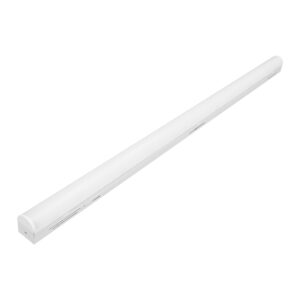
For lighting contractors, the 4 foot light bulb is a familiar fixture. It’s a standard size that’s been a go-to choice in commercial, industrial, and institutional settings for decades. Whether it’s fluorescent tubes or the newer LED replacements, these bulbs often fit into existing fixtures, making them a convenient option for many projects.
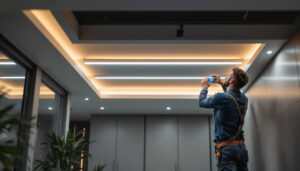
These bulbs are commonly used in offices, schools, warehouses, and retail environments, where consistent, broad-area illumination is necessary. Their length allows for even light distribution across large spaces, reducing shadows and glare when installed properly. This makes them particularly valuable in environments where visual comfort and productivity are priorities.
However, as lighting technology evolves, contractors need to weigh the benefits and drawbacks of sticking with 4 foot bulbs or exploring alternatives. Understanding these factors can help contractors make informed decisions that satisfy client needs while optimizing installation and maintenance efforts.
One of the significant advantages of 4 foot light bulbs, particularly the LED variants, is their energy efficiency. Compared to traditional incandescent bulbs, LED 4 foot tubes consume significantly less electricity, leading to lower utility bills and a reduced carbon footprint. This energy efficiency is especially important for businesses looking to enhance their sustainability practices. Additionally, many LED options boast a longer lifespan, which means fewer replacements and less waste over time, making them an environmentally friendly choice.
Moreover, the versatility of 4 foot light bulbs extends beyond just their application in commercial spaces. They can also be found in various color temperatures, allowing for tailored lighting solutions that can enhance mood and productivity. For instance, cooler color temperatures are often preferred in workspaces to promote alertness, while warmer tones can create a more relaxed atmosphere in retail settings. This adaptability makes the 4 foot light bulb not just a practical choice, but also a strategic one for creating the desired ambiance in any environment.
Advantages of Using 4 Foot Light Bulbs
Compatibility and Ease of Installation
One of the biggest advantages of 4 foot light bulbs is their compatibility with a wide range of existing fixtures. Many commercial buildings have fixtures designed specifically for this size, which simplifies upgrades or replacements. Contractors can often swap out old bulbs without needing to replace the entire fixture, saving time and reducing labor costs.
This compatibility extends to both fluorescent and LED options. LED retrofit tubes designed to fit into standard 4 foot fluorescent fixtures allow contractors to upgrade lighting systems without major rewiring or fixture changes. This is a significant selling point for clients looking to improve energy efficiency without a complete overhaul.
Cost-Effectiveness and Availability
4 foot light bulbs are widely available and generally affordable. Their long-standing presence in the market means there’s a competitive range of products to choose from, across various price points and performance levels. For contractors managing tight budgets, this availability can be a critical factor.
Bulk purchasing is also easier with standard sizes. Contractors working on large projects can source these bulbs in volume, often securing discounts. This reduces the overall project cost and streamlines logistics, which is especially important for large-scale commercial installations.
Energy Efficiency with LED Options
While traditional fluorescent 4 foot tubes consume more energy and contain hazardous materials like mercury, LED versions have changed the game. LED 4 foot bulbs offer significant energy savings-up to 50-60% less power consumption compared to fluorescents-while providing equal or better light quality.
LEDs also have longer lifespans, often lasting 50,000 hours or more. This reduces replacement frequency and maintenance costs, a major advantage for contractors and building owners alike. The shift to LED technology in the 4 foot format supports sustainability goals and helps clients meet energy codes and standards.
Challenges and Limitations of 4 Foot Light Bulbs
Size Constraints and Fixture Limitations
Despite their popularity, the 4 foot length can be a limitation in certain applications. In spaces with low ceilings or tight fixture designs, these bulbs may not fit or could create awkward lighting layouts. Contractors need to assess whether the physical size of the bulb aligns with the architectural constraints of the space.
Additionally, some modern lighting designs favor smaller, more modular fixtures that offer greater flexibility and aesthetic appeal. Sticking rigidly to 4 foot bulbs may restrict design options, potentially disappointing clients who want contemporary lighting solutions.
Light Quality Concerns with Older Fluorescent Tubes
Fluorescent 4 foot tubes, especially older models, can have issues with flickering, color rendering, and warm-up time. These factors impact the visual comfort of occupants and can lead to complaints or dissatisfaction. While LED replacements address many of these issues, contractors must be vigilant about the quality of the bulbs they specify.
Moreover, fluorescent tubes contain mercury, posing environmental and disposal challenges. Contractors need to ensure proper handling and recycling protocols, which can add complexity and cost to projects. Clients increasingly expect environmentally responsible solutions, making this an important consideration.
Installation and Retrofit Challenges with LED Tubes
Though LED retrofit tubes are designed to fit into existing 4 foot fixtures, installation isn’t always straightforward. Some LED tubes require bypassing or removing the fluorescent ballast, which involves rewiring and can increase labor time. Others may be plug-and-play but come with compatibility warnings or reduced performance if the ballast is left in place.
Contractors must carefully evaluate the type of LED tube and the existing fixture to avoid issues such as flickering, reduced lifespan, or warranty voids. This adds a layer of complexity to what might seem like a simple bulb replacement, requiring technical knowledge and careful planning.
Practical Considerations for Lighting Contractors
Assessing Client Needs and Project Requirements
Before recommending 4 foot light bulbs, contractors should conduct a thorough assessment of the client’s lighting goals, budget, and space constraints. For example, if energy savings and sustainability are priorities, LED 4 foot tubes are likely the best choice. If the project involves a historic building with existing fluorescent fixtures, maintaining the 4 foot size may simplify installation.
Conversely, if the client desires modern aesthetics or flexible lighting control, exploring alternative lighting formats or fixture types might be more appropriate. Understanding the client’s priorities helps contractors tailor solutions that balance cost, performance, and design.
Maintenance and Lifecycle Costs
Maintenance is a critical factor for commercial clients. The longer a bulb lasts, the less frequently it needs replacement, reducing labor and downtime. LED 4 foot bulbs excel here, with lifespans that can triple or quadruple those of fluorescent tubes.
Contractors should also consider the ease of accessing fixtures for bulb replacement. In large facilities, this can be a significant operational expense. Selecting bulbs and fixtures that minimize maintenance effort can be a strong selling point when discussing options with clients.
Regulatory and Environmental Compliance
Lighting contractors must stay informed about local codes and regulations related to energy efficiency and environmental safety. Many jurisdictions have phased out or restricted the use of traditional fluorescent tubes due to mercury content and energy consumption.
LED 4 foot bulbs help contractors and clients comply with these requirements. Additionally, proper disposal and recycling of old fluorescent tubes are mandatory in many areas. Contractors should educate clients about these responsibilities and incorporate them into project planning.
Future Trends and Alternatives to Consider
Emerging Technologies in Linear Lighting
While 4 foot bulbs remain common, lighting technology continues to evolve. Linear LED fixtures that integrate light sources and drivers into a single unit offer sleek designs and improved performance. These fixtures can provide better uniformity, dimming capabilities, and smart controls compared to traditional bulb-and-fixture setups.
For contractors, staying abreast of these innovations can open new business opportunities and allow for more customized lighting solutions. Clients increasingly expect smart, energy-efficient, and aesthetically pleasing lighting, pushing the market beyond standard 4 foot bulbs.
Alternative Sizes and Configurations
Other linear bulb sizes, such as 2 foot or 8 foot tubes, may be more suitable depending on the application. Smaller sizes offer flexibility in compact spaces, while longer tubes can cover expansive areas with fewer fixtures. Contractors should be familiar with these options to recommend the best fit for each project.
Modular lighting systems that combine multiple smaller light sources also provide design versatility, allowing for tailored light distribution and fixture aesthetics. These options can complement or replace traditional 4 foot bulbs in many scenarios.
Smart Lighting and Controls Integration
Integrating smart controls with 4 foot LED bulbs can enhance energy savings and user experience. Motion sensors, daylight harvesting, and programmable dimming allow lighting systems to adapt dynamically to occupancy and ambient conditions.
Contractors who can offer these integrated solutions add value for clients aiming to reduce operational costs and improve building performance. While the bulb size remains the same, the overall system becomes more intelligent and efficient.
Conclusion: Balancing Pros and Cons for Optimal Outcomes
For lighting contractors, the 4 foot light bulb remains a reliable and practical choice in many commercial and industrial projects. Its compatibility with existing fixtures, cost-effectiveness, and availability make it a convenient option. The rise of LED technology has addressed many traditional drawbacks, offering energy efficiency and longer lifespans.
However, contractors must carefully consider the physical constraints, installation complexities, and client expectations before specifying 4 foot bulbs. Evaluating project-specific factors such as space, design preferences, maintenance requirements, and regulatory compliance is essential.
Staying informed about emerging lighting technologies and alternatives ensures contractors can provide the best solutions. Whether sticking with 4 foot bulbs or exploring new formats, the goal remains the same: delivering efficient, effective, and satisfying lighting outcomes for clients.
Illuminate Your Projects with LumenWholesale
Ready to enhance your lighting projects with the best in 4 foot LED bulbs and more? At LumenWholesale, we provide lighting contractors with superior, spec-grade lighting products at unbeatable wholesale prices. Say goodbye to local distributor markups and hello to a vast selection of top-quality lighting that meets the highest industry standards. With free shipping on bulk orders, you can trust that you’re getting premium lighting solutions at the best value — no hidden fees, no compromises. Elevate your lighting game with the efficiency, affordability, and convenience of Wholesale Lighting at the Best Value from LumenWholesale.