Understanding the Appeal of Solar Yard Lights
Solar yard lights are no longer just a niche product for eco-conscious homeowners. They have become a practical, cost-effective solution for lighting contractors looking to offer clients sustainable options without sacrificing performance or aesthetics. The appeal lies in their independence from electrical wiring, ease of installation, and the growing demand for green energy solutions.
For lighting contractors, this means fewer logistical challenges on site and the ability to provide a quick turnaround on projects. Solar lights eliminate the need for trenching, conduit runs, and complex electrical hookups, which can add significant time and cost. This simplicity is a game-changer when working on residential yards, parks, or commercial landscapes where time and budget constraints are tight.
Additionally, solar yard lights have evolved significantly. Modern units feature improved solar panels, longer-lasting batteries, and brighter LEDs, making them competitive with traditional wired lighting in terms of functionality and durability. Understanding these advancements helps contractors confidently recommend solar solutions to clients.
Moreover, the aesthetic appeal of solar yard lights cannot be overstated. With a variety of designs available, from sleek modern fixtures to charming vintage lanterns, contractors can cater to diverse tastes and styles. This versatility allows homeowners to enhance their outdoor spaces while also contributing to energy conservation. Furthermore, many solar lights now come with customizable features, such as adjustable brightness settings and motion sensors, which not only improve security but also enhance the overall user experience.
Another compelling aspect of solar yard lights is their environmental impact. By harnessing the power of the sun, these lights reduce reliance on fossil fuels and lower carbon footprints. This aligns perfectly with the increasing awareness and commitment to sustainability among consumers. As more people seek to make eco-friendly choices, lighting contractors who offer solar options can position themselves as leaders in the green movement, attracting a clientele that values both innovation and responsibility. Additionally, with advancements in technology, the efficiency of solar lights continues to improve, making them an even more attractive option for those looking to illuminate their outdoor spaces sustainably.
Key Components and How They Impact Installation
Solar Panels: Size and Placement
The solar panel is the heart of any solar yard light system. For lighting contractors, selecting the right panel size and positioning it correctly is crucial to ensure optimal energy capture throughout the day. Panels should be placed where they receive direct sunlight for most of the day, avoiding shadows from trees, buildings, or other structures.
Smaller panels may be suitable for low-intensity lighting needs, such as pathway markers or accent lights. However, larger panels are necessary for brighter fixtures or areas with limited sunlight exposure. Contractors should evaluate the site carefully to determine the best panel size and location, balancing aesthetics and functionality. Additionally, considering the seasonal variations in sunlight can further enhance performance; for instance, panels may need to be tilted or adjusted to capture more sunlight during the winter months when the sun is lower in the sky. This proactive approach not only maximizes energy efficiency but also extends the lifespan of the system by ensuring that it operates under optimal conditions year-round.
Battery Capacity and Longevity
The battery stores the energy collected by the solar panel and powers the light after sunset. Lithium-ion batteries have become the preferred choice due to their longer lifespan and better performance in varying temperatures compared to older nickel-metal hydride (NiMH) or lead-acid batteries.
Contractors should consider battery capacity relative to the light’s power consumption and expected hours of operation. Larger batteries provide longer run times but may increase the unit’s size and cost. Understanding these trade-offs allows contractors to tailor solutions to client needs, whether for security lighting that stays on all night or decorative lights that operate for a few hours after dusk. Moreover, advancements in battery technology are continually emerging, such as the development of solar batteries that incorporate smart technology to optimize charging cycles and monitor performance. This not only enhances efficiency but also allows for remote diagnostics, enabling contractors to address potential issues before they become significant problems.
LED Technology and Light Output
LEDs are the standard light source in solar yard lights due to their energy efficiency and longevity. The quality of the LED chip affects brightness, color temperature, and color rendering index (CRI), all important factors in achieving the desired lighting effect.
For contractors, specifying the right LED means balancing brightness with battery life. High-lumen LEDs consume more power but provide better illumination, which might be necessary for safety or security purposes. Conversely, softer lighting may suffice for ambiance or garden highlighting, allowing for smaller batteries and panels. Furthermore, the integration of smart LED technology is becoming increasingly popular, enabling features such as dimming capabilities, motion sensors, and even color-changing options. These innovations not only enhance the functionality of solar yard lights but also provide homeowners with customizable lighting solutions that can adapt to different occasions or moods, making the installation more appealing and versatile.
Installation Best Practices for Lighting Contractors
Site Assessment and Planning
Before installation, a thorough site assessment is essential. Contractors should map out sun exposure patterns, potential obstructions, and client preferences. Using tools like light meters and solar pathfinders can provide precise data to optimize panel placement and fixture positioning.
Planning also involves considering the client’s usage patterns-do they want the lights on all night, or only during certain hours? Some solar lights come with adjustable settings or remote controls, which can be a selling point for clients seeking customization.
Mounting and Positioning Techniques
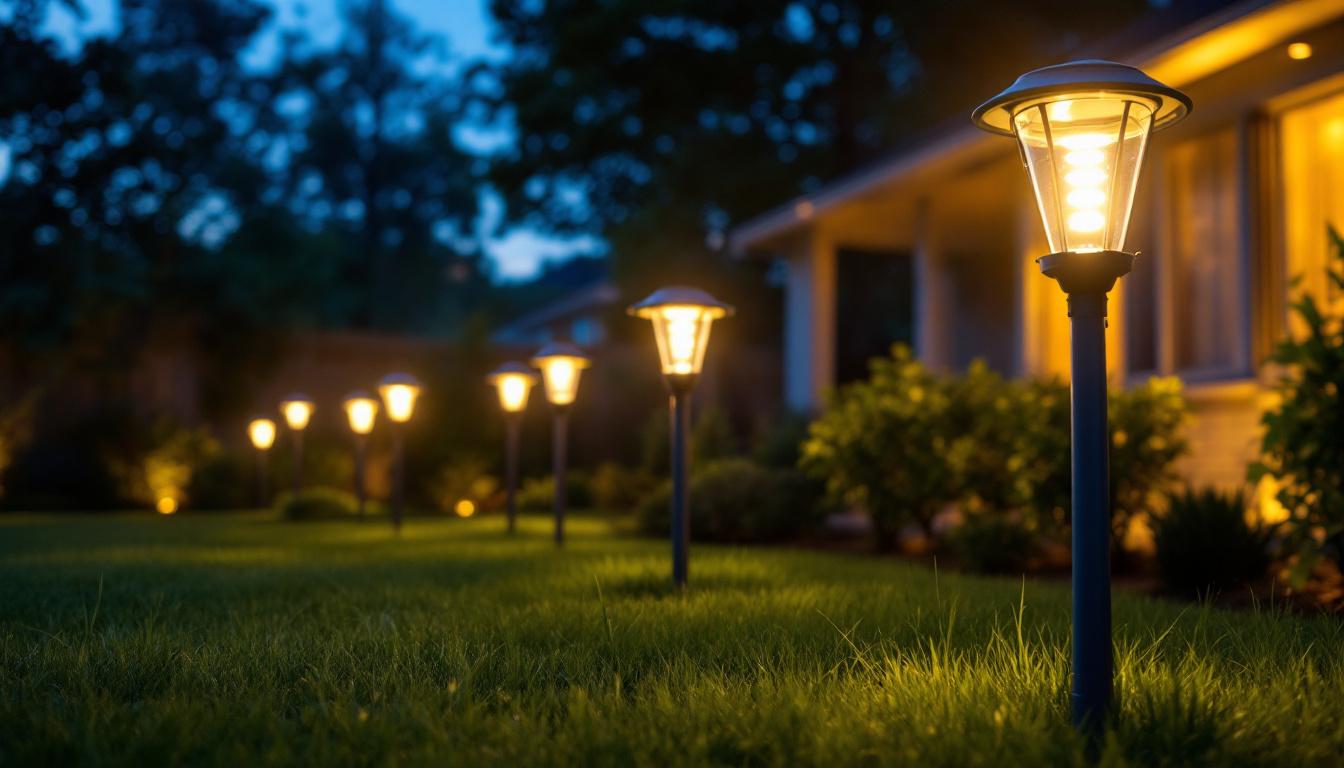
Solar yard lights come in various forms: stake lights, wall-mounted fixtures, post lights, and even string lights. Each type requires different installation techniques. For stake lights, ensure the ground is firm and the stake is driven deep enough to prevent tilting or falling.
Wall-mounted or post fixtures need secure brackets and consideration of wiring if the light includes a separate panel connected by a cable. Contractors should also pay attention to the angle of the solar panel, typically between 15 and 40 degrees, to maximize sunlight absorption depending on the geographic location.
Maintenance and Client Education
While solar yard lights are low-maintenance, contractors should educate clients on simple upkeep to extend the system’s life. This includes cleaning solar panels periodically to remove dust and debris, checking for battery health, and ensuring no new obstructions block sunlight.
Providing clients with a maintenance checklist or scheduling periodic inspections can enhance customer satisfaction and reduce service calls. Lighting contractors who offer this level of support position themselves as trusted advisors rather than just installers.
Addressing Common Challenges and Solutions
Dealing with Limited Sunlight
Not every yard gets ample sunlight throughout the day. Shaded areas can significantly reduce solar panel efficiency, leading to dim lights or shorter operating times. Contractors can overcome this by selecting higher-efficiency panels, positioning panels in the sunniest spots nearby, or using hybrid systems that include a small wired backup.
Another option is to use solar lights with larger batteries that store more energy during peak sunlight hours. This approach ensures consistent performance even on cloudy days or during shorter daylight periods.
Vandalism and Durability Concerns
Outdoor lighting fixtures are exposed to weather and potential vandalism. Contractors should recommend products with robust housings made from weather-resistant materials like aluminum or heavy-duty plastics. Fixtures with tamper-resistant screws or locking mechanisms add a layer of security.
For high-traffic or public areas, choosing solar lights with replaceable components can simplify repairs and reduce long-term costs. Lighting contractors should also consider warranty terms and supplier support when selecting products.
Integration with Existing Systems
Many clients want to integrate solar yard lights with their existing lighting systems or smart home controls. While solar lights are typically standalone, some advanced models offer compatibility with wireless controls, timers, or motion sensors.
Contractors can enhance value by offering integrated solutions that combine solar and wired lighting or by incorporating smart controls that allow clients to adjust brightness, color, and scheduling remotely. This flexibility meets modern expectations and can differentiate a contractor’s offerings.
Choosing the Right Products and Suppliers
Lighting contractors should prioritize suppliers that offer reliable, tested solar lighting products with clear specifications and certifications. Look for products with certifications such as UL listing, IP ratings for water and dust resistance, and compliance with local electrical codes.
Building relationships with manufacturers or distributors who provide technical support, training, and warranty services can streamline project execution and improve client satisfaction. Contractors should also stay informed about emerging technologies and trends in solar lighting to maintain a competitive edge.
Maximizing Profitability with Solar Yard Lighting
Solar yard lights can increase profitability by reducing labor and material costs associated with traditional wired lighting installations. Faster installations mean more projects completed in less time, and the growing demand for sustainable solutions allows contractors to command premium pricing.
Offering solar lighting as part of a comprehensive landscape lighting package can also open opportunities for upselling and repeat business. By educating clients on the long-term savings in energy costs and maintenance, contractors can justify higher initial investments and build lasting relationships.
Ultimately, simplifying solar yard lighting for contractors involves understanding the technology, selecting the right products, and applying best practices in installation and client communication. This approach not only benefits contractors but also delivers superior value to clients seeking efficient, attractive, and eco-friendly lighting solutions.
Illuminate Your Projects with LumenWholesale
Ready to elevate your lighting installations with the best solar yard lights on the market? Look no further than LumenWholesale, where we provide contractors with superior, spec-grade lighting products at unbeatable wholesale prices. Say goodbye to local distributor markups and hello to our extensive selection that meets the highest industry standards. With LumenWholesale, you’ll enjoy the convenience of free shipping on bulk orders, ensuring you get premium lighting at the best value — without hidden fees. Make your next project shine and experience the perfect blend of quality, affordability, and convenience with LumenWholesale.