Understanding CFL Lamp Wattage and Its Impact on Projects
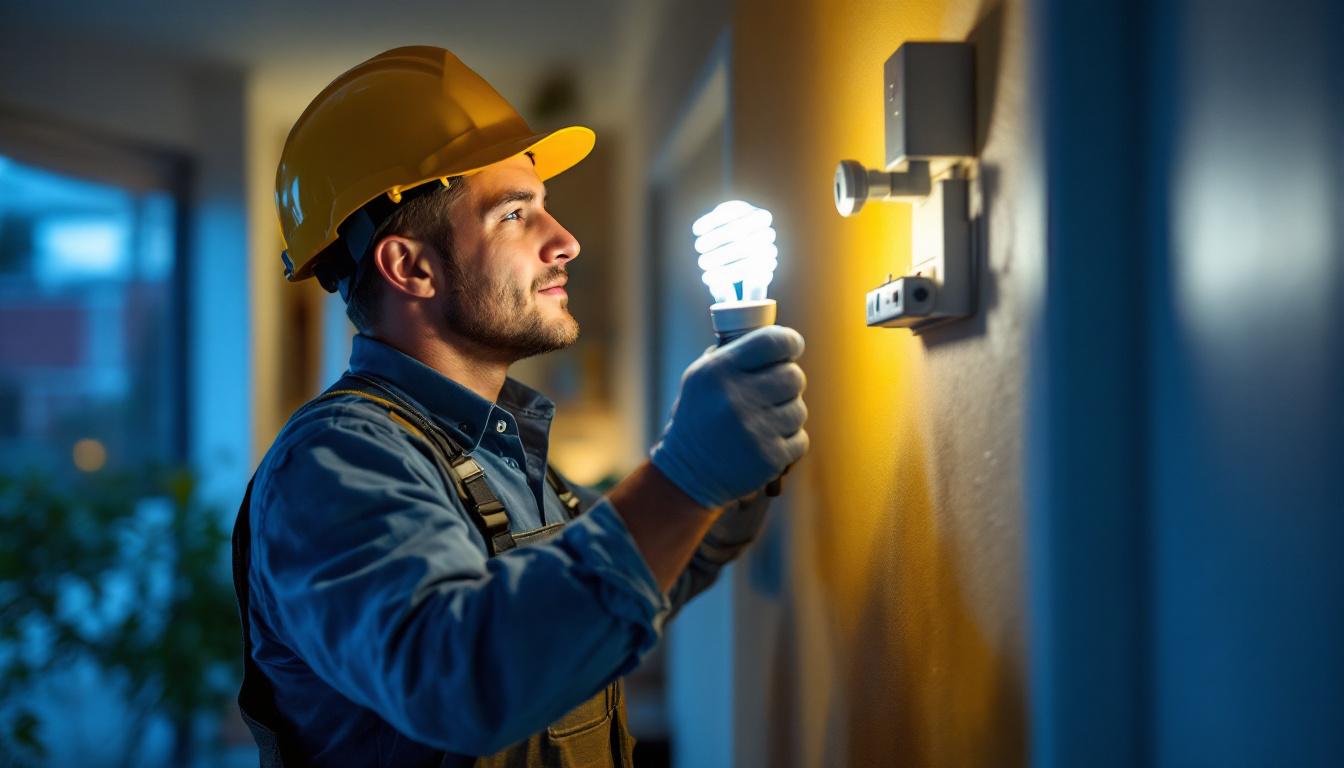
Compact Fluorescent Lamps (CFLs) have become a staple in lighting projects due to their energy efficiency and long lifespan. However, the wattage of these lamps is often misunderstood or overlooked, leading to potential inefficiencies in both installation and operation.
Wattage indicates the amount of power a lamp consumes. For lighting contractors, selecting the correct CFL wattage is critical—not just for meeting client expectations but also for optimizing energy use and reducing costs. Unlike traditional incandescent bulbs, CFLs provide more lumens per watt, meaning they deliver more light for less energy consumed. This difference can translate into significant savings over the lifespan of the lamp. For instance, a 13-watt CFL can produce the same amount of light as a 60-watt incandescent bulb, showcasing the remarkable efficiency and cost-effectiveness of CFL technology.
Choosing the right wattage also affects the compatibility with fixtures and dimmers, which can save time during installation and reduce callbacks. Understanding these nuances helps contractors avoid common pitfalls, such as installing lamps that are too bright or too dim for the space, or ones that prematurely fail due to electrical mismatches. Moreover, it is essential to consider the color temperature of the CFLs, which can range from warm white to cool daylight. This aspect not only influences the ambiance of the space but also plays a crucial role in how colors are perceived in the environment, making it an important factor in design considerations.
Additionally, the environmental impact of choosing the right CFL wattage cannot be understated. By opting for lower wattage lamps that still provide the necessary brightness, contractors contribute to reducing overall energy consumption, which in turn lowers greenhouse gas emissions associated with electricity generation. This eco-friendly approach resonates well with clients who prioritize sustainability in their projects. Furthermore, many utility companies offer incentives for using energy-efficient lighting solutions, which can further enhance the cost-effectiveness of CFL installations. By staying informed about these programs, contractors can provide added value to their clients while promoting environmentally responsible practices.
How Proper Wattage Selection Saves Time on the Job
Reducing Installation Errors
Incorrect wattage selection often leads to multiple site visits. For example, a lighting contractor might install a CFL with a wattage that exceeds the fixture’s maximum rating, causing overheating or fixture damage. This mistake requires additional troubleshooting and replacement, costing valuable time.
On the other hand, selecting a CFL with wattage too low for the intended lighting effect may prompt clients to request changes or upgrades shortly after installation. This wastes both labor hours and materials. By accurately assessing the wattage needs upfront, contractors can avoid these common issues and complete projects efficiently.
Moreover, the implications of poor wattage choices extend beyond immediate project delays. They can also tarnish a contractor’s reputation, as clients may perceive repeated errors as a lack of professionalism or expertise. This perception can lead to lost future business opportunities, as word-of-mouth recommendations are crucial in the contracting industry. By investing time in proper wattage selection, contractors not only enhance their operational efficiency but also build trust and credibility with their clients, ensuring a steady stream of referrals and repeat business.
Streamlining Inventory Management
Lighting contractors often juggle a wide range of lamp types and wattages. Keeping an organized inventory of CFL lamps with clearly understood wattage ratings simplifies ordering and stocking. When contractors know exactly which wattages are needed for different applications, they can reduce overstock and understock situations.
This clarity speeds up procurement and minimizes delays caused by waiting for specific bulbs. It also allows for bulk purchasing of the most commonly used wattages, which can lead to cost savings and faster turnaround times on projects.
Additionally, an efficient inventory management system can facilitate better relationships with suppliers. When contractors consistently order specific wattages, suppliers can anticipate demand and offer favorable pricing or priority shipping options. This not only enhances the contractor’s ability to meet project deadlines but also fosters a collaborative partnership with suppliers, which can be invaluable during peak seasons or when unexpected projects arise. As a result, having a well-organized inventory that reflects proper wattage selection can significantly contribute to a contractor’s overall operational success and customer satisfaction.
Financial Benefits of Using CFL Lamps with Optimal Wattage
Lower Energy Costs for Clients
CFLs are known for their energy efficiency, but the wattage chosen directly influences the savings realized. A lamp with unnecessarily high wattage consumes more electricity, increasing operational costs for the client. Conversely, a lamp with too low wattage may require additional fixtures or supplemental lighting, negating the energy savings.
By selecting the ideal wattage, contractors help clients reduce their energy bills without compromising on illumination quality. This balance enhances client satisfaction and builds trust, often leading to repeat business and referrals. Furthermore, as energy costs continue to rise, the importance of optimizing wattage becomes even more pronounced. Clients who see tangible savings on their utility bills are more likely to invest in energy-efficient upgrades in the future, creating a cycle of improvement that benefits both the contractor and the client.
Extending Lamp Life and Reducing Maintenance Expenses
Using the correct wattage also extends the life of CFL lamps. Lamps operating above their recommended wattage tend to overheat, which shortens their lifespan. This results in more frequent replacements and increased maintenance costs for clients.
When contractors specify and install CFLs with appropriate wattage, the lamps perform optimally, lasting longer and reducing the need for service calls. Fewer maintenance visits save contractors time and money, while clients benefit from lower ongoing expenses. Additionally, the environmental impact of reduced waste from discarded lamps cannot be overlooked. By minimizing the frequency of replacements, not only do clients save financially, but they also contribute to sustainability efforts, aligning with the growing trend of eco-conscious consumerism. This dual benefit of cost savings and environmental responsibility can be a compelling selling point for contractors when discussing the advantages of using CFLs with optimal wattage.
Choosing the Right CFL Wattage for Different Applications
Residential Lighting
In residential settings, lighting needs vary widely-from bright task lighting in kitchens to softer ambient lighting in living rooms. CFL wattage selection should reflect these differences. For instance, a 13-15 watt CFL can replace a 60-watt incandescent bulb, providing sufficient brightness for general use while saving energy.
Contractors should also consider fixture size and room dimensions to ensure the wattage matches the lighting requirements without overpowering the space. Educating clients on these options helps set realistic expectations and improves satisfaction.
Commercial and Industrial Spaces
Commercial environments often require higher lumen outputs to illuminate larger areas effectively. Here, CFL wattages ranging from 23 to 42 watts are common replacements for 100 to 150-watt incandescent bulbs. Selecting the right wattage ensures adequate lighting for safety and productivity without excessive energy consumption.
In industrial settings, durability and performance under harsh conditions are also important. Contractors should verify that CFLs with the chosen wattage are rated for the environment, such as damp or dusty locations, to prevent premature failure.
Outdoor Lighting
Outdoor applications demand CFLs that can withstand temperature fluctuations and weather exposure. Wattage selection must balance brightness with energy efficiency, especially for security or landscape lighting.
Typically, CFLs with moderate wattage (around 23 watts) are suitable for outdoor fixtures, providing ample illumination without high energy costs. Using the correct wattage reduces the risk of lamp burnout due to environmental stress, saving contractors time on replacements.
Tools and Techniques for Accurate Wattage Assessment
Utilizing Lighting Calculators and Software
Several lighting design tools help contractors calculate the appropriate wattage for a given space. These tools take into account room size, ceiling height, fixture type, and desired illumination levels to recommend optimal CFL wattage.
Using these calculators during the planning phase reduces guesswork and ensures that installations meet both client needs and energy codes. This approach minimizes costly adjustments after installation.
Measuring Existing Lighting Conditions
Before replacing or upgrading lighting, contractors should measure current illumination levels using light meters. This data helps determine whether the existing wattage is adequate or if adjustments are necessary.
Accurate measurement prevents over- or under-lighting, which can affect both energy use and occupant comfort. It also provides a baseline for demonstrating improvements to clients.
Common Challenges and How to Overcome Them
Dealing with Fixture Compatibility
Some older fixtures are not designed to handle CFLs with certain wattages. This can cause flickering, reduced lamp life, or even fixture damage. Contractors must verify fixture specifications before selecting CFL wattage.
When compatibility issues arise, solutions include recommending fixture upgrades or selecting lower-wattage CFLs that meet lighting needs without risking damage. Clear communication with clients about these options helps avoid surprises.
Addressing Client Misconceptions
Clients often equate higher wattage with better lighting, which isn’t always true with CFLs. Contractors should educate clients on how wattage relates to brightness and energy use, emphasizing that higher wattage doesn’t necessarily mean better quality.
Providing side-by-side comparisons or demonstrations can help clients make informed decisions, leading to greater satisfaction and fewer change orders.
Final Thoughts: Maximizing Efficiency Through Wattage Awareness
For lighting contractors, understanding CFL lamp wattage is more than a technical detail-it’s a key factor in delivering efficient, cost-effective lighting solutions. Proper wattage selection reduces installation errors, streamlines inventory management, and leads to satisfied clients who enjoy lower energy and maintenance costs.
Investing time in accurate wattage assessment and client education pays off with smoother projects and stronger professional reputations. In an industry where precision matters, wattage awareness is a simple yet powerful tool for success.
Illuminate Your Projects with LumenWholesale
Ready to enhance your lighting projects with the right CFL wattage and save time and money in the process? Look no further than LumenWholesale, where we provide contractors with the highest quality, spec-grade lighting products at unbeatable wholesale prices. Say goodbye to local distributor markups and hello to our extensive selection that meets rigorous industry standards. Plus, with free shipping on bulk orders, you can stock up on premium lighting solutions without worrying about hidden fees. Elevate your lighting game and give your clients the efficiency they deserve. Discover the best value in lighting today at Wholesale Lighting at the Best Value.