Understanding the Basics: Why Converting Recessed Lights to Track Lights Isn’t Always Simple
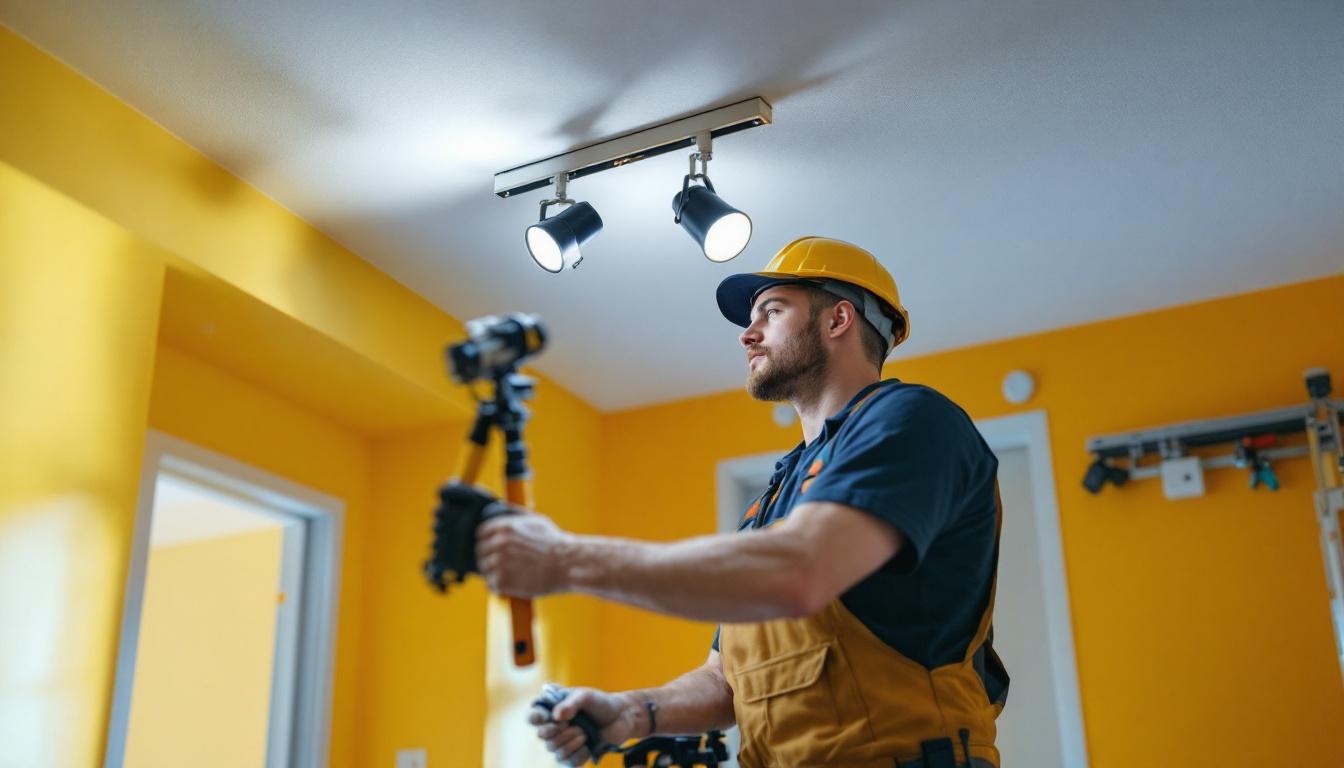
Recessed lighting and track lighting serve different purposes and come with distinct installation requirements. Recessed lights are designed to be flush with the ceiling, providing a clean, minimalist look with focused illumination. Track lights, on the other hand, offer flexibility in direction and style, allowing for adjustable spotlighting and accent lighting. Converting recessed lights to track lights might seem like a straightforward upgrade to add versatility, but it’s a task that requires careful planning and execution.
Many contractors underestimate the complexity involved. The existing electrical setup for recessed lights often doesn’t align with the needs of track lighting systems. This mismatch can lead to performance issues, safety hazards, or costly rework. Understanding the fundamental differences in wiring, mounting, and load requirements is essential before starting the conversion process.
One of the primary challenges in this conversion is the difference in power distribution. Recessed lights typically operate on a dedicated circuit, while track lights may require more power depending on the number of fixtures and their wattage. This necessitates a thorough assessment of the existing electrical panel and possibly upgrading the circuit to accommodate the new lighting system. Additionally, the physical installation of track lighting involves mounting a track securely to the ceiling, which may require additional support structures, especially in ceilings that were not originally designed for such fixtures.
Moreover, aesthetic considerations play a significant role in the decision-making process. Track lighting comes in various styles, colors, and finishes, allowing homeowners to customize their lighting to match their interior design. However, this variety can also complicate the selection process, as the chosen track must not only fit the existing space but also complement the overall decor. The placement of track lights can dramatically alter the ambiance of a room, making it crucial to plan their positioning carefully to achieve the desired effect. This may involve experimenting with different layouts to find the perfect balance of light and shadow, ensuring that the final result enhances the room’s functionality and aesthetic appeal.
Common Mistake #1: Ignoring Electrical Load and Circuit Capacity
Why Circuit Capacity Matters
Recessed lights typically use low-wattage bulbs, often LED, which draw minimal power. Track lighting systems, especially those with multiple fixtures, can demand significantly more wattage. A common error is assuming the existing circuit can handle the increased load without checking the circuit breaker rating or the wiring gauge.
Overloading a circuit can cause breakers to trip frequently or, worse, create fire hazards. Lighting contractors must calculate the total wattage of the new track lights and compare it against the circuit’s capacity. This involves reviewing the breaker panel and verifying wire gauge compatibility. If the circuit is inadequate, upgrading it or running a new dedicated circuit is necessary. Additionally, it’s essential to consider the cumulative load of all devices on the circuit, as even seemingly minor appliances can add up quickly, pushing the circuit beyond its safe limits.
Understanding the specifics of electrical load is crucial. For instance, different types of lighting fixtures can have varying power requirements, and the wattage rating of bulbs can differ significantly even within the same category. For example, while an LED bulb may only draw 10 watts, a halogen bulb of similar brightness could use up to 50 watts. Therefore, it’s vital to keep track of the types of bulbs being used and their respective wattages when planning a lighting installation. This level of detail not only ensures safety but also optimizes the performance and longevity of the lighting system.
Practical Tip
Always use a clamp meter or circuit analyzer to measure current load before installation. This step helps prevent surprises and ensures compliance with electrical codes. Moreover, documenting the existing load and any changes made can be beneficial for future upgrades or troubleshooting, providing a clear picture of the electrical system’s capacity and performance over time.
Common Mistake #2: Overlooking Mounting and Structural Support Requirements
Track Lighting Needs a Secure Mount
Recessed lights are supported by the ceiling structure and housed within a fixture can, but track lighting requires a rigid mounting surface. Contractors sometimes attempt to attach track rails directly to drywall or ceiling tiles without reinforcing the area. This leads to sagging tracks, loose fixtures, or even detachment over time. The weight of the track lighting fixtures, combined with the potential for movement when adjusting the lights, can create significant stress on improperly mounted systems.
Proper installation often involves installing a mounting plate or attaching the track to ceiling joists or furring strips. This ensures the track can support the weight of multiple fixtures and withstand adjustments without damage. Additionally, using appropriate anchors and screws designed for the specific ceiling type can further enhance the stability of the installation. It’s crucial to consider the overall design of the lighting layout, as the placement of fixtures can also impact the structural integrity if not planned correctly.
Structural Challenges in Older Buildings
Older homes or commercial spaces may have ceilings that are not designed to support additional loads. In these cases, contractors must assess the ceiling structure carefully and may need to install additional framing or backing to provide the necessary support. This assessment might include checking for signs of wear or damage in the existing structure, such as cracks in the drywall or sagging beams, which can indicate that the ceiling is already under strain.
Moreover, the materials used in older buildings can vary significantly from modern construction, often requiring specialized knowledge to ensure compatibility with contemporary lighting systems. For instance, plaster ceilings may require different mounting techniques compared to drywall. In some cases, it may be beneficial to consult with a structural engineer to determine the best approach for reinforcing the ceiling. This proactive measure can prevent future issues and ensure that the track lighting not only looks great but also functions safely and effectively for years to come.
Common Mistake #3: Neglecting Compatibility Between Track Systems and Existing Wiring
Track Systems Are Not One-Size-Fits-All
Track lighting comes in various types: H, J, L, and others, each with unique track profiles and electrical configurations. Contractors often assume any track system will integrate seamlessly with the existing wiring from recessed lights. This assumption can lead to mismatched connectors, improper voltage delivery, or non-functional fixtures.
Additionally, some track systems require specific transformers or drivers, especially low-voltage options. Using incompatible components can cause flickering, reduced lifespan, or complete failure of the lighting system.
Ensuring Proper Component Matching
Before purchasing track lighting components, verify the system type and voltage requirements. Consult manufacturer specifications and, if necessary, contact technical support to confirm compatibility with the existing electrical infrastructure.
Common Mistake #4: Failing to Plan for Lighting Layout and Functionality
Track Lighting Offers Flexibility-Use It Wisely
One of the main advantages of track lighting is its adjustability. However, contractors sometimes install tracks without considering the intended lighting zones or focal points. Simply replacing recessed lights with a linear track can result in uneven illumination or insufficient coverage.
Effective lighting design involves mapping out the room’s usage, identifying key areas to highlight, and planning fixture placement accordingly. This planning ensures that the track lighting enhances the space rather than detracts from it.
Balancing Aesthetics and Practicality
Track lighting should complement the room’s design and meet functional needs. For example, in retail environments, spotlighting merchandise is crucial, while in residential settings, ambient and task lighting balance is key. Contractors should collaborate with clients to understand their goals and tailor the lighting layout to achieve them.
Common Mistake #5: Overlooking Code Compliance and Safety Standards
Electrical Codes Are Non-Negotiable
Electrical codes exist to protect property and lives. Contractors sometimes cut corners by ignoring local code requirements when converting recessed lights to track lights. This includes improper wiring methods, lack of proper grounding, or using non-listed components.
Failure to adhere to codes can result in failed inspections, liability issues, and increased risk of electrical fires. It’s critical to stay updated on the National Electrical Code (NEC) and any local amendments that affect lighting installations.
Documenting and Inspecting Work
Maintaining thorough documentation of the installation process and scheduling inspections helps ensure compliance. It also builds client trust and reduces the chance of costly rework.
Common Mistake #6: Underestimating the Importance of Dimming and Control Integration
Track Lights Often Require Specialized Controls
Dimming recessed LEDs is usually straightforward, but track lighting systems may need compatible dimmers or control modules. Contractors sometimes install track lights without verifying that the existing dimmer switches will function correctly, leading to flickering or limited dimming range.
Modern track lighting often integrates with smart controls, allowing for scene setting and remote operation. Ignoring these options can leave clients with outdated or inconvenient lighting systems.
Planning for Future-Proofing
Incorporating compatible dimmers and control systems during installation adds value and enhances user experience. Contractors should discuss control preferences with clients upfront and select components accordingly.
Common Mistake #7: Neglecting Energy Efficiency and Heat Management
Heat Dissipation Is Crucial
Track lighting fixtures, especially halogen or incandescent types, generate significant heat. Contractors sometimes fail to consider heat buildup, which can damage ceiling materials or reduce fixture lifespan. Recessed cans often have built-in heat management features that track lighting lacks.
Choosing LED track fixtures helps mitigate heat issues, but proper spacing and ventilation remain important. Overcrowding fixtures on a single track can lead to overheating.
Energy Efficiency Impacts Long-Term Costs
Clients increasingly demand energy-efficient solutions. Contractors should recommend LED track lighting and energy-saving controls to reduce operational costs and environmental impact.
Final Thoughts: How to Avoid These Mistakes and Deliver Quality Track Lighting Conversions
Converting recessed lights to track lights is more than swapping fixtures. It requires a comprehensive approach that addresses electrical load, structural support, system compatibility, lighting design, code compliance, control integration, and energy considerations.
Contractors who take the time to plan thoroughly, communicate clearly with clients, and adhere to best practices can avoid common pitfalls. This not only ensures a safe and functional lighting system but also enhances client satisfaction and professional reputation.
Investing in proper training, utilizing manufacturer resources, and staying current with industry standards makes all the difference. The result is a seamless conversion that transforms spaces with versatile, effective track lighting.
Upgrade Your Lighting Projects with LumenWholesale
Ready to elevate your lighting conversions with the best products on the market? At LumenWholesale, we provide contractors with the high-quality, spec-grade lighting solutions you need to avoid common pitfalls and exceed client expectations. Our competitive wholesale pricing, backed by an extensive selection of industry-standard products, ensures you can deliver exceptional track lighting conversions without breaking the bank. Plus, with the convenience of free shipping on bulk orders, you can stock up on premium lighting essentials effortlessly. Don’t compromise on quality or value—choose LumenWholesale for Wholesale Lighting at the Best Value and make your next project shine.