Understanding LED Lighting Fundamentals
LED lighting has revolutionized the way homes are illuminated, offering a blend of energy efficiency, longevity, and design flexibility that traditional lighting technologies struggle to match. For lighting contractors, mastering the fundamentals of LED technology is essential to delivering installations that maximize performance and client satisfaction.
At its core, an LED (Light Emitting Diode) produces light through electroluminescence, where electrons recombine with holes within a semiconductor, releasing energy in the form of photons. This process is inherently more efficient than incandescent or fluorescent lighting, which rely on heating filaments or exciting gases, respectively. The result is less wasted energy and a cooler operating temperature.
Efficiency in LED lighting is often measured in lumens per watt (lm/W), indicating how much visible light is produced for each watt of electrical power consumed. Modern LED products commonly achieve 80 to 150 lm/W, significantly outperforming incandescent bulbs that average around 15 lm/W. Recognizing these metrics helps contractors recommend the right products to clients aiming to reduce energy consumption without compromising brightness.
In addition to energy efficiency, LED technology offers remarkable longevity. An LED bulb can last anywhere from 15,000 to 50,000 hours, depending on usage and quality, compared to the 1,000 hours typical of incandescent bulbs. This extended lifespan not only reduces the frequency of replacements but also minimizes waste, making LEDs a more sustainable choice. Furthermore, advancements in LED technology have led to the development of smart lighting solutions, which can be controlled remotely and programmed for various settings, enhancing both convenience and energy savings for homeowners.
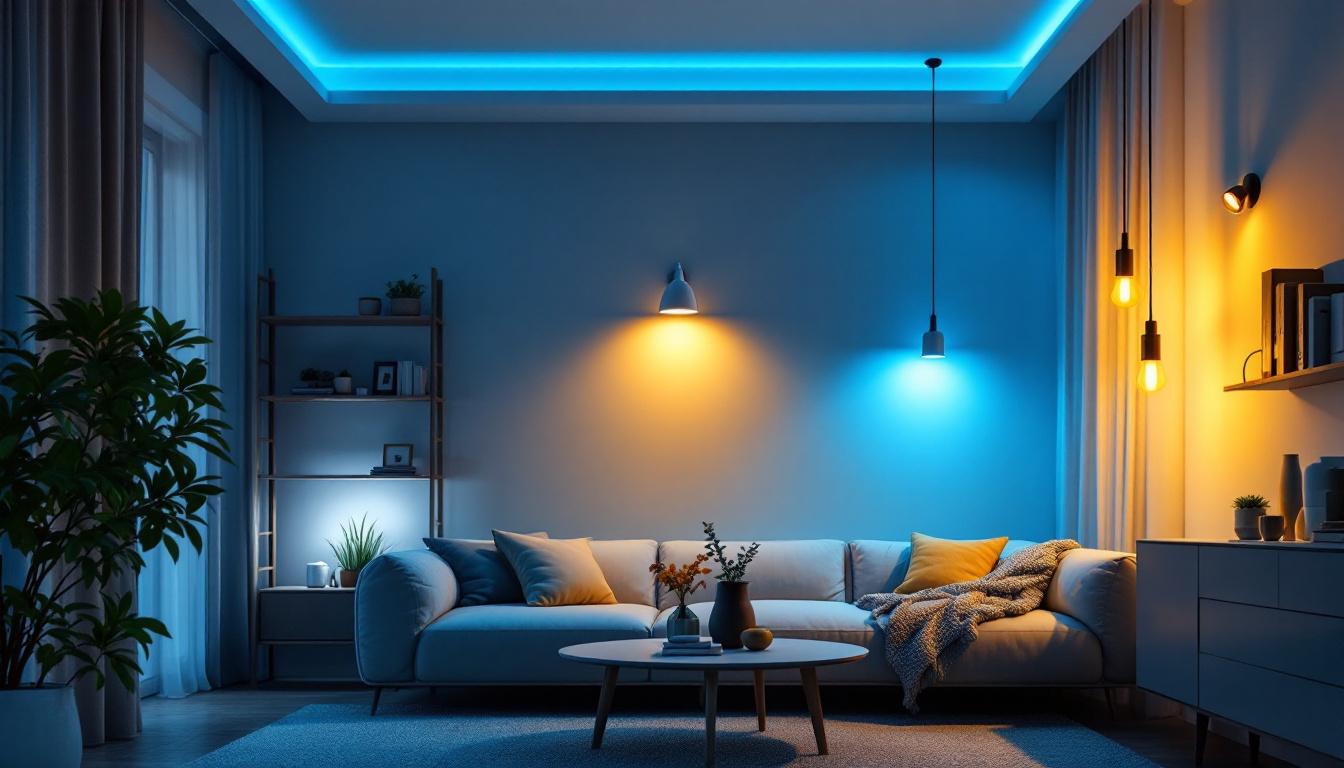
Moreover, the versatility of LED lighting extends beyond mere functionality. With a wide range of color temperatures available—from warm whites that mimic traditional bulbs to cool whites that enhance productivity—contractors can tailor lighting solutions to fit the specific ambiance and purpose of each space. This adaptability is particularly beneficial in commercial settings, where different areas may require distinct lighting conditions to optimize workflow and comfort. As the demand for customized lighting solutions continues to grow, staying informed about the latest trends and innovations in LED technology will empower contractors to meet and exceed client expectations.
Choosing the Right LED Fixtures for Home Installations
Assessing the Application and Environment
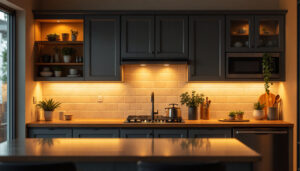
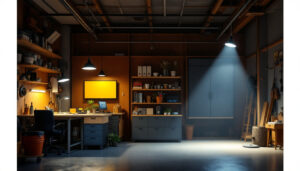
Not all LED fixtures are created equal. Selecting the appropriate fixture depends on the room’s function, ambient lighting needs, and architectural features. For instance, kitchens and workspaces benefit from bright, cool-white LEDs that enhance visibility and color accuracy, while living rooms and bedrooms often call for warmer tones that create a relaxing atmosphere. The color temperature of the LEDs, measured in Kelvin, plays a significant role in setting the mood; cooler temperatures (above 4000K) are ideal for task-oriented spaces, whereas warmer temperatures (below 3000K) are preferred for cozy, intimate settings.
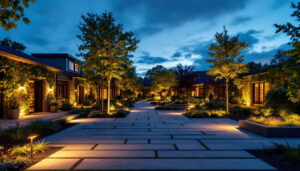
Environmental factors such as humidity, temperature, and exposure to dust or moisture also influence fixture choice. Outdoor or bathroom installations require fixtures with suitable IP (Ingress Protection) ratings to prevent damage and maintain safety. For example, IP65-rated fixtures are dust-tight and protected against water jets, making them perfect for outdoor patios or damp bathroom environments. Lighting contractors must evaluate these conditions thoroughly before specifying products. Additionally, considering energy efficiency and longevity is crucial; LED fixtures not only reduce energy consumption but also have a longer lifespan compared to traditional lighting options, leading to lower maintenance costs over time.
Fixture Design and Beam Angle
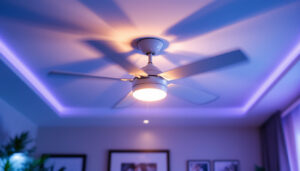
Fixture design impacts both aesthetics and light distribution. Recessed downlights, track lighting, and surface-mounted fixtures each serve different purposes and suit various interior styles. Recessed fixtures offer a sleek, unobtrusive look that blends seamlessly into ceilings, making them ideal for modern and minimalist designs. In contrast, track lighting provides versatility, allowing homeowners to adjust the direction of the light to highlight specific areas or objects. Beam angle, the spread of light emitted, is critical for achieving uniform illumination or accentuating specific areas. Narrow beam angles (15-30 degrees) focus light on artwork or architectural details, while wide angles (60-120 degrees) provide general room lighting. Understanding the interplay between fixture design and beam angle ensures that the lighting not only complements the decor but also enhances functionality.
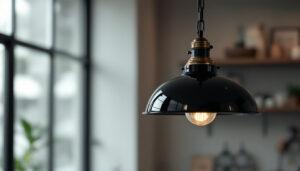
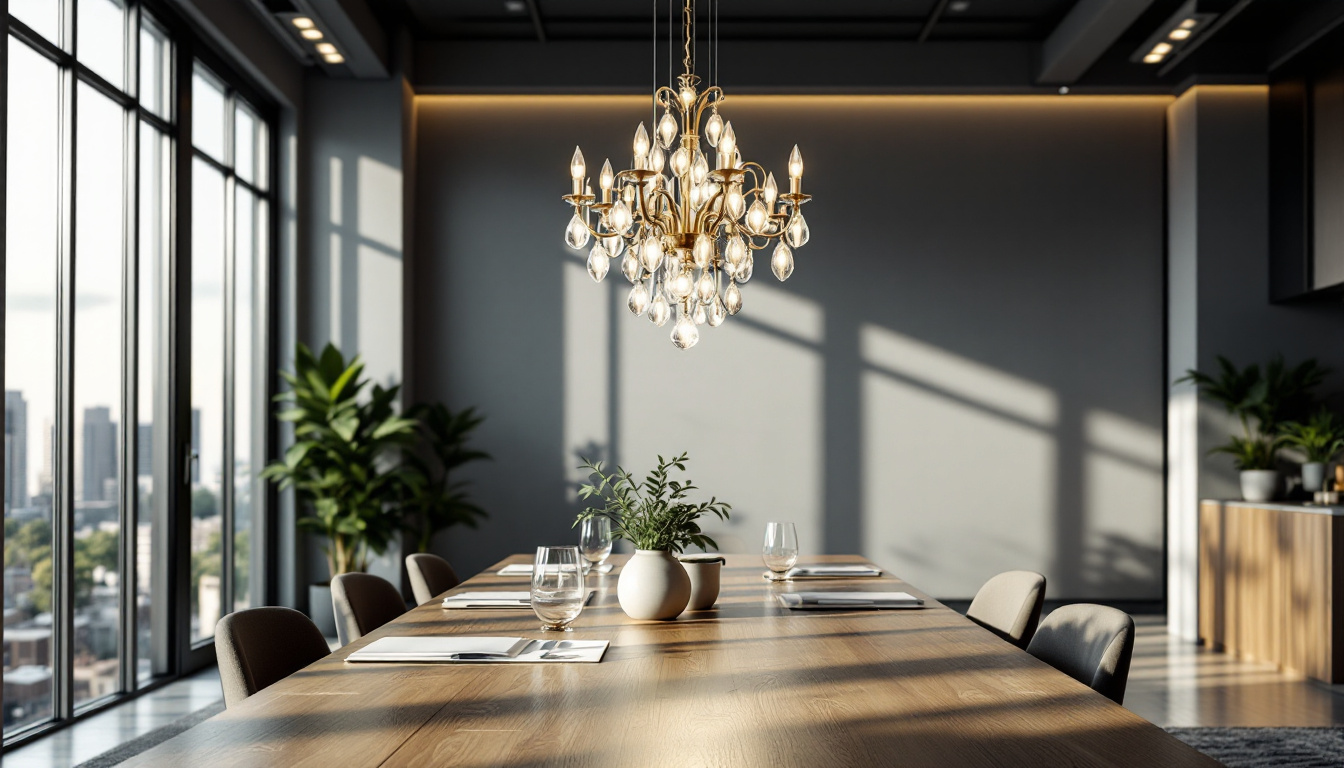
Moreover, the choice of materials and finishes for fixtures can significantly influence the overall aesthetic of a space. Fixtures made from metals like brushed nickel or matte black can add a contemporary edge, while those crafted from wood or glass can introduce warmth and texture. It’s also essential to consider dimmability; fixtures that can be dimmed allow for greater flexibility in adjusting the ambiance according to different activities or times of day. This adaptability is particularly beneficial in multi-functional spaces, where the lighting needs may shift throughout the day. By thoughtfully selecting both the design and technical specifications of LED fixtures, homeowners can create a harmonious balance between style and practicality.
Optimizing LED Lighting Layouts for Efficiency
Strategic Placement and Layering
Efficiency isn’t just about the bulb – it’s about how light is distributed throughout a space. A well-planned lighting layout minimizes shadows, reduces the number of fixtures needed, and enhances the overall ambiance. Layering light by combining ambient, task, and accent lighting creates depth and functionality.
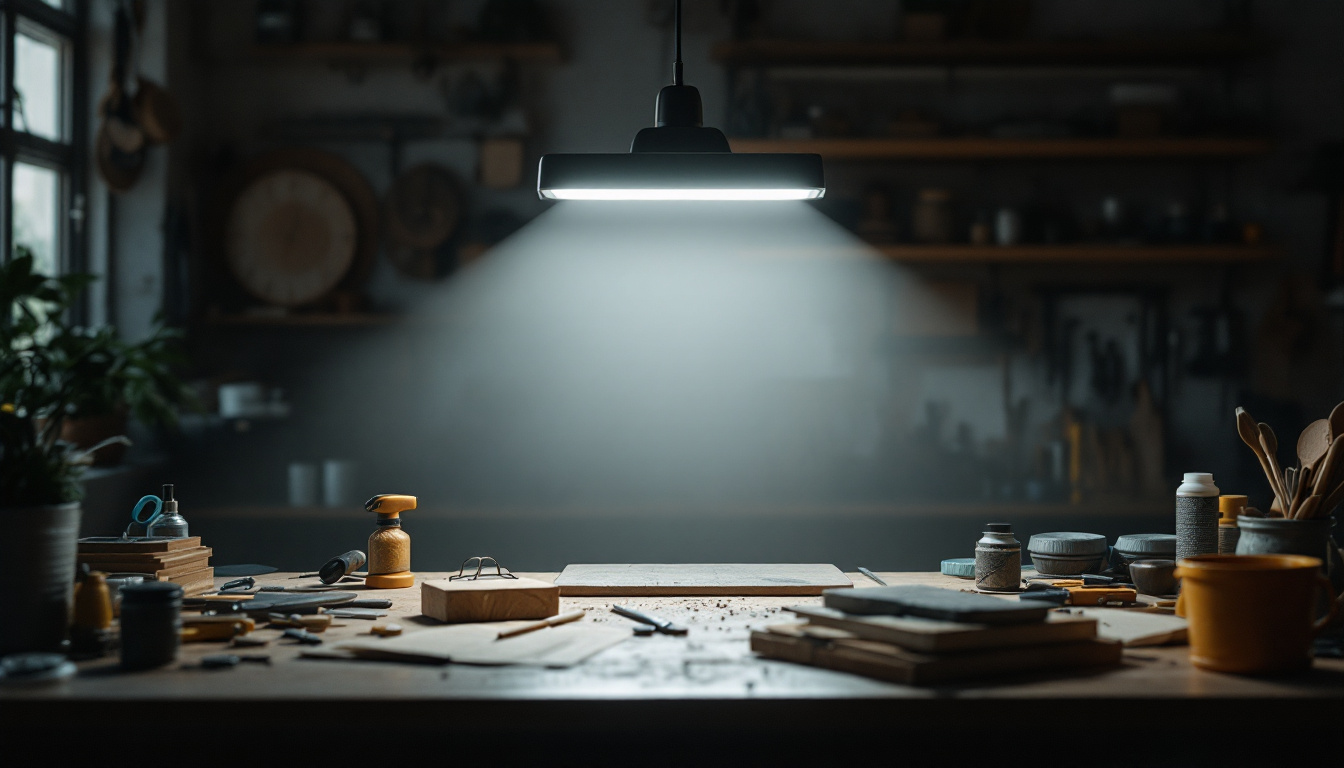
For example, ambient lighting provides general illumination, task lighting focuses on specific activities like reading or cooking, and accent lighting highlights architectural features or décor. Properly balancing these layers ensures that no area is overlit or underlit, which can waste energy or reduce comfort.
Using Controls and Sensors
Integrating dimmers, occupancy sensors, and daylight harvesting systems can dramatically improve energy efficiency. Dimmers allow users to adjust brightness to their needs, reducing power consumption when full illumination isn’t necessary. Occupancy sensors automatically turn lights off in unoccupied rooms, eliminating wasted energy. Daylight sensors adjust artificial lighting based on natural light availability, maintaining consistent illumination while conserving electricity.
Maximizing LED Lifespan and Performance
Proper Installation and Heat Management
Heat is the enemy of LED longevity. Even though LEDs generate less heat than traditional bulbs, the heat they do produce must be effectively dissipated. Lighting contractors should ensure fixtures have adequate heat sinks and are installed in locations that allow airflow. Overheating can reduce LED lifespan and cause color shifts or flickering.
Using quality drivers and power supplies also contributes to stable performance. Low-quality components may cause voltage fluctuations that stress LEDs, leading to premature failure. Selecting reputable manufacturers and verifying product specifications is a critical step.
Regular Maintenance and Inspection
Though LEDs require less maintenance than other lighting types, periodic inspection is beneficial. Dust accumulation on fixtures can reduce light output, and loose connections may cause flickering or outages. Advising clients on simple maintenance routines helps sustain optimal lighting conditions and extends system life.
Energy Savings and Environmental Impact
Quantifying Energy Reduction
Switching from incandescent or halogen bulbs to LED lighting can reduce household lighting energy consumption by up to 80%. For contractors, presenting clients with clear data on potential savings strengthens the case for LED upgrades. For example, a typical 60-watt incandescent bulb replaced by a 10-watt LED bulb delivering equivalent brightness saves approximately 50 watts per hour of use.
Over time, these savings translate into lower utility bills and reduced carbon emissions. Lighting contractors can leverage these benefits to appeal to environmentally conscious homeowners and those seeking long-term cost reductions.
Recycling and Disposal Considerations
LEDs contain electronic components that require responsible disposal. Unlike fluorescent lamps, LEDs do not contain mercury, but they still should not be discarded with regular household waste. Lighting contractors can guide clients toward local recycling programs that handle electronic waste, ensuring compliance with environmental regulations and supporting sustainability efforts.
Emerging Trends and Technologies in Home LED Lighting
Smart Lighting Integration
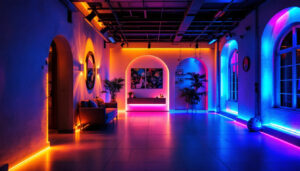
Smart home technology has become increasingly popular, and LED lighting is at the forefront of this trend. Integration with voice assistants, mobile apps, and automation systems allows users to customize lighting scenes, schedules, and colors with ease. For contractors, offering smart LED solutions adds value and meets growing consumer demand for convenience and personalization.
Human-Centric Lighting
Human-centric lighting focuses on adjusting color temperature and intensity throughout the day to support natural circadian rhythms. Cooler, brighter light in the morning promotes alertness, while warmer, dimmer light in the evening encourages relaxation. Implementing these systems can improve occupant well-being and productivity, making it an attractive feature for modern homes.
Advances in LED Efficiency and Design
Ongoing innovations continue to push LED efficiency higher while reducing costs. New chip designs, phosphor materials, and driver technologies enable brighter light with less energy. Additionally, flexible and ultra-thin LED panels expand design possibilities, allowing contractors to create unique lighting solutions tailored to client preferences.
Practical Tips for Lighting Contractors
- Conduct thorough site assessments: Understand client needs, room usage, and environmental conditions before specifying LED products.
- Prioritize quality over cost: Invest in reputable brands and components to ensure reliability and customer satisfaction.
- Educate clients: Explain the benefits of LED lighting, including energy savings, lifespan, and smart features.
- Plan for future upgrades: Design wiring and control systems that allow easy integration of new technologies.
- Document lighting layouts and specifications: Maintain clear records to support maintenance and troubleshooting.
Conclusion
Optimizing home LED lighting for maximum efficiency requires a comprehensive approach that balances technology, design, and user needs. Lighting contractors who understand the nuances of LED performance, fixture selection, layout planning, and emerging trends can deliver superior results that enhance comfort, reduce energy costs, and support sustainability goals. By staying informed and applying best practices, contractors position themselves as trusted experts in the evolving world of residential lighting.
Illuminate Your Projects with LumenWholesale
Ready to elevate your lighting installations to new heights of efficiency and design? LumenWholesale is here to support your journey. As a contractor, you deserve access to the finest spec-grade lighting products without the burden of inflated costs. Our commitment to quality, affordability, and convenience ensures that you can procure premium lighting solutions at wholesale prices, backed by the ease of free shipping. Don’t let middleman markups dim your project’s potential. Choose LumenWholesale for your next project and experience the seamless integration of excellence and value. Discover our extensive selection and take advantage of the best value in wholesale lighting by visiting Wholesale Lighting at the Best Value today.