Introduction to Electrical Power Cords in Lighting Applications
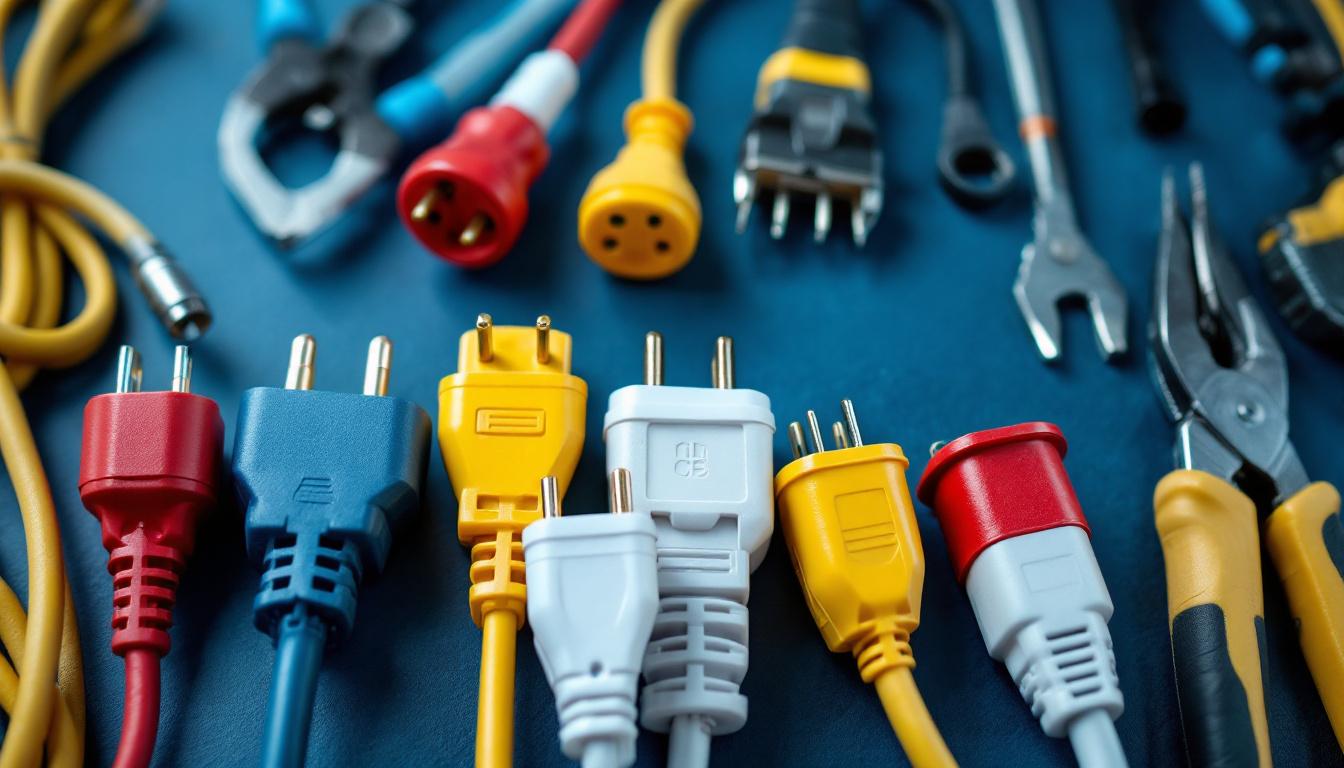
For lighting contractors, the choice and understanding of electrical power cords are fundamental to ensuring safe, efficient, and reliable installations. Power cords are more than just conduits for electricity; they are engineered components designed to handle specific electrical loads, environmental conditions, and mechanical stresses. Grasping the science behind these cords can significantly impact the quality of lighting projects and the safety of both contractors and end-users.
In this article, we delve into the core principles that govern electrical power cords, focusing on their construction, electrical properties, and practical considerations tailored for lighting professionals. This knowledge empowers contractors to make informed decisions, avoid common pitfalls, and comply with industry standards.
Understanding the construction of power cords is crucial, as they typically consist of multiple components, including conductors, insulation, and protective sheathing. The conductors, often made from copper or aluminum, are responsible for carrying the electrical current, while the insulation material, which can vary from PVC to rubber, provides necessary protection against electrical shocks and environmental factors. Additionally, the outer sheath is designed to withstand mechanical wear and tear, making it suitable for various applications, from indoor installations to outdoor setups that may be exposed to moisture and UV radiation. This layered design not only enhances safety but also ensures longevity, reducing the need for frequent replacements and maintenance.
Another vital aspect to consider is the electrical properties of power cords, including their ampacity, voltage rating, and resistance. Ampacity refers to the maximum amount of electric current a cord can safely carry without overheating, which is critical in preventing electrical fires. Voltage ratings indicate the maximum voltage the cord can handle, ensuring compatibility with the lighting systems being used. Furthermore, the resistance of the conductors affects the efficiency of power delivery; higher resistance can lead to energy loss in the form of heat, which can compromise performance and increase operational costs. By understanding these properties, contractors can select the appropriate cords that not only meet the demands of their specific lighting projects but also enhance overall energy efficiency and safety.
Understanding the Construction and Materials of Power Cords
Core Components: Conductors, Insulation, and Sheathing
At the heart of every power cord lies the conductor, typically made from copper or aluminum. Copper is preferred in lighting applications due to its excellent electrical conductivity and flexibility. The conductor’s gauge, or thickness, directly influences the cord’s current-carrying capacity and voltage drop characteristics.
Surrounding the conductor is insulation, which prevents electrical leakage and protects against short circuits. Common insulating materials include polyvinyl chloride (PVC), thermoplastic elastomers (TPE), and rubber compounds. Each material offers different levels of heat resistance, flexibility, and durability, which must be matched to the lighting fixture’s operating environment.
The outer sheath provides mechanical protection against abrasion, moisture, chemicals, and UV exposure. For outdoor lighting installations, cords with weather-resistant sheathing are essential to prevent degradation and ensure longevity.
Wire Gauge and Ampacity: Balancing Safety and Performance
Wire gauge is a critical specification that determines the maximum current a cord can safely carry without overheating. The American Wire Gauge (AWG) system is commonly used, where a smaller gauge number indicates a thicker wire capable of handling higher currents.
For example, a 14 AWG cord is typically rated for 15 amps, whereas a 12 AWG cord can handle up to 20 amps. Using an undersized gauge for a lighting circuit can lead to excessive heat buildup, posing fire hazards and equipment damage. Conversely, oversizing the wire increases material costs and reduces flexibility.
Lighting contractors must evaluate the total load of the lighting fixtures connected to the cord and select a wire gauge that complies with the National Electrical Code (NEC) and local regulations.
Electrical Properties and Their Impact on Lighting Installations
Voltage Drop and Its Effects on Lighting Performance
Voltage drop occurs when electrical current flows through a conductor, causing a reduction in voltage at the load end compared to the supply. This phenomenon is influenced by the conductor’s resistance, length of the cord, and the current passing through it.
Excessive voltage drop can result in dimmer lights, flickering, or even damage to sensitive lighting components such as LEDs and electronic ballasts. Lighting contractors should calculate the expected voltage drop, especially for long cable runs, to ensure the voltage remains within acceptable limits—typically no more than 3% for branch circuits.
Mitigating voltage drop may involve selecting a thicker wire gauge, shortening the cord length, or using higher voltage supply systems where feasible.
Resistance, Conductivity, and Heat Generation
The resistance of the conductor material directly affects how much electrical energy is converted into heat. Copper’s low resistance makes it ideal for power cords, minimizing energy loss and heat generation.
However, even copper wires generate some heat under load. If the insulation or sheathing material cannot withstand the resulting temperature, it may degrade, leading to insulation failure and potential electrical hazards.
Lighting contractors should consider the thermal ratings of power cords, especially in installations where cords may be bundled, enclosed, or exposed to elevated ambient temperatures.
Choosing the Right Power Cord for Lighting Contractors
Environmental Considerations: Indoor vs. Outdoor Use
Lighting installations vary widely in environmental conditions. Indoor lighting typically requires cords with standard insulation and sheathing, while outdoor or industrial environments demand cords rated for moisture, UV exposure, chemical resistance, and mechanical stress.
For instance, cords used in landscape lighting or architectural façade illumination must resist water ingress and sunlight degradation. Using inappropriate cords can lead to premature failure, increased maintenance costs, and safety risks.
Flexibility and Mechanical Durability
Lighting contractors often need cords that can withstand frequent handling, bending, and movement during installation and maintenance. Flexible cords with stranded conductors and elastomeric insulation materials are preferred in these scenarios.
Additionally, cords with reinforced sheathing or abrasion-resistant jackets are beneficial in high-traffic areas or where cords may be dragged across rough surfaces.
Compliance with Standards and Certifications
Adherence to electrical codes and industry standards is non-negotiable for lighting contractors. Power cords should carry certifications from recognized bodies such as Underwriters Laboratories (UL), Canadian Standards Association (CSA), or equivalent authorities.
These certifications ensure that the cords have been tested for safety, performance, and environmental resilience. Contractors should verify that the cord’s ratings align with the specific requirements of their lighting projects, including voltage, current, temperature, and environmental conditions.
Installation Best Practices for Electrical Power Cords
Proper Sizing and Routing
Accurate sizing of power cords based on load calculations and voltage drop assessments is the first step in a safe installation. Once the correct cord is selected, careful routing is essential to avoid mechanical damage and electrical interference.
Cords should be secured to prevent movement, avoid sharp bends, and be kept away from heat sources or chemicals. In commercial lighting installations, cords may need to be run through conduits or cable trays to meet code requirements and enhance protection.
Connection Techniques and Termination
Secure and reliable connections are vital to prevent arcing, overheating, and voltage loss. Lighting contractors should use appropriate connectors, terminals, and strain reliefs designed for the specific cord type and application.
Proper stripping of insulation without damaging conductors, tight screw or crimp connections, and the use of insulating covers contribute to long-term reliability. Additionally, grounding conductors must be correctly connected to ensure safety.
Testing and Verification
After installation, testing the power cord and circuit is crucial. Contractors should use multimeters to verify continuity, resistance, and correct polarity. Insulation resistance testers can detect potential weaknesses or damage in the insulation.
Furthermore, functional testing of the lighting fixtures under load conditions helps confirm that voltage drop and current flow are within expected parameters.
Common Challenges and Troubleshooting Tips
Identifying and Addressing Voltage Drop Issues
When lighting appears dim or inconsistent, voltage drop is often the culprit. Contractors can measure voltage at the fixture and compare it to the supply voltage to diagnose the problem.
Solutions may include upgrading to thicker gauge cords, reducing cable length, or redistributing loads across multiple circuits to balance current draw.
Dealing with Cord Damage and Wear
Physical damage such as cuts, abrasions, or crushed cords can compromise safety and performance. Regular inspection and preventive maintenance are key to identifying issues before failure occurs.
Damaged cords should be replaced promptly with cords meeting the original specifications. Temporary repairs using tape or splices are generally discouraged due to safety risks.
Managing Heat-Related Failures
Overheating can result from undersized cords, poor ventilation, or high ambient temperatures. Contractors should monitor temperature ratings and consider derating cords when used in challenging environments.
Installing thermal protection devices or using cords with higher temperature ratings can mitigate heat-related failures.
Emerging Trends and Innovations in Power Cord Technology
Advancements in Materials and Design
New insulating and sheathing materials are enhancing the durability and environmental resistance of power cords. For example, thermoplastic polyurethane (TPU) offers superior abrasion resistance and flexibility, making it ideal for demanding lighting applications.
Additionally, innovations in conductor technology, such as silver-plated copper or tinned copper, improve conductivity and corrosion resistance, extending cord lifespan in harsh conditions.
Smart Power Cords and Integration with Lighting Controls
The rise of smart lighting systems has led to the development of power cords integrated with sensors and communication capabilities. These cords can monitor current flow, temperature, and even detect faults, providing real-time data to contractors and facility managers.
Such technologies enable predictive maintenance, energy optimization, and enhanced safety, aligning with the growing demand for intelligent building solutions.
Conclusion: Empowering Lighting Contractors Through Knowledge
Electrical power cords are critical components in lighting installations, influencing safety, performance, and longevity. For lighting contractors, understanding the science behind power cords—from materials and electrical properties to installation best practices—is essential for delivering high-quality projects.
By selecting the right cords, adhering to standards, and employing meticulous installation techniques, contractors can ensure their lighting systems operate efficiently and safely under a variety of conditions. Staying informed about emerging technologies further positions contractors to meet evolving industry demands and client expectations.
Get Your Premium Lighting Supplies at LumenWholesale
Ready to elevate your lighting projects with the highest quality power cords and lighting accessories? Look no further than LumenWholesale, where we provide contractors with spec-grade lighting products at unbeatable wholesale prices. Our commitment to cutting out the middleman means you enjoy superior products without the inflated markups, and our extensive selection is designed to meet the most rigorous industry standards. With free shipping on bulk orders, LumenWholesale is your go-to source for reliable, high-performance lighting solutions that promise quality, affordability, and convenience. Don’t compromise on your lighting installations—Wholesale Lighting at the Best Value is just a click away.