Understanding Floodlight Fixtures: Fundamentals and Applications
Floodlight fixtures are a cornerstone of outdoor lighting, offering broad, intense illumination that enhances visibility and safety across various environments. For lighting contractors, mastering the nuances of floodlight technology is essential to delivering effective, energy-efficient, and aesthetically pleasing solutions. These fixtures are widely utilized in commercial, industrial, sports, and residential settings, each demanding tailored approaches to fixture selection and installation.
At their core, floodlights are designed to project a wide beam angle, typically ranging from 25 to 120 degrees, to cover large areas uniformly. This broad coverage distinguishes them from spotlights, which focus on narrow, concentrated beams. The versatility of floodlights makes them indispensable for applications such as parking lots, building facades, stadiums, and security perimeters.
Key Types of Floodlight Fixtures
Lighting contractors should be familiar with several primary types of floodlight fixtures, each with distinct benefits and ideal use cases:
- LED Floodlights: Known for their energy efficiency, long lifespan, and low maintenance, LED floodlights have become the industry standard. They offer superior color rendering and instant-on capabilities, which are critical for security and commercial applications.
- Metal Halide Floodlights: These provide high-intensity, bright white light with excellent color rendering, making them suitable for sports arenas and large outdoor events. However, they consume more energy and require warm-up time.
- Halogen Floodlights: Offering bright light at a lower upfront cost, halogen fixtures are often used in residential or temporary setups but are less energy-efficient and have shorter lifespans.
- High-Pressure Sodium (HPS) Floodlights: Characterized by their yellow-orange glow, HPS lights are commonly used in street lighting and industrial sites due to their high efficiency and long life, though their color rendering is limited.
When selecting floodlight fixtures, lighting contractors must also consider factors such as lumen output, color temperature, and beam spread. Lumen output indicates the brightness of the light, while color temperature affects the ambiance of the illuminated space, with warmer tones creating a cozy atmosphere and cooler tones promoting alertness. Additionally, the beam spread can be adjusted through the use of different lenses or reflectors, allowing for customized lighting solutions that cater to specific project requirements.
Furthermore, the mounting options for floodlights are diverse, ranging from pole-mounted to wall-mounted installations, each serving unique purposes. For instance, pole-mounted floodlights are often employed in parking lots and sports fields, providing elevated illumination that minimizes shadows and enhances safety. In contrast, wall-mounted floodlights can accentuate architectural features of buildings while also providing security lighting. The choice of mounting method can significantly impact the effectiveness of the lighting design, making it a crucial consideration for contractors aiming to optimize performance and aesthetics.
Energy Efficiency and Environmental Considerations
One of the most significant trends shaping floodlight fixture selection is the growing emphasis on energy efficiency and sustainability. Lighting contractors must balance performance with environmental impact to meet client expectations and comply with increasingly stringent regulations. With the rise of eco-conscious consumers and businesses, the demand for sustainable lighting solutions has never been higher. This shift is not just about compliance; it reflects a broader societal commitment to reducing environmental footprints and embracing renewable energy sources.
LED technology has revolutionized this aspect by dramatically reducing energy consumption—often by up to 70% compared to traditional metal halide or halogen floodlights. This reduction not only lowers operating costs but also contributes to reducing carbon footprints. Additionally, LEDs generate less heat, which enhances safety and minimizes the risk of damage to surrounding materials. The longevity of LED fixtures, often exceeding 25,000 hours, means less frequent replacements, further decreasing waste and resource consumption. As a result, businesses can enjoy significant savings over time, making the initial investment in LED technology increasingly attractive.
Incorporating Smart Controls
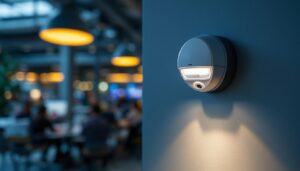
Modern floodlighting systems often integrate smart controls such as motion sensors, timers, and dimmers. These features optimize energy use by activating lights only when necessary and adjusting brightness based on ambient conditions. For example, motion-activated floodlights enhance security while conserving power during periods of inactivity. The integration of smart technology not only improves energy efficiency but also allows for more sophisticated lighting designs that can adapt to various scenarios, such as events or seasonal changes.
Lighting contractors should advise clients on the benefits of these technologies, which can extend fixture lifespan and provide data for maintenance planning. Furthermore, smart controls align with green building certifications and can qualify projects for energy rebates. By leveraging data analytics, facility managers can gain insights into usage patterns, enabling them to make informed decisions about lighting schedules and energy consumption. This proactive approach not only enhances operational efficiency but also fosters a culture of sustainability within organizations, encouraging them to adopt further eco-friendly practices across their operations.
Installation Best Practices and Safety Protocols
Proper installation is critical to the performance and longevity of floodlight fixtures. Lighting contractors must adhere to industry standards and safety protocols to ensure that installations are secure, compliant, and effective.
Key considerations during installation include mounting height, aiming angles, and fixture spacing. For instance, mounting floodlights too low can cause glare and reduce coverage, while improper aiming may create dark spots or light trespass onto neighboring properties. Calculating optimal spacing and beam overlap ensures uniform illumination. It is also important to consider the type of floodlight being installed, as different technologies—such as LED, halogen, or metal halide—offer varying levels of brightness and energy efficiency, which can impact the overall design and functionality of the lighting scheme.
Electrical and Structural Safety
Floodlight installations often involve high-wattage fixtures and outdoor environments, necessitating robust electrical safety measures. Contractors should use weatherproof fixtures and wiring rated for outdoor use, and ensure connections are protected against moisture ingress. Ground fault circuit interrupters (GFCIs) are essential for preventing electrical hazards. Furthermore, it is advisable to conduct a thorough risk assessment before installation, identifying potential electrical hazards and ensuring that all safety gear is utilized during the process. This includes wearing insulated gloves and using tools designed for electrical work to minimize the risk of accidents.
Additionally, structural integrity must be verified, especially when mounting on poles, walls, or rooftops. Fixtures should be securely anchored to withstand wind loads and environmental stressors. Regular inspection and maintenance schedules help identify and address potential issues before failures occur. It is also beneficial to document the installation process, including photographs and detailed notes, which can serve as a reference for future maintenance or upgrades. This documentation not only aids in troubleshooting but also enhances communication with clients regarding the installation’s specifications and any necessary follow-up actions. Proper training for installation teams on safety protocols and equipment handling can further mitigate risks and ensure a successful installation process.
Design Considerations: Balancing Functionality and Aesthetics
While floodlights primarily serve functional purposes, their impact on the visual environment should not be underestimated. Lighting contractors play a pivotal role in harmonizing illumination with architectural and landscape design. The integration of floodlights into a space can enhance not only safety and security but also the aesthetic appeal of the surroundings. Thoughtful placement and design of floodlighting can accentuate architectural features, highlight landscaping, and create a welcoming atmosphere that draws people in.
Choosing the right color temperature is crucial; cooler temperatures (5000K–6500K) are often preferred for security and industrial applications due to their crisp, daylight-like quality, while warmer temperatures (2700K–3500K) can create inviting atmospheres for residential or hospitality settings. Furthermore, the choice of color temperature can influence mood and behavior; for instance, warmer lights are known to promote relaxation and comfort, making them ideal for outdoor dining areas or patios, whereas cooler lights can enhance alertness and focus, making them suitable for work environments or public spaces.
Mitigating Light Pollution
Light pollution is a growing concern, particularly in urban areas. Excessive or poorly directed floodlighting can cause glare, skyglow, and light trespass, negatively affecting human health and wildlife. Contractors should employ fixtures with appropriate shielding and beam control to minimize these effects. The implementation of smart lighting solutions, such as motion sensors and timers, can further reduce unnecessary light usage, ensuring that illumination is only present when needed and thus minimizing its environmental impact.
Using full cutoff or cutoff-rated fixtures directs light downward, reducing upward light spill. Additionally, specifying fixtures with adjustable aiming mechanisms allows for precise targeting of illumination zones, further mitigating unwanted light dispersion. This precision not only enhances the effectiveness of the lighting design but also contributes to energy efficiency, as it ensures that light is concentrated where it is most needed. By adopting a more strategic approach to floodlighting, contractors can create environments that are both functional and visually pleasing, while also being mindful of their ecological footprint.
Emerging Technologies and Future Trends
The floodlighting industry continues to evolve rapidly, driven by advances in materials, electronics, and control systems. Staying informed about emerging technologies enables lighting contractors to offer cutting-edge solutions that meet client demands for efficiency, flexibility, and sustainability.
Advancements in LED and Optical Design
Recent improvements in LED chip technology and optics have enhanced lumen output and beam uniformity while reducing fixture size and weight. High-performance lenses and reflectors enable more precise beam shaping, allowing contractors to tailor lighting patterns to complex site requirements.
Moreover, innovations in thermal management extend LED lifespan and maintain consistent light output over time, which is critical for long-term reliability.
Integration with IoT and Building Management Systems
Integration of floodlight fixtures with Internet of Things (IoT) platforms and building management systems (BMS) is becoming increasingly common. This connectivity facilitates real-time monitoring, remote control, and predictive maintenance, improving operational efficiency.
For contractors, offering solutions compatible with these systems can differentiate their services and provide added value to clients seeking smart infrastructure.
Conclusion: Expertise and Adaptability Define Success
Floodlight fixtures are more than just powerful light sources; they are critical components of comprehensive lighting strategies that enhance safety, functionality, and aesthetics. Lighting contractors who cultivate deep technical knowledge, embrace energy-efficient technologies, and prioritize thoughtful design will excel in this competitive field.
By understanding the diverse types of floodlights, adhering to best installation practices, and staying abreast of emerging trends, contractors can deliver solutions that meet the evolving needs of their clients while contributing to sustainable and responsible lighting environments.
Illuminate Your Projects with LumenWholesale
Ready to elevate your lighting projects with the finest floodlight fixtures on the market? Look no further than LumenWholesale, where we specialize in providing contractors with high-quality, specification-grade lighting solutions at unbeatable wholesale prices. Say goodbye to local distributor markups and hello to a vast selection of industry-standard, reliable lighting that will make every installation shine. With the added benefits of free shipping and bulk buying convenience, LumenWholesale is your go-to source for premium lighting at the best value. Don’t compromise on quality or cost—Wholesale Lighting at the Best Value is just a click away.