Introduction: The Growing Demand for Outdoor Solar Flood Lights
As the lighting industry continues to evolve, outdoor lighting solutions have seen significant innovation, especially in the realm of energy efficiency and sustainability. Solar flood lights have emerged as a popular choice for outdoor illumination, offering a renewable energy alternative that reduces operational costs and environmental impact. For lighting contractors, understanding the nuances of solar flood lights compared to traditional and other alternative lighting options is crucial for delivering optimal solutions to clients.
With increasing emphasis on green building practices and energy codes, solar-powered outdoor lighting is not just a trend but a practical necessity in many projects. This article explores the advantages and limitations of solar flood lights, compares them with alternatives such as LED flood lights powered by the grid or generators, and provides guidance on what lighting contractors should consider when selecting the best outdoor lighting solutions.
One of the most appealing aspects of solar flood lights is their versatility. They can be installed in a variety of settings, from residential backyards to commercial parking lots, without the need for extensive wiring or electrical infrastructure. This not only simplifies the installation process but also allows for greater flexibility in design and placement. Additionally, advancements in solar technology have led to improved battery storage capabilities, enabling these lights to operate efficiently even on cloudy days or during the night, thus extending their usability beyond just sunny conditions.
Furthermore, the aesthetic appeal of solar flood lights has also improved significantly. Modern designs incorporate sleek, contemporary styles that can enhance the visual appeal of outdoor spaces. Many models now come equipped with motion sensors and dimming features, allowing for customized lighting solutions that can adapt to specific needs and preferences. This level of customization not only improves security by illuminating areas when movement is detected but also contributes to energy savings, as lights can dim or turn off when not needed. As the demand for smarter and more efficient outdoor lighting solutions continues to grow, solar flood lights are poised to play a pivotal role in shaping the future of outdoor illumination.
Understanding Solar Flood Lights: Technology and Benefits
How Solar Flood Lights Work
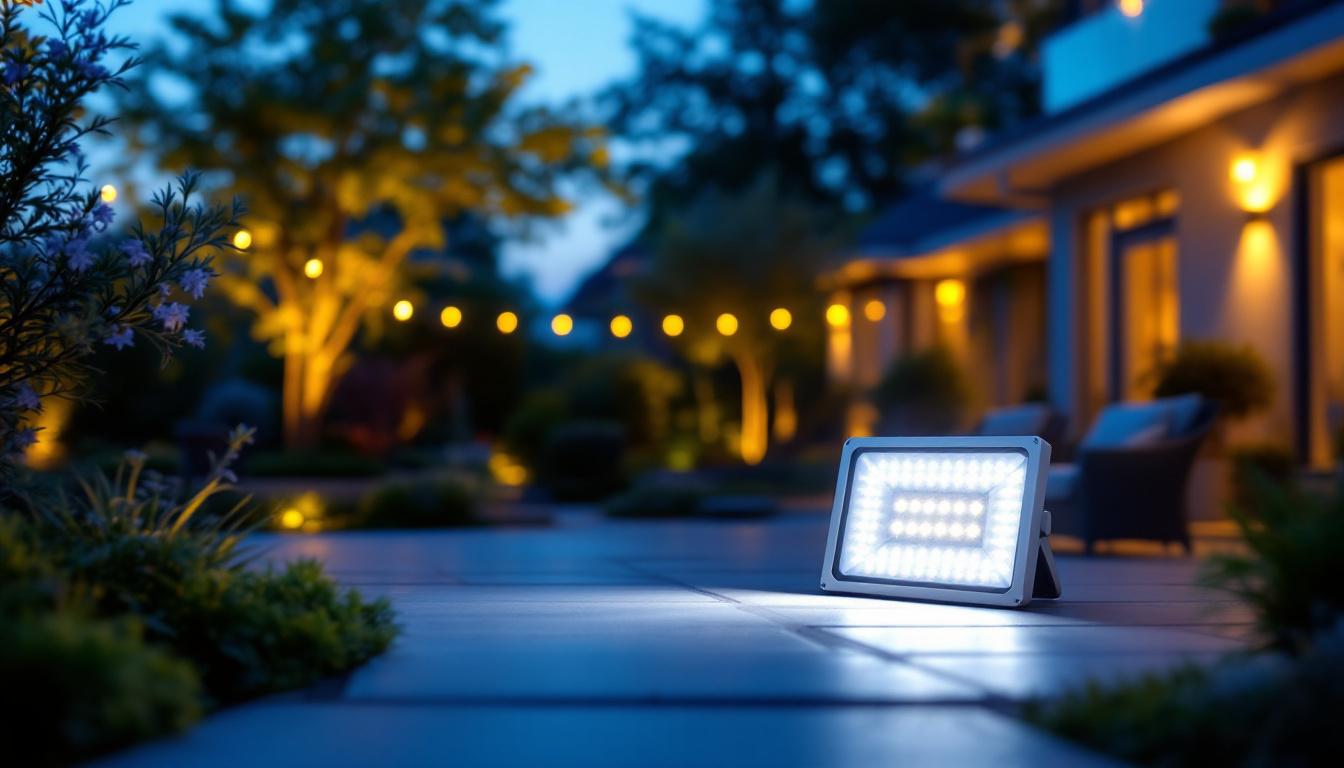
Solar flood lights operate by harnessing sunlight through photovoltaic (PV) panels, converting solar energy into electrical energy stored in rechargeable batteries. This stored energy powers the LED flood light during nighttime hours or low-light conditions. Modern solar flood lights often incorporate motion sensors, dusk-to-dawn sensors, and adjustable brightness settings to maximize energy efficiency and functionality.
The integration of high-efficiency monocrystalline or polycrystalline solar panels has significantly improved energy capture, while advances in lithium-ion battery technology have extended operational life and reduced maintenance requirements. Furthermore, many solar flood lights are equipped with smart technology that allows for remote control via mobile apps, enabling users to adjust settings and monitor performance from anywhere. This blend of technology not only enhances user convenience but also allows for real-time energy management, optimizing the light’s performance based on environmental conditions.
Key Benefits for Outdoor Applications
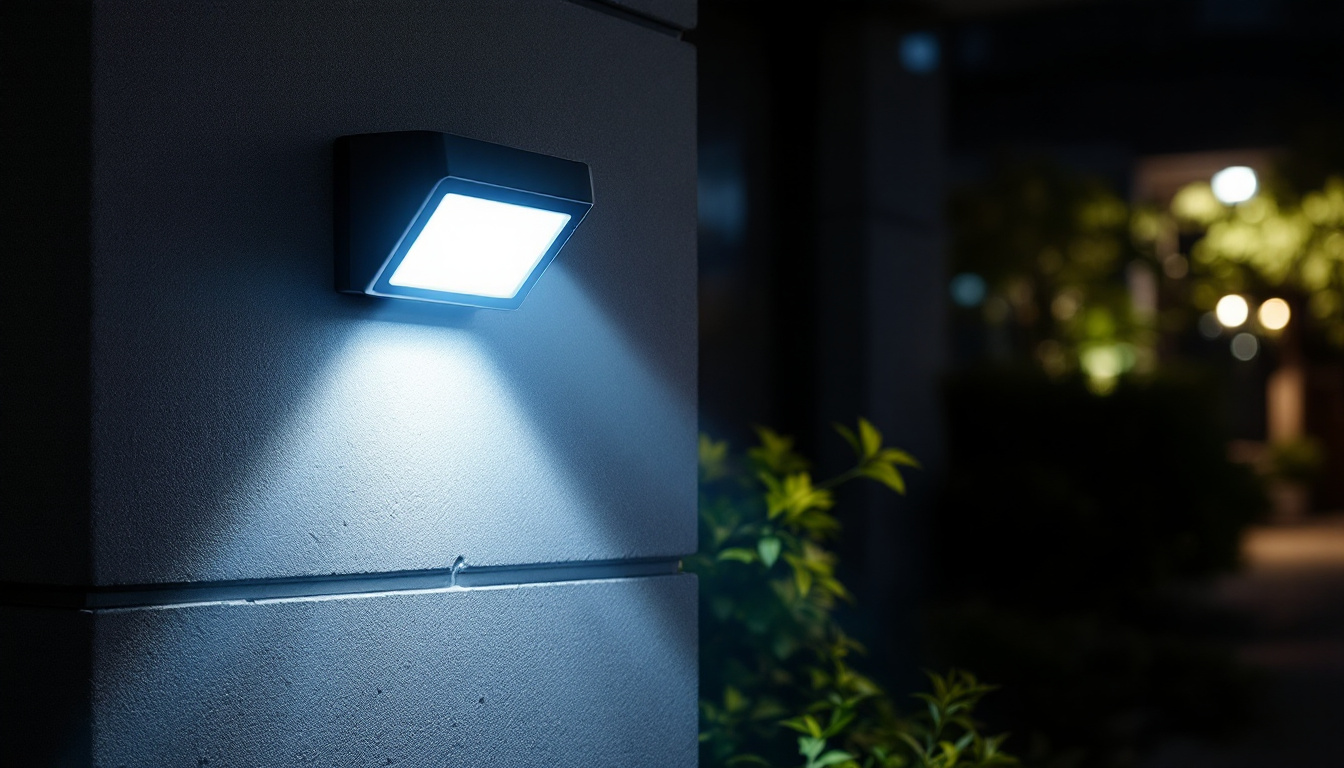
One of the primary advantages of solar flood lights is their independence from the electrical grid, which simplifies installation and reduces upfront wiring costs. This makes them ideal for remote locations, temporary setups, or areas where trenching or electrical work is impractical or costly. They can be easily mounted on poles, walls, or even trees, providing versatile lighting solutions for various outdoor spaces.
Additionally, solar flood lights contribute to sustainability goals by utilizing renewable energy, reducing carbon footprints, and lowering electricity bills. Their low voltage operation enhances safety, and many models offer weatherproof and vandal-resistant designs suitable for harsh outdoor environments. Beyond their practical applications, solar flood lights can also enhance the aesthetic appeal of outdoor spaces. With options available in various designs and brightness levels, they can illuminate gardens, pathways, and recreational areas, creating inviting atmospheres for gatherings or simply enhancing nighttime visibility. Moreover, the ability to install these lights in areas without existing electrical infrastructure opens up new possibilities for security and safety in previously underserved locations, making communities safer and more accessible after dark.
Comparing Solar Flood Lights with Traditional Alternatives
Grid-Powered LED Flood Lights
Grid-powered LED flood lights have long been the standard for outdoor lighting due to their reliability and consistent performance. They offer high lumen output and can be integrated with advanced control systems for dimming, scheduling, and remote management.
However, these systems require electrical wiring, which can increase installation time and costs, especially in areas lacking existing infrastructure. Additionally, ongoing electricity costs and potential vulnerability to power outages are considerations contractors must weigh. The installation process often necessitates permits and adherence to local electrical codes, which can further complicate the timeline and budget. Moreover, the reliance on the grid means that these lights are not always available in remote locations, limiting their versatility.
Generator-Powered Flood Lights
In certain applications, especially temporary or emergency lighting, generator-powered flood lights provide a portable and powerful lighting solution. While they offer high brightness and flexibility, they come with drawbacks such as noise, fuel costs, maintenance, and environmental concerns related to emissions.
For contractors working on construction sites or events, generators may be a necessary but less sustainable option compared to solar solutions. The noise generated by these units can be disruptive, particularly in residential areas or during nighttime events. Additionally, fuel availability can be a concern, especially in remote locations where access to refueling stations may be limited. As regulations around emissions become stricter, the use of generator-powered lights may face increased scrutiny, pushing contractors to seek out more eco-friendly alternatives.
Battery-Powered and Hybrid Systems
Battery-powered flood lights without solar integration rely on replaceable or rechargeable batteries charged via the grid. These can be useful for short-term or mobile applications but involve recurring battery replacement costs and environmental waste considerations.
Hybrid systems that combine solar panels with grid backup aim to offer the best of both worlds, ensuring lighting reliability while maximizing renewable energy use. These systems are more complex and may require sophisticated control systems and higher initial investment. However, they provide a sustainable solution that can significantly reduce long-term operational costs. By harnessing solar energy during the day, these systems can operate independently of the grid at night, making them ideal for off-grid applications or areas with unreliable electricity supply. Furthermore, as technology advances, the efficiency of solar panels and battery storage continues to improve, making hybrid systems an increasingly attractive option for contractors looking to balance performance with environmental responsibility.
Key Factors Lighting Contractors Should Consider When Choosing Outdoor Flood Lights
Site Conditions and Installation Constraints
Understanding the physical and environmental conditions of the installation site is essential. Solar flood lights require adequate sunlight exposure, so shaded areas or locations with limited daylight hours may not be suitable. Contractors should assess panel orientation, potential obstructions, and local weather patterns.
For sites with existing electrical infrastructure, grid-powered options might be more straightforward, whereas remote or off-grid locations benefit from solar solutions.
Lighting Performance and Specifications
Contractors must evaluate lumen output, beam angle, color temperature, and color rendering index (CRI) to ensure the lighting meets the functional and aesthetic requirements of the project. Solar flood lights have improved significantly in brightness but may still lag behind some high-powered grid-connected LEDs in lumen output.
Motion sensors and programmable settings can enhance energy efficiency and user experience, allowing lights to operate only when needed.
Durability and Maintenance
Outdoor lighting fixtures must withstand exposure to rain, wind, dust, and temperature extremes. Solar flood lights with IP65 or higher ratings are generally recommended. Lithium-ion batteries typically last several years but will eventually require replacement, which should be factored into maintenance planning.
Contractors should select products from reputable manufacturers offering warranties and support to minimize long-term issues.
Cost Considerations and Return on Investment
While solar flood lights often have higher upfront costs compared to conventional options, the elimination of wiring and reduced operational expenses can lead to attractive long-term savings. Contractors should provide clients with a total cost of ownership analysis, including installation, energy savings, and maintenance.
Incentives and rebates for renewable energy installations may also offset initial expenses, making solar flood lights more financially viable.
Case Studies and Industry Trends
Successful Solar Flood Light Installations
Several municipalities and commercial properties have adopted solar flood lighting for parking lots, parks, and security lighting with positive outcomes. For example, a city park installation using solar flood lights reduced electricity consumption by over 70%, while enhancing safety and visibility.
Contractors involved in these projects report simplified installation processes and high client satisfaction due to the sustainability benefits and cost savings.
Emerging Technologies and Innovations
Advancements in smart lighting controls, such as IoT integration and adaptive lighting systems, are increasingly being incorporated into solar flood lights. These technologies enable remote monitoring, predictive maintenance, and dynamic lighting adjustments based on occupancy or ambient conditions.
Additionally, improvements in battery chemistry and solar panel efficiency continue to expand the applicability of solar flood lights across diverse outdoor environments.
Conclusion: Making the Right Choice for Outdoor Flood Lighting
For lighting contractors, selecting the best outdoor flood lighting solution requires balancing performance, cost, sustainability, and site-specific factors. Solar flood lights offer compelling advantages in energy savings, ease of installation, and environmental impact, particularly for off-grid or remote locations.
However, understanding their limitations and comparing them with traditional grid-powered or hybrid alternatives ensures that contractors can recommend the most effective and reliable lighting solutions tailored to their clients’ needs. Staying informed about technological advances and industry trends will further empower contractors to deliver innovative and sustainable outdoor lighting projects.
Illuminate Your Projects with LumenWholesale
Ready to elevate your lighting projects with the best solar flood lights and more? At LumenWholesale, we specialize in providing lighting contractors with high-quality, specification-grade lighting products at unbeatable wholesale prices. Our extensive selection is designed to meet the highest industry standards, ensuring you deliver reliable and high-performance lighting solutions for every project. Take advantage of our hassle-free bulk buying options with free shipping and no hidden fees. Choose LumenWholesale for the perfect blend of quality, affordability, and convenience. Discover our premium lighting solutions and secure the best value for your lighting needs by visiting Wholesale Lighting at the Best Value today.