Understanding the Advantages of 4 Foot LED Light Strips
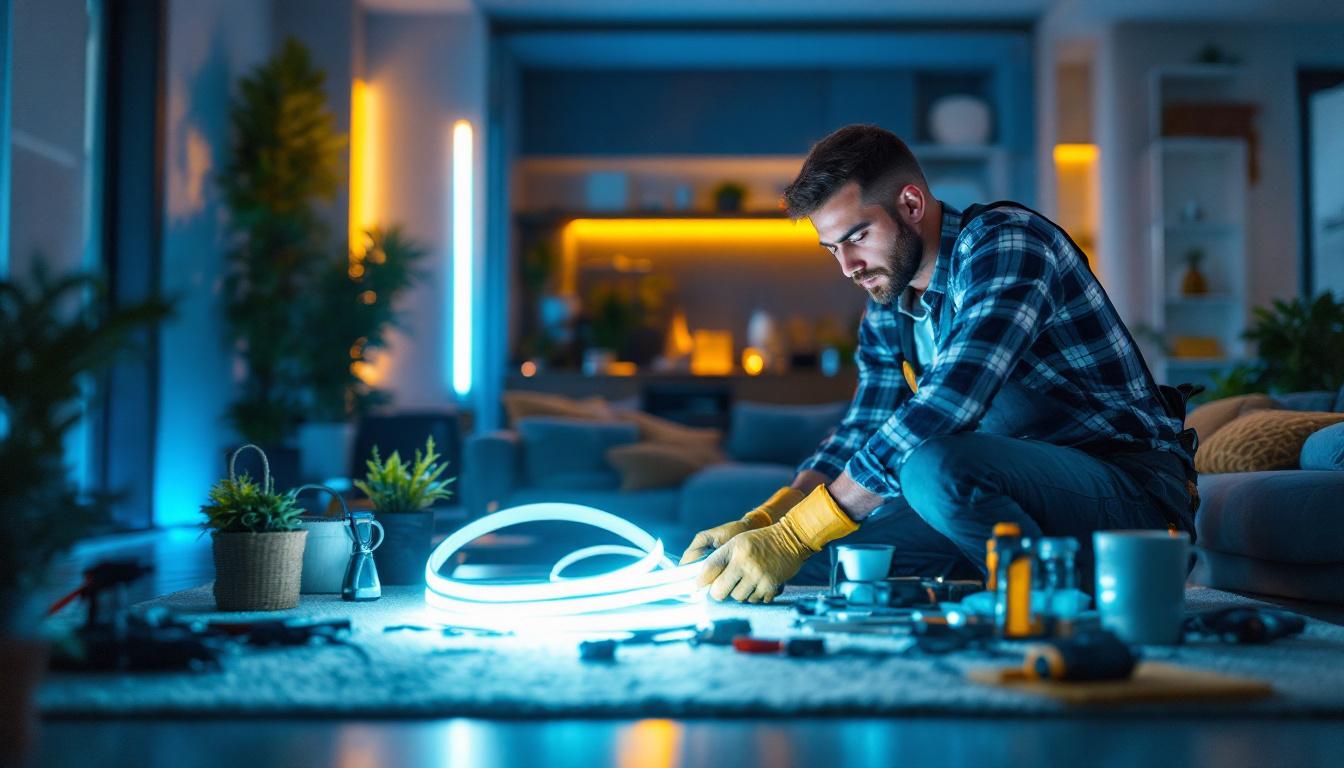
For lighting contractors, selecting the right LED light strip length can significantly impact both installation efficiency and client satisfaction. Among the various options, 4 foot LED light strips have emerged as a popular choice due to their balanced size, versatility, and ease of handling.
These strips provide a practical middle ground between shorter segments that require more connections and longer strips that can be cumbersome to install and manage. The 4 foot length is especially advantageous in commercial and residential projects where consistent, linear illumination is desired without excessive wiring complexity.
In addition to their size benefits, 4 foot LED light strips often come with standardized connectors and mounting options, streamlining the installation process. Their modular nature allows contractors to customize lighting layouts with fewer cuts and joins, reducing potential points of failure and improving overall system reliability.
Energy Efficiency and Cost Savings
LED technology inherently offers superior energy efficiency compared to traditional lighting solutions. When using 4 foot LED light strips, contractors can highlight the energy savings to clients as a compelling selling point. These strips consume significantly less power while providing equivalent or better illumination levels, which translates to lower operating costs and reduced environmental impact.
Moreover, the long lifespan of LED strips minimizes maintenance and replacement expenses. Lighting contractors can leverage these benefits to justify upfront costs and build trust with clients seeking sustainable lighting solutions.
In addition to energy efficiency, the adaptability of 4 foot LED light strips allows them to be used in a variety of applications, from accent lighting in homes to task lighting in commercial spaces. Their ability to be cut to size and configured in various shapes means that they can fit into tight spaces or be used to create unique lighting designs, enhancing the aesthetic appeal of any environment. This versatility not only meets the diverse needs of clients but also opens up opportunities for contractors to showcase their creativity and expertise in lighting design.
Furthermore, many 4 foot LED light strips come equipped with advanced features such as dimming capabilities and color temperature adjustments. These functionalities enable users to create the perfect ambiance for any occasion, whether it’s a cozy dinner at home or a vibrant atmosphere for a retail store. By educating clients on these features, contractors can further enhance the value proposition of their lighting solutions, ensuring that they not only meet functional requirements but also elevate the overall experience of the space.
Installation Best Practices for 4 Foot LED Light Strips
Proper installation is critical to maximizing the performance and longevity of 4 foot LED light strips. Lighting contractors should adhere to several best practices to ensure optimal results and client satisfaction.
Surface Preparation and Mounting
Before mounting the LED strips, it is essential to prepare the surface thoroughly. Clean, dry, and smooth surfaces facilitate strong adhesion, particularly when using self-adhesive backing commonly found on LED strips. For uneven or porous surfaces, additional mounting hardware such as clips or channels may be necessary to secure the strips firmly.
Aluminum channels not only provide mechanical support but also serve as heat sinks, enhancing thermal management and extending the lifespan of the LEDs. Lighting contractors should consider incorporating these channels in installations where heat dissipation is a concern or where a premium finish is desired. Additionally, the choice of channel can influence the overall aesthetic of the installation, with options available in various finishes and styles that can complement the surrounding decor. Using diffusers in conjunction with these channels can also help to soften the light output, reducing glare and creating a more inviting atmosphere.
Electrical Connections and Safety Considerations
Ensuring safe and reliable electrical connections is paramount. Contractors should use connectors and wiring rated for the specific LED strip model and installation environment. Proper polarity must be maintained to avoid damage to the LEDs.
It is also advisable to incorporate overcurrent protection devices such as fuses or circuit breakers to safeguard the system. When working in damp or outdoor environments, selecting waterproof LED strips and connectors with appropriate IP ratings is crucial to prevent electrical hazards and product failure. Moreover, it is beneficial to plan the electrical layout in advance, considering the total wattage of the LED strips to prevent overloading circuits. This foresight can help avoid potential issues during installation and ensure that the lighting system operates efficiently from the start. Additionally, labeling wires and connections can simplify future maintenance or upgrades, making it easier for contractors or clients to troubleshoot any issues that may arise down the line.
Customization and Control Options
Modern 4 foot LED light strips often come with a variety of customization and control features that enhance their functionality and appeal to end-users.
Color Temperature and Color Rendering
Lighting contractors should consider the color temperature of LED strips to match the ambiance and purpose of the space. Options typically range from warm white (around 2700K) to cool white (up to 6500K), with some strips offering tunable white capabilities for dynamic adjustment.
High color rendering index (CRI) LED strips are preferred in settings where accurate color representation is important, such as retail displays or art galleries. Contractors can advise clients on selecting strips with appropriate CRI values to enhance visual comfort and presentation. Additionally, the ability to adjust color temperature can significantly impact mood and productivity; for instance, cooler temperatures are often associated with increased alertness, making them ideal for workspaces, while warmer tones create a cozy atmosphere, perfect for residential settings.
Smart Controls and Integration
Integration with smart home or building automation systems is increasingly sought after. Many 4 foot LED light strips support dimming, color changing, and scheduling through wireless protocols like Zigbee, Z-Wave, or Wi-Fi.
Lighting contractors should familiarize themselves with popular control platforms and recommend compatible LED strips and controllers. This knowledge enables them to deliver modern, user-friendly lighting solutions that meet evolving client expectations. Furthermore, the integration of voice-activated assistants, such as Amazon Alexa or Google Assistant, allows users to control their lighting through simple voice commands, adding an extra layer of convenience. As the demand for energy-efficient solutions continues to rise, contractors can also highlight the energy-saving benefits of LED technology, which not only reduces electricity bills but also contributes to a more sustainable environment.
Common Challenges and Troubleshooting Tips
Despite their advantages, 4 foot LED light strips can present certain challenges during installation and operation. Being prepared to address these issues can save time and enhance professional reputation.
Voltage Drop and Brightness Uniformity
Voltage drop is a common concern, especially in longer runs or when multiple strips are connected in series. This phenomenon can cause uneven brightness, with LEDs farther from the power source appearing dimmer.
Contractors can mitigate voltage drop by using thicker gauge wiring, limiting the length of continuous runs, or powering strips from multiple points. Planning the layout carefully and performing voltage measurements during installation helps ensure consistent illumination. Additionally, understanding the specifications of the LED strips being used is crucial; some strips are designed to handle longer runs better than others. By selecting high-quality products with low voltage drop characteristics, contractors can enhance the overall performance and reliability of their installations.
Adhesion Failures and Environmental Factors
Adhesive backing on LED strips may fail over time due to dust, moisture, or temperature fluctuations. To prevent detachment, contractors should emphasize thorough surface preparation and consider mechanical fastening methods in challenging environments.
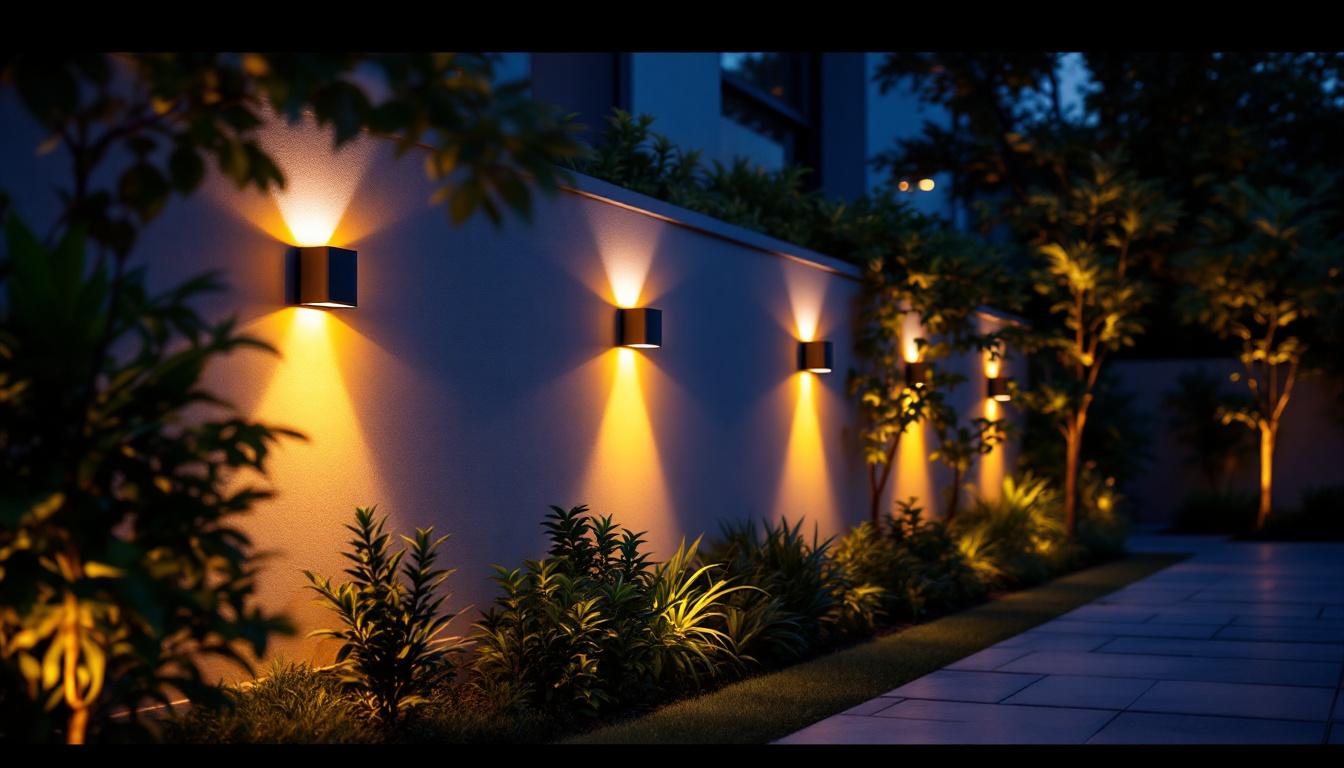
Additionally, exposure to UV light can degrade some strip materials. Selecting UV-resistant products is advisable for outdoor or sunlit installations. It’s also important to consider the substrate to which the strips are being applied; certain surfaces may require specialized adhesives or primers to ensure a long-lasting bond. For example, textured or porous surfaces may need additional treatment to enhance adhesion, while smooth surfaces might benefit from a light sanding to create a better grip for the adhesive backing.
Flickering and Electrical Noise
Flickering LEDs can result from incompatible dimmers, poor power supply quality, or loose connections. Identifying the root cause involves testing components individually and ensuring compatibility between LED strips and control devices.
Using high-quality drivers and connectors reduces the likelihood of flicker and electrical noise, contributing to a stable and pleasant lighting experience. Furthermore, implementing proper wiring techniques, such as ensuring all connections are secure and avoiding tight bends in the wiring, can help minimize electrical interference. In some cases, adding capacitors or filters to the power supply can also smooth out fluctuations in current, leading to a more consistent light output. Understanding the electrical characteristics of the entire system can empower contractors to create installations that not only look great but also function reliably over time.
Conclusion: Maximizing Success with 4 Foot LED Light Strips
For lighting contractors, 4 foot LED light strips offer a versatile and efficient solution that balances ease of installation with high-quality illumination. Understanding their advantages, adhering to best installation practices, and leveraging customization options empower contractors to deliver superior lighting projects.
By anticipating common challenges and applying proven troubleshooting techniques, contractors can ensure reliable performance and client satisfaction. Staying informed about the latest LED technologies and control systems further enhances the ability to provide cutting-edge lighting solutions tailored to diverse applications.
Ultimately, mastery of 4 foot LED light strips equips lighting professionals to meet the growing demand for energy-efficient, customizable, and aesthetically pleasing lighting in both commercial and residential settings.
Get Your Premium 4 Foot LED Light Strips at LumenWholesale
Ready to elevate your lighting projects with the best 4 foot LED light strips on the market? Look no further than LumenWholesale, where we provide contractors with exceptional, spec-grade lighting products at unbeatable wholesale prices. Say goodbye to local distributor markups and hello to our expansive selection that meets the highest industry standards. With LumenWholesale, you can count on reliable, high-performance lighting for every project. Plus, with free shipping on bulk orders, you can stock up on premium lighting without the worry of hidden fees or compromises. Don’t miss out on the perfect blend of quality, affordability, and convenience. Wholesale Lighting at the Best Value is just a click away.