Understanding UVC Germicidal Lamps and Their Applications
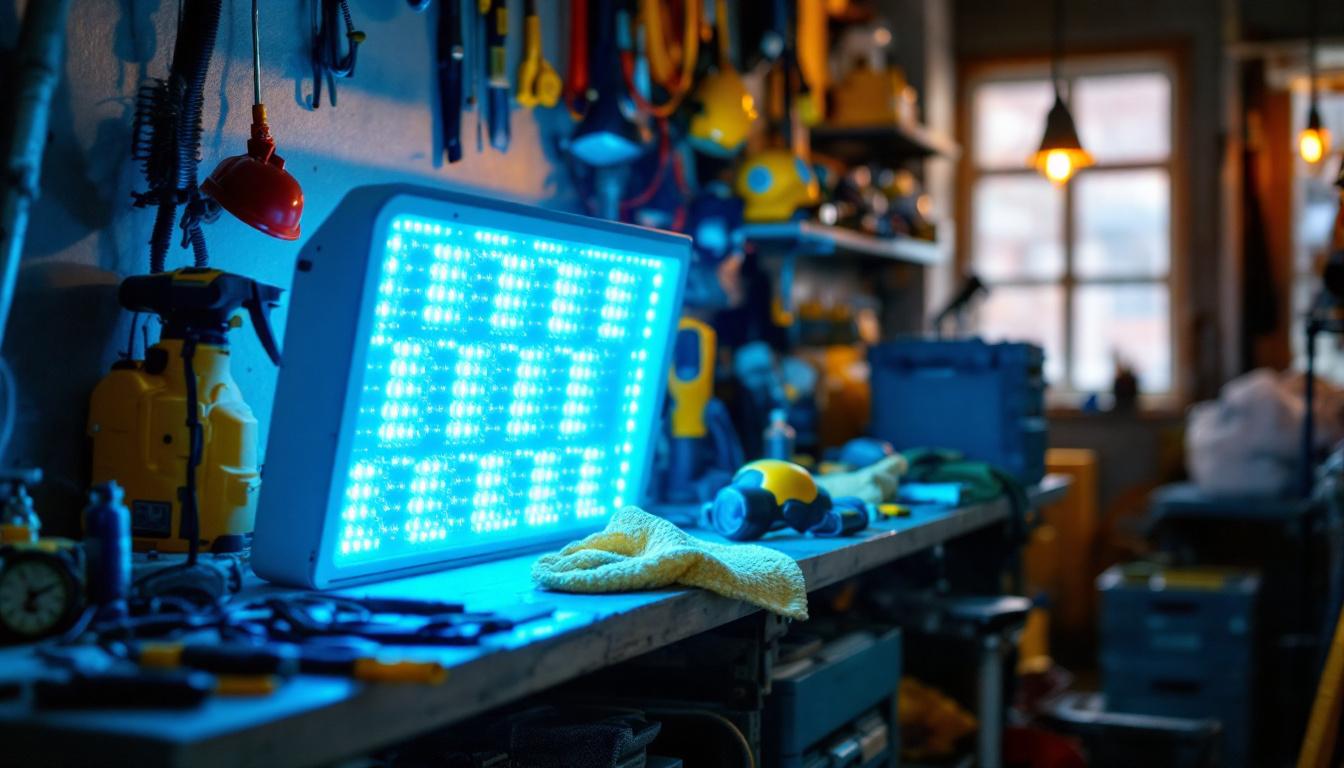
UVC germicidal lamps have become an essential tool in the arsenal of lighting contractors, especially as awareness of indoor air quality and surface disinfection grows. These lamps emit ultraviolet light in the UVC spectrum, typically between 200 and 280 nanometers, which is known for its ability to inactivate microorganisms such as bacteria, viruses, and fungi by damaging their DNA or RNA. This capability makes UVC lamps highly effective for sterilization purposes in a variety of settings, including hospitals, schools, offices, and public transportation. The increasing prevalence of airborne diseases and the heightened focus on hygiene in public spaces have propelled UVC technology into the spotlight, making it a vital component of modern sanitation strategies.
For lighting contractors, understanding the science and practical applications of UVC technology is critical. Unlike conventional lighting solutions, UVC lamps require careful handling, installation, and maintenance to ensure safety and effectiveness. Their integration into HVAC systems, upper-room disinfection units, or standalone devices demands precision and adherence to regulatory standards. Additionally, the effectiveness of UVC disinfection can be influenced by factors such as exposure time, intensity, and the distance from the target surface, necessitating a thorough understanding of these variables to maximize the benefits of the technology.
Why Lighting Contractors Should Embrace UVC Technology
Lighting contractors are uniquely positioned to lead the adoption of UVC germicidal lamps due to their expertise in electrical systems, lighting design, and installation. The rising demand for healthier indoor environments has created new opportunities for contractors to expand their services beyond traditional lighting. Incorporating UVC solutions can differentiate a contractor’s portfolio, offering clients a proactive approach to infection control. Furthermore, as businesses and institutions increasingly prioritize safety, contractors who can provide UVC solutions may find themselves at a competitive advantage, attracting clients who are looking for comprehensive health-oriented solutions.
Moreover, the versatility of UVC lamps allows them to be integrated into existing lighting infrastructures with minimal disruption. Whether retrofitting an older building or designing a new one, contractors can specify UVC modules that complement architectural aesthetics while delivering critical disinfection functions. This adaptability not only enhances the functionality of a space but also aligns with sustainable practices, as UVC lamps can reduce the need for harsh chemical disinfectants, thus minimizing environmental impact. As the technology continues to evolve, with advancements in efficiency and safety measures, lighting contractors will be at the forefront of a transformative shift in how we approach sanitation and health in our everyday environments.
Proven Installation Techniques for Optimal UVC Lamp Performance
Correct installation is paramount to the effectiveness and safety of UVC germicidal lamps. Lighting contractors must follow best practices to maximize germicidal efficacy while protecting occupants from harmful UV exposure.
Site Assessment and Planning
Before installation, a thorough site assessment is necessary. This includes evaluating the size and layout of the space, airflow patterns, and the types of surfaces or air volumes requiring disinfection. For example, in HVAC applications, understanding duct dimensions and air velocity helps determine the appropriate lamp wattage and placement to ensure adequate exposure time for microbial inactivation.
Additionally, contractors should identify potential shadowed areas where UVC light may not reach effectively. Supplementary lamps or reflective surfaces may be required to address these zones. Planning also involves ensuring that electrical supply and control systems can accommodate the UVC units safely. It is also essential to consider the specific pathogens that need targeting, as different microorganisms have varying sensitivities to UVC light. For instance, viruses such as SARS-CoV-2 may require different exposure durations compared to bacteria like E. coli. A comprehensive understanding of these factors will enable contractors to tailor their installation approach for maximum effectiveness.
Mounting and Orientation
Proper mounting height and orientation are critical. For upper-room disinfection, UVC lamps are typically installed above 7 feet to prevent direct exposure to occupants. The lamps should be positioned to create a uniform irradiation field, avoiding glare or hotspots. In HVAC systems, lamps are installed inside ducts or air handling units, with secure fixtures to withstand vibration and airflow.
Contractors should use manufacturer-recommended brackets and ensure that lamps are accessible for maintenance without compromising safety. Wiring must comply with electrical codes, and appropriate shielding or interlocks should be installed to prevent accidental exposure during servicing. Furthermore, the orientation of the lamps should be adjusted based on the specific application; for example, in areas with high ceilings, angled mounting may be necessary to optimize light distribution. This attention to detail not only enhances the effectiveness of the UVC system but also contributes to a safer environment for building occupants.
Electrical and Control Integration
UVC lamps require compatible ballasts or drivers that regulate current and voltage. Lighting contractors must select components that match the lamp specifications to avoid premature lamp failure or inconsistent output. Incorporating timers, motion sensors, or occupancy controls can enhance safety by deactivating lamps when people are present in areas where direct exposure is possible.
Integration with building management systems (BMS) allows for remote monitoring and control, providing data on lamp runtime and maintenance needs. This connectivity supports proactive upkeep, ensuring continuous germicidal performance. Additionally, contractors should consider implementing a scheduling system that aligns UVC operation with peak occupancy times, maximizing disinfection during off-hours while minimizing energy consumption. Regular training for maintenance staff on the importance of UVC lamp upkeep and safety protocols is also crucial. This ensures that the systems remain effective and compliant with health regulations, ultimately safeguarding public health in the spaces these systems serve.
Safety Protocols and Regulatory Compliance
Safety is a paramount concern when working with UVC germicidal lamps. The high-energy ultraviolet light can cause skin burns and eye injuries if proper precautions are not observed. Lighting contractors must be well-versed in safety standards and implement rigorous protocols.
Personal Protective Equipment and Training
Contractors and maintenance personnel should wear appropriate personal protective equipment (PPE), including UV-blocking goggles, gloves, and long-sleeved clothing when handling or servicing UVC lamps. Training on the hazards of UVC radiation and emergency procedures is essential to prevent accidents.
Clear signage indicating the presence of UVC lamps and restricted access during operation helps protect building occupants. In some applications, interlock systems that automatically shut off lamps when access panels are opened are mandatory.
Compliance with Industry Standards
Adhering to standards such as those from the Illuminating Engineering Society (IES), the American Society of Heating, Refrigerating and Air-Conditioning Engineers (ASHRAE), and the Occupational Safety and Health Administration (OSHA) ensures that installations meet safety and performance benchmarks. For example, ASHRAE guidelines provide recommendations on UVC dosage levels for air and surface disinfection, while OSHA outlines exposure limits to protect workers.
Contractors should also be aware of local building codes and certifications required for UVC equipment. Documentation and labeling are important for inspections and future maintenance.
Maintenance Best Practices to Sustain Germicidal Effectiveness
Maintaining UVC germicidal lamps is critical to preserving their disinfection capabilities over time. Unlike traditional lighting, UVC lamps experience a gradual decline in output, which can compromise effectiveness if not addressed.
Routine Cleaning and Inspection
Dust, dirt, and other contaminants on lamp surfaces can significantly reduce UVC output. Regular cleaning with appropriate solvents and lint-free cloths is necessary. Contractors should establish maintenance schedules based on manufacturer recommendations and environmental conditions.
Visual inspections can detect signs of lamp degradation, such as discoloration or flickering. Ballasts and wiring should also be checked to prevent electrical faults that could impair lamp function.
Lamp Replacement and Performance Monitoring
UVC lamps have a finite operational life, typically ranging from several thousand to tens of thousands of hours. Lighting contractors should track lamp usage and replace units proactively before output falls below effective germicidal levels. Some advanced systems include sensors or indicators that signal when replacement is due.
Performance monitoring tools, such as UVC radiometers, provide quantitative measurements of irradiance in the treated space. These instruments help verify that the system delivers the intended dosage, allowing contractors to adjust or upgrade components as needed.
Emerging Trends and Technologies in UVC Lighting
The field of UVC germicidal lighting is rapidly evolving, with innovations that offer enhanced safety, efficiency, and integration possibilities. Staying informed about these trends enables lighting contractors to provide cutting-edge solutions to their clients.
Far-UVC Lamps for Safer Occupied Spaces
Recent advances have introduced far-UVC lamps that emit light around 222 nanometers. This wavelength has been shown to inactivate pathogens effectively while posing less risk to human skin and eyes compared to traditional 254-nanometer lamps. Although still under evaluation, far-UVC technology holds promise for continuous disinfection in occupied areas without the need for shielding or interlocks.
Smart UVC Systems and IoT Integration
Integration of UVC lamps with Internet of Things (IoT) platforms allows for real-time monitoring, remote control, and data analytics. Lighting contractors can offer clients systems that optimize disinfection cycles based on occupancy patterns, environmental conditions, and air quality metrics. This smart approach enhances energy efficiency and extends lamp life.
Hybrid Solutions Combining UVC with HVAC and Lighting
Combining UVC germicidal lamps with traditional lighting fixtures and HVAC components creates multifunctional systems that address multiple building needs simultaneously. For example, ceiling-mounted fixtures can provide both visible illumination and upper-room UVC disinfection, streamlining installation and reducing costs.
Conclusion: Positioning Lighting Contractors as UVC Specialists
UVC germicidal lamps represent a significant opportunity for lighting contractors to expand their expertise and service offerings. By mastering proven installation methods, adhering to safety protocols, and embracing emerging technologies, contractors can deliver effective, reliable disinfection solutions that meet growing market demands.
Success in this niche requires a commitment to ongoing education, meticulous attention to detail, and collaboration with manufacturers and regulatory bodies. Lighting contractors who position themselves as knowledgeable UVC specialists will not only enhance their competitive edge but also contribute meaningfully to healthier indoor environments.
Get Your UVC Germicidal Lamps at LumenWholesale
Ready to elevate your status as a UVC specialist and meet the demands of a health-conscious market? Look no further than LumenWholesale for your germicidal lighting needs. Our selection of spec-grade UVC lamps and lighting products ensures that you have access to the highest quality at wholesale prices, giving you the competitive edge you need. Say goodbye to local distributor markups and hello to hassle-free bulk buying with free shipping. Trust LumenWholesale to provide you with lighting solutions that blend quality, affordability, and convenience seamlessly. Take the next step in becoming a UVC lighting expert and explore our collection for the best value in wholesale lighting.