Understanding the Fundamentals of Light Bulbs
Lighting contractors play a crucial role in selecting and installing the right light bulbs for various environments, from residential homes to commercial and industrial spaces. A solid grasp of the different types of light bulbs, their characteristics, and their applications is essential for delivering optimal lighting solutions that balance efficiency, aesthetics, and cost.
Light bulbs have evolved significantly over the decades, moving from traditional incandescent bulbs to a wide array of energy-efficient and technologically advanced options. This evolution affects everything from energy consumption to color rendering and lifespan, making it imperative for contractors to stay informed about the latest developments.
The Basic Types of Light Bulbs
At the most fundamental level, light bulbs can be categorized into several types based on their technology: incandescent, halogen, fluorescent, compact fluorescent (CFL), and light-emitting diode (LED). Each type has unique properties that influence its suitability for different applications.
Incandescent bulbs, once the industry standard, produce light by heating a filament until it glows. While they offer excellent color rendering and warm light, they are highly inefficient and have a short lifespan. Halogen bulbs are a variation of incandescent bulbs with a halogen gas inside to improve efficiency and lifespan slightly. These bulbs are often favored for their bright, crisp light, making them ideal for task lighting in kitchens and workspaces.
Fluorescent bulbs work by exciting mercury vapor inside the tube to produce ultraviolet light, which then causes a phosphor coating to fluoresce, emitting visible light. CFLs are a compact version of fluorescent tubes, designed to fit standard sockets. They are popular for their energy-saving capabilities, but their light quality can sometimes be perceived as harsh compared to incandescent options. LEDs, the most recent advancement, use semiconductors to produce light when an electric current passes through them, offering superior efficiency, longevity, and versatility. The ability of LEDs to be dimmed and their availability in a variety of color temperatures make them an excellent choice for both ambient and accent lighting, allowing for creative design possibilities in any space.
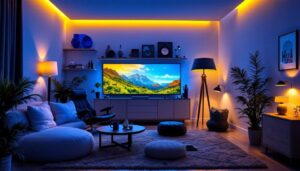
Moreover, the choice of light bulb can significantly impact the ambiance of a room. For instance, warmer color temperatures (around 2700K to 3000K) are often preferred in living spaces and bedrooms to create a cozy atmosphere, while cooler temperatures (4000K to 5000K) are more suitable for work environments, as they can enhance concentration and alertness. Additionally, the growing trend of smart lighting systems has introduced a new dimension to lighting design. These systems allow users to control brightness and color remotely, enabling personalized lighting experiences that can adapt to different activities throughout the day. As technology continues to advance, the integration of smart features into traditional lighting solutions is becoming increasingly common, further enhancing the role of lighting contractors in creating tailored lighting environments.
Key Characteristics Lighting Contractors Must Evaluate
When selecting light bulbs, contractors must consider several critical factors beyond just the bulb type. These characteristics influence the performance, cost-effectiveness, and user satisfaction of the lighting installation.
Energy Efficiency and Operating Costs
Energy efficiency is a primary concern for both contractors and end-users, especially given rising energy costs and increasing environmental regulations. LEDs currently lead the market in efficiency, consuming up to 80% less energy than incandescent bulbs and lasting up to 25 times longer. CFLs offer moderate efficiency improvements over incandescent bulbs but contain mercury, raising disposal concerns.
Understanding the energy consumption in watts and the light output in lumens is essential. Lumens measure the brightness of a bulb, while watts indicate energy use. A high lumen-to-watt ratio signifies better efficiency. For example, an LED bulb producing 800 lumens might only consume 10 watts, whereas an incandescent bulb producing the same brightness could consume 60 watts. This efficiency not only translates to lower electricity bills but also contributes to a reduced carbon footprint, making it a critical consideration for environmentally conscious clients.
Moreover, contractors should be aware of the potential for energy rebates and incentives offered by local utilities or governments for installing energy-efficient lighting solutions. These programs can significantly offset initial costs, making energy-efficient options more accessible and appealing to clients.
Color Temperature and Color Rendering Index (CRI)
Color temperature, measured in Kelvins (K), describes the color appearance of the light emitted. Lower temperatures (2700K–3000K) produce warm, yellowish light ideal for residential and hospitality settings, while higher temperatures (4000K–6500K) emit cooler, bluish light suitable for offices, hospitals, and industrial environments.
The Color Rendering Index (CRI) measures how accurately a light source reveals the colors of objects compared to natural light. A CRI of 80 or above is generally acceptable for most applications, but higher-end environments like retail or art galleries may require a CRI of 90 or above to ensure color fidelity. This is particularly important in settings where color perception is critical, such as in fashion retail or food presentation, where the right lighting can enhance the appeal of products and influence consumer behavior.
Contractors should also consider the psychological effects of color temperature on occupants. For instance, warmer light can create a cozy atmosphere, making it suitable for restaurants and homes, while cooler light can promote alertness and productivity, making it ideal for workspaces. Understanding these nuances can help contractors tailor lighting solutions to meet specific client needs and enhance user experience.
Lifespan and Maintenance Considerations
Longer bulb lifespan reduces maintenance frequency and costs, which is particularly important in commercial and industrial settings where replacing bulbs can be labor-intensive and disruptive. LEDs typically offer lifespans ranging from 25,000 to 50,000 hours, significantly outperforming incandescent (around 1,000 hours) and CFLs (8,000 to 15,000 hours).
Contractors should also consider the quality of the bulb and manufacturer warranties, as these factors can impact real-world performance and reliability. Choosing bulbs with robust warranties can protect clients from premature failures and enhance contractor reputation. Additionally, it is wise to educate clients about the importance of proper installation and usage, as these factors can also influence the longevity of the lighting system.
Furthermore, the choice of lighting fixtures can play a significant role in maintenance. For instance, fixtures that are easier to access for bulb replacement can save time and labor costs in the long run. Contractors should also evaluate the compatibility of bulbs with existing fixtures and dimming systems to ensure optimal performance and user satisfaction. By taking these considerations into account, contractors can provide a comprehensive lighting solution that meets both immediate and long-term needs for their clients.
Advanced Technologies and Specialty Bulbs
Beyond the basic types, lighting contractors must be familiar with advanced and specialty bulbs that serve niche applications or offer enhanced functionality.
Smart Bulbs and Connectivity
Smart lighting technology has transformed the lighting industry by integrating connectivity features such as wireless control, color changing, dimming, and scheduling. These bulbs often use LED technology and can be controlled via smartphone apps, voice assistants, or centralized building management systems.
For contractors, understanding compatibility with existing infrastructure and the benefits of smart lighting—such as energy savings through automated controls and enhanced user experience—is vital for advising clients and integrating these systems seamlessly.
High-Intensity Discharge (HID) and Specialty Lamps
HID lamps, including metal halide, high-pressure sodium, and mercury vapor lamps, are commonly used in outdoor, industrial, and large commercial applications due to their high luminous efficacy and long range. Each type has distinct color characteristics and efficiency levels, with metal halide offering better color rendering and high-pressure sodium providing superior energy efficiency.
Specialty bulbs such as UV lamps, infrared bulbs, and filament-style LEDs cater to specific needs like sterilization, heating, or aesthetic design. Contractors should be aware of these options to meet unique project requirements effectively.
Regulations, Standards, and Environmental Considerations
Lighting contractors must navigate a complex landscape of regulations and standards that impact bulb selection, installation, and disposal.
Energy Efficiency Standards and Compliance
Many regions enforce minimum energy performance standards for lighting products, often phasing out inefficient incandescent bulbs in favor of LEDs and CFLs. Contractors must ensure that the bulbs they specify comply with local codes and regulations to avoid project delays and penalties.
Additionally, certifications such as ENERGY STAR and DesignLights Consortium (DLC) listings indicate that bulbs meet rigorous efficiency and quality benchmarks, providing contractors with reliable selection criteria.
Disposal and Environmental Impact
Proper disposal of bulbs, especially those containing hazardous materials like mercury in CFLs and some fluorescent tubes, is critical for environmental protection. Contractors should educate clients about recycling programs and safe handling procedures to minimize environmental harm.
LEDs, while more environmentally friendly during use, contain electronic components that require responsible recycling to recover valuable materials and prevent pollution.
Practical Tips for Lighting Contractors
To excel in their profession, lighting contractors should adopt best practices that enhance project outcomes and client satisfaction.
Conducting a Thorough Lighting Assessment
Before specifying bulbs, contractors should perform detailed assessments of the space, considering factors such as room size, ceiling height, natural light availability, and the activities performed in the area. This ensures that the lighting design meets functional and aesthetic needs effectively.
Balancing Cost and Quality
While upfront costs are important, contractors should emphasize total cost of ownership, including energy consumption, maintenance, and replacement frequency. Educating clients on the long-term savings of energy-efficient bulbs can facilitate better decision-making and project success.
Staying Updated with Industry Trends
The lighting industry is dynamic, with continuous advancements in technology and changing regulations. Contractors should engage in ongoing education through trade publications, manufacturer training, and industry events to maintain expertise and competitive advantage.
Conclusion
For lighting contractors, mastering the diverse types of light bulbs and their characteristics is fundamental to delivering high-quality, efficient, and compliant lighting solutions. By understanding the nuances of bulb technologies, evaluating key performance factors, and staying abreast of regulatory requirements, contractors can confidently guide clients through the complexities of modern lighting choices.
Embracing advancements such as LED and smart lighting, while balancing practical considerations like cost, maintenance, and environmental impact, positions contractors as trusted experts capable of enhancing both the functionality and ambiance of any space.
Illuminate Your Projects with LumenWholesale
Ready to elevate your lighting game? Look no further than LumenWholesale for a comprehensive range of top-quality, spec-grade lighting products. Our unbeatable wholesale prices mean you can access superior lighting solutions without the burden of inflated markups. With LumenWholesale, you’re guaranteed reliable, high-performance lighting that meets the highest industry standards, perfect for any project. Plus, with free shipping on bulk orders, you’ll enjoy the best value without any hidden fees. Don’t compromise on quality, affordability, or convenience. Choose Wholesale Lighting at the Best Value with LumenWholesale and light up your spaces with confidence.