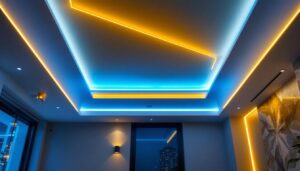
Introduction to Solar Powered LED Strips
Solar powered LED strips represent a significant advancement in sustainable lighting solutions, combining the energy efficiency of LED technology with the renewable power of solar energy. For lighting contractors, understanding these systems is essential to meeting the growing demand for eco-friendly, cost-effective, and versatile lighting installations.
As urban environments and outdoor spaces increasingly prioritize green energy, solar powered LED strips offer a compelling option for projects ranging from residential landscaping to commercial signage and public infrastructure. This guide explores the technical aspects, installation considerations, and practical applications of solar powered LED strips, providing lighting contractors with the knowledge needed to deliver high-quality, sustainable lighting solutions.
One of the key benefits of solar powered LED strips is their ability to operate independently of the electrical grid, making them an ideal choice for remote locations or areas where traditional wiring is impractical. These systems typically consist of flexible LED strip lights, a solar panel for energy collection, a rechargeable battery for energy storage, and a controller to manage the lighting functions. The integration of these components allows for easy installation and minimal maintenance, which is particularly appealing for contractors looking to streamline their workflow and reduce project timelines.
Moreover, the versatility of solar powered LED strips extends beyond just functionality; they are available in various colors, brightness levels, and lengths, allowing for creative applications in diverse settings. From illuminating pathways and gardens to enhancing architectural features and creating dynamic displays for events, the aesthetic possibilities are virtually limitless. Additionally, advancements in solar technology have led to improved efficiency and battery life, enabling these systems to perform reliably even in less-than-ideal weather conditions, thus expanding their usability throughout the year.
Understanding the Technology Behind Solar Powered LED Strips
How Solar Powered LED Strips Work
At their core, solar powered LED strips integrate photovoltaic (PV) panels with LED lighting components and a rechargeable battery system. During daylight hours, the solar panels capture sunlight and convert it into electrical energy, which is stored in batteries. When darkness falls, the stored energy powers the LED strips, providing illumination without relying on the electrical grid.
This self-contained system enables installations in locations where traditional wiring is impractical or cost-prohibitive, such as remote outdoor areas, garden pathways, or temporary event setups. The efficiency of the LED technology ensures minimal power consumption, maximizing the duration and brightness of the lighting. Moreover, many modern solar powered LED strips come equipped with intelligent features that allow them to adjust brightness based on ambient light levels, further enhancing energy efficiency and prolonging battery life.
Key Components and Their Roles
Understanding each component is critical for selecting and installing solar powered LED strips effectively:
- Solar Panels: These are responsible for harvesting solar energy. The panel’s wattage and efficiency directly impact the system’s ability to charge the battery fully during daylight.
- Rechargeable Battery: Typically lithium-ion or lithium iron phosphate batteries, they store the energy collected by the solar panels. Battery capacity determines how long the LED strips can operate after sunset.
- LED Strips: The lighting element, available in various brightness levels, colors, and waterproof ratings. LEDs are chosen based on the project’s lighting requirements and environmental conditions.
- Controller/Driver: This component manages power flow, regulates charging, and often includes features such as dimming, motion sensors, or timers.
In addition to the primary components, the design and construction of the solar powered LED strips themselves can greatly influence their performance and durability. For instance, high-quality materials are often used to ensure that the strips are weather-resistant, allowing them to withstand rain, snow, and UV exposure without degradation. Some models even feature flexible designs, enabling users to bend and shape the strips to fit unique spaces or decorative layouts. This versatility not only enhances aesthetic appeal but also expands the potential applications of solar powered LED strips, making them suitable for everything from ambient garden lighting to festive holiday displays.
Furthermore, advancements in solar technology have led to the development of more compact and efficient solar panels that can generate more power in smaller footprints. This means that even in areas with limited sunlight, solar powered LED strips can still perform effectively, making them a viable option for urban environments where tall buildings may cast shadows. The integration of smart technology, such as Wi-Fi connectivity, allows users to control their lighting remotely via smartphone apps, adding an extra layer of convenience and customization to their outdoor lighting solutions.
Installation Considerations for Lighting Contractors
Site Assessment and Solar Exposure
One of the most critical factors in the success of a solar powered LED strip installation is adequate solar exposure. Lighting contractors must evaluate the site to ensure that solar panels receive sufficient direct sunlight throughout the day. Shading from trees, buildings, or other structures can drastically reduce charging efficiency.
Using solar pathfinder tools or mobile apps that simulate solar exposure can assist in determining optimal panel placement. Panels should typically face true south in the northern hemisphere (or true north in the southern hemisphere) and be angled to maximize sunlight absorption based on geographic location. Additionally, contractors should consider seasonal variations in sunlight, as the angle of the sun changes throughout the year. This may involve adjusting the tilt of the panels or selecting locations that remain unobstructed during different seasons.
Battery Sizing and Runtime Expectations
Calculating the appropriate battery size is essential to guarantee the LED strips operate reliably through the night. Contractors should consider the total wattage of the LED strips, expected hours of operation, and local weather patterns that might affect solar charging.
For example, a system designed to run 8 hours nightly with a 10-watt LED strip would require a battery capacity that can deliver at least 80 watt-hours, plus an additional buffer to account for inefficiencies and cloudy days. Oversizing batteries can increase upfront costs but enhances system reliability and longevity. Moreover, understanding the discharge rate and cycle life of the battery technology being used—whether lithium-ion, lead-acid, or another type—can help contractors make informed decisions that balance performance with budget constraints.
Waterproofing and Durability
Since many solar powered LED strip installations occur outdoors, ensuring the system’s components are weather-resistant is vital. LED strips should have an IP65 rating or higher to withstand rain, dust, and temperature fluctuations.
Solar panels and batteries also need protective enclosures or mounting solutions that prevent water ingress and physical damage. Proper sealing and cable management reduce maintenance needs and extend system lifespan. Furthermore, contractors should consider the materials used in the installation; corrosion-resistant metals and UV-stabilized plastics can significantly enhance durability. Regular inspections and maintenance schedules can also be beneficial, ensuring that any wear and tear is addressed promptly, thus prolonging the overall effectiveness of the solar lighting system.
Applications and Benefits for Lighting Contractors
Versatile Use Cases
Solar powered LED strips are highly adaptable, making them suitable for a wide range of applications:
- Landscape Lighting: Pathways, garden beds, and outdoor seating areas benefit from solar LED strips that require no trenching or wiring.
- Architectural Accents: Highlighting building facades or outdoor staircases with solar lighting adds aesthetic appeal while reducing energy costs.
- Signage and Advertising: Illuminated signs in remote or off-grid locations can be powered reliably by solar LED strips.
- Event and Temporary Installations: Festivals, markets, and construction sites often need temporary lighting solutions that are easy to deploy and remove.
Environmental and Economic Advantages
Lighting contractors can leverage the environmental benefits of solar powered LED strips to appeal to eco-conscious clients. These systems reduce carbon footprints by eliminating reliance on fossil-fuel-generated electricity and decreasing energy consumption.
Economically, solar LED strips lower operational costs by removing electricity bills and minimizing maintenance due to the long lifespan of LEDs and durable batteries. Additionally, many regions offer incentives or rebates for solar installations, which can be a selling point during project proposals.
Challenges and Solutions in Solar LED Strip Installations
Addressing Variable Weather Conditions
One challenge contractors face is ensuring consistent lighting performance despite fluctuating weather. Extended periods of overcast skies or snow can limit solar charging, potentially reducing nighttime illumination.
To mitigate this, contractors can recommend larger solar panels, higher-capacity batteries, or hybrid systems that integrate grid power or alternative energy sources. Educating clients about realistic expectations during adverse weather is also crucial.
Managing System Maintenance
Although solar powered LED strips require less maintenance than conventional lighting, periodic checks are necessary to maintain efficiency. Cleaning solar panels to remove dust and debris, inspecting battery health, and verifying waterproof seals help prevent system failures.
Contractors should provide clients with maintenance guidelines and offer service contracts to ensure long-term satisfaction and system performance.
Future Trends in Solar Powered LED Lighting
Advancements in Battery Technology
Emerging battery technologies promise higher energy density, faster charging, and longer lifespans, which will enhance the reliability and affordability of solar LED strip systems. Solid-state batteries and improved lithium chemistries are areas to watch for lighting contractors seeking cutting-edge solutions.
Integration with Smart Lighting Controls
Smart controllers that allow remote monitoring, adaptive brightness, and motion sensing are increasingly integrated with solar powered LED strips. These features optimize energy use and provide clients with greater control over their lighting environments.
Expanded Applications and Market Growth
As solar technology becomes more accessible and cost-effective, the market for solar powered LED strips is expected to grow substantially. Lighting contractors who develop expertise in this niche will be well-positioned to capitalize on emerging opportunities in residential, commercial, and municipal sectors.
Conclusion
Solar powered LED strips offer lighting contractors a versatile, sustainable, and economically attractive option for a variety of lighting projects. By understanding the underlying technology, carefully assessing installation sites, and addressing potential challenges proactively, contractors can deliver high-quality solar lighting solutions that meet client demands and environmental goals.
Staying informed about technological advancements and market trends will further empower lighting professionals to innovate and expand their service offerings in the evolving landscape of solar powered lighting.
Illuminate Your Projects with LumenWholesale
Ready to elevate your lighting projects with the most efficient and sustainable solutions? Look no further than LumenWholesale for a comprehensive range of solar powered LED strips that promise quality, affordability, and convenience. Our spec-grade lighting products are designed to meet the highest industry standards, ensuring you deliver exceptional results to your clients. With unbeatable wholesale prices and the convenience of free shipping on bulk orders, you can trust us to provide the best value without any hidden fees. Take the next step in innovative lighting by visiting Wholesale Lighting at the Best Value and start transforming your lighting projects today.