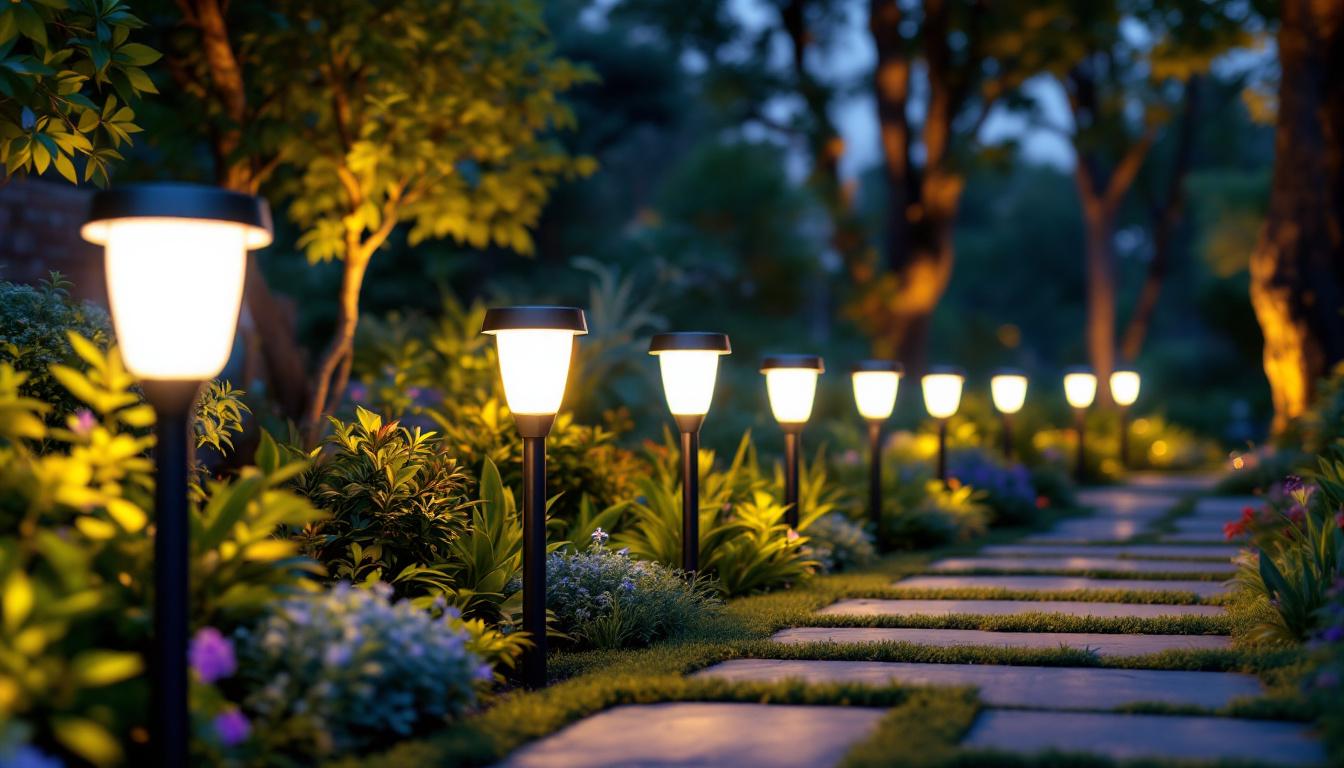
Introduction to LED Indoor Solar Lights
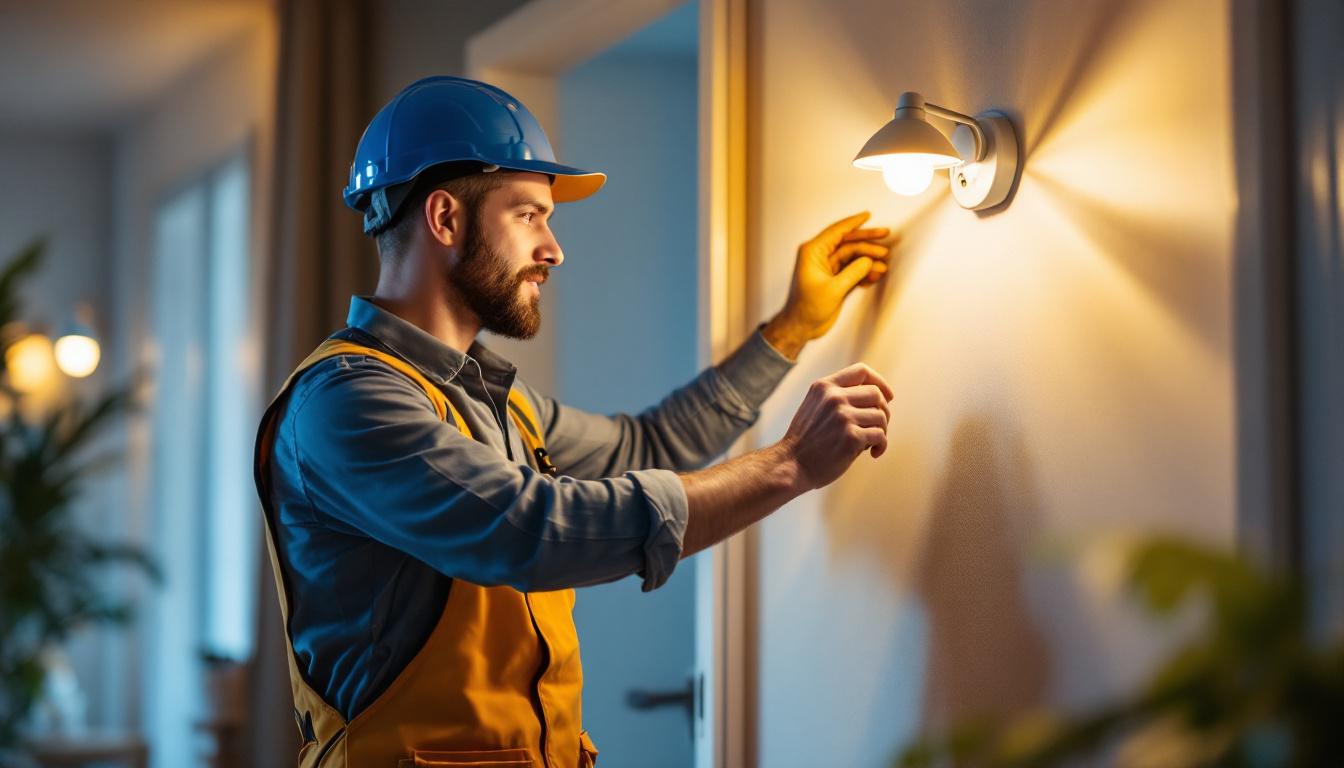
Lighting contractors are at the forefront of transforming the way spaces are illuminated. With the rapid advancement of technology and increasing environmental concerns, LED indoor solar lights have emerged as a significant innovation in the lighting industry. These systems combine the energy efficiency of LED technology with the sustainability of solar power, offering a compelling solution for indoor lighting needs.
Understanding the integration of solar power indoors might initially seem counterintuitive, given that solar panels require sunlight to generate energy. However, advances in solar cell sensitivity and energy storage have made it possible to harness natural light through windows or skylights, store it efficiently, and power LED fixtures inside buildings. This approach not only reduces dependency on traditional electricity sources but also aligns with growing demands for green building practices.
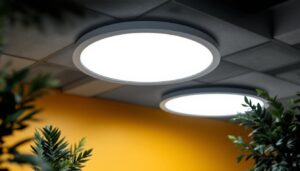
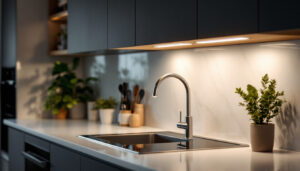
Moreover, the versatility of LED indoor solar lights extends beyond mere energy savings. These systems can be seamlessly integrated into various design aesthetics, ranging from modern minimalist to rustic charm. The compact nature of LED fixtures allows for creative installations, such as recessed lighting or decorative pendant lamps, which can enhance the ambiance of any room. Additionally, many of these solar lights come equipped with smart technology, enabling users to control brightness levels and schedules through mobile applications, further optimizing energy use and convenience.
As urban environments continue to evolve, the role of indoor solar lighting becomes increasingly critical. In spaces where natural light is limited, such as basements or interior rooms, LED indoor solar lights can provide a sustainable alternative that mimics the quality of daylight. This not only improves the aesthetic appeal of the space but also contributes to the overall well-being of occupants by enhancing mood and productivity. With the potential to significantly reduce energy costs and carbon footprints, the adoption of LED indoor solar lights represents a forward-thinking approach to modern lighting solutions.
Why LED Indoor Solar Lights Are a Game-Changer for Lighting Contractors
Energy Efficiency and Cost Savings
One of the most compelling reasons for lighting contractors to embrace LED indoor solar lights is their remarkable energy efficiency. LEDs consume significantly less power than conventional incandescent or fluorescent bulbs. When paired with solar energy, the operational costs of lighting systems can be drastically reduced or even eliminated in some cases.
For contractors, this translates into value-added services for clients. Buildings equipped with solar-powered LED lighting systems can achieve lower utility bills and reduced carbon footprints. This is particularly attractive in commercial and institutional projects where energy consumption is a major concern. Moreover, the long lifespan of LED bulbs—often lasting up to 25,000 hours—means fewer replacements and less maintenance, further enhancing cost savings over time. As a result, clients can enjoy a more sustainable lighting solution that not only benefits their bottom line but also aligns with their corporate social responsibility goals.
Compliance with Environmental Regulations and Standards
Environmental regulations are becoming more stringent worldwide, pushing construction and renovation projects toward sustainability. Lighting contractors who incorporate LED indoor solar lights into their offerings can help clients meet or exceed these regulatory requirements.
Many green building certification programs, such as LEED (Leadership in Energy and Environmental Design), reward the use of renewable energy and energy-efficient lighting solutions. By recommending and installing LED indoor solar lighting, contractors position themselves as leaders in sustainable building practices, opening doors to new business opportunities. Additionally, as more municipalities adopt green building codes, contractors who are ahead of the curve in offering eco-friendly solutions can gain a competitive edge in the marketplace. This proactive approach not only enhances their reputation but also fosters long-term relationships with environmentally-conscious clients.
Enhanced Indoor Air Quality and Reduced Heat Emission
Traditional lighting systems, especially incandescent bulbs, generate significant heat, which can increase cooling loads and negatively impact indoor air quality. LEDs produce minimal heat, and when powered by solar energy, the overall environmental impact is further minimized.
For lighting contractors, this means the ability to design lighting solutions that contribute to healthier indoor environments. This is particularly important in sensitive settings such as hospitals, schools, and office buildings where occupant comfort and health are priorities. Furthermore, the reduced heat emission from LED lights can lead to lower air conditioning costs, creating a more comfortable atmosphere for occupants. As awareness of indoor air quality continues to grow, contractors who prioritize these aspects in their projects can differentiate themselves by promoting the health benefits of their lighting solutions. This focus on well-being not only enhances client satisfaction but also aligns with the increasing demand for holistic approaches to building design that prioritize both environmental and human health.
Technical Considerations for Installing LED Indoor Solar Lights
Assessing Solar Access and Light Availability
Successful implementation of indoor solar lighting depends heavily on the availability of natural light. Lighting contractors must conduct thorough site assessments to determine the potential for solar energy harvesting. Factors such as window orientation, shading from nearby structures, and seasonal variations in sunlight intensity all influence system performance.
Advanced tools like solar pathfinders and light meters can aid in evaluating these conditions. By accurately assessing solar access, contractors can design systems that maximize energy capture and ensure reliable lighting performance indoors. Additionally, understanding the local climate and weather patterns can provide insights into how often sunlight will be available, which is crucial for predicting energy generation. For instance, regions with frequent cloud cover may require more robust battery systems to compensate for reduced solar input, while areas with consistent sunshine might benefit from smaller, more efficient setups.
Integration with Building Electrical Systems
LED indoor solar lighting systems typically include solar panels, batteries for energy storage, LED fixtures, and control electronics. Lighting contractors must ensure seamless integration of these components with existing building electrical infrastructure.
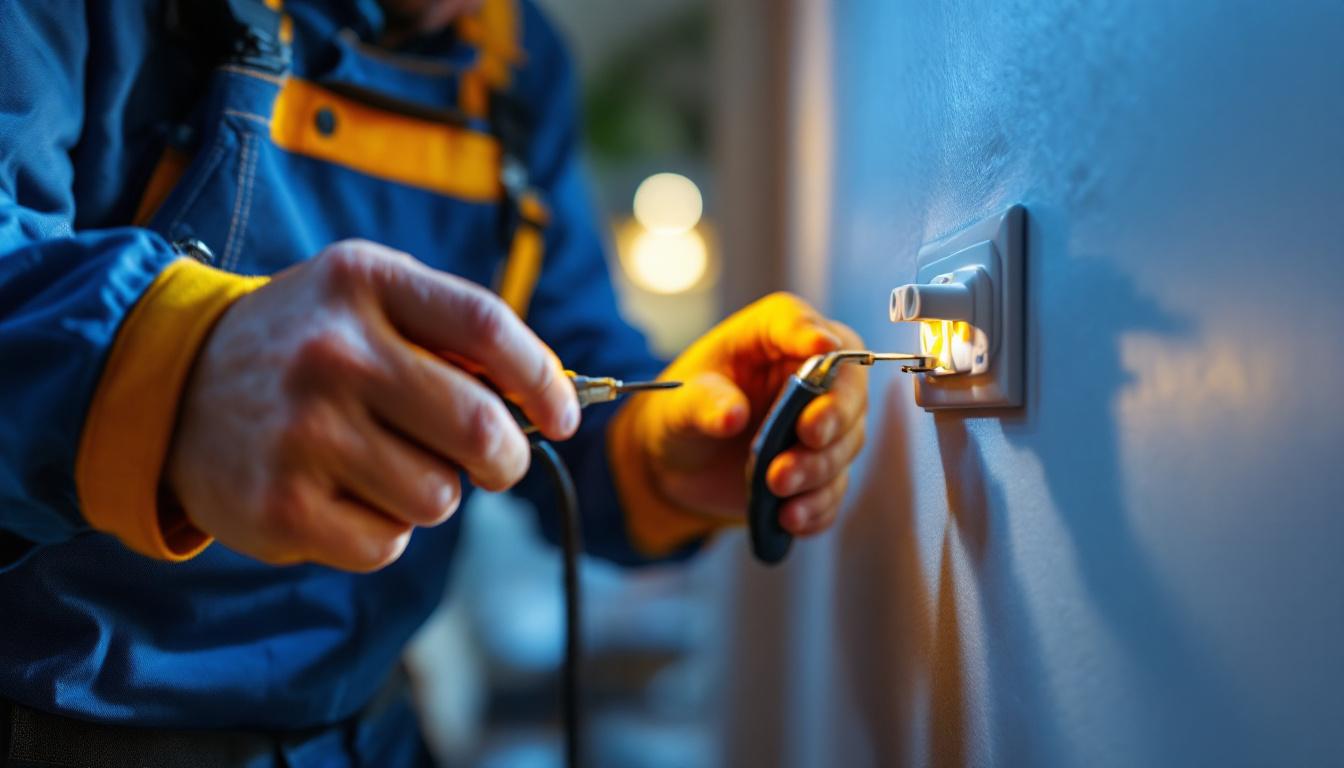
This may involve installing dedicated circuits, configuring smart controls for dimming or motion sensing, and ensuring compatibility with building management systems. Proper integration not only enhances system efficiency but also simplifies maintenance and troubleshooting. Furthermore, the use of IoT (Internet of Things) technology can enable real-time monitoring of energy usage and system performance, allowing for proactive adjustments and ensuring the lighting system operates at peak efficiency. In this way, contractors can provide clients with a comprehensive solution that not only meets their immediate lighting needs but also contributes to long-term energy savings and sustainability goals.
Battery Technology and Energy Storage
Energy storage is a critical element in indoor solar lighting. Since solar energy availability fluctuates throughout the day, batteries store excess energy generated during peak sunlight hours for use during low-light periods or at night.
Contractors should be knowledgeable about the latest battery technologies, such as lithium-ion or advanced lead-acid batteries, which offer improved lifespan, safety, and energy density. Selecting the right battery type and capacity is essential to meet the lighting demands of the space reliably. Additionally, understanding the charging cycles and discharge rates of different battery types can help in optimizing the overall system design. For instance, lithium-ion batteries typically have a longer cycle life and can handle deeper discharges compared to traditional lead-acid batteries, making them a preferred choice for applications where space is limited and performance is critical. Moreover, incorporating battery management systems can further enhance safety and efficiency by monitoring battery health and ensuring optimal charging conditions, thus extending the lifespan of the energy storage solution.
Market Trends and Client Expectations
Growing Demand for Sustainable Solutions
Clients are increasingly aware of environmental issues and are actively seeking sustainable building solutions. This trend is driving demand for lighting systems that reduce energy consumption and carbon emissions.
Lighting contractors who proactively offer LED indoor solar lights can differentiate themselves in a competitive market. Demonstrating expertise in sustainable lighting solutions builds trust and attracts environmentally conscious clients, including commercial developers, government agencies, and educational institutions.
Customization and Smart Lighting Integration
Modern lighting projects often call for customization and smart technology integration. LED indoor solar lights can be combined with smart controls, sensors, and automation systems to create adaptive lighting environments that enhance occupant comfort and operational efficiency.
Lighting contractors who master these technologies can provide tailored solutions that meet specific client needs, such as daylight harvesting, occupancy sensing, and remote monitoring. These capabilities not only improve user experience but also contribute to further energy savings.
Challenges and Solutions in Implementing LED Indoor Solar Lights
Initial Investment and Return on Investment (ROI)
One of the common concerns lighting contractors face when proposing LED indoor solar lighting is the upfront cost. Solar panels, batteries, and advanced LED fixtures can require a higher initial investment compared to traditional lighting systems.
However, it is important to communicate the long-term benefits to clients. Reduced energy bills, lower maintenance costs due to the longevity of LEDs, and potential incentives or rebates for renewable energy installations contribute to a favorable ROI. Providing detailed cost-benefit analyses helps clients make informed decisions.
Technical Expertise and Training
Installing and maintaining LED indoor solar lighting systems requires specialized knowledge. Lighting contractors must invest in training and stay updated on evolving technologies and best practices.
Collaborating with manufacturers and attending industry workshops can enhance technical skills. This investment in expertise ensures high-quality installations and fosters client confidence in the contractor’s capabilities.
Addressing Aesthetic and Design Concerns
Some clients may worry that integrating solar panels indoors could compromise aesthetics or architectural design. Lighting contractors can address these concerns by selecting low-profile, aesthetically pleasing solar panels and integrating lighting fixtures that complement the interior design.
Innovative design approaches, such as incorporating solar panels into window films or skylights, can maintain visual appeal while harnessing solar energy effectively.
Conclusion: The Strategic Importance of LED Indoor Solar Lights for Lighting Contractors
LED indoor solar lights represent a transformative opportunity for lighting contractors to lead the industry toward sustainable, energy-efficient, and innovative lighting solutions. By understanding the technical, economic, and environmental aspects of these systems, contractors can offer superior value to clients and position themselves as forward-thinking professionals.
As the demand for green building solutions continues to grow, lighting contractors who embrace LED indoor solar lighting will not only contribute to environmental stewardship but also enhance their competitive advantage in a dynamic market. Investing in knowledge, technology, and strategic partnerships today will pave the way for success in tomorrow’s lighting landscape.
Illuminate Your Projects with LumenWholesale
Ready to revolutionize your lighting solutions and lead the way in sustainability? LumenWholesale is your partner in innovation, offering a vast array of LED indoor solar lights that meet the highest industry standards. Our commitment to quality and affordability ensures that you can provide your clients with the most advanced, energy-efficient lighting options at unbeatable wholesale prices. Say goodbye to middleman markups and hello to hassle-free bulk buying with free shipping. Elevate your lighting projects and take advantage of the best value in the market. Wholesale Lighting at the Best Value is just a click away—join us in lighting the path to a greener future.