Understanding the Role of Grow Lights in Modern Lighting Projects
Lighting contractors today face an evolving landscape where traditional lighting solutions are no longer sufficient for all client needs. One of the fastest-growing sectors demanding specialized knowledge is horticultural lighting. Grow lights have become an essential component in agricultural, commercial, and even residential projects, enabling controlled plant growth regardless of natural sunlight availability. For lighting contractors, mastering the selection and installation of grow lights is not just a value-add—it’s a key differentiator in a competitive market.
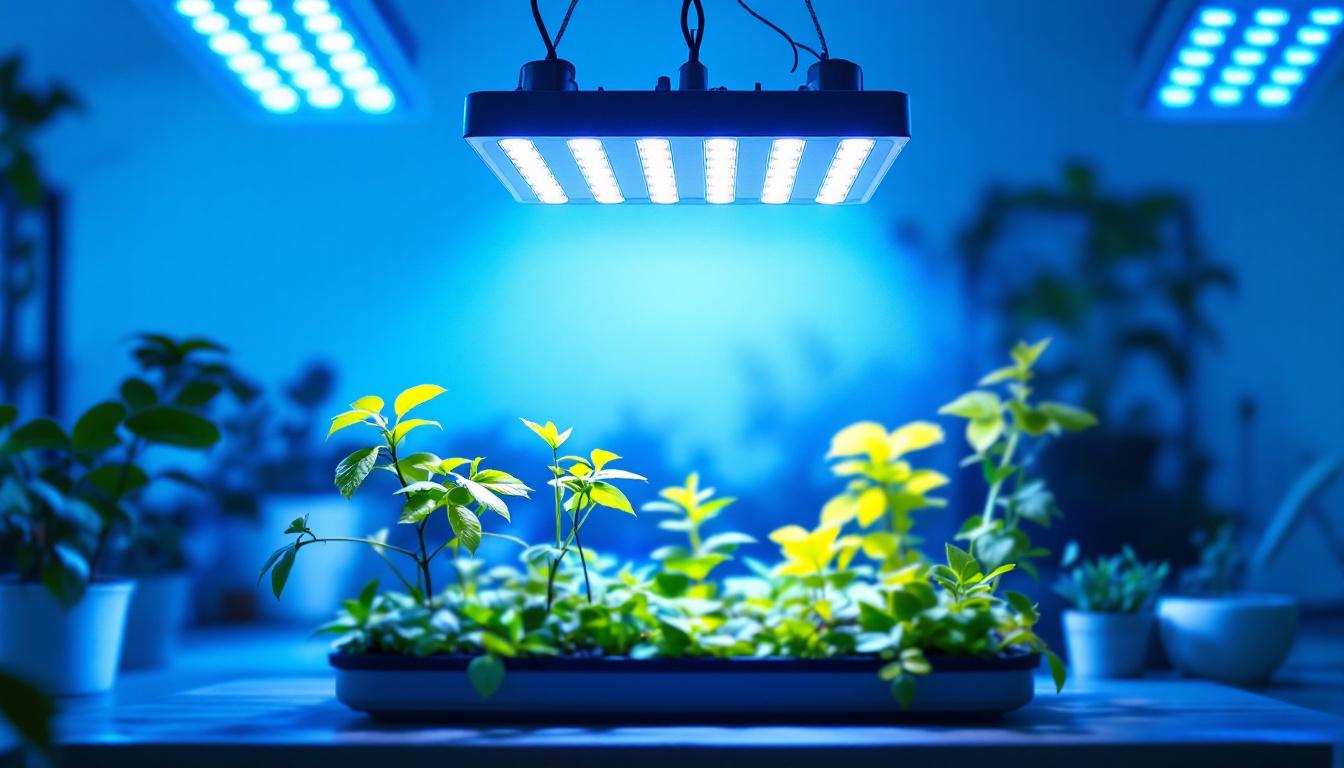
Grow lights simulate the sun’s spectrum to promote photosynthesis, which is vital for plant health and productivity. The right type of grow light can significantly impact crop yields, energy efficiency, and operational costs. As such, lighting contractors who understand the nuances of grow light technologies can offer tailored solutions that meet the precise needs of growers, from small indoor gardens to large-scale commercial greenhouses.
In recent years, the advancements in LED technology have revolutionized the grow light industry. LEDs are not only more energy-efficient than traditional lighting options like fluorescent or high-intensity discharge (HID) lights, but they also produce less heat, which can be crucial in maintaining optimal growing conditions. Additionally, the ability to customize the light spectrum emitted by LEDs allows for targeted growth phases, such as promoting flowering or vegetative growth, which can lead to healthier plants and higher yields. This adaptability makes LEDs a preferred choice for many growers, and lighting contractors who can navigate these options will find themselves in high demand.
Moreover, the integration of smart technology into grow lights is paving the way for innovative solutions that enhance user experience and plant care. Smart grow lights can be programmed to adjust their intensity and spectrum based on the time of day or specific growth stages, allowing for a more hands-off approach to horticulture. This technology not only simplifies the process for the end user but also provides valuable data that can help contractors fine-tune lighting solutions for their clients. As the market continues to evolve, staying abreast of these technological advancements will be essential for lighting contractors looking to maintain a competitive edge and meet the diverse needs of modern horticultural projects.
Types of Grow Lights: Characteristics and Applications
There are several types of grow lights available, each with unique features and ideal uses. Lighting contractors must be well-versed in these options to recommend the best fit for their clients’ projects. The main categories include:
Fluorescent Grow Lights
Fluorescent lights have been a popular choice for indoor gardening due to their relatively low heat output and energy efficiency. They are especially effective for seedlings and leafy plants that require moderate light intensity. Compact fluorescent lamps (CFLs) and T5 tubes are common variants used in grow light applications.
While fluorescent lights are cost-effective and widely available, their spectral output is somewhat limited compared to newer technologies. For lighting contractors, recommending fluorescents is ideal for small-scale or hobbyist setups where budget constraints are significant.
High-Intensity Discharge (HID) Lights
HID lights, including Metal Halide (MH) and High-Pressure Sodium (HPS) lamps, have long been the industry standard for commercial horticulture. MH lamps emit a bluish light spectrum, promoting vegetative growth, while HPS lamps emit a reddish spectrum, beneficial for flowering and fruiting stages.
Despite their effectiveness, HID lights consume more energy and generate substantial heat, requiring robust ventilation and cooling systems. Lighting contractors must carefully consider these factors when designing installations, especially in confined or temperature-sensitive environments.
Light Emitting Diode (LED) Grow Lights
LED technology has revolutionized the grow light industry by offering customizable light spectra, high energy efficiency, and low heat emission. LEDs can be tuned to emit specific wavelengths that optimize photosynthesis and plant development stages. Their long lifespan and reduced maintenance needs make them an attractive option for commercial growers.
For lighting contractors, LEDs represent a future-proof solution that aligns with sustainability goals and operational cost savings. However, the initial investment is higher, and selecting the right LED spectrum requires a deeper understanding of plant biology and client goals.
Induction Grow Lights
Induction lighting is a less common but emerging technology in horticulture. These lights offer a long lifespan and good energy efficiency, with a broad spectrum suitable for plant growth. However, their larger size and higher upfront costs have limited widespread adoption.
Lighting contractors might consider induction lights for niche applications where durability and spectrum quality are priorities, but they are generally less favored compared to LEDs and HIDs.
Factors Lighting Contractors Must Consider When Choosing Grow Lights
Choosing the appropriate grow light involves more than just picking a popular technology. Lighting contractors must evaluate several critical factors to ensure optimal performance and client satisfaction.
Light Spectrum and Plant Growth Stages
Plants respond differently to various wavelengths of light. Blue light (400–500 nm) encourages vegetative growth, while red light (600–700 nm) supports flowering and fruiting. Full-spectrum lights that mimic natural sunlight are increasingly preferred because they support all growth stages.
Lighting contractors should assess the specific crop types and growth phases involved in the project to recommend lights with the appropriate spectral output. Customizable LED systems offer flexibility in this regard, enabling dynamic control over plant development.
Energy Efficiency and Operational Costs
Energy consumption is a significant operational expense for indoor growing facilities. Lighting contractors must balance upfront costs with long-term energy savings. LEDs typically offer the best energy efficiency, often reducing electricity usage by up to 50% compared to HID systems.
Contractors should also consider heat output, as excessive heat can increase cooling costs. Lower-heat options like LEDs reduce the need for additional HVAC infrastructure, which can be a critical selling point for clients.
Installation and Maintenance Requirements
Ease of installation and maintenance affects total cost of ownership and client satisfaction. Fluorescent and HID systems require periodic bulb replacements and ballast maintenance, while LEDs usually have longer lifespans and fewer maintenance demands.
Lighting contractors should provide clients with clear information about maintenance schedules and potential downtime, helping them plan operations accordingly.
Environmental and Regulatory Considerations
Many regions have regulations regarding energy efficiency and environmental impact. Lighting contractors must ensure that grow light installations comply with local codes and sustainability standards. Offering energy-efficient solutions can also help clients qualify for rebates or incentives.
Additionally, contractors should consider the environmental footprint of the lighting system, including disposal of bulbs containing hazardous materials like mercury, common in some fluorescent and HID lamps.
Case Studies: Successful Grow Light Implementations by Lighting Contractors
Examining real-world examples provides valuable insights into how lighting contractors can leverage grow light technologies to achieve client success.
Commercial Greenhouse Optimization with LED Lighting
A lighting contractor partnered with a large commercial greenhouse to retrofit their existing HID lighting system with full-spectrum LED grow lights. The project aimed to improve crop yields and reduce energy costs.
Post-installation, the greenhouse reported a 30% increase in crop production and a 40% reduction in energy consumption. The LEDs’ low heat output also minimized the need for additional cooling, contributing to operational savings. This case highlights how strategic LED implementation can drive both productivity and sustainability.
Urban Vertical Farm Utilizing Fluorescent and LED Hybrid Systems
In an urban vertical farming project, the lighting contractor designed a hybrid system combining T5 fluorescent tubes for seedling trays and adjustable LED panels for mature plants. This approach balanced cost-effectiveness with advanced light spectrum control.
The hybrid system allowed for precise light management at different growth stages, improving plant quality and reducing energy use by 25% compared to traditional setups. This example demonstrates the importance of customized lighting strategies tailored to specific cultivation methods.
HID Lighting in Large-Scale Cannabis Cultivation
For a large-scale cannabis grow operation, the contractor installed a combination of Metal Halide and High-Pressure Sodium lamps to optimize vegetative and flowering phases. Despite higher energy consumption, this approach was chosen due to the proven effectiveness of HID lights in maximizing yield and potency.
The contractor also implemented advanced cooling and ventilation systems to manage heat output, ensuring a stable growing environment. This project underscores the need to balance lighting technology benefits with environmental controls in high-intensity applications.
Emerging Trends and Innovations in Grow Lighting
The grow light industry is rapidly evolving, with new technologies and innovations shaping the future of horticultural lighting. Lighting contractors who stay informed about these trends can maintain a competitive edge and offer cutting-edge solutions.
Smart Lighting Systems and Automation
Integration of smart controls and automation allows for dynamic adjustment of light intensity, spectrum, and photoperiod based on plant needs and environmental conditions. These systems can be remotely managed and programmed, enhancing precision and reducing labor costs.
Lighting contractors should consider incorporating IoT-enabled grow lights and sensor networks into their designs to provide clients with advanced monitoring and control capabilities.
Advances in LED Technology
Continuous improvements in LED efficiency, spectral tuning, and form factors are expanding their applicability. New developments include quantum dot LEDs and vertical LED arrays that offer even more precise light delivery and energy savings.
Contractors must keep abreast of these advancements to recommend the most effective and future-proof lighting solutions.
Sustainability and Circular Economy Approaches
There is growing emphasis on sustainability in horticultural lighting, including the use of recyclable materials, energy-efficient designs, and responsible disposal practices. Lighting contractors can differentiate themselves by promoting environmentally friendly products and services.
Additionally, some manufacturers offer take-back programs and certifications that can help clients meet corporate social responsibility goals.
Conclusion: Why Lighting Contractors Must Master Grow Light Technologies
The integration of grow lights into modern lighting projects is no longer a niche specialty but a mainstream requirement driven by the growth of indoor agriculture and controlled environment farming. Lighting contractors who develop expertise in grow light technologies position themselves as indispensable partners to growers and facility operators.
Understanding the characteristics, benefits, and limitations of different grow light types enables contractors to design customized, efficient, and compliant lighting systems. By staying current with technological advances and industry trends, lighting contractors can deliver solutions that enhance plant productivity, reduce operational costs, and support sustainability goals—ultimately driving their own business success in a rapidly expanding market.
Illuminate Your Projects with LumenWholesale
As a lighting contractor, your expertise in grow light technologies sets you apart in the industry. At LumenWholesale, we support your commitment to excellence by offering an extensive selection of top-quality, spec-grade lighting products at unbeatable wholesale prices. Say goodbye to local distributor markups and hello to superior lighting solutions that meet the highest industry standards. With free shipping on bulk orders, you can equip your horticultural projects with premium lighting at the best value — all without hidden fees or compromises. Elevate your lighting game and ensure your clients’ success by choosing Wholesale Lighting at the Best Value with LumenWholesale.