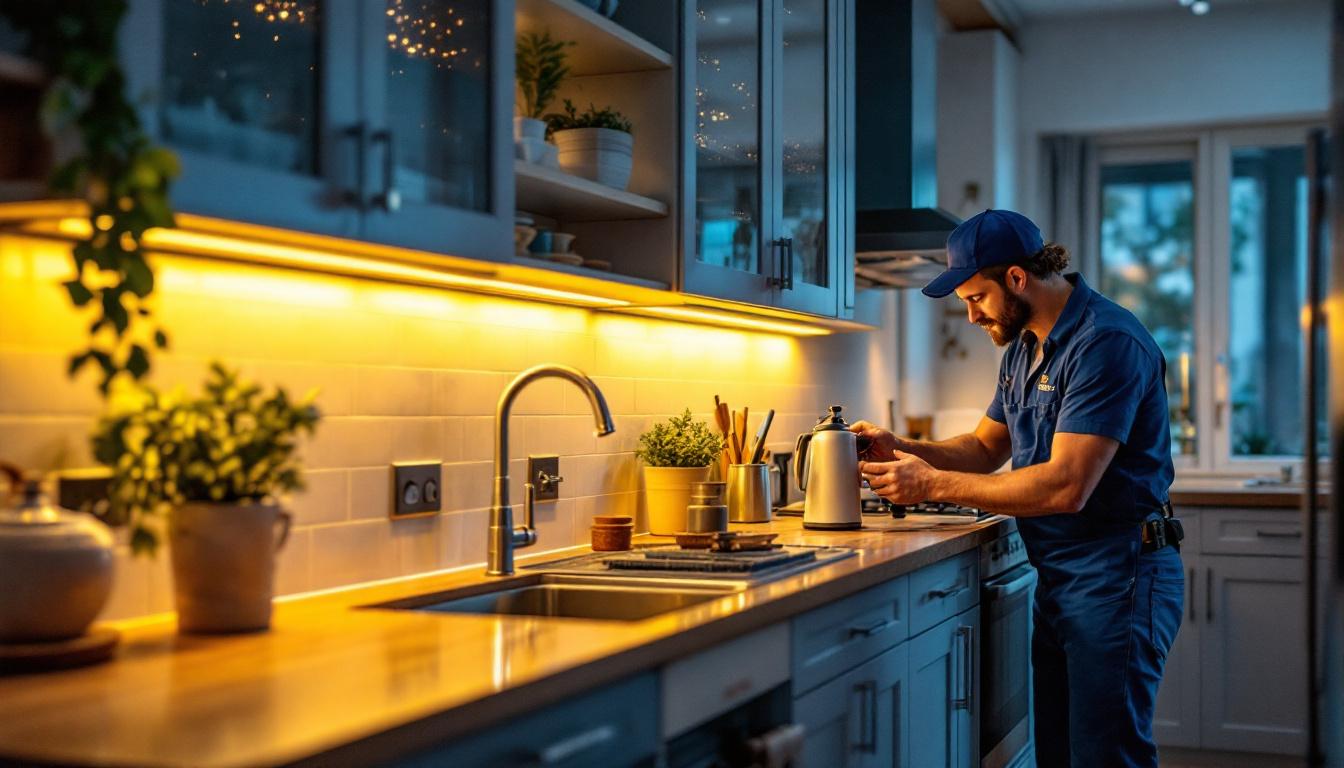
Understanding Linear LED Light Strips: A Foundation for Lighting Contractors
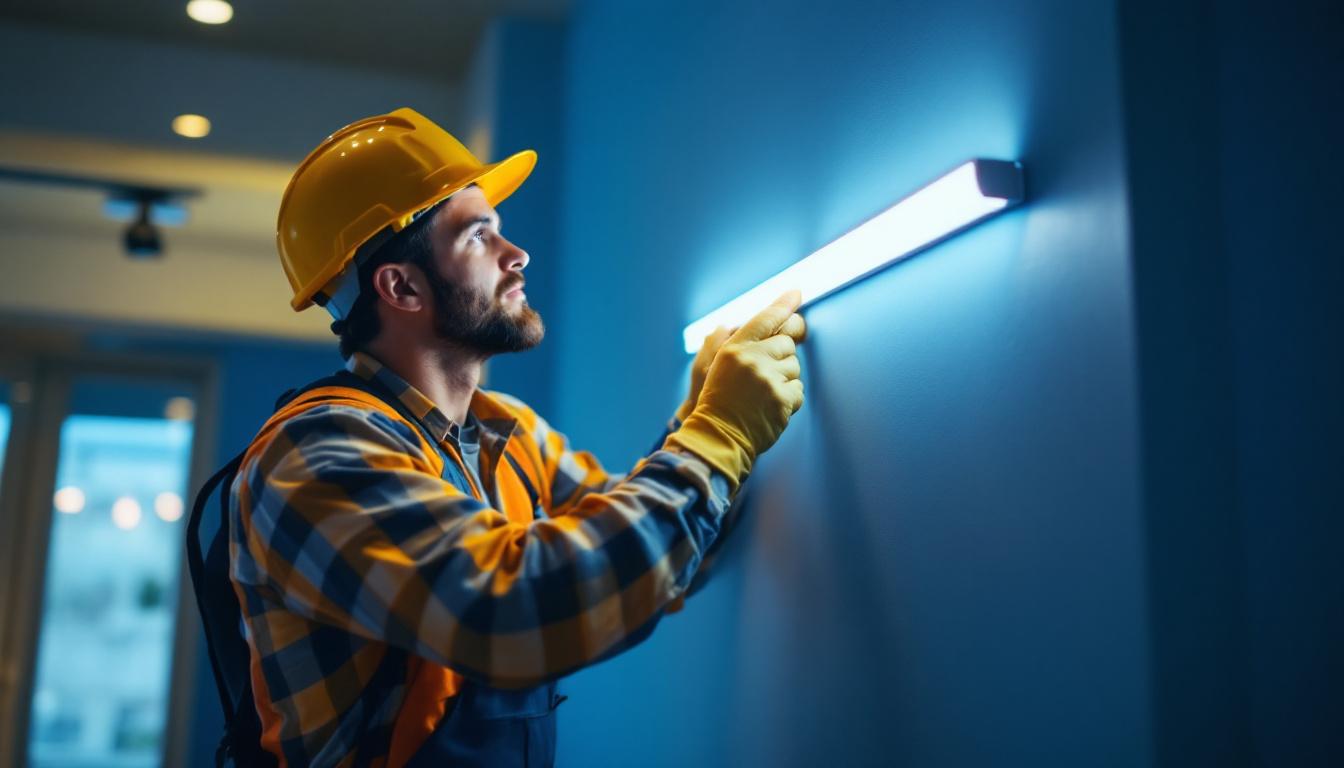
Linear LED light strips have revolutionized the lighting industry with their versatility, energy efficiency, and sleek design. For lighting contractors, mastering the nuances of these strips is essential to delivering exceptional results for residential, commercial, and industrial projects. Unlike traditional lighting, linear LED strips offer continuous, uniform illumination, making them ideal for accent lighting, task lighting, and architectural highlights.
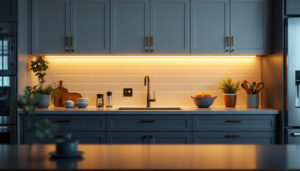
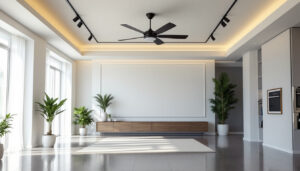
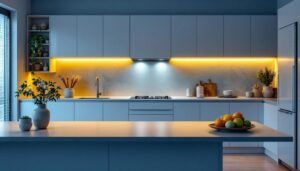
These strips are composed of multiple LED chips mounted on a flexible circuit board, allowing them to bend and conform to various surfaces. Their low profile and ease of installation make them a preferred choice for under-cabinet lighting, coves, display cases, and even outdoor applications when properly rated. Understanding the technical specifications, installation requirements, and control options is critical for contractors aiming to maximize the potential of linear LED strips.
Key Specifications to Know
Before installation, contractors must familiarize themselves with several key specifications that influence performance and application suitability:
- Color Temperature: Measured in Kelvins (K), color temperature affects the ambiance and functionality of the space. Options range from warm white (2700K-3000K) for cozy environments to cool white (4000K-5000K) for task-oriented areas.
- Luminous Flux: Expressed in lumens per foot or meter, this indicates the brightness level. Higher lumens are necessary for workspaces, while lower levels suit decorative purposes.
- CRI (Color Rendering Index): A CRI of 80 or above is generally recommended to ensure colors appear natural and vibrant under the LED light.
- IP Rating: For outdoor or damp locations, selecting strips with an appropriate Ingress Protection rating (such as IP65 or IP67) is vital to prevent damage from moisture and dust.
- Voltage and Power Consumption: Most linear LED strips operate on low voltage (12V or 24V), which impacts power supply selection and wiring considerations.
Additionally, understanding the different types of linear LED strips available can greatly enhance a contractor’s ability to meet specific project needs. For example, some strips are designed for high-output applications, providing increased brightness for larger spaces, while others may focus on color-changing capabilities, allowing for dynamic lighting effects that can transform the mood of a room. Moreover, the availability of smart LED strips that can be controlled via mobile apps or voice commands adds another layer of functionality, enabling contractors to offer clients a modern and convenient lighting solution.
Furthermore, the mounting options for linear LED strips are diverse, ranging from adhesive backing for quick installations to aluminum channels that provide a more finished look and improved heat dissipation. Contractors should also consider the importance of proper heat management, as excessive heat can reduce the lifespan and performance of LED strips. By incorporating heat sinks or ensuring adequate airflow, contractors can enhance the durability and efficiency of their installations, ultimately leading to satisfied clients and repeat business.
Installation Best Practices for Optimal Performance
Proper installation is paramount to achieving the desired lighting effect and ensuring long-term reliability. Lighting contractors must pay close attention to surface preparation, mounting techniques, and electrical connections.
Surface Preparation and Mounting
Ensuring the mounting surface is clean, dry, and smooth is the first step. Dust, grease, or uneven surfaces can compromise the adhesive backing commonly found on LED strips. In cases where the adhesive is insufficient, mechanical fasteners or mounting channels made from aluminum or plastic can provide additional support and heat dissipation.
Aluminum profiles not only secure the strip but also act as heat sinks, extending the lifespan of the LEDs by preventing overheating. These profiles come with diffusers that soften the light output, eliminating hotspots and creating a uniform glow—an important consideration for high-end installations. Furthermore, selecting the right mounting height and angle can dramatically influence the effectiveness of the lighting. For instance, mounting strips at a slight angle can enhance the spread of light, making it ideal for accentuating architectural features or artwork.
Electrical Considerations and Wiring
Understanding the electrical load and ensuring proper power supply sizing is critical. Undersized power supplies can lead to voltage drops, causing uneven brightness along the strip. Contractors should calculate total wattage by multiplying the wattage per foot by the total length of the strip, then add a safety margin of 20-30% to accommodate future expansions or variations.
Voltage drop is a common challenge, especially with longer runs. To mitigate this, it is advisable to use thicker gauge wiring and consider power injection points at intervals along the strip. This technique maintains consistent voltage and brightness throughout the installation. Additionally, it’s beneficial to plan the layout of the wiring to minimize visible connections and create a clean aesthetic. Using cable management solutions, such as raceways or conduits, can help conceal wiring and protect it from damage, ensuring a polished final look.
Additionally, polarity must be observed carefully. Reversing the positive and negative connections can damage the LEDs or prevent them from lighting. Using connectors designed for LED strips can simplify installation and reduce the risk of errors. Moreover, implementing a systematic labeling system for wires and connections can greatly assist in troubleshooting and maintenance down the line, making it easier for both contractors and end-users to manage their lighting systems effectively.
Advanced Control Techniques for Enhanced Functionality
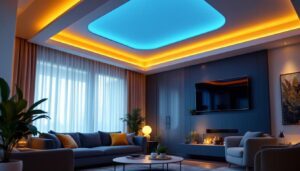
Modern lighting projects often require more than just static illumination. Linear LED strips can be integrated with advanced control systems to offer dynamic lighting solutions that enhance ambiance and energy efficiency. The versatility of these systems allows for a wide range of applications, from creating vibrant displays in retail environments to providing subtle, relaxing lighting in residential spaces. By leveraging technology, designers and contractors can craft tailored lighting experiences that respond to the needs of the space and its occupants.
Dimming and Color Control
Dimming capabilities are essential for creating adaptable environments. Contractors should select LED strips and drivers compatible with leading dimming protocols such as 0-10V, DALI, or PWM (Pulse Width Modulation). Proper dimming not only improves user comfort but also extends the lifespan of the LEDs by reducing thermal stress. Moreover, the ability to adjust brightness can significantly impact the mood of a space, allowing for transitions from bright, energizing light during the day to softer, more intimate lighting in the evening.
For color-changing applications, RGB or RGBW strips provide a spectrum of colors and white tones. These require specialized controllers and often remote or app-based interfaces. Lighting contractors must be adept at programming these systems to meet client expectations for mood lighting, event settings, or seasonal displays. With the rise of programmable lighting scenes, users can easily switch between different settings, enhancing the functionality of spaces for various activities, such as entertaining guests or enjoying a quiet evening at home.
Integration with Smart Building Systems
Smart lighting integration is increasingly prevalent in commercial and residential projects. Linear LED strips can be connected to building management systems (BMS) or smart home platforms, allowing for automated scheduling, occupancy sensing, and energy monitoring. This integration not only streamlines the user experience but also contributes to significant energy savings, as lights can be programmed to turn off when rooms are unoccupied or adjust based on natural light levels.
Contractors should ensure compatibility between LED drivers, controllers, and communication protocols such as Zigbee, Z-Wave, or Wi-Fi. Proper configuration and testing are crucial to avoid connectivity issues and to deliver seamless user experiences. Additionally, as the Internet of Things (IoT) continues to evolve, the potential for integrating lighting with other smart devices—such as thermostats, security systems, and even voice assistants—opens up new avenues for enhancing both convenience and security in homes and businesses alike. This interconnectedness allows users to create comprehensive automation routines that can adapt to their lifestyles, making advanced control techniques not just a luxury, but a practical necessity in modern lighting design.
Maintenance and Troubleshooting Tips for Lighting Contractors
Ensuring the longevity and reliability of linear LED strip installations requires proactive maintenance and the ability to troubleshoot common issues efficiently.
Routine Inspection and Cleaning
Regular inspections help identify potential problems before they escalate. Contractors should check for signs of adhesive failure, discoloration, flickering, or dimming. Cleaning the strips and surrounding surfaces with a soft, dry cloth prevents dust buildup that can reduce light output and heat dissipation.
Common Issues and Solutions
Flickering Lights: Often caused by loose connections, incompatible dimmers, or voltage fluctuations. Tightening connectors, upgrading dimming equipment, or stabilizing the power supply can resolve flickering.
Uneven Brightness: Typically a result of voltage drop or damaged LEDs. Adding power injection points or replacing faulty sections restores uniform illumination.
Strip Failure: May occur due to overheating, moisture ingress, or physical damage. Using proper heat sinks, selecting appropriate IP-rated strips, and protecting strips from mechanical stress are preventive measures.
Choosing the Right Products and Suppliers
For lighting contractors, sourcing high-quality linear LED strips and components is fundamental to project success. Reliable suppliers offer products that meet industry standards and provide consistent performance.
Evaluating Product Quality
Look for LED strips with certifications such as UL, CE, or RoHS, which indicate compliance with safety and environmental standards. High-quality LEDs from reputable manufacturers typically have better color consistency, longer lifespan, and improved thermal management.
Requesting samples and conducting in-house testing can help contractors assess color accuracy, brightness, and flexibility before committing to large orders.
Supplier Support and Warranty
Strong technical support from suppliers can assist contractors in selecting the right products and resolving installation challenges. Warranties that cover defects and performance issues provide peace of mind and protect investments.
Conclusion: Elevating Lighting Projects with Expertise
Mastering the use of linear LED light strips empowers lighting contractors to deliver innovative, efficient, and visually appealing lighting solutions. By understanding technical specifications, following best installation practices, leveraging advanced controls, and maintaining systems proactively, contractors can enhance client satisfaction and build a reputation for excellence.
Staying informed about emerging technologies and industry trends further positions contractors to meet evolving demands and capitalize on new opportunities in the dynamic lighting market.
Get Your Premium Linear LED Light Strips at LumenWholesale
Ready to elevate your lighting projects with the expertise you’ve gained? Look no further than LumenWholesale for all your linear LED light strip needs. We provide contractors with top-quality, spec-grade lighting products at unbeatable wholesale prices, ensuring you get the most reliable and high-performance lighting for every project. With our extensive selection that meets the highest industry standards, free shipping, and no hidden fees, you can trust LumenWholesale to supply premium lighting at the best value. Make your next project shine by choosing the perfect blend of quality, affordability, and convenience. Visit LumenWholesale today and experience wholesale lighting at the best value.