Understanding the Importance of Choosing the Right Light Bulbs for Outdoor Lamp Posts
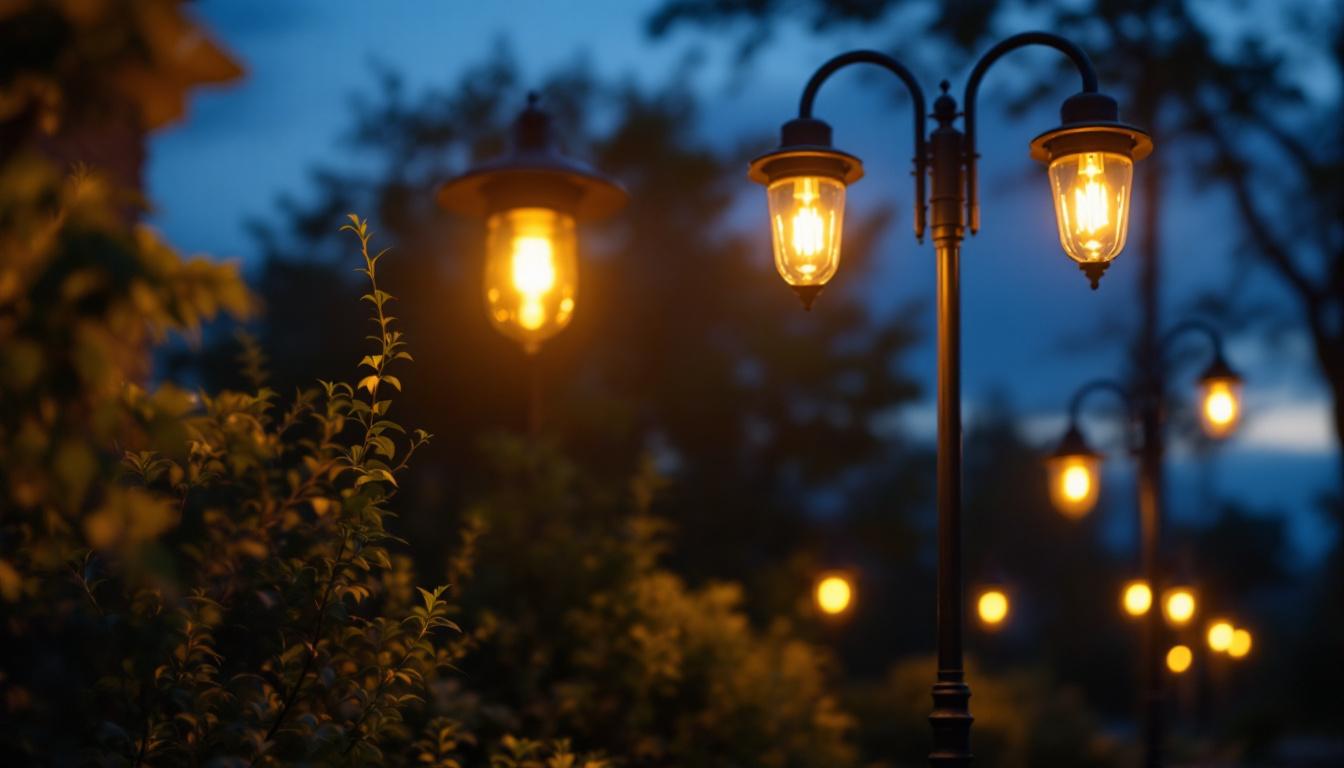
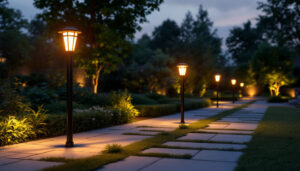
For lighting contractors, selecting the appropriate light bulbs for outdoor lamp posts is a critical decision that impacts not only the aesthetics but also the functionality and energy efficiency of outdoor spaces. Outdoor lamp posts are often the first impression of a property after dark, serving both safety and decorative purposes. The right lighting enhances visibility, deters crime, and complements architectural features, while the wrong choice can lead to increased maintenance costs and dissatisfied clients.
Moreover, outdoor lighting must withstand environmental factors such as moisture, temperature fluctuations, and dust. This makes durability and weather resistance essential criteria when selecting bulbs. Contractors must balance these practical considerations with energy efficiency goals and compliance with local lighting regulations or dark sky ordinances.
In addition to these factors, the color temperature of the light bulbs plays a significant role in creating the desired ambiance. Warmer light temperatures, typically around 2700K to 3000K, are often preferred for residential areas as they create a welcoming and cozy atmosphere. Conversely, cooler temperatures, ranging from 4000K to 5000K, may be more suitable for commercial spaces where brighter, more focused lighting is necessary for security and visibility. Understanding the psychological effects of light on human behavior can further guide contractors in making the best choices for their clients’ needs.
Another important aspect to consider is the type of bulb technology being used. LED bulbs have gained popularity due to their long lifespan and energy efficiency, but they also come in a variety of styles and brightness levels. Contractors should evaluate the specific requirements of the installation site to determine if traditional incandescent or halogen bulbs might be more appropriate for certain applications. Additionally, advancements in smart lighting technology offer exciting possibilities for outdoor lamp posts, allowing for programmable features such as dimming, color changing, and motion detection, which can enhance both security and convenience for homeowners.
Key Factors Lighting Contractors Consider When Selecting Bulbs
Energy Efficiency and Cost Savings
Energy consumption is a primary concern for both contractors and clients. Outdoor lighting often runs for extended periods, sometimes all night, which can lead to significant electricity costs. Light-emitting diode (LED) bulbs have revolutionized outdoor lighting by offering high energy efficiency combined with long lifespans. LEDs typically consume up to 75% less energy than traditional incandescent or halogen bulbs and can last 25 times longer, drastically reducing replacement frequency and maintenance labor.
From a contractor’s perspective, recommending LED bulbs not only aligns with sustainable practices but also provides clients with cost-effective solutions that enhance their satisfaction and reputation. Additionally, many regions offer rebates or incentives for installing energy-efficient outdoor lighting, which contractors can leverage to benefit their clients. These financial incentives can significantly offset the initial investment, making the transition to LED lighting even more appealing. Furthermore, as energy costs continue to rise, the long-term savings associated with energy-efficient lighting become increasingly important, allowing clients to allocate their budgets to other essential areas of their projects.
Light Quality and Color Temperature
Light quality is essential in outdoor settings to ensure safety and create the desired ambiance. Color temperature, measured in Kelvins (K), affects how the light appears to the human eye. For outdoor lamp posts, contractors often recommend bulbs with a color temperature ranging from 2700K to 4000K. Lower temperatures (2700K-3000K) produce a warm, inviting glow suitable for residential neighborhoods, while cooler temperatures (3500K-4000K) offer brighter, more neutral white light ideal for commercial or security lighting.
Moreover, the Color Rendering Index (CRI) is an important metric that measures how accurately a light source reveals colors compared to natural light. A CRI of 80 or higher is generally preferred for outdoor lighting to ensure clear visibility and true color perception, which is especially important in public spaces or areas requiring heightened security. The right light quality can also enhance the aesthetic appeal of outdoor spaces, making them more inviting for gatherings or events. Contractors may also consider the psychological effects of different color temperatures; warmer lights can create a cozy atmosphere, while cooler lights can promote alertness and focus, influencing how people interact with the space.
Durability and Weather Resistance
Outdoor lamp posts are exposed to rain, snow, wind, and dust, making durability a non-negotiable factor. Contractors prioritize bulbs with robust construction and protective features such as waterproof or weatherproof casings. Many LED bulbs designed for outdoor use come with an IP (Ingress Protection) rating, indicating their resistance to solids and liquids. An IP65 rating or higher is typically recommended for outdoor lamp posts to ensure reliable performance under harsh weather conditions.
Additionally, bulbs with shatterproof designs or impact-resistant materials enhance safety and reduce the risk of damage during installation or adverse weather events. Contractors should also consider bulbs that maintain consistent performance in extreme temperatures, as some lighting technologies can degrade or fail in very cold or hot climates. This reliability is crucial for maintaining safety and visibility in outdoor environments, particularly in regions prone to severe weather. Furthermore, advancements in materials science have led to the development of bulbs that not only withstand environmental stresses but also resist corrosion from saltwater or pollutants, making them ideal for coastal or urban settings where exposure to harsh elements is a concern.
Technological Innovations Transforming Outdoor Lamp Post Lighting
Smart Lighting and Connectivity
The integration of smart technology into outdoor lighting systems is a game-changer for contractors aiming to provide modern, efficient solutions. Smart bulbs and fixtures allow remote control, scheduling, and automation via smartphones or centralized management systems. This capability enables clients to adjust lighting based on time of day, occupancy, or ambient light levels, further optimizing energy use.
For instance, motion sensors linked with smart bulbs can activate lighting only when movement is detected, enhancing security while conserving energy. Additionally, smart outdoor lighting can be integrated with other smart home or building management systems, offering seamless control and data analytics to monitor energy consumption and maintenance needs.
Solar-Powered Outdoor Lighting
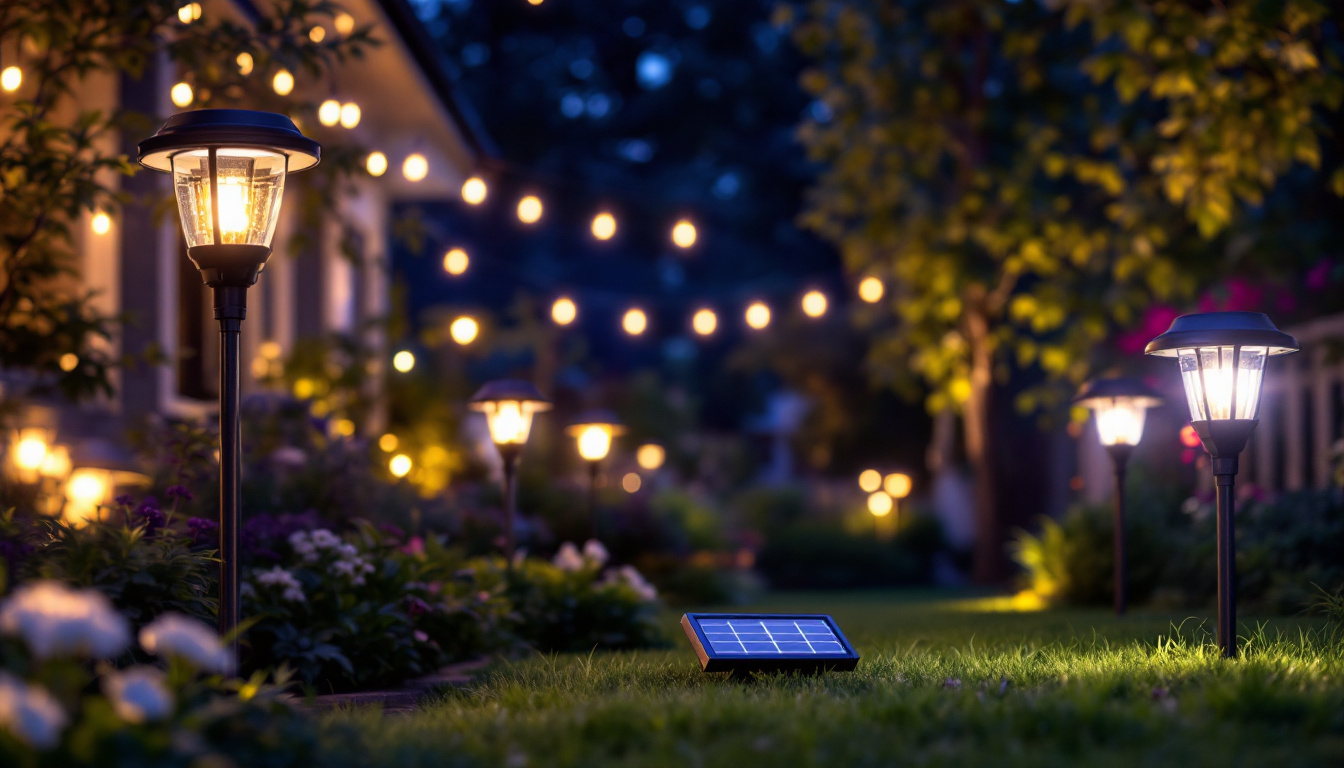
Solar technology has advanced significantly, making solar-powered outdoor lamp posts a viable option for many projects. Contractors can recommend solar bulbs or fixtures equipped with high-efficiency photovoltaic panels and energy storage batteries. This approach eliminates the need for extensive wiring, reduces installation costs, and offers an eco-friendly alternative that operates independently of the grid.
While solar lighting may have limitations in areas with limited sunlight or heavy shading, modern solutions often include battery backups and efficient LED bulbs that maximize light output and duration. For lighting contractors, understanding the site-specific conditions and client needs is crucial when proposing solar-powered options.
Best Practices for Installation and Maintenance
Ensuring Proper Fit and Compatibility
One of the common challenges contractors face is ensuring that the selected bulbs are compatible with existing lamp post fixtures. Bulb base types, wattage limits, and fixture dimensions must be carefully matched to avoid electrical issues or physical incompatibility. For example, many outdoor lamp posts use standard screw bases like E26 or E27, but some decorative or vintage-style fixtures may require specialty bases.
Contractors should verify the maximum wattage rating of the fixture to prevent overheating and potential fire hazards. Using bulbs with wattage exceeding the fixture’s rating can damage the fixture and reduce bulb lifespan. Additionally, dimmable fixtures require bulbs compatible with dimming controls to function correctly.
Routine Maintenance and Troubleshooting
Regular maintenance is vital to ensure outdoor lamp posts continue to perform optimally. Contractors often advise clients on periodic cleaning of fixtures and bulbs to remove dirt, insects, and debris that can diminish light output. Checking for signs of corrosion, moisture ingress, or electrical issues is also part of routine inspections.
When troubleshooting, contractors should be aware that LED bulbs generally have fewer failure points but may still encounter issues such as flickering or dimming caused by incompatible drivers or voltage fluctuations. Providing clients with guidance on proper bulb handling and replacement procedures can extend the life of outdoor lighting systems and reduce service calls.
Case Studies: Successful Applications of Smart Outdoor Lighting
Residential Neighborhood Lighting Upgrade
A lighting contractor was tasked with upgrading a suburban neighborhood’s outdoor lamp posts to improve safety and reduce energy costs. By replacing traditional high-pressure sodium bulbs with warm white LED bulbs rated at 3000K and a CRI of 85, the contractor enhanced visibility and created a welcoming atmosphere. The installation included smart controls allowing the municipality to dim lights during low-traffic hours, resulting in a 60% reduction in energy consumption.
Commercial Campus Security Lighting
For a commercial campus requiring robust security lighting, a contractor implemented LED bulbs with a cooler color temperature of 4000K and integrated motion sensors. The bulbs featured an IP67 rating, ensuring durability in all weather conditions. The smart system allowed facility managers to monitor lighting status remotely and schedule maintenance proactively, improving operational efficiency and safety.
Conclusion: Embracing Innovation and Expertise in Outdoor Lamp Post Lighting
For lighting contractors, mastering the selection and installation of light bulbs for outdoor lamp posts is essential to delivering high-quality, efficient, and durable lighting solutions. By prioritizing energy efficiency, light quality, durability, and embracing smart technologies, contractors can meet the evolving demands of clients and regulatory environments.
Staying informed about advancements in lighting technology and understanding the unique challenges of outdoor environments empowers contractors to provide tailored recommendations that enhance safety, aesthetics, and sustainability. Ultimately, the smart contractor’s approach to outdoor lamp post lighting combines technical expertise with innovative solutions to illuminate outdoor spaces effectively and responsibly.
Illuminate Your Projects with LumenWholesale
Ready to elevate your outdoor lamp post projects with the finest lighting solutions? At LumenWholesale, we provide lighting contractors with an exceptional range of spec-grade light bulbs that blend quality, efficiency, and smart technology. Our commitment to offering premium products at wholesale prices ensures that you can deliver outstanding results to your clients while maximizing your budget. Say goodbye to middleman markups and hello to free shipping on bulk orders, making your purchases straightforward and cost-effective. Don’t compromise on quality or value—choose LumenWholesale for lighting that meets the highest industry standards. Wholesale Lighting at the Best Value is just a click away.